
- A year that exploded the gaps in the car market
- Top of the performance pyramid: Ferrari, Porsche and Corvette
- Chinese tech surge and American software stumbles
- When the reality fell short: 2025’s biggest disappointments
- Cadillac, Honda and Ford: balanced answers to real‑world use
- Hybrid showdown: Europe on the attack, Japan off‑balance
- Tesla Model Y 2026: software leap, comfort compromise
- Key lessons from 2025 for carmakers and Gulf markets
A year that exploded the gaps in the car market
The year 2025 marked a turning point for the automotive industry; the story was no longer just about horsepower and torque, but also about software maturity, electrification, hybrid systems and artificial intelligence reshaping who wins and who loses.
In this single model year, some cars dramatically over‑delivered on expectations while others collapsed as soon as they met real‑world use, from the shock of the automatic Toyota GR Corolla, through Lucid’s software struggles, to the sharp rise of Chinese brand Nio and the continued dominance of Ferrari and Porsche at the top of pure performance.
Top of the performance pyramid: Ferrari, Porsche and Corvette
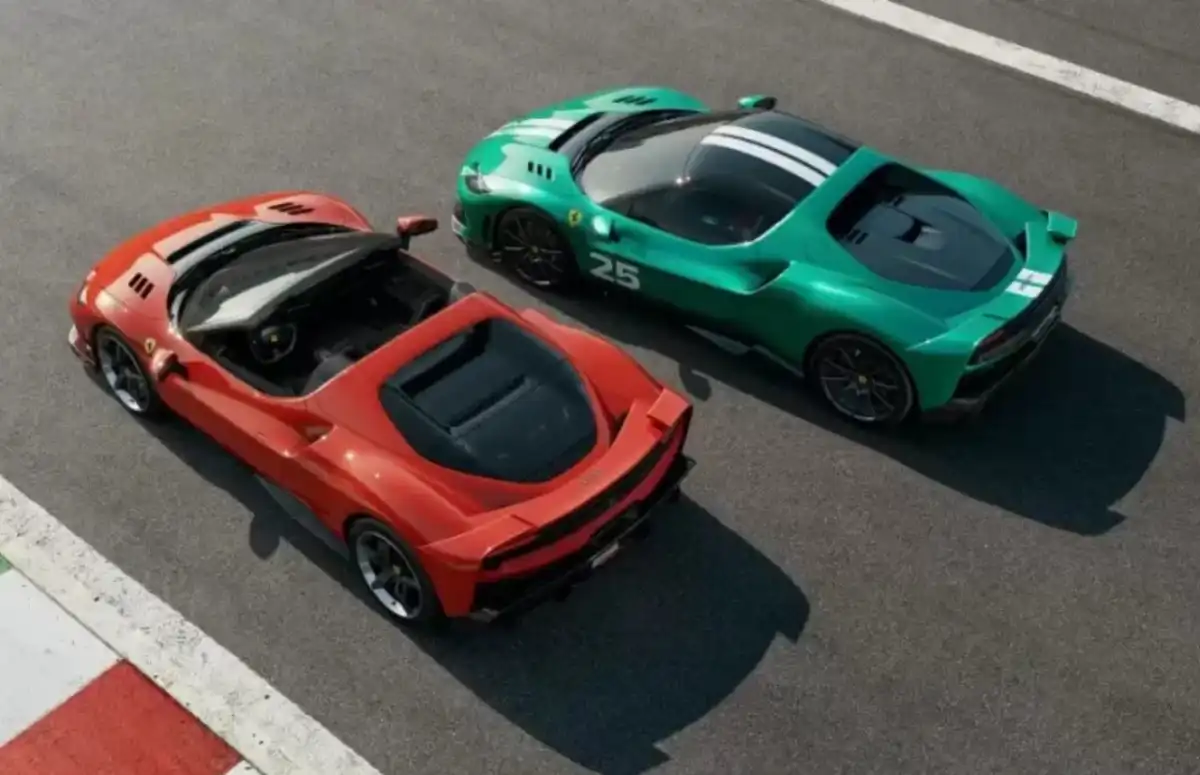
Ferrari 296 Speciale: a new definition of road‑legal track weapon
The Ferrari 296 Speciale topped most 2025 rankings as one of the most convincing high‑performance road cars on sale.
With a price approaching 1,781,250 SAR, it delivered a “race‑car on tarmac” feel: savage engine sound, explosive acceleration and chassis tuning that still allowed it to be survivable on public roads.
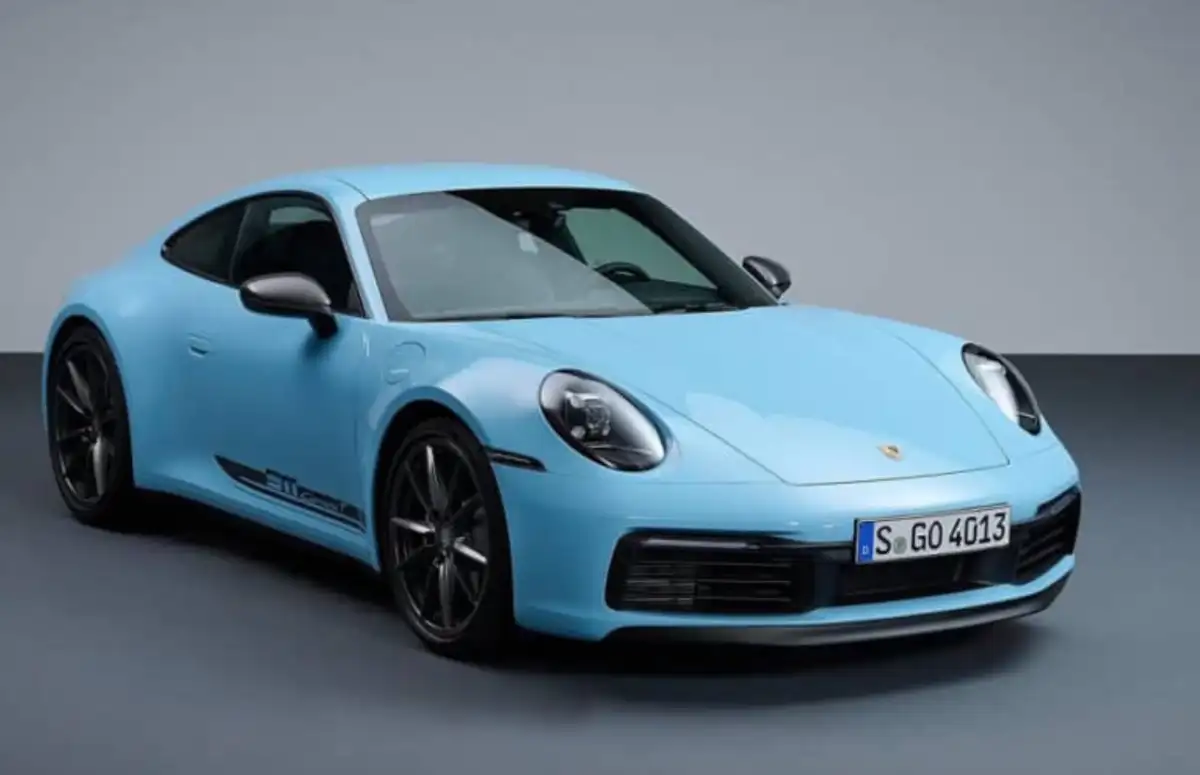
Porsche 911 Carrera T: a masterclass in manual‑gearbox driving
The 911 Carrera T cemented itself as a reference point for drivers who want to feel mechanically connected to the car, thanks to its manual gearbox and driver‑focused cabin.
Despite its high price, the balance of light weight, suspension calibration and front–rear feedback made it feel less like a simple sports coupé and more like a tool for advanced driving. 
Chevrolet Corvette ZR1 2026: the “rational” supercar
The 2026 Corvette ZR1 delivered one of the best performance‑to‑price ratios in the supercar segment, building on the mid‑engined C8 platform that has opened a new era for American performance.
The real surprise was not just the numbers, but the sense that you were getting a car genuinely capable of lining up against long‑established European heroes at a much lower cost.
Other notable performance highlights
Gunther Werks’ take on the Porsche 911 Turbo offered an ultra‑crafted “reimagined Porsche” experience aimed squarely at purists.
The Ford Mustang GTD, though it did not enjoy the same media spotlight, operated at a level where direct comparison with a GT3 RS on track was entirely reasonable.
Chinese tech surge and American software stumbles
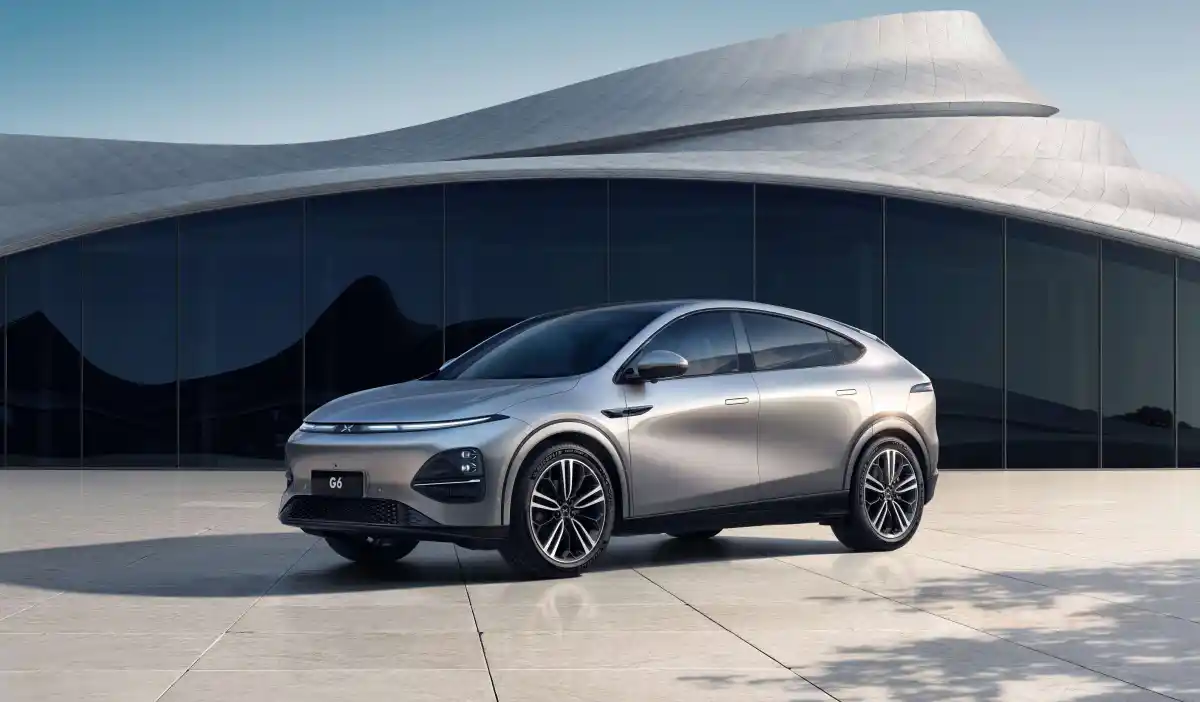
Nio: a structured Chinese push into premium EV space
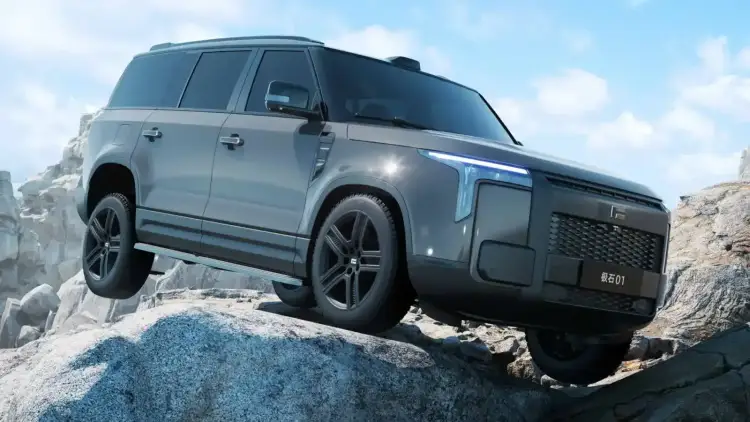
In 2025, Nio embodied the Chinese manufacturer that no longer imitates but competes head‑on in the premium segment, from the budget‑leaning Firefly to the flagship ET9.
Solutions such as sub‑five‑minute battery swaps and smart active air suspension that absorbs bumps intelligently positioned Nio products as realistic alternatives to Mercedes or Porsche for certain buyers.
Lucid Gravity Grand Touring 2026: mechanical strength, software fragility
On paper, the Gravity Grand Touring 2026 looked near‑perfect with 828 hp, strong acceleration and competitive range.
In daily use, repeated issues with key recognition and startup systems turned it into a case study in how “software bugs” can undermine an otherwise well‑engineered package.
Hyundai Ioniq 6 N and Porsche Taycan Turbo GT: pushing EV performance limits
The Hyundai Ioniq 6 N proved an EV does not have to be dull, clocking track performances that put it up against long‑standing petrol sports cars.
Porsche’s Taycan Turbo GT broke the 0–96.5 km/h barrier in 1.9 seconds and showed that ultra‑fast charging can be genuinely usable when it adds hundreds of kilometres in just minutes.
When the reality fell short: 2025’s biggest disappointments
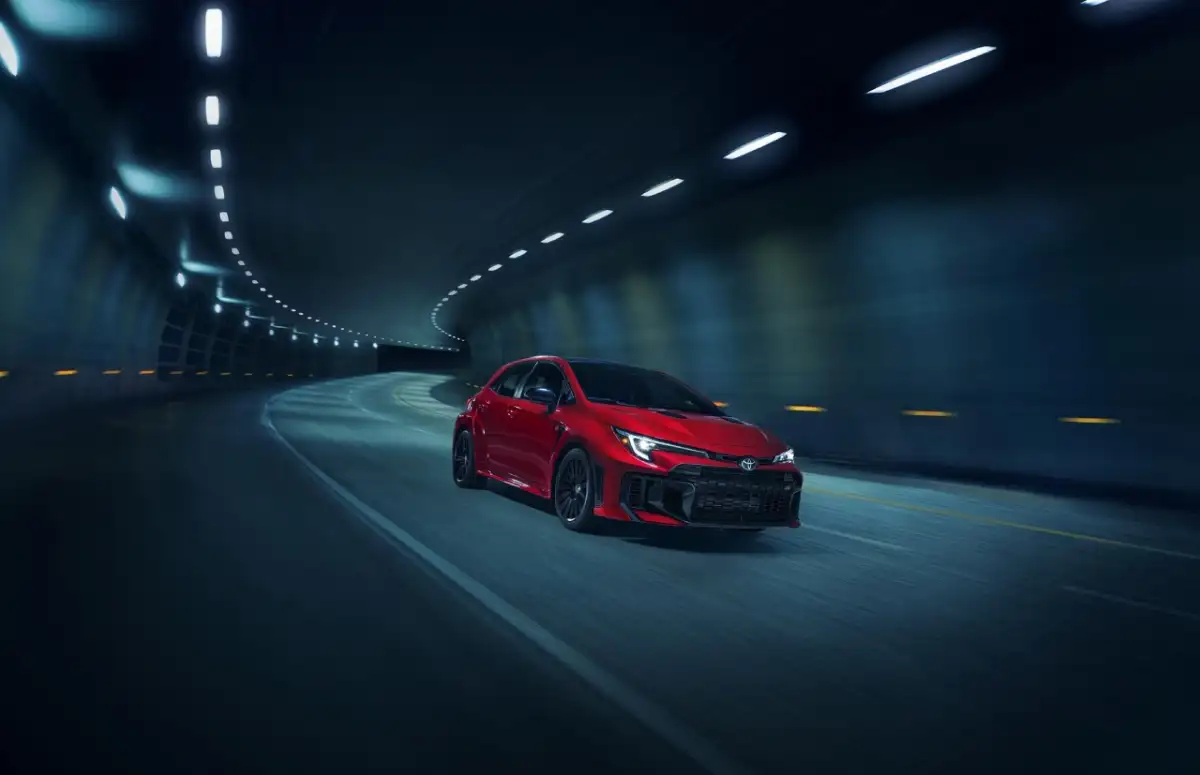
Toyota GR Corolla Automatic 2025: when the gearbox choice kills the magic
After the huge enthusiasm for the manual GR Corolla, the eight‑speed automatic version arrived and noticeably dulled the experience, even though the three‑cylinder turbo engine remained.
Long gearing blunted the torque feel, turbo lag became more obvious, and the transmission’s refusal to hold revs through corners removed much of the hot‑hatch agility fans were expecting.
Chevrolet Silverado EV Trail Boss: off‑road EV without enough real off‑road depth
The electric Silverado Trail Boss was supposed to be the future‑proof off‑road truck, but field tests suggested many of its upgrades were more cosmetic than deeply engineered.
On certain test routes it was outperformed by the petrol Colorado, an outcome opposite to what an EV halo truck is meant to deliver.
Infiniti QX60 Sport and Buick Enclave ST 2026: luxury in image more than substance
The QX60 Sport’s variable‑compression engine could not hide 0–96.5 km/h times around 7.4 seconds and a lack of composure at highway speeds.
The Enclave ST 2026 combined cabin materials that felt out of step with its asking price and steering with little feedback, making it a clear example of marketing over‑promising versus the actual premium experience.
Cadillac, Honda and Ford: balanced answers to real‑world use
Cadillac Escalade IQ and Vistiq: electric American luxury, redesigned
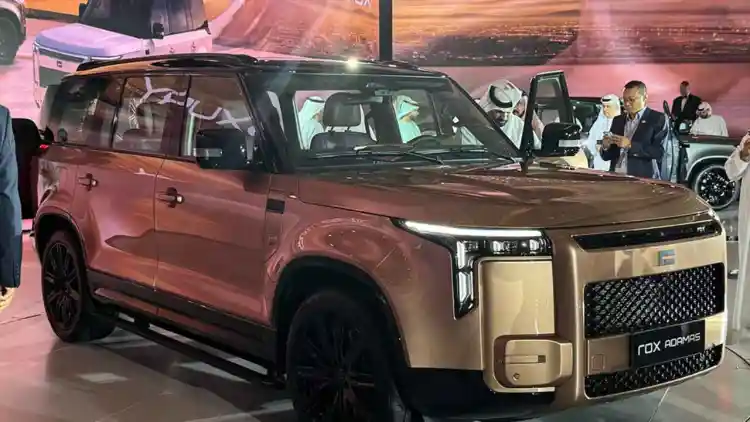
The Escalade IQ gave drivers a commanding driving position, advanced tech and an unmistakable road presence, becoming one of the headline electric SUVs of 2025.
The Vistiq offered a different take on luxury: a smaller footprint, strong upright lines and a stance that deliberately avoids the overly soft, rounded shapes increasingly common in EVs.
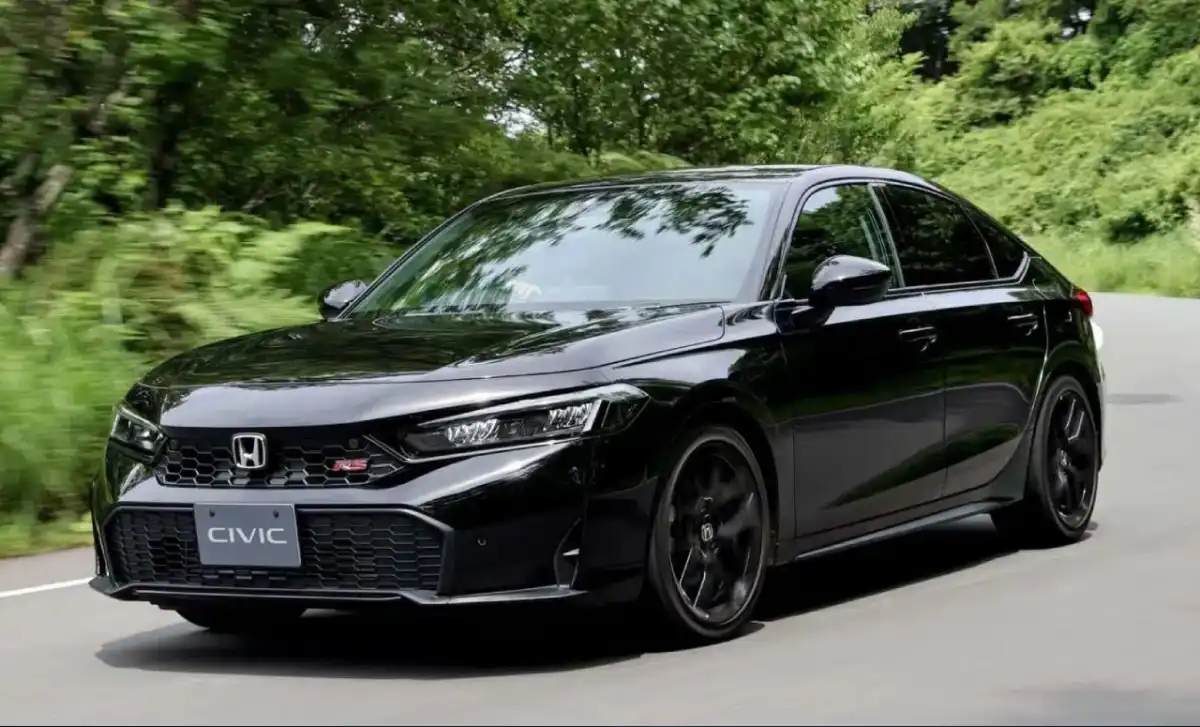
Honda Civic Hybrid 2025: everyday car with semi‑premium character
At around 127,500 SAR, the 2025 Civic Hybrid presented itself as a rational choice for those who want low fuel consumption without giving up cabin quality or refinement.
Its overall calibration made it especially suitable for urban drivers who spend long hours behind the wheel, with more comfort and confidence than typically expected from an “economy” badge.
Ford Maverick 2026: a compact pickup built on clever thinking
The Maverick continued to serve as a “multi‑talented” small truck that could double as a daily family car while still offering a usable bed and smart storage solutions.
Its blend of fuel efficiency and versatility kept it near the top of the compact pickup class.
Hybrid showdown: Europe on the attack, Japan off‑balance
Mercedes‑AMG SL63 SE Performance: how to do a true performance hybrid
The hybrid system in the SL63 SE Performance was not just a “green” add‑on, but a core part of turning it into a 0–96.5 km/h in 2.5 seconds missile.
It merged classic Mercedes luxury with AMG’s dynamic aggression, offering a mature template for what a high‑performance hybrid should look like.
Toyota RAV4 Hybrid 2026 and Subaru Crosstrek Hybrid: paying in weight and noise
Both the RAV4 Hybrid 2026 and Crosstrek Hybrid suffered from noticeable engine noise under load and extra hybrid‑system weight that hurt braking and agility.
The catch is that these compromises did not yield a transformative gain in performance, making the balance between efficiency and driving enjoyment feel off.
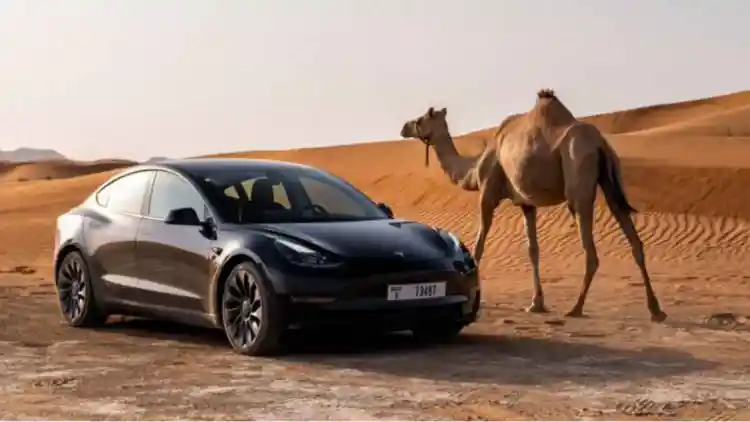
Tesla Model Y 2026: software leap, comfort compromise
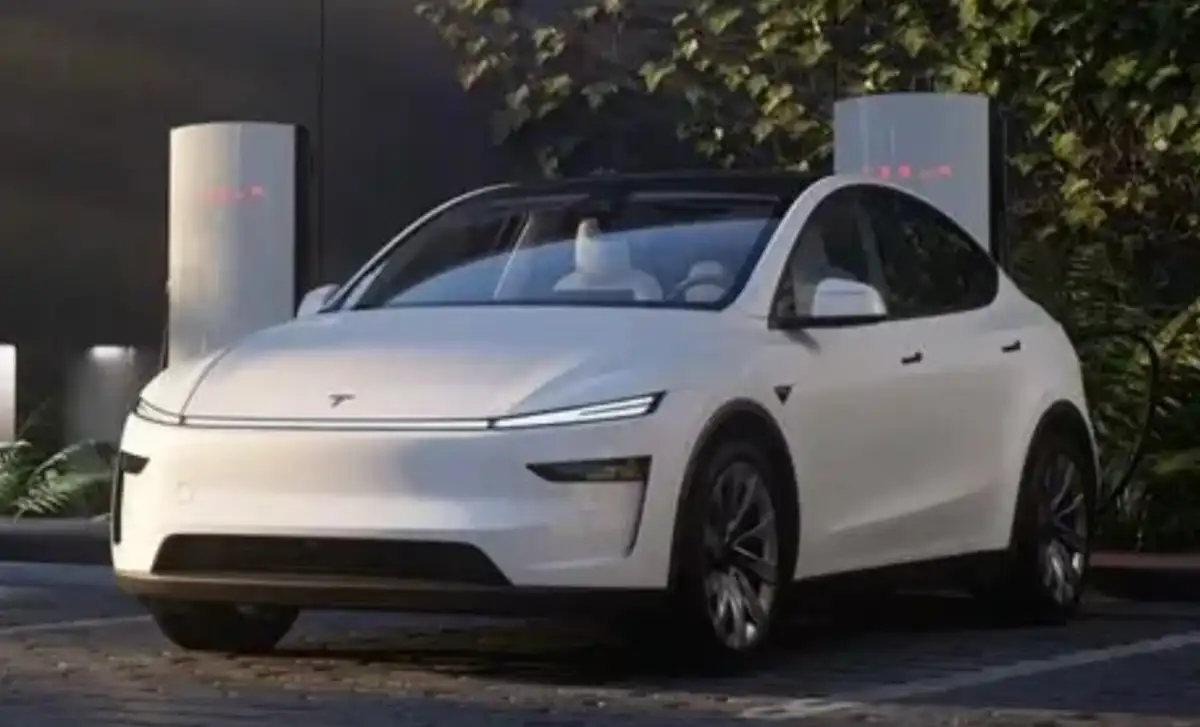
Clear progress in driver‑assist intelligence
The FSD v14 update delivered a tangible step forward in automated behaviour, with the Model Y handling complex intersections, self‑parking and tricky traffic patterns more confidently than previous releases.
But the ride quality still lags behind competitors
Rear‑seat comfort remained a key weakness; the second row’s firm ride made long journeys less pleasant compared with rivals focused on softness.
In the end, the Model Y came across as a highly advanced software platform that still doesn’t fully meet the comfort expectations many buyers now have in the EV segment.
Key lessons from 2025 for carmakers and Gulf markets
The events of 2025 show clearly that raw power is no longer enough; software robustness, electronic systems, day‑to‑day usability and comfort now weigh as heavily as horsepower and torque in defining a successful car.
Winners were the brands that delivered complete packages—performance, comfort and mature tech—such as Ferrari, Porsche, Cadillac and Nio, while Toyota, Lucid and Tesla demonstrated how a weak transmission decision or fragile software can undermine even the strongest spec sheet.
For Saudi Arabia and the wider Gulf, with harsh climates and demanding customers, the real challenge for manufacturers is to balance cutting‑edge innovation with durability, comfort and reliability that match the realities of daily use in the region.