
- Official UAE Fuel Prices for December 2025
- Comparison of November and December Fuel Prices: A Closer Look at the Changes
- How Is Fuel Pricing Decided Each Month in the UAE?
- Impact of Fuel Price Changes on Drivers and Businesses in the UAE
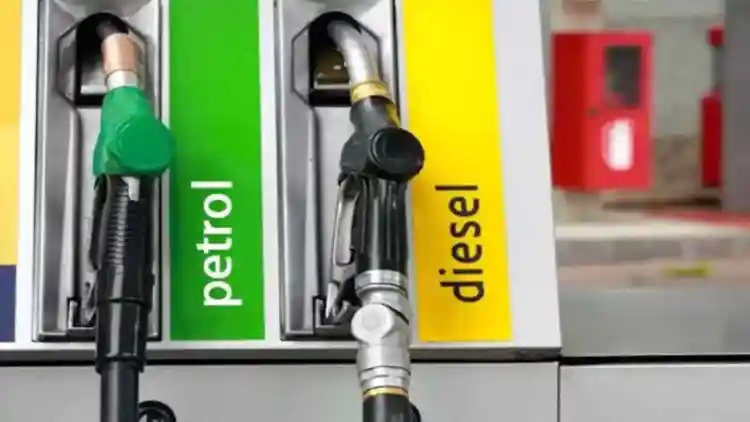
As December 2025 begins, the UAE fuel market enters a new phase of its monthly price updates, impacting millions of drivers across the country. The Fuel Price Committee has announced clear increases in petrol and diesel prices compared to November, reflecting the latest shifts in global oil markets. This update aims to balance market stability between production and distribution costs on one side, and the needs of consumers on the other, especially with busier roads and a higher volume of travel during the winter season.
Official UAE Fuel Prices for December 2025
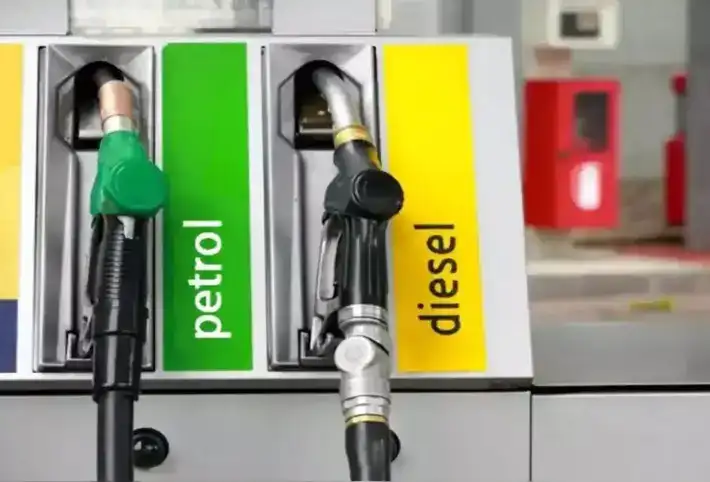
Starting from December 1, 2025, the Fuel Price Committee has set the following official rates for all fuel stations across the Emirates:
Fuel Type | Price per Liter (AED) |
|---|---|
E-Plus 91 | 2.51 |
Special 95 | 2.58 |
Super 98 | 2.70 |
Diesel | 2.85 |
These rates are effective at all service stations nationwide until the end of the month. They serve as the official reference for drivers to estimate their transportation costs and plan monthly budgets with greater accuracy.
Fuel Cost Calculator
Comparison of November and December Fuel Prices: A Closer Look at the Changes

A direct comparison between fuel prices in the UAE for November and December 2025 reveals a general increase across all types of petrol as well as diesel. The table below highlights the monthly differences in a clear and easy to read format:
Fuel Type | November 2025 Price (AED) | December 2025 Price (AED) | Increase |
|---|---|---|---|
E-Plus 91 | 2.44 | 2.51 | +0.07 |
Special 95 | 2.51 | 2.58 | +0.07 |
Super 98 | 2.63 | 2.70 | +0.07 |
Diesel | 2.67 | 2.85 | +0.18 |
These figures show a steady increase of 0.07 AED per liter for all petrol types, while diesel saw a larger rise of 0.18 AED per liter. This translates directly to higher refueling costs, with a 40 liter tankBahrain TankEgypt TankKSA TankKuwait TankOman TankQatar TankUAE Tank now costing 2.8 AED more, and a 120 liter tank costing 8.4 AED more compared to November.
Such increases reflect the influence of global oil price movements on the local market, alongside the monthly reviews carried out by the Fuel Price Committee to ensure that local prices align with international market trends and enable efficient fuel station operations.
How Is Fuel Pricing Decided Each Month in the UAE?
The UAE follows a transparent monthly review system to set local fuel prices. This approach combines the average global oil prices from the previous month with the local distribution and transportation costs incurred by fuel companies. Since the government removed direct fuel subsidies in September 2015, pricing decisions are now handled by the Fuel Price Committee, which bases its updates on global market trends. This method helps ensure transparency and allows both drivers and businesses to anticipate fuel expenses and plan their budgets more effectively.
Impact of Fuel Price Changes on Drivers and Businesses in the UAE

Rising fuel prices have a direct impact on both individual and business expenses, especially with higher daily operating costs for cars and trucks. As the winter season begins and travel activity increases, many drivers will notice higher monthly spending compared to last month. Companies in the transport and logistics sectors also need to recalculate their operating budgets to adapt to these changes.
Increase in daily operating costs for vehicles
Clear impact on family and business budgets
Drivers can benefit from loyalty programs and seasonal offers from major fuel distributors like ADNOC, ENOC, and Emarat, which provide discounts and fuel rewards
The importance of following monthly price updates to plan budgets more efficiently
Although the recent price increase may seem minor, its cumulative effect over several months can significantly affect annual expenses for both families and businesses. For this reason, it remains essential to monitor fuel prices regularly and take advantage of available discount programs to control overall spending.