

- IIHS Study: 6 Million Crashes Prove Headlight Safety
- Headlight Ratings Improvement: 51% Good in 2025
- IIHS Tests Force Manufacturer Improvements
- Why Complaints Persist Despite Low Risk
- Top 10 2026 Headlight Models (IIHS)
- LED vs Halogen vs Laser Comparison
- Driver Tips for Managing Glare
- Global Automotive Market Impact
- Headlight Ratings Future: HUD + Adaptive
IIHS analysis of 6 million nighttime crashes (2015-2023) proves front headlight glare causes only 1-2 per 1000 incidents without rise despite lighting improvements, while poor visibility crashes dropped significantly. This detailed analysis breaks down IIHS data, headlight ratings improvement from 1% "Good" in 2016 to 51% in 2025, IIHS test impact on manufacturers, and top 10 2026 headlight models.
IIHS Study: 6 Million Crashes Prove Headlight Safety
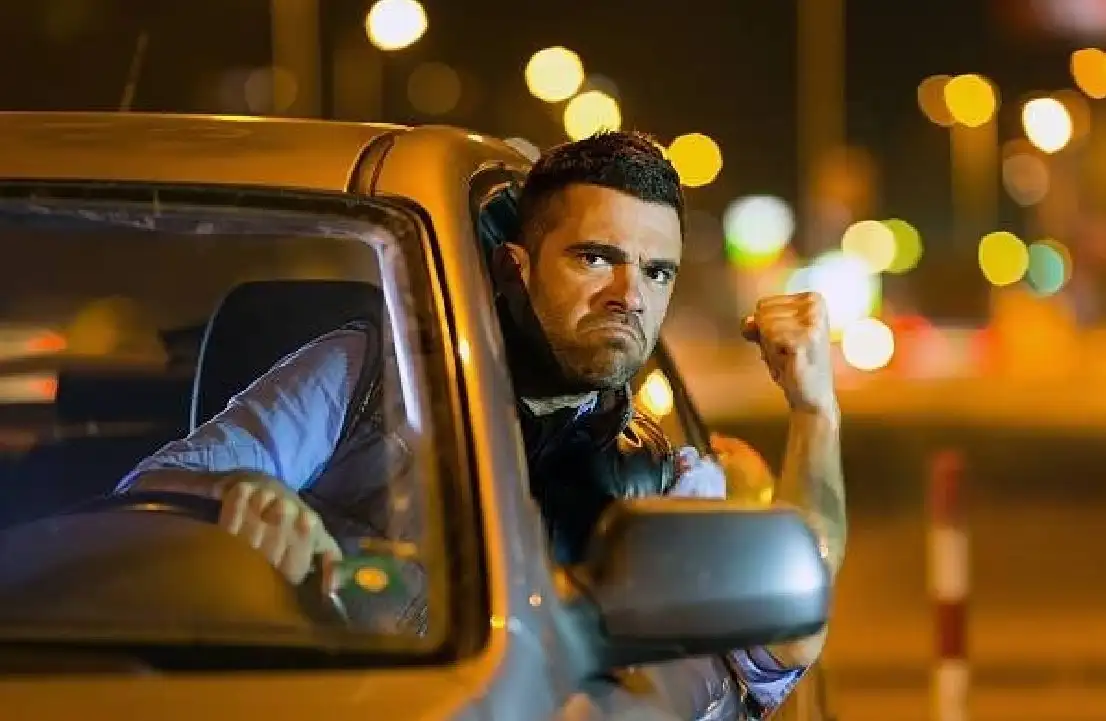
IIHS researchers (Insurance Institute for Highway Safety) analyzed 6 million nighttime crashes across 11 U.S. states (2015-2023), finding headlight glare responsible for just 1-2 per 1000 crashes at consistent rates despite driver complaints. Poor visibility remains the primary nighttime crash cause, with significant reductions alongside lighting improvements.
Period | Glare Rate | Poor Visibility Crashes |
|---|---|---|
2015 | 2/1000 | High |
2020 | 1/1000 (lowest) | Major decline |
2023 | 1.5/1000 | Stable |
Headlight Ratings Improvement: 51% Good in 2025
IIHS began headlight ratings in 2016 (visibility + glare), where only 1 of 80 systems earned "Good." By 2025, 51% of 2025 model year systems achieved "Good," with excessive glare dropping from 82% to 16%, and 21% in 2017 to 3% in 2025 thanks to LEDs and better aiming.
Year | % Good | % Excessive Glare |
|---|---|---|
2016 | 1% | 82% |
2017 | 10% | 21% |
2025 | 51% | 3% |
IIHS Tests Force Manufacturer Improvements
IIHS standards pushed automakers to adopt LEDs and improved aiming for Top Safety Pick awards (requires "Good" or "Acceptable" headlights). Federal standards remain stuck in the 1990s, but IIHS transformed the market, reducing single-vehicle crashes 19% and pedestrian crashes 23% for good-rated vehicles.
Impact:
Increased LED adoption across models
Reduced glare aiming
Significant nighttime crash reductions
Why Complaints Persist Despite Low Risk
Despite data, complaints remain common especially among drivers over 70 (most affected), while 55-60 year-olds report minimal issues. Glare annoys but doesn't kill, and drivers don't always report it, underrepresenting official statistics.
Age Group | Glare Impact |
|---|---|
Over 70 | High |
55-60 | Minimal |
Under 50 | Moderate |
Top 10 2026 Headlight Models (IIHS)
Ranked by Rating:
Rank | Model | Rating | Glare |
|---|---|---|---|
1 | Honda Accord | Good | Low |
2 | Toyota Camry | Good | Low |
3 | Hyundai Sonata | Good | Moderate |
4 | Kia K5 | Acceptable | Low |
5 | Subaru Outback | Good | Low |
Cars to Avoid at Night:
Some tall SUVs
Old halogen headlights
LED vs Halogen vs Laser Comparison
Technology Evolution:
Technology | Visibility | Glare | Cost |
|---|---|---|---|
LED | Excellent | Low | Moderate |
Halogen | Poor | Moderate | Cheap |
Laser | Superior | Very low | Expensive |
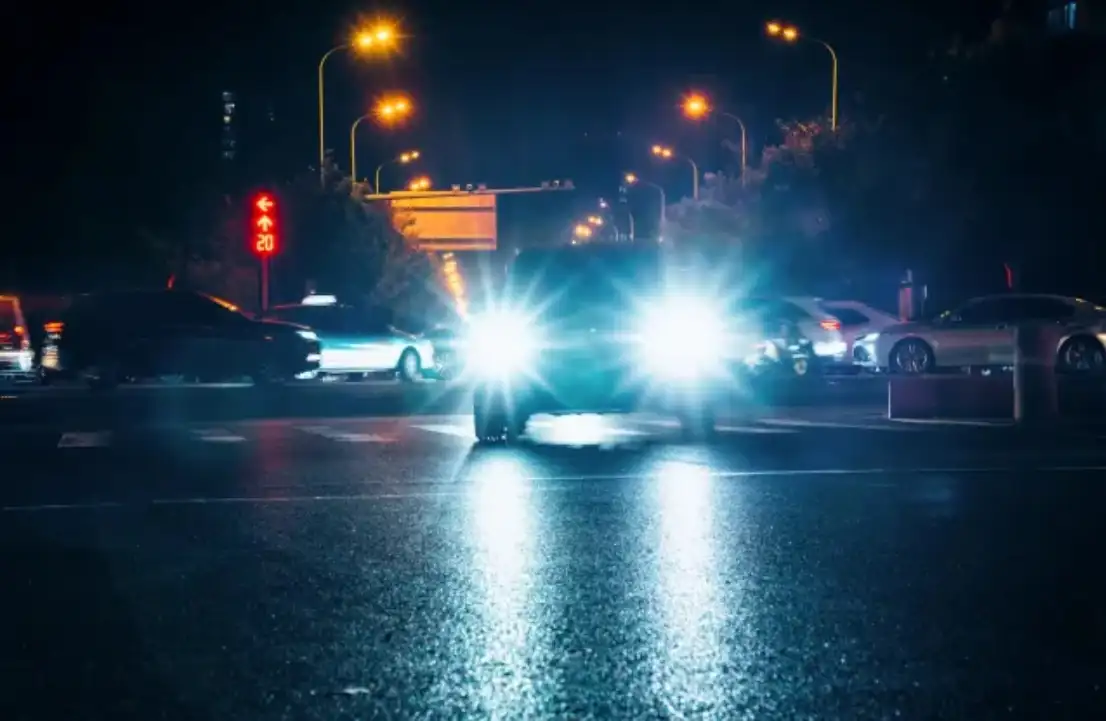
LEDs dominate 90% of 2025 models thanks to IIHS.
Driver Tips for Managing Glare
Immediate Solutions:
Problem | Solution |
|---|---|
Astigmatism glasses | Clean + updated prescription |
Vehicle height | Headlight aim adjustment |
Night driving | Anti-glare coating |
Crash reporting | Notify police post-accident |
For Owners:
Annual aim inspection
LED upgrade
Global Automotive Market Impact
IIHS drove innovation, reducing nighttime crashes worldwide. Saudi Arabia follows similar standards through SASO, making new vehicles safer locally.
Region | Lighting Standard | Improvement |
|---|---|---|
USA | IIHS | 51% Good |
Europe | ECE | Moderate |
Saudi Arabia | SASO + IIHS | Accelerating |
Headlight Ratings Future: HUD + Adaptive
Expected 2027 Developments:
Adaptive high-beam integration
Matrix LED evaluation
Rain/fog testing
IIHS research proves front headlight glare, though annoying, poses minimal danger compared to poor visibility, with remarkable improvement from 1% to 51% Good ratings between 2016-2025 driven by IIHS pressure on manufacturers. This progress reduces nighttime crashes globally and elevates safety standards across Middle East markets, paving way toward intelligent, safer lighting future with adaptive and matrix LED technology.