
- Wheel Damage Risk Matrix: By Mistake & Impact
- 1. Ignoring Potholes & Road Hazards: Silent Rim Assassins
- 2. Neglecting Tire Pressure: The Invisible Cushion Killer
- 3. Skipping Alignment & Tire Rotation: Uneven Wear Doom
- 4. Overtightening Lug Nuts: The Crusher You Control
- 5. Curb Rash: Corrosion's Open Door
- Damage Prevention Maintenance Schedule: GCC Edition
- Prevention vs Repair
- Advanced Wheel Protection Technologies
- Driving Style Modifications for Wheel Longevity
- Wheel Damage Warning Signs: Act Immediately
Many drivers underestimate how fragile wheels can be despite their robust appearance, where seemingly minor oversights like hitting potholes or skipping tire pressure checks trigger cascading damage leading to thousands in repairs. This comprehensive guide details five critical mistakes causing big wheel damage, offering GCC-specific prevention strategies and maintenance schedules to protect your investment. With average pothole repair costs reaching AED 1,500 per incident in UAE roads, proactive awareness transforms routine driving into wheel longevity mastery.
Wheel Damage Risk Matrix: By Mistake & Impact
1. Ignoring Potholes & Road Hazards: Silent Rim Assassins
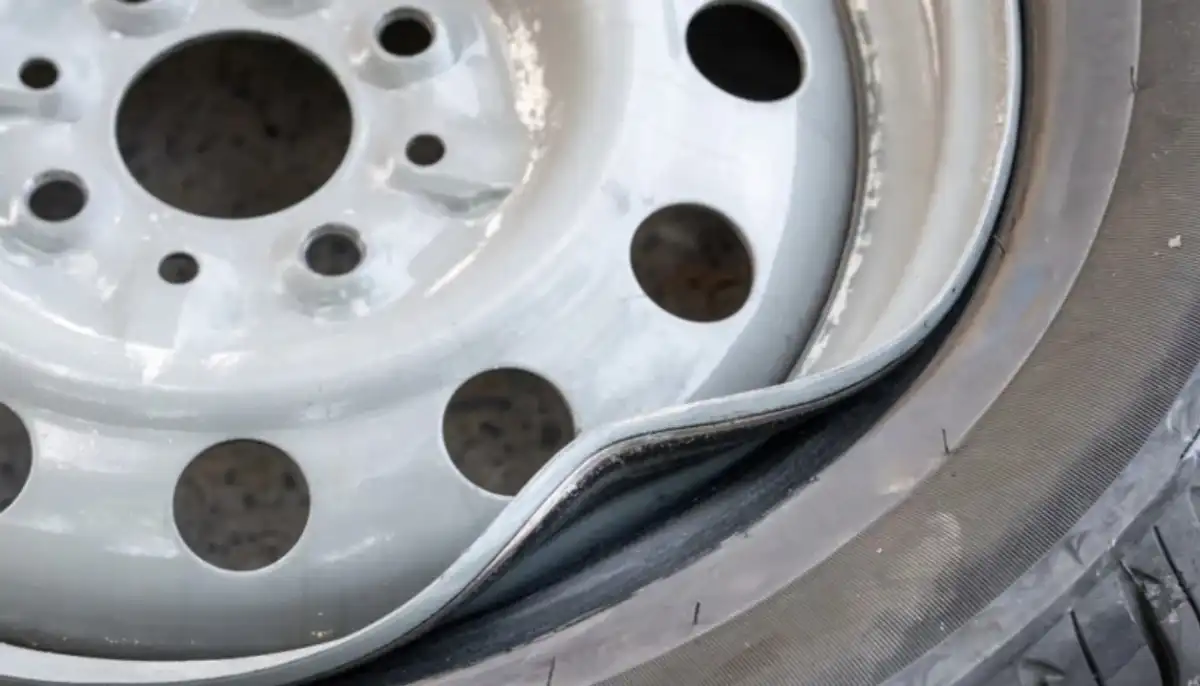
Damage Mechanism: High-speed impacts (60+ km/h) transfer shockwaves bending alloy rims 3-5mm, creating hairline cracks invisible initially.
GCC Reality: UAE roads average 200 potholes/km in construction zones; Cybertruck owner paid AED 125,000 for single hit.
Symptoms: Vibration above 80 km/h, steering pull, TPMS warning.
Prevention: Slow to 20 km/h over bumps, use navigation apps marking hazards, inspect after desert drives.
Fix: Alloy repair AED 800/wheel (Dubai specialists), full replacement AED 3,000+ for premium rims.
2. Neglecting Tire Pressure: The Invisible Cushion Killer
Science: Underinflation >25% eliminates shock absorption; rims take 80% direct pothole force vs 20% with proper PSI.
Myth Busted: Visual checks miss 20-30% deflation; TPMS activates only at 25% loss.
Temperature Effect: GCC summer heat drops pressure 1 PSI/10°C rise—check weekly.
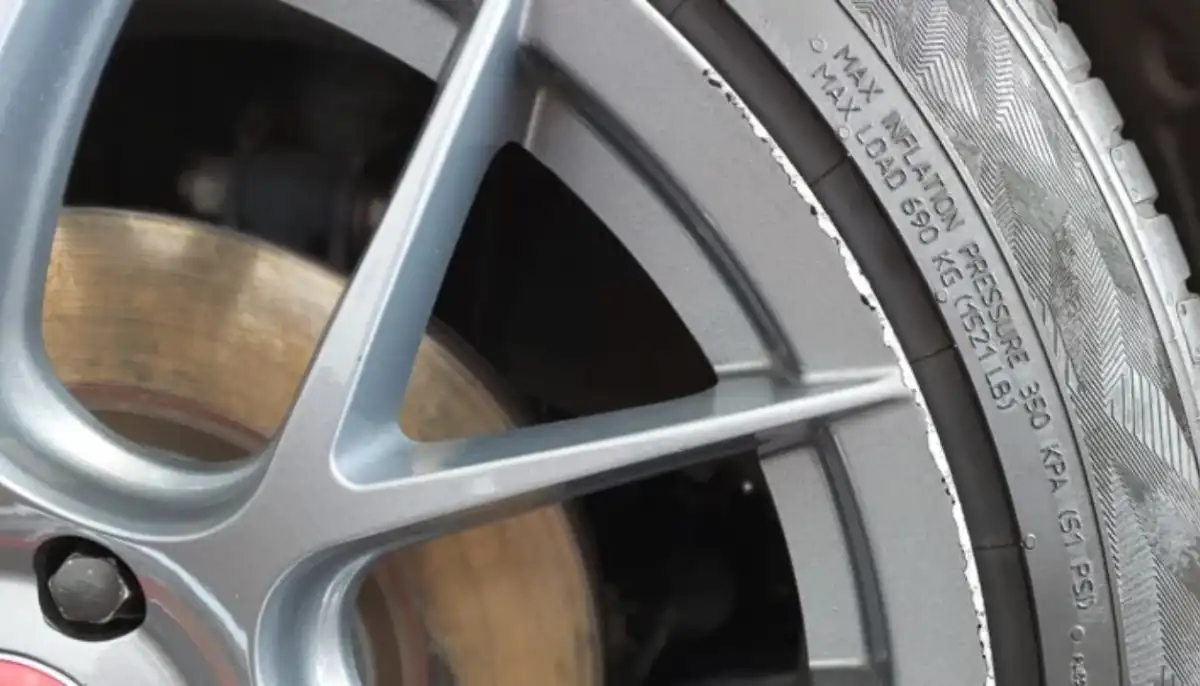
Correct PSI: Door jamb sticker (never sidewall max), maintain ±2 PSI.
Consequences: Bead separation (tire detaches from rim), heat buildup causing sidewall blowouts.
3. Skipping Alignment & Tire Rotation: Uneven Wear Doom
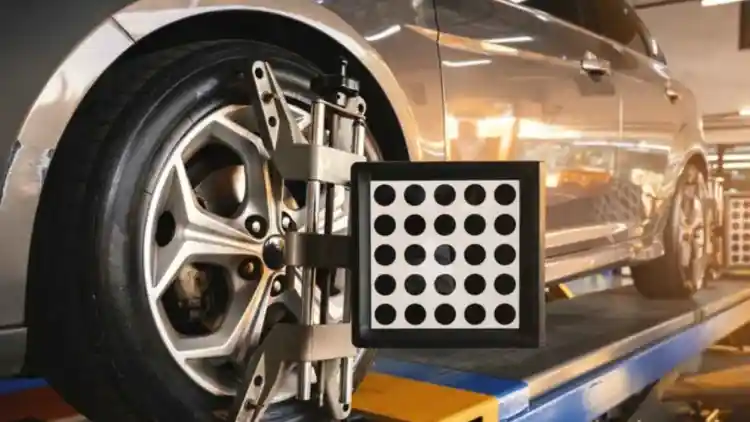
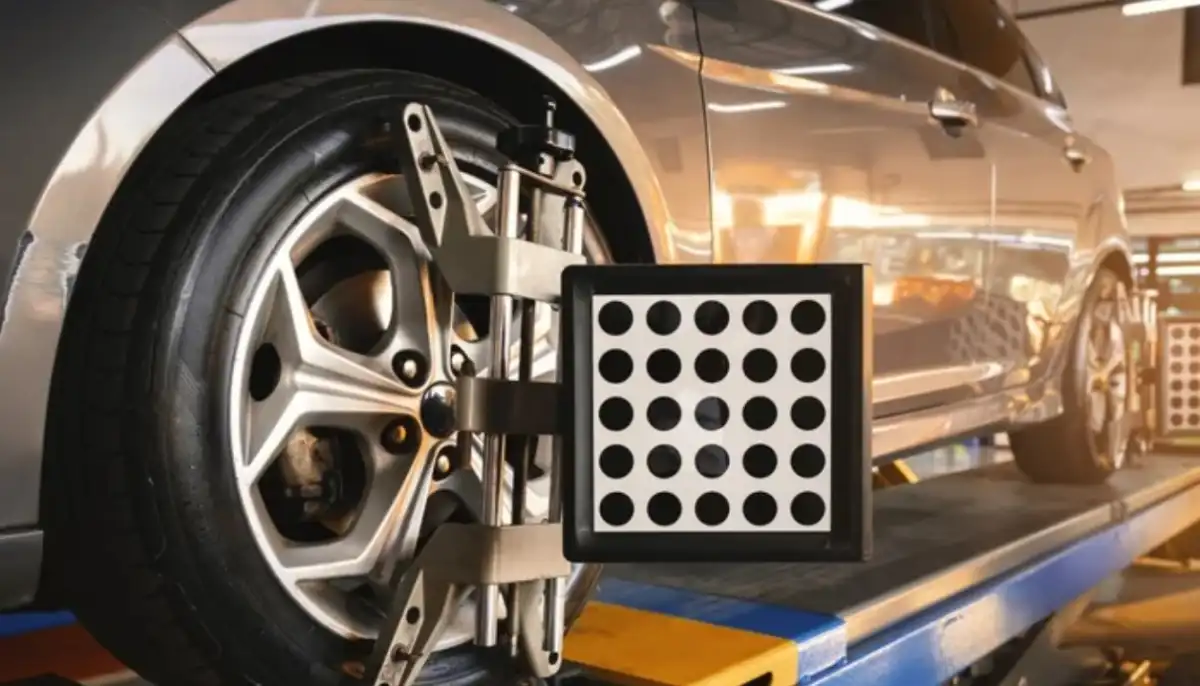
Misalignment Impact: 1° off causes 30% inner/outer wear; creates vibration loosening wheel assemblies.
Rotation Schedule: Every 8,000-10,000 km prevents 50% premature wear; front/rear swap pattern.
GCC Factor: Camber changes from speed humps/sand driving demand checks every 6 months.
Hidden Danger: Worn patches cause highway blowouts damaging rims at 120 km/h.
Maintenance Cost: Alignment AED 250, rotation AED 150—saves AED 2,000 tire sets.
4. Overtightening Lug Nuts: The Crusher You Control
Physics: Excess torque >120 Nm warps aluminum wheels, strips stud threads under braking stress.
DIY Disaster: Impact wrenches deliver 200-400 Nm unpredictably; "tight as possible" fails.
Proper Technique: Star pattern tightening to spec (manual lists 90-130 Nm), recheck after 100 km.
Damage Signs: Galling on lug seats, wheel cracks radiating from holes.
Safety Risk: Weakened studs snap during cornering, causing wheel detachment.
5. Curb Rash: Corrosion's Open Door
Micro Damage: Scratches expose alloy to salt/moisture; rust forms within 48 hours in humid GCC climate.
Progressive Effect: 1mm gouge expands to 5mm corrosion pit within 6 months without repair.
Parking Technique: Angle mirrors down, leave 10cm clearance, use parking sensors.
Aesthetic vs Structural: Surface rash leads to 40% strength loss over time.
Repair: Diamond-cut refinishing AED 400/wheel prevents further decay.
Damage Prevention Maintenance Schedule: GCC Edition
Weekly: Tire pressure check (morning, cold tires), visual rim inspection.
Monthly: Torque check (100 km post-rotation), clean brake dust (pH-neutral wheel cleaner).
Every 10K km: Rotation + alignment + balance (AED 500 package).
Annually: Professional rim inspection, corrosion protection coating.
Post-Incident: Drive 50 km, recheck torque/alignment after pothole/sidewall hits.
Prevention vs Repair
Advanced Wheel Protection Technologies
TPMS+ Systems: Real-time pressure alerts via smartphone apps.
Run-Flat Tires: 80 km driving post-puncture prevents rim damage.
Ceramic Coatings: PFO-free nano-sealants resist corrosion 5x longer.
Smart Suspension: Adaptive damping reduces impact transmission 30%.
GCC Recommendation: Porsche/BMW self-sealing tires for highway safety.
Driving Style Modifications for Wheel Longevity
Cornering: Brake before apex, smooth throttle—reduces lateral 2G forces.
Speed Bumps: 10-15 km/h perpendicular crossing, full suspension travel.
Parking: Reverse approach for visibility, never "kerb feel" technique.
Highway: Maintain 100-110 km/h sweet spot minimizing bump amplification.
Off-Road Light: 15 PSI sand pressure, avoid rocky sections.
Wheel Damage Warning Signs: Act Immediately
Vibration Patterns: Speed-specific (80+ km/h = bent rim), steering wheel (alignment).
Visual Cues: Lip dents, spoke cracks, powder-coated paint bubbles (corrosion).
Performance: Pulling requiring constant correction, reduced MPG from drag.
Audible: Humming post-pothole, clicking from loose lug hardware.
Emergency: Sudden pressure loss + shake = stop safely, call roadside.
In conclusion, these five seemingly minor mistakes represent the primary culprits behind catastrophic wheel damage costing GCC drivers millions annually, from pothole-induced rim cracks to corrosion eating through curb rash entry points. Implementing the structured maintenance schedule and driving modifications outlined transforms wheel care from reactive crisis management to proactive longevity strategy, saving thousands while maintaining optimal safety and performance. In harsh regional conditions where roads claim 30% more rims than temperate climates, vigilance becomes competitive advantage—your wheels deserve championship protection.