
- Comprehensive Tech Comparison: Hydrogen vs Electricity
- Saudi Hydrogen Projects: The Rising Giant
- EV Infrastructure: Rapid Spread
- Operating Costs Saudi 2026: Realistic Comparison
- Practical Applications: Where Each Wins
- Vision 2030 Impact: Concrete Targets
- Gulf Environment Challenges
- Available 2026 Saudi Cars Comparison
- Future Scenarios: 2030 Predictions
- Saudi Buyer Tips 2026
Saudi Arabia intersects in 2026 between two clean mobility paths: quick-refueling hydrogen fuel cell cars and growing battery EV infrastructure within Vision 2030 and net-zero 2060 frameworks. With hydrogen taxi launches and NEOM's 600-ton daily output, the Kingdom faces strategic choices leveraging oil expertise into green hydrogen opportunities. This report compares technologies, infrastructure, and practical Gulf applications.
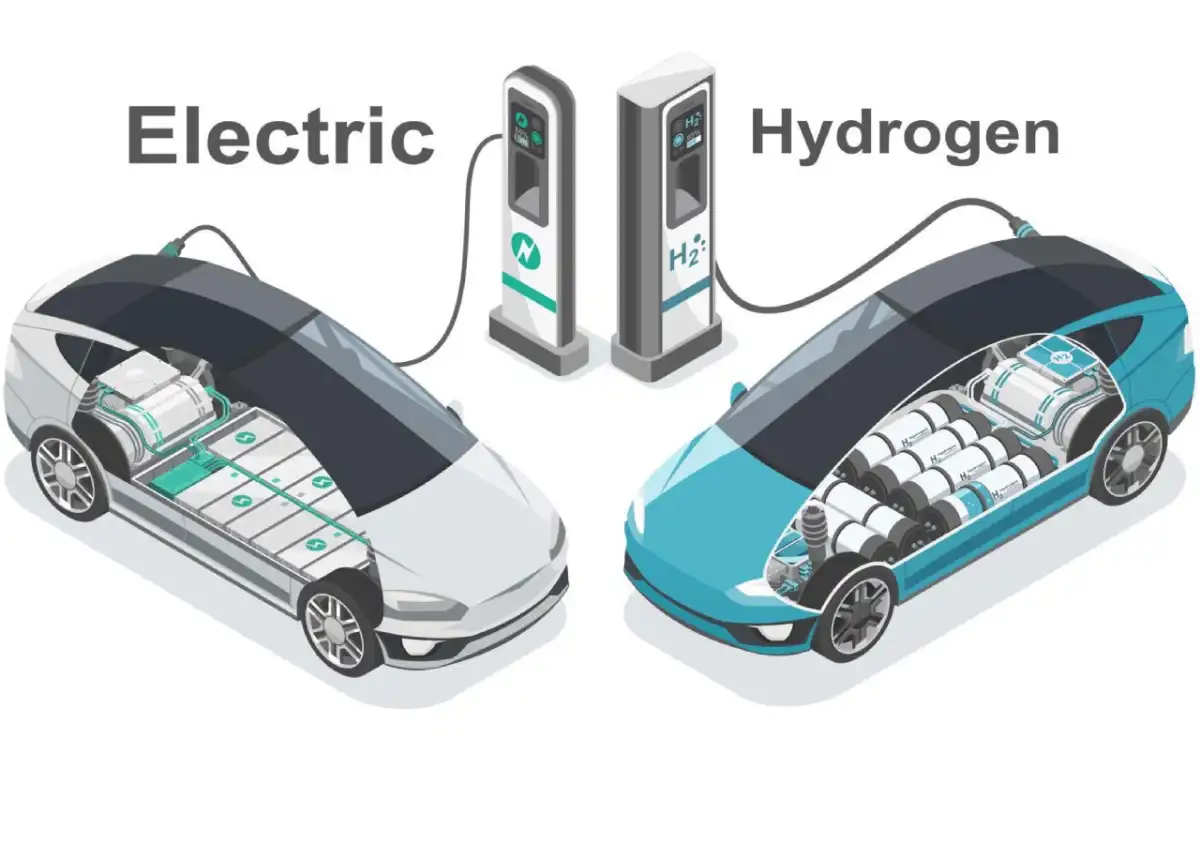
Comprehensive Tech Comparison: Hydrogen vs Electricity
Hydrogen excels long trips; electricity daily cost.
Saudi Hydrogen Projects: The Rising Giant
NEOM Taxi Trial: Toyota Mirai 8 hrs/350 km, 3-min refuel via AHG.
NEOM Plant 2026: 600 tons green H2 daily, 1.2M tons ammonia, $8.5B investment.
PIF: $10B green hydrogen production, Aramco/ACWA Power partnerships.
Hyundai Buses: UNIVERSE FCEV testing in Trojena mountains/desert.
Extreme H Race: Global series in Qiddiya 2025 with extreme H2 cars.
EV Infrastructure: Rapid Spread
Saudi EV Network: 5K stations by 2030, 1K now Riyadh/Jeddah/Dammam.
Lucid Air: Jeddah factory 150K cars/year, 830 km range, 320 km/20 min charge.
Tesla KSA: Riyadh store sells Model Y, Superchargers 20 cities.
2030 Policy: 15% EV customs exemption, free airport charging.
Challenges: Desert coverage limited, AC cuts range 30%.
Operating Costs Saudi 2026: Realistic Comparison
Hydrogen costlier now but drops 40% by 2030 w/NEOM.
Practical Applications: Where Each Wins
Taxis/Uber: Hydrogen (fast refuel, 20 hr daily).
Family Cars: EV (low cost, home charge).
Heavy Trucks: Hydrogen (1K km range, higher payload).
Desert/Heat: Hydrogen (better cooling, stable performance).
Cities: EV (ready infra, quiet).
Vision 2030 Impact: Concrete Targets
50% Renewable Power 2030: Sudair solar 1.5 GW offsets 2.9M tons CO2.
NEOM H2: World's largest, exports Europe/Asia.
Investments: $44B regional by 2030, KSA 15% blue H2.
Partnerships: Toyota, Hyundai, Aramco, KAUST research.
2060 Goal: Net zero, H2 20% energy.
Gulf Environment Challenges
Hydrogen: Limited infra (20 stations target 2030), $4/kg production.
Electricity: 40% range loss at 50°C, grid pressure.
Shared: Skill shortage, import costs batteries/cells.
Solutions: Local training, NEOM production.
Available 2026 Saudi Cars Comparison
Future Scenarios: 2030 Predictions
H2 Scenario: 20% market (trucks/taxis), 100 stations, 600 tons/day export.
EV Scenario: 60% private cars, 10K stations, 50% sales.
Hybrid: H2 heavy + EV light, like Germany/Japan.
Prediction: KSA H2 industrial leader + consumer EV.
Saudi Buyer Tips 2026
Business: H2 fleets, early station investment.
Individuals: Urban EV, wait H2 for long trips.
Financing: 0% EV loans, govt H2 subsidies.
Maintenance: Toyota/Hyundai networks ready, Lucid emerging.
In 2026, Saudi leads dual revolution blending Vision 2030 H2 ambitions with EV expansion, hydrogen dominating long-haul heavy while electricity rules economical daily. With NEOM as global pivot, Kingdom becomes green H2 exporter alongside growing EV market, achieving strategic energy independence balance and clean exports. Saudi mobility future isn't one choice but elemental symphony serving ambitious vision