

- The tractor man who fell in love with fast cars
- The problem with Ferrari: it all starts with the clutch
- From wounded pride to a new badge on the nose
- The first fruits of the challenge: 350 GT then 400 GT
- The real explosion: Miura – the car that redefined the supercar
- How Lamborghini changed Ferrari’s mindset
- The story’s impact on supercar culture today
- Is that fighting spirit still alive today?
The tractor man who fell in love with fast cars
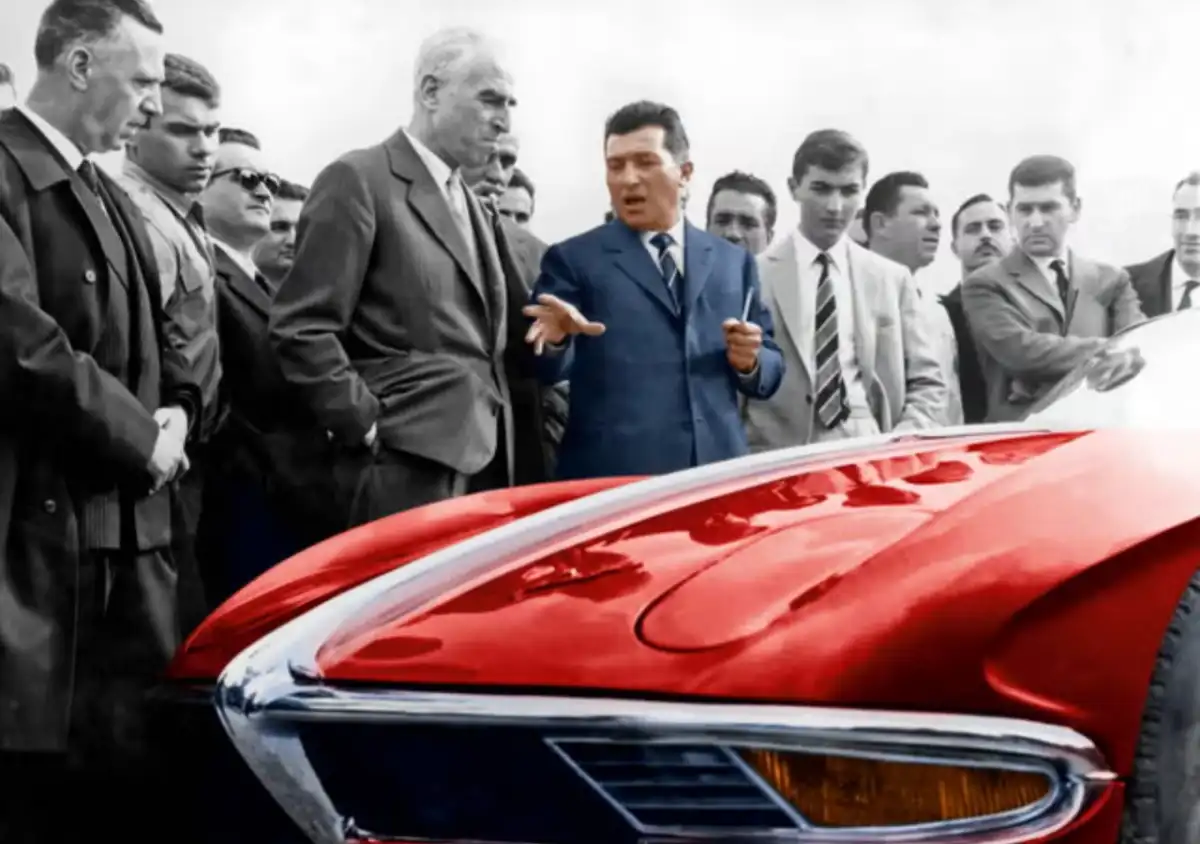
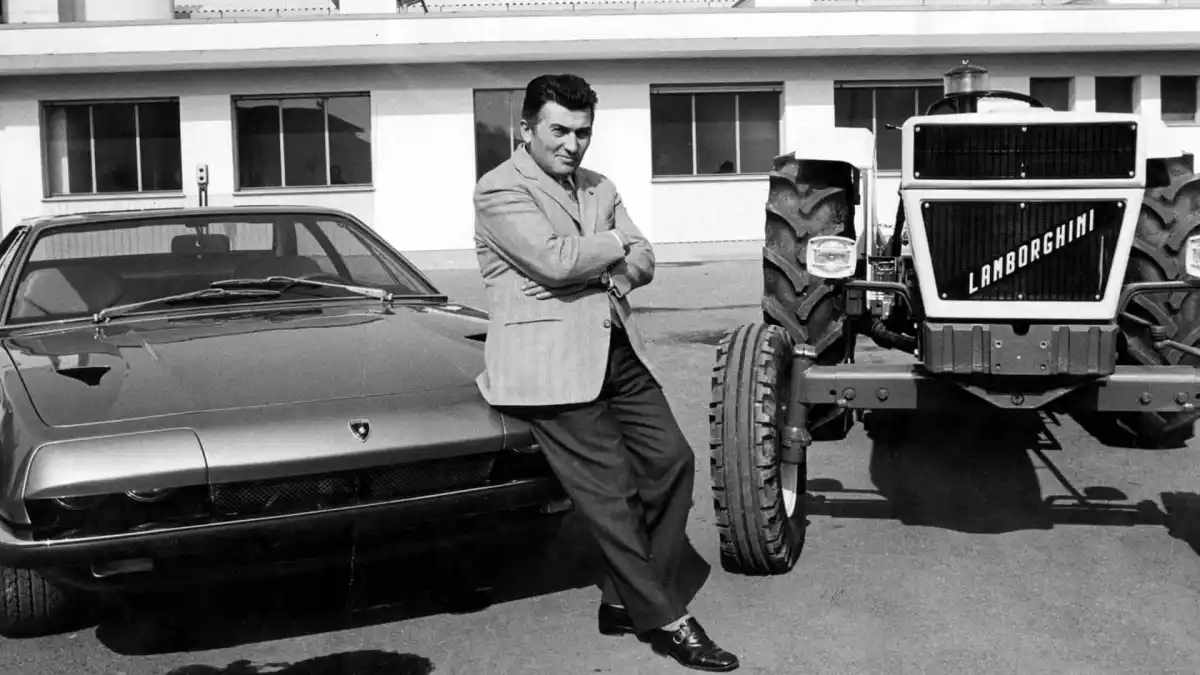
Ferruccio Lamborghini began his career after World War II building agricultural tractors from leftover military hardware, and he was wildly successful, becoming one of Italy’s wealthy industrialists.
As his business flourished, he started buying high‑end sports cars, including models from Alfa Romeo, Maserati, and finally Ferrari, which at the time represented the pinnacle of sports cars.
Thanks to his mechanical background, Ferruccio was never just a “regular customer”; he noticed the smallest technical details and constantly compared them to the mechanical world he knew so well.
An important idea:
Lamborghini didn’t enter the car world driven only by a childhood dream, but as a practical businessman who believed there was room to improve what Ferrari was offering.
The problem with Ferrari: it all starts with the clutch
One of the most famous stories says Ferruccio constantly suffered clutch problems in the Ferraris he owned.
Because of his mechanical sensitivity, he discovered that the clutch Ferrari was using was essentially the same type as the one he used in his tractors – but sold at a much higher price simply because it was fitted to a “Ferrari”.
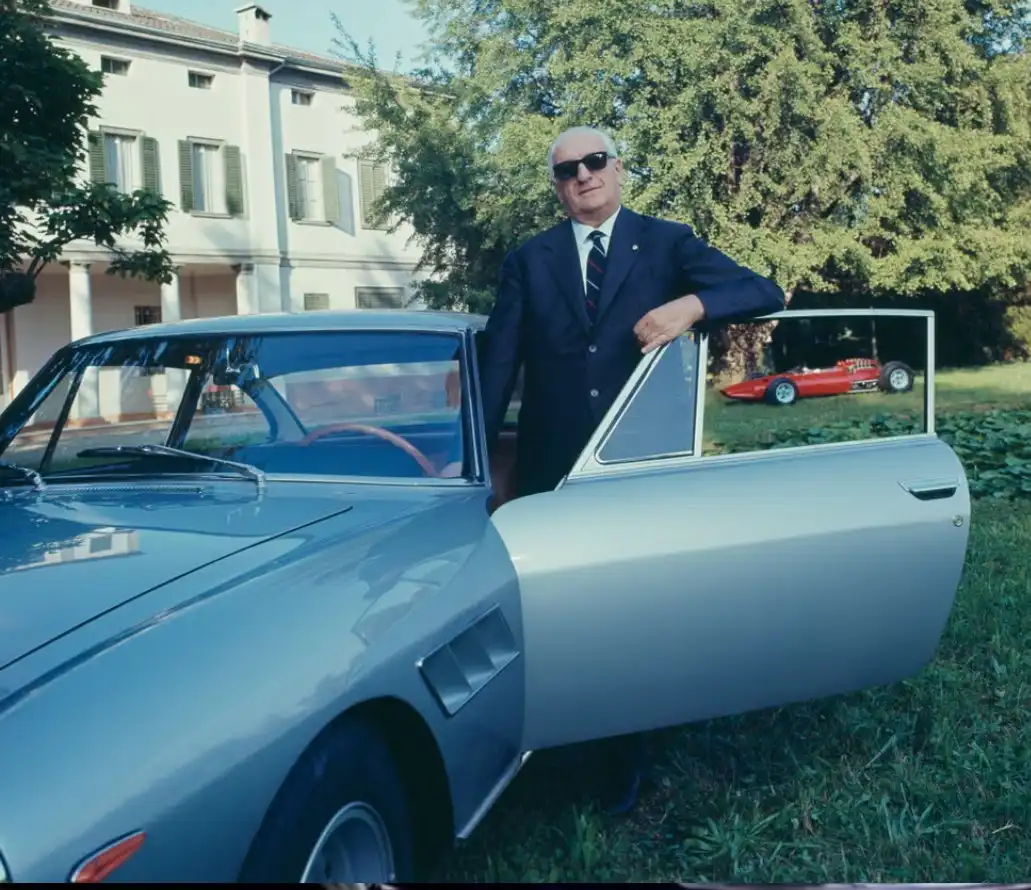
Ferruccio decided to go personally to Enzo Ferrari to propose improvements to the car, especially to the clutch system, and perhaps to supply a better, more durable component.
The pivotal scene
Here the versions differ, but the essence is that Enzo Ferrari did not take kindly to criticism from a “tractor man”. He is credited with a now‑famous line – told in various forms – whose meaning was:
“You’re a tractor manufacturer. Worry about your tractors and leave sports cars to us.”
Whether it was said that harshly or not, the insult struck at Ferruccio’s pride… and became the moment that changed the history of supercars.
From wounded pride to a new badge on the nose
After this encounter, Ferruccio decided that the best answer to Enzo Ferrari would not be words, but a car.
He used his fortune from the tractor business to found a sports‑car company bearing his name: Automobili Lamborghini in the early 1960s.
His goal wasn’t to copy Ferrari, but to offer a luxury grand tourer (GT) that was fast yet more comfortable and usable every day than Ferrari’s wild, race‑biased, high‑maintenance machines.
Lamborghini’s early philosophy:
A relatively comfortable cabin.
Striking, unconventional exterior design.
Powerful engines, but with a smoother, more relaxed driving character on long journeys compared with race‑derived street cars.
The first fruits of the challenge: 350 GT then 400 GT
The first production car Lamborghini launched was the 350 GT in 1964, powered by a V12 engine designed by the legendary Giotto Bizzarrini.
The car was warmly received by the press and customers, proving that the “tractor maker” was capable of building a refined, high‑end sports car that could compete with the big names.
It was followed by the 400 GT, with improvements in performance and comfort, which cemented Lamborghini’s name as a new but serious player.
Here’s the crucial detail:
Lamborghini didn’t stop at proving it could build a car; it marched straight into Ferrari’s territory: luxury GT sports cars with big front‑mounted engines and rear‑wheel drive.
The real explosion: Miura – the car that redefined the supercar
Even though the seed of the rivalry was planted by a clutch dispute, the true leap came with the Lamborghini Miura in the late 1960s:
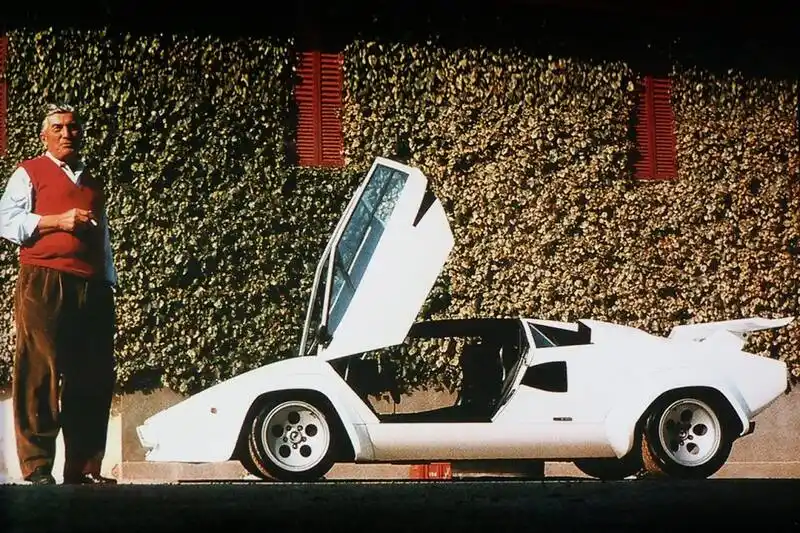
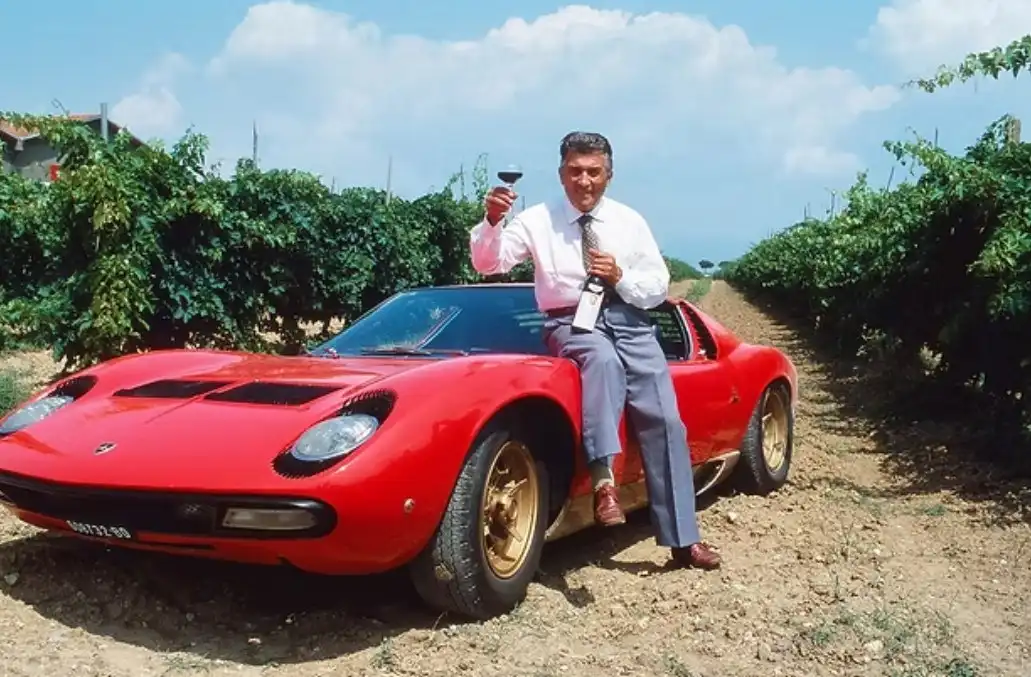
Miura was launched as a revolutionary concept with a mid‑mounted V12 (behind the seats and ahead of the rear axle), styled by Bertone’s team under Gandini.
At a time when Ferrari still focused on front‑engined layouts for its road cars, the Miura told the world: a road‑going supercar can have a mid‑engine layout just like a race car.
Many consider the Miura the first modern “supercar” in history in terms of the formula: radical design + mid‑engine + astonishing performance + genuine rarity.
At this point, Ferruccio’s personal challenge had turned into a technical and design revolution that changed Ferrari’s own thinking later on, pushing it to adopt mid‑engined layouts more aggressively for road cars.
Diverging philosophies: prancing horse vs raging bull
The early differences between Ferrari and Lamborghini can be summed up as follows:
Spirit:
Ferrari: centered on racing; road cars were essentially an extension of the race program.
Lamborghini: focused on road cars first, with a strong show‑car attitude and a more “provocative” design language.
Everyday experience:
Classic Ferraris were cars that demanded an expert driver and a tolerance for stiffness and noise.
Lamborghini tried to be more stable and comfortable on long journeys while still unleashing a wild character when pushed.
Brand image:
Ferrari = the prancing horse, racing money, Formula 1 history.
Lamborghini = the raging bull, challenging the establishment, rebelling against the “old guard”.
This contrast created a different kind of appeal: some people saw Ferrari as pure motorsport emotion, while others felt Lamborghini represented defiance, madness, and a stronger personal statement.
How Lamborghini changed Ferrari’s mindset
As Lamborghini kept scoring hits, it forced Ferrari to:
Take mid‑engined road cars for the street market seriously.
Pay more attention to the “theatrical” side of design, not just pure functional performance.
Accept that there were customers who wanted supercars they would never take to the track — only on city streets and highways.
In other words, Ferrari’s insult pushed Lamborghini into existence, and Lamborghini’s success pushed Ferrari to broaden its own definition of a supercar.
The story’s impact on supercar culture today
The rivalry between Ferrari and Lamborghini has become part of supercar folklore:
Many new carmakers dream of being “the next Lamborghini” challenging a dominant giant.
The idea of “responding with a car instead of words” is now legend, often cited when a small manufacturer launches something disruptive.
Even today, customers love the narrative that Lamborghini was born from wounded pride, because it gives the car an emotional backstory.
Is that fighting spirit still alive today?
Today, both Ferrari and Lamborghini belong to big groups, and environmental rules and electronics have reshaped the game. But:
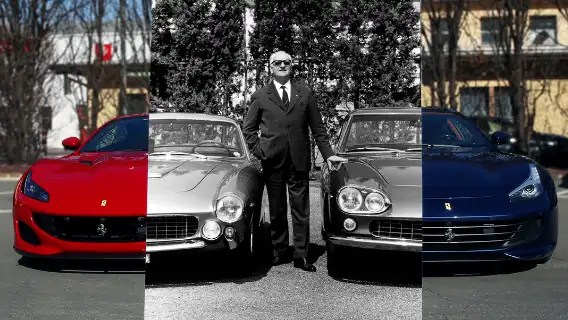
Ferrari still sees itself as the reference point for performance, precision, and race‑derived technology.
Lamborghini remains committed to shock‑and‑awe design, explosive sound, and theatrical personality, even as it moves into hybrids like the Revuelto.
In other words, the spark first ignited by Enzo’s words is still feeding the fire of competition even in the age of electrification and hybrids.