

- A simple job that becomes a double bill
- How the alternator and serpentine belt work together
- A brief historical look: from old generators to today’s system
- Why replacing the belt with the alternator is a smart move
- 1) Same work area, same disassembly
- 2) A wear item with a limited life
- 3) A critical role beyond the alternator
- An important exception: mild hybrid vehicles
- Signs that your serpentine belt is nearing the end
- What happens if you ignore the belt when replacing the alternator?
- when to change the belt with the alternator
A simple job that becomes a double bill
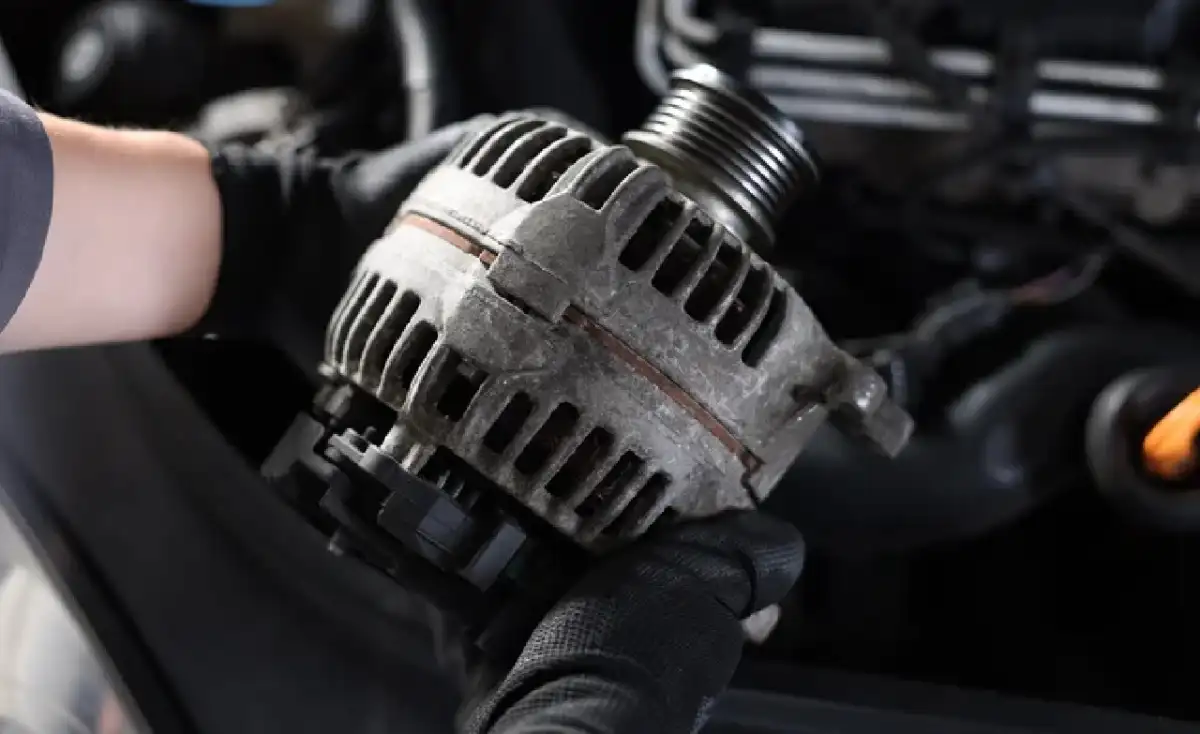
When an alternator fails, most owners immediately think of replacing it as a single, standalone part, assuming the serpentine belt is still “good enough.” In professional workshops, however, there is a well‑known rule: if you have to remove a major component to reach another, and that removed component is a cheap wear item with some age on it, it usually makes sense to replace it during the same job. In most internal combustion cars, you cannot remove the alternator without first removing the serpentine (multi‑rib, or “serpentine”) belt. That naturally leads to the question: if you have already paid for all that labor, why not install a fresh belt at the same time?
How the alternator and serpentine belt work together
To understand why changing both parts at once is logical, it helps to see how the system works as a whole.
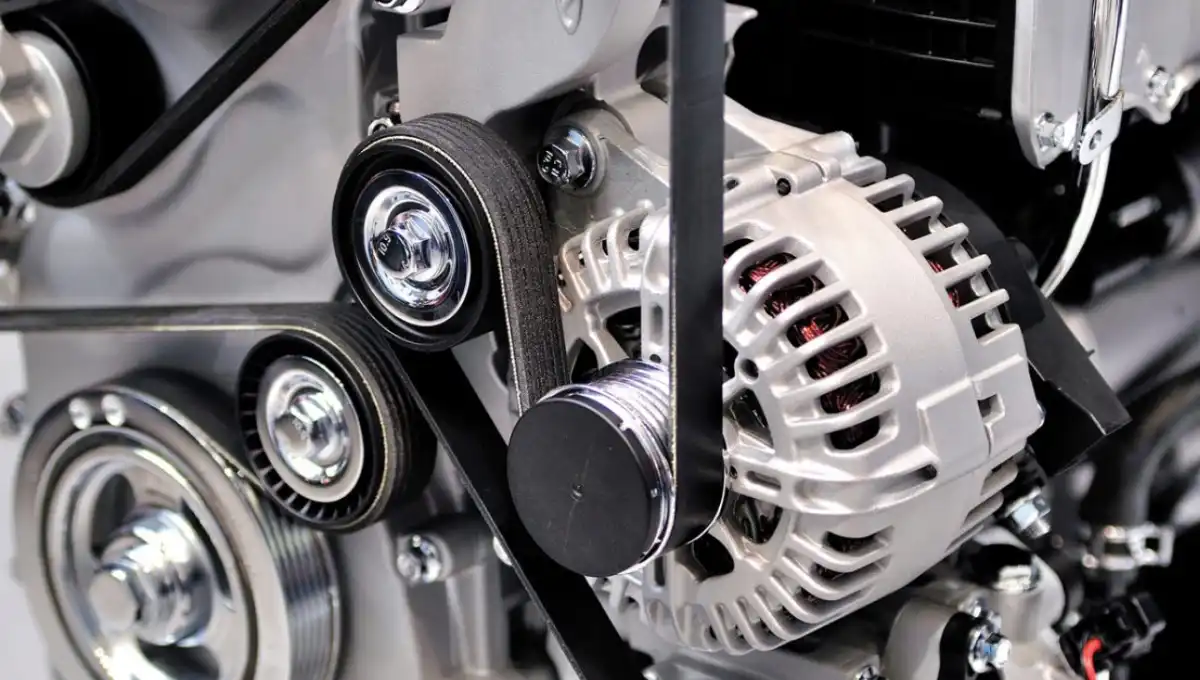
The alternator converts mechanical energy coming from the engine into electrical power that feeds the car’s electrical systems and keeps the battery charged. The serpentine belt wraps “snake‑like” around several pulleys, including:
The crankshaft pulley on the engine (the source of rotation)
The alternator pulley
Often the air‑conditioning compressor pulley
The water pump pulley
The power steering pump pulley (on vehicles with hydraulic rather than electric power steering)
Any issue with this belt means the alternator will stop spinning correctly, and your charging system will no longer function as it should.
A brief historical look: from old generators to today’s system
In the early days of the automobile, the demand for electricity was minimal; the engine mainly needed spark for the spark plugs, and starting was done by hand cranks before electric starters appeared on models like the 1912 Cadillac. As lights, wipers, radios, and other accessories were added, traditional generator systems were introduced, but they were less efficient and struggled at low engine speeds.
As electrical loads grew, manufacturers moved to modern alternators, as seen on cars like the Chrysler Valiant of the 1960s, which offered more reliable and efficient charging. The basic idea is simple:
A rotor, shaped somewhat like a ring or doughnut, is spun by the belt coming from the engine
A stator, wrapped in wire, remains fixed in the center
As the rotor spins within the magnetic field, electricity is generated and used to power the car and keep the battery topped up.
Why replacing the belt with the alternator is a smart move
1) Same work area, same disassembly
On most vehicles, you must remove the serpentine belt completely to access and remove the alternator.
Labor cost is often the largest part of the bill, while the belt itself is relatively inexpensive compared with the alternator.
If you leave the old belt in place and it fails shortly afterward, you will pay again for much of the same disassembly and reassembly work you have already paid for.
2) A wear item with a limited life
The serpentine belt is made of reinforced rubber and is designed for a finite service life, often in the 60,000–100,000 km (or mile) range.
In an era where vehicles easily exceed 200,000 km of total life, it is normal for the car to need at least one belt replacement during its service life.
If your belt is near its recommended replacement interval, or showing signs of wear, it is very logical to replace it when the alternator is being changed.
3) A critical role beyond the alternator
The belt does far more than just drive the alternator. It may also power key components such as:
The water pump: if it stops turning, engine temperature can rise quickly and cause permanent damage to the head, head gasket, or even the engine block
The hydraulic power steering pump: if it suddenly loses drive while you are moving, steering effort can increase dramatically and become a real safety concern
The air‑conditioning compressor: more of a comfort feature, but still driven by the same belt on many models
A relatively cheap belt can be the difference between normal operation and a breakdown that leaves the car stranded if it fails.
An important exception: mild hybrid vehicles
Some modern vehicles, especially mild hybrids, do not use the traditional alternator/belt setup in the same way:
Instead of a conventional alternator, they may rely on an integrated starter‑generator (ISG) combined with the engine or transmission.
In this case, the belt layout may differ, or certain functions may be performed without a classic alternator, and the charging system becomes more complex and more expensive to repair.
Replacing the “alternator” in these systems usually means dealing with a larger electrical/hybrid module that costs significantly more than a standard alternator.
Even so, the core principle still applies: whenever major work is performed in an area that requires removing an accessible belt, inspecting and replacing that belt if it is worn remains a wise idea.
Signs that your serpentine belt is nearing the end
Even if you are not currently changing the alternator, there are several warning signs that suggest the belt is due for replacement soon:
Squealing or chirping noises when you start the car or switch on the air‑conditioning
Slight flickering or fluctuation of the lights when electrical loads are applied, due to slippage or poor belt tension
Visual inspection revealing:
Cracks along or across the rubber
Frayed or damaged edges
Worn ribs or missing chunks in the grooves
A hard, glossy, “glazed” surface on the back of the belt instead of a normal matte, rubbery texture
If one or more of these symptoms is present, the belt is no longer in ideal condition and replacing it while the alternator is out is excellent preventive maintenance.
What happens if you ignore the belt when replacing the alternator?
Imagine this scenario:
You replace the alternator at significant parts and labor cost.
You leave the old belt in place because “it’s still turning.”
A few weeks or months later, the belt begins to slip badly or snaps altogether.
The consequences can include:
Weak or no charging, warning lights on the dashboard, and possibly engine stalling
Rapid engine overheating if the belt drives the water pump
Another visit to the workshop and a new labor bill to remove and refit the same components that were just serviced
In this way, not changing the belt during the first repair turns a small “saving” into a repeated cost that could have been avoided by replacing a cheap wear item during the same visit.
when to change the belt with the alternator
When asking, “Do I really need to replace the serpentine belt when I change the alternator?”, the professional answer in most cases is: yes, especially if the belt is not new or shows any signs of wear. The cost of doing both at once is usually much lower than paying for another teardown later because a tired belt failed soon after you have already paid to disassemble half the front of the engine. For any driver who wants reliable, trouble‑free daily motoring, replacing the belt along with the alternator is smart preventive maintenance, not unnecessary over‑servicing.