

- Jeep’s first full EV with a mixed identity
- Design and platform: Jeep by badge, Chrysler by character
- Cabin and quality: comfortable and practical, but not quite premium for the price
- Build and refinement: structurally solid, emotionally average
- Driving impressions: strong performance and sharp steering, with weaker brakes and ride
- Identity and positioning: Jeep by logo, Chrysler by nature
- Competition: a crowded field with stronger focus
Jeep’s first full EV with a mixed identity
The Jeep Wagoneer S Limited is the brand’s first fully electric SUV for the U.S. market, designed from a clean sheet to carry one of America’s most recognizable off‑road names into a battery‑powered future, with 500 hp, all‑wheel drive, 294 miles of claimed range, and an as‑tested price of just over $67,000.
Yet after a full week of testing on highways, in dense urban traffic, and across multiple public charging stations, one thought keeps coming back: as an electric SUV it is quick and comfortable, but it does not feel like a Jeep in the traditional sense.
Design and platform: Jeep by badge, Chrysler by character
STLA Large platform and on‑road brief
The Wagoneer S rides on Stellantis’ STLA Large architecture and presents as a two‑row midsize SUV with dual electric motors sending 500 hp and 524 lb‑ft of torque to all four wheels in Limited trim.
Higher‑output versions, unlocked via over‑the‑air software, are quoted at around 3.4 seconds from 0–60 mph, placing this Jeep firmly among the rapid electric crossovers that prioritize on‑road performance.
Soft, urban styling for a rugged badge
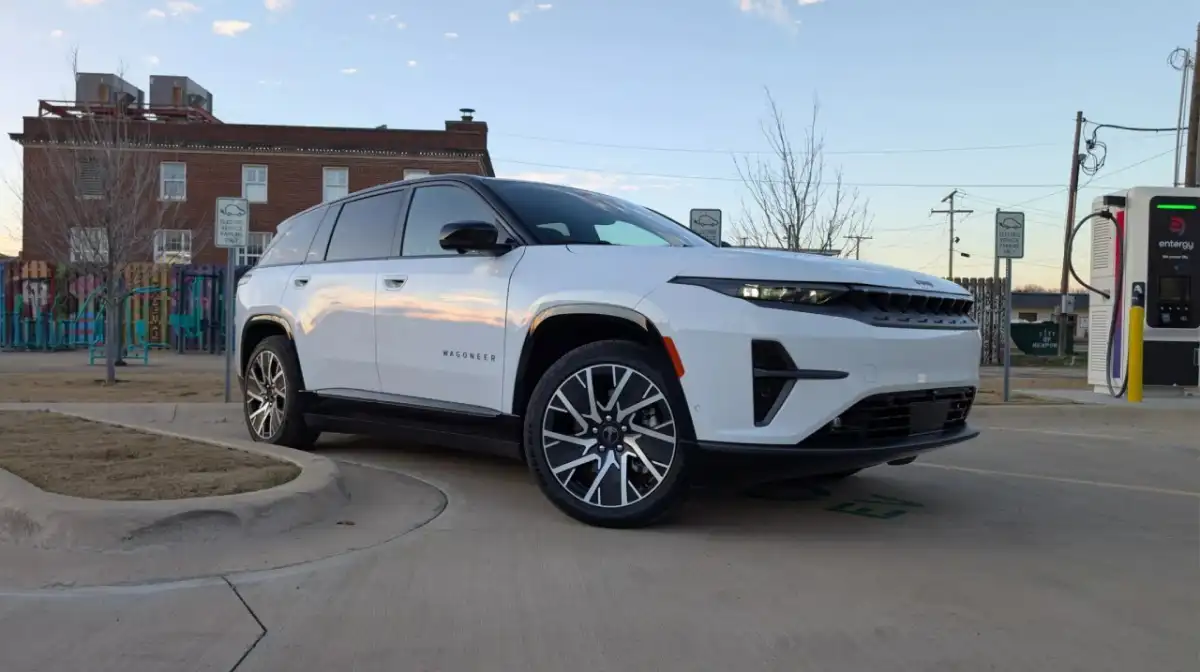
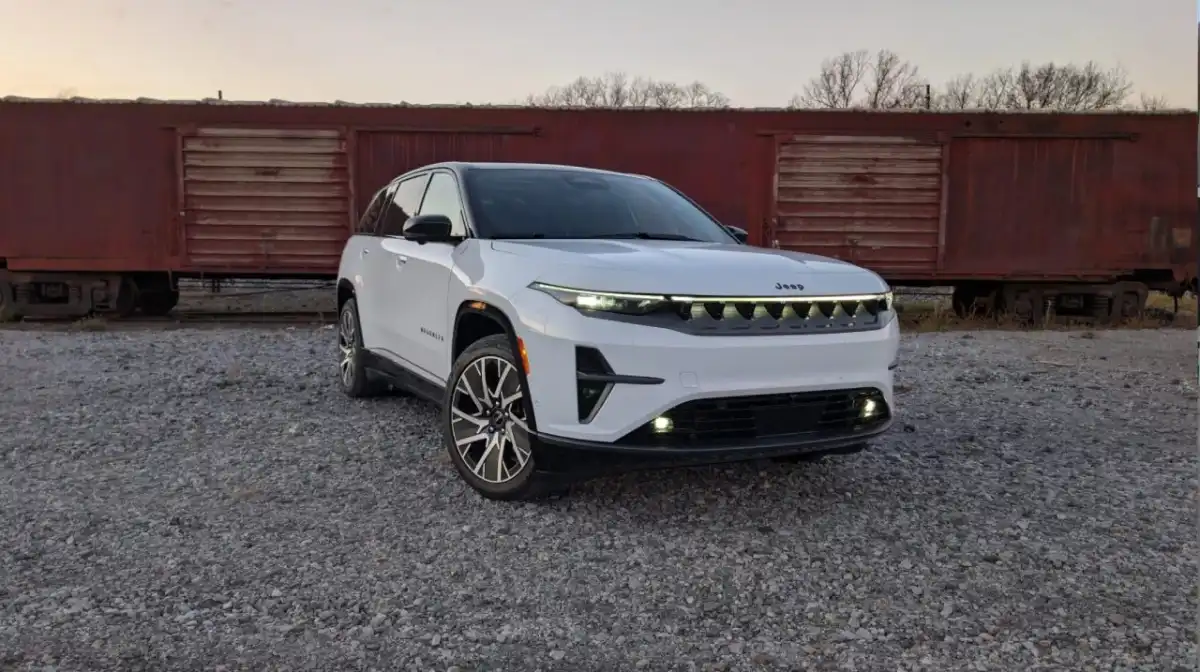
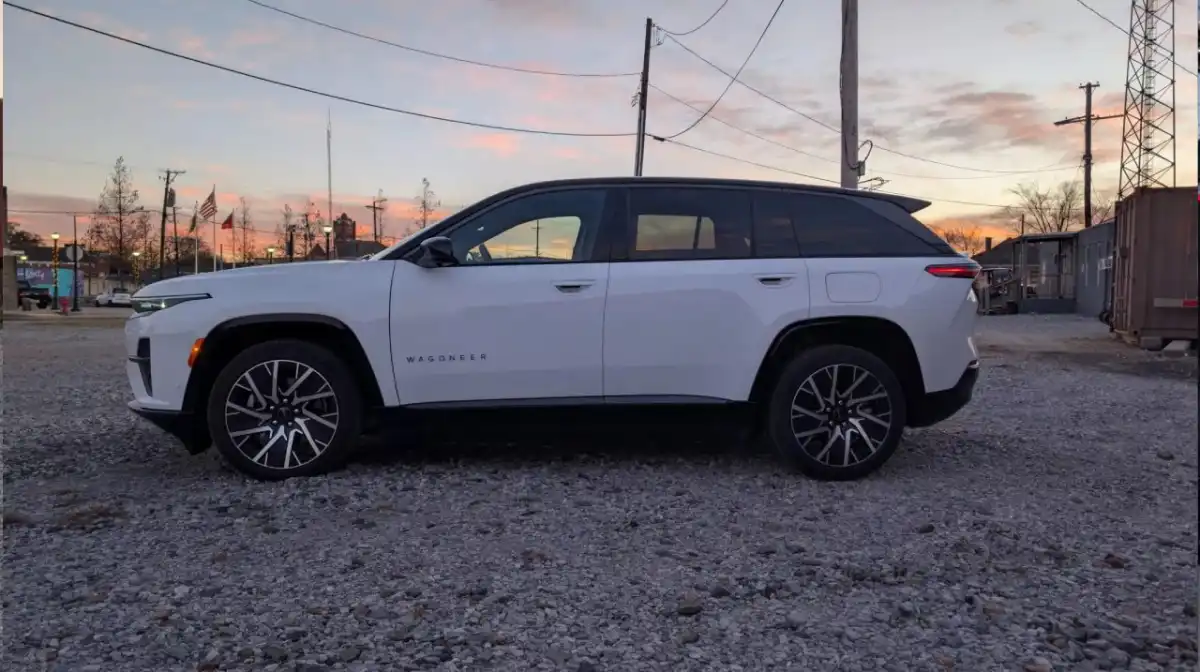
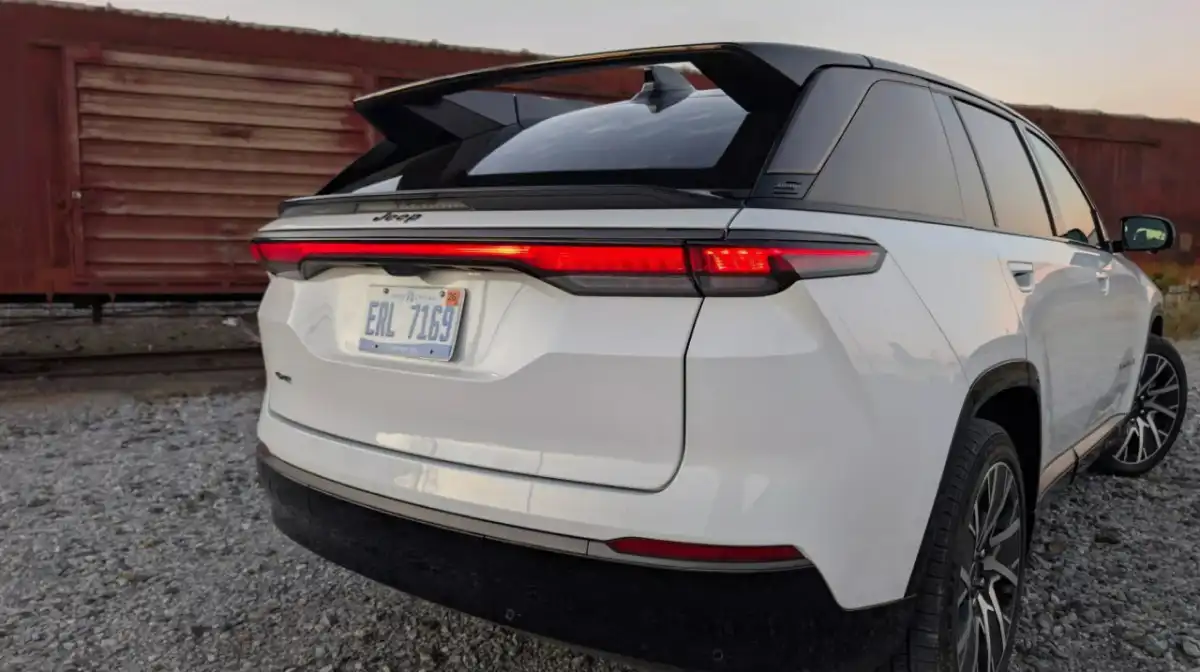
Visually, very little shouts “Jeep” beyond a stylized seven‑slot‑inspired grille; the rest of the design is sleek, smooth and understated, more in line with a refined urban crossover than a trail‑ready 4x4.
The white‑and‑black paint scheme, two‑tone wheels and prominent rear spoiler all reinforce a polished city‑car vibe, with almost no visual hint that this SUV even wants to leave the pavement.
Cabin and quality: comfortable and practical, but not quite premium for the price
Space and comfort
Front and rear seats are genuinely comfortable, with good cushioning and sensible bolstering, while rear legroom is strong for a two‑row midsize SUV and cabin packaging is smart overall.
Headroom is tight for very tall drivers, but the majority of occupants will be fine, and day‑long stints at the wheel remain largely fatigue‑free.
Spec gaps in a near‑$70k EV
At this price point, ventilated seats really should be standard, along with more comprehensive power adjustment and possibly massage; instead, some of these features remain optional.
When you compare that to what brands like Hyundai manage to offer at lower price points, the value equation becomes less flattering to the Wagoneer S.
Material mix: modern design with obvious cost‑cutting
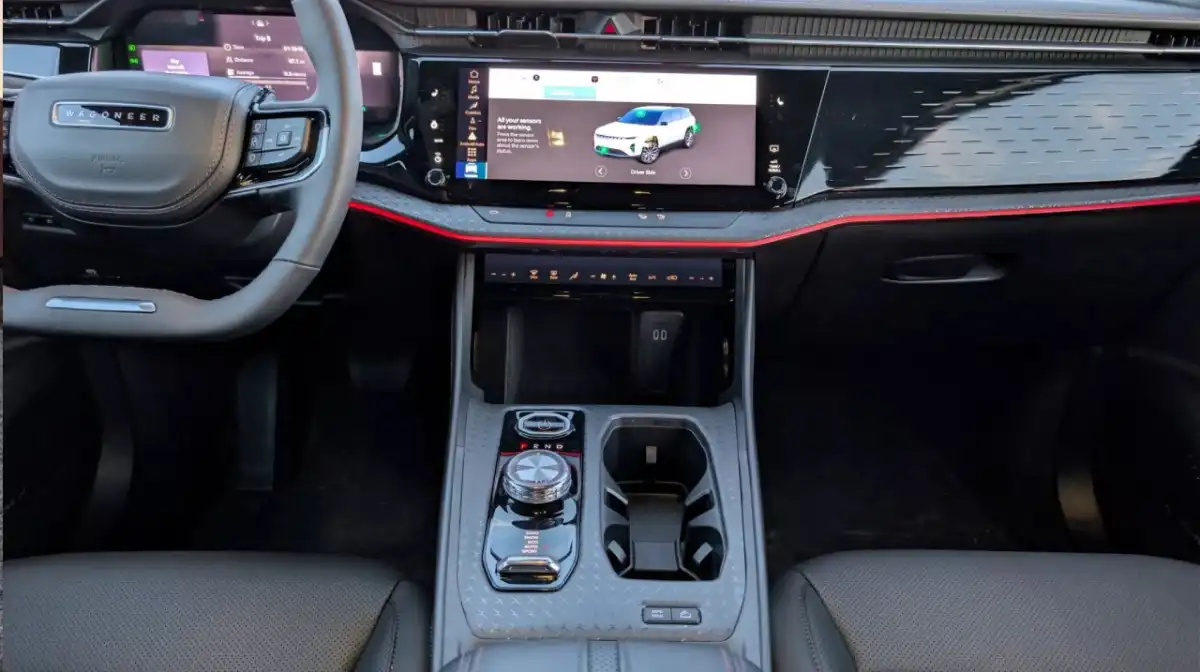
The dash layout is clean and modern, with an intuitive, mostly responsive infotainment system and an excellent digital instrument cluster that is bright, clear and sensibly configurable.
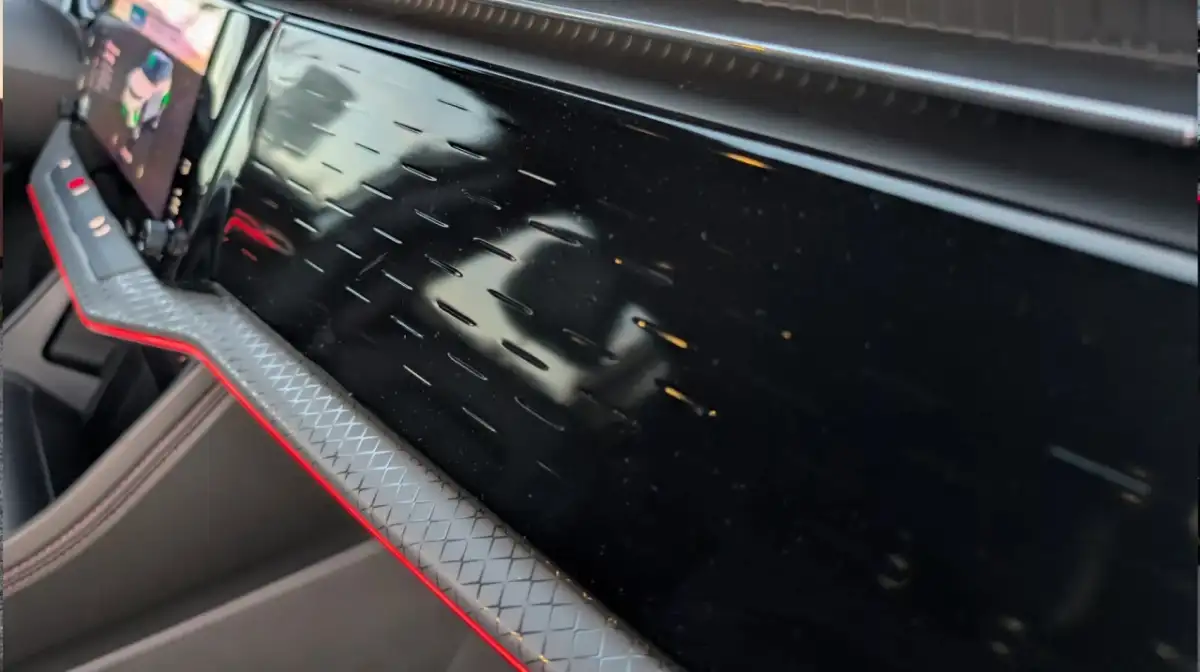
However, the huge slab of gloss piano‑black plastic ahead of the front passenger looks and feels cheap, gathers dust and fingerprints instantly, and—unless you add the optional passenger display—comes across as cost‑cutting masquerading as design.
Climate controls and touch points
On‑screen controls for the heated seats and steering wheel are slow or fussy to respond, which is particularly annoying in cold weather, while the haptic climate bar below the screen is marginally better but still inferior to physical buttons.
Build and refinement: structurally solid, emotionally average
Assembly and NVH
Contrary to internet chatter about poor build, this test car showed consistent panel gaps, no obvious rattles, and strong suppression of wind and road noise, giving an impression of solid structural quality.
Material feel versus rivals
Some details—like the feel of the air‑vent controls—are genuinely pleasing, but most surfaces do not convey the sense of luxury or distinctiveness expected at this money.
Set against similarly priced rivals from Hyundai or Cadillac, the Jeep’s cabin risks coming off as a “safe first draft” rather than a bold statement for the brand’s first U.S. EV.
Driving impressions: strong performance and sharp steering, with weaker brakes and ride
Performance and acceleration
Even without the optional power unlock, the Wagoneer S feels genuinely quick, with strong, immediate shove; performance does, however, drop off as the battery’s state of charge falls.
At 19 percent charge, the best measured 0–60 mph time was 4.85 seconds—slower than Jeep’s halo figures but still brisk, and more importantly, the SUV never feels truly sluggish in normal use.
Steering and handling
Steering is a highlight: sharp, communicative and confidence‑inspiring, with quick turn‑in, limited body roll and a willingness to change direction that makes the Wagoneer S one of those EVs that actually invites spirited driving.
Brakes that don’t quite match the pace
For a heavy SUV with this level of performance, brake feel and stopping confidence lag behind the rest of the dynamic package; nothing catastrophic happened on test, but the pedal does not inspire the trust you’d hope for.
Ride comfort and suspension tuning
On smooth or mildly imperfect roads, the ride is quiet, composed and stable, but big potholes or broken surfaces are transmitted harshly into the cabin, with sharp impacts that feel out of step with the SUV’s mission.
Given the road‑biased tyres and lack of off‑road pretence, the stiff, brittle response feels like a mismatched compromise rather than a deliberate “rugged Jeep” tuning choice.
Identity and positioning: Jeep by logo, Chrysler by nature
Where is the Jeep character?
There is no strong off‑road design language, no real sense of outdoorsy adventure, and no clear feature set that invites gravel, mud or trails; instead, everything about the experience suggests this EV’s natural habitat is tarmac.
In practice, it feels more like what a modern Chrysler halo EV could be: stylish, quiet, quick and refined, pitched at buyers who never planned to leave the asphalt.
A missed opportunity for a sister brand
Framed as a Chrysler flagship crossover—with richer standard seats, bolder colours and more overt luxury touches—the same package could have helped reboot that brand’s relevance in the EV era.
Wearing a Jeep badge, however, the Wagoneer S risks disappointing traditional Jeep fans while failing to fully capture buyers who want a premium road‑biased EV without off‑road baggage.
Competition: a crowded field with stronger focus
Direct rivals at similar prices
With a starting price around $65,200 before options, the Wagoneer S lands squarely against the likes of the Tesla Model Y Performance, Chevrolet Blazer EV SS and Ford Mustang Mach‑E GT, all of which offer comparable or better performance, interiors and range for similar money or less.
For buyers prioritising a single skill, the Hyundai Ioniq 5 N covers pure fun, while Cadillac’s Lyriq and Vistiq cater to space and comfort with strong brand positioning.
Premium options above it
Move up towards $80,000 and the Porsche Macan EV becomes a realistic alternative, underlining how badly a Jeep at this price needs a sharp, distinctive identity if it is to stand out.
The 2026 Jeep Wagoneer S Limited is an attractive, fast, mostly comfortable and genuinely enjoyable electric SUV to drive on the road, but it does not feel like a Jeep in the way most people understand the brand.
Given a different badge and a slightly richer cabin, it could have served as a modern halo EV for Chrysler; as things stand, it is a good vehicle wearing a nameplate that sets expectations it never really tries to meet.