

- Annual check or hidden insurance policy?
- First: Periodic inspection reduces accident risk
- Second: Protecting your investment and extending vehicle life
- Third: Supporting resale value and the car’s reputation
- Fourth: Inspection as a tool for changing driving behaviour
- Fifth: Periodic inspection in Saudi Arabia – between legal duty and real‑world safety
Annual check or hidden insurance policy?
For many drivers, periodic technical inspection is seen as an annoying routine or just a bureaucratic requirement to renew registration, when in reality it is the first line of defence protecting the driver, passengers and other road users from faults that could have been spotted early.
Regular inspection does more than catch obvious defects; it also reveals silent wear in critical systems such as brakes, steering, suspension and tyres—components that can give a falsely reassuring feeling if the driver relies only on day‑to‑day driving feel.
First: Periodic inspection reduces accident risk
Early detection of critical faults
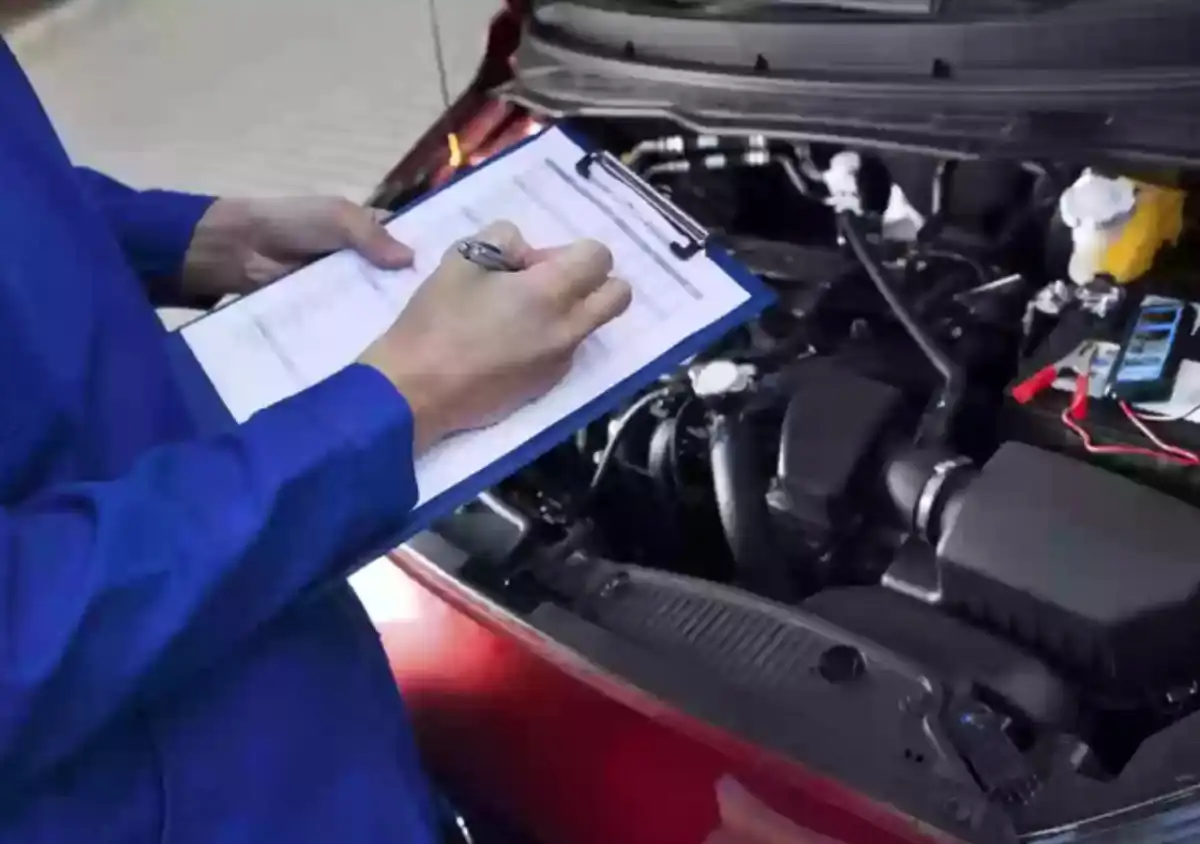
The inspection process tests brake efficiency, tyre condition, and the integrity of suspension and steering systems, helping to identify issues that could otherwise evolve into a sudden loss of control on the road.
The inspection results give the owner a chance to fix problems in time, before they show up at the worst possible moment—an emergency stop or a high‑speed lane change.
Raising fleet safety at community level
When vehicles on the road are all held to a minimum technical safety standard, the likelihood of accidents caused by mechanical neglect—not just driver error—drops significantly.
This cumulative effect improves overall road safety and reduces pressure on emergency services and the healthcare system dealing with crash consequences.
Second: Protecting your investment and extending vehicle life
Stopping slow, expensive damage in its tracks
Many failures are not sudden; they start as minor issues in small components and, over time, cascade into damage in far more costly parts.
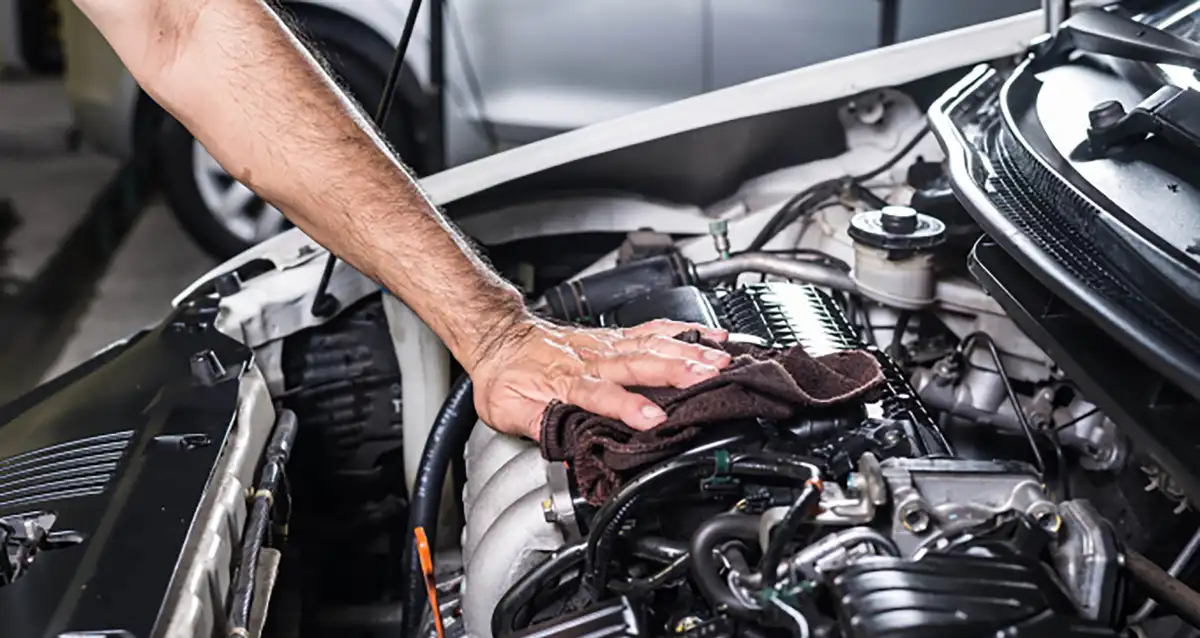
Periodic inspection can catch early problems—like a slight coolant leak or the onset of wheel imbalance—before they escalate into a failed radiator, damaged suspension or other major repairs.
Planned maintenance instead of crisis repairs
Knowing the inspection findings allows the owner to schedule preventive maintenance at convenient times and within budget, instead of being forced into urgent, expensive repairs after a breakdown or a failed test.
Third: Supporting resale value and the car’s reputation
Documented inspection history builds buyer confidence
A consistent record of periodic inspections tells a future buyer that the car has been monitored and maintained, not just used and forgotten.
That translates into stronger negotiating power and a higher asking price compared with a similar car with no clear inspection trail.
Separating “used up” cars from “well‑kept” ones
In the used‑car market, real value tends to follow vehicles that can prove they have been cared for, and periodic inspection reports are a key part of that story.
Fourth: Inspection as a tool for changing driving behaviour
Reports reveal the impact of your driving habits
Abnormal tyre wear, damaged suspension components or prematurely worn brakes often reflect harsh driving habits or frequent use in unsuitable conditions.
Such findings give the driver a chance to adjust behaviour—easing off aggressive acceleration, avoiding overloading, or reducing long stints on rough roads.
Linking safety directly to personal responsibility
Periodic inspection is a reminder that vehicle safety is not just the workshop’s job; it is the direct outcome of how the owner treats the car and respects the recommended service intervals.
Fifth: Periodic inspection in Saudi Arabia – between legal duty and real‑world safety
In Saudi Arabia, periodic vehicle inspection (MVPI/Fahas) is not just a good practice; it is embedded in a clear regulatory framework that requires owners to respect defined inspection intervals as a condition for keeping their registration valid and the car legally on the road.
Inspection timing by vehicle type
Private cars: typically undergo their first technical inspection about three years after first registration, then move to an annual inspection cycle aligned with registration renewal.
Taxis and commercial transport: face more frequent checks—usually annual from early in their life—because of high mileage and continuous duty cycles.
Certificate validity and its role in renewal
After passing MVPI, the owner receives a certificate valid for one year, and a valid certificate is a core prerequisite for renewing the registration or transferring ownership.
Once the certificate expires, renewal effectively becomes impossible, and continuing to drive exposes the owner to fines for operating a vehicle with expired registration.
Penalties and consequences of delay or neglect
There is generally no separate fine for simply being late to visit the inspection centre, but the real risk starts when the vehicle is used on public roads without a valid inspection certificate or with expired registration, both of which can trigger traffic violations and financial penalties.
Beyond the legal aspect, skipping inspection means driving a car that may have unseen brake, tyre or suspension defects, raising the chances of an accident that could have been prevented with a relatively cheap, early inspection.
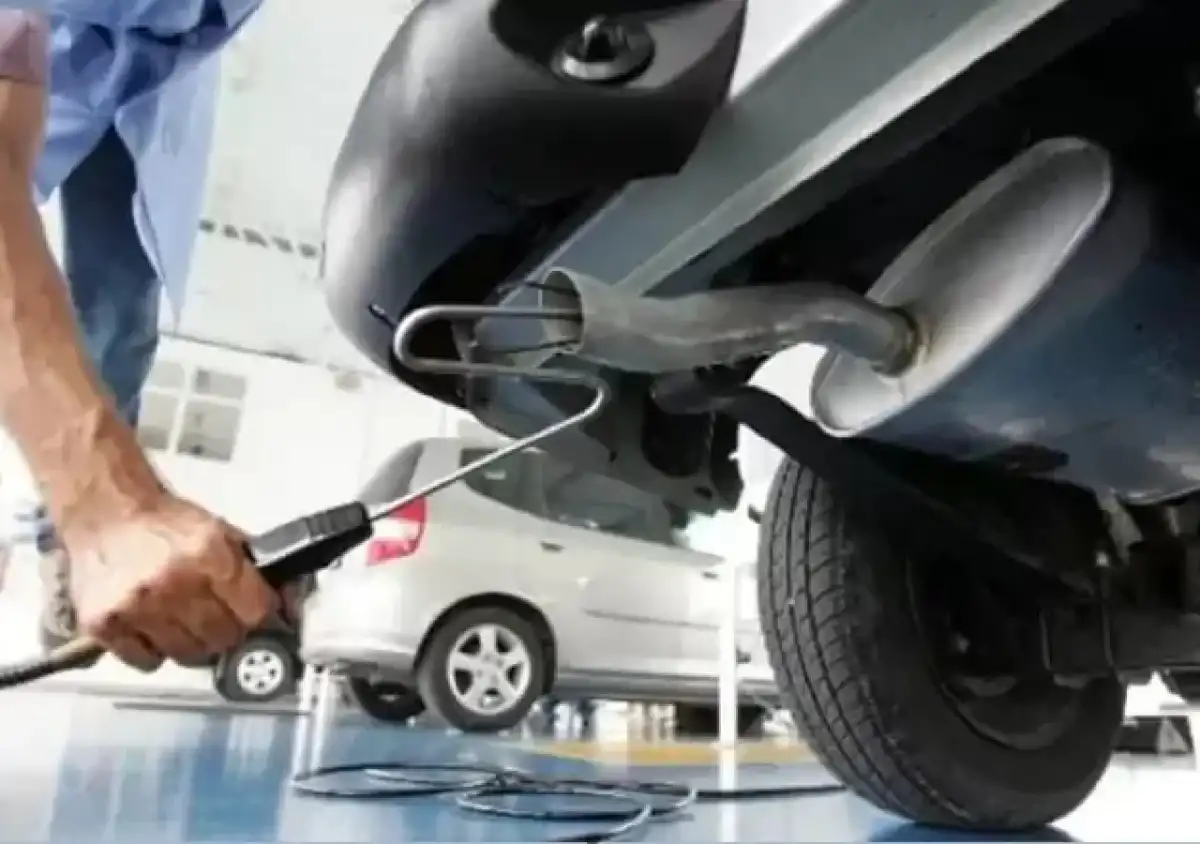
This framework makes periodic inspection in Saudi Arabia a clear meeting point between legal compliance and personal responsibility: keeping up with MVPI deadlines does not just spare you fines, it ensures your car meets the minimum technical safety standard before it shares the road with others.
Periodic technical inspection is not a hurdle in the driver’s way; it is a protection tool that cuts accident risk, extends vehicle life, preserves resale value, and helps refine both maintenance and driving habits—especially in a regulated market like Saudi Arabia, where it is tightly linked to traffic law and registration renewal.
Building inspection into your car‑ownership culture pays off in your budget, your family’s safety and the wider community’s road safety, turning the next MVPI date from a source of stress into a point of reassurance.