

- A new premium robotaxi built on Lucid Gravity
- Sensor “halo” and Nvidia Drive Thor: the tech under the skin
- Uber‑designed in‑cabin experience for six riders
- Road testing, deployment plan, and scale ambitions
- Why this Gravity robotaxi matters in the AV race
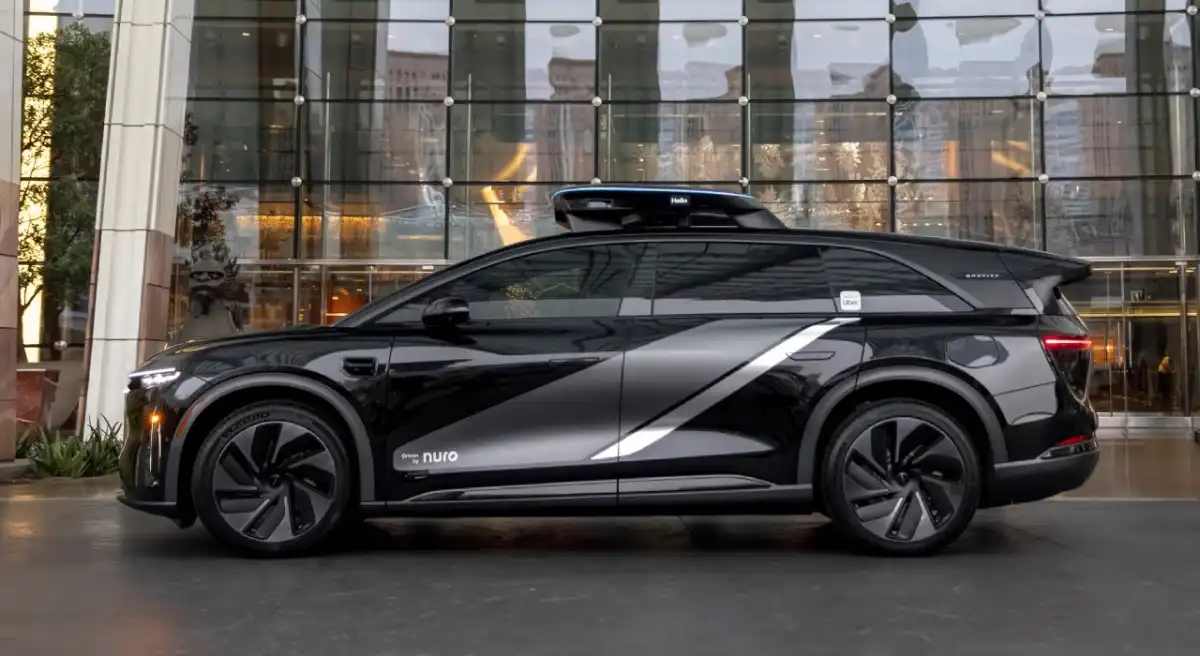
Lucid is turning the Gravity SUV into one of the most advanced robotaxis yet, thanks to a three‑way alliance with Uber and Nuro that adds a full sensor “halo,” Nvidia Drive Thor computing, and a ride experience designed from the start for autonomous, app‑based trips. Production is planned at Lucid’s Arizona factory, with public service to start later this year in the San Francisco Bay Area as Nuro completes on‑road testing with safety operators.
A new premium robotaxi built on Lucid Gravity
Core platform:
The robotaxi is based on the all‑electric Lucid Gravity SUV, keeping the basic body and spacious interior but re‑engineering the roof and electronics for Level 4 autonomy under Nuro’s “Driver” system.
Launch plan:
Lucid will build the production‑intent robotaxi in its Arizona plant, while Nuro leads autonomous road testing in the San Francisco Bay Area; Uber will operate the service on its ride‑hailing platform, with first public rides targeted for later this year.
Sensor “halo” and Nvidia Drive Thor: the tech under the skin
360‑degree sensor suite:
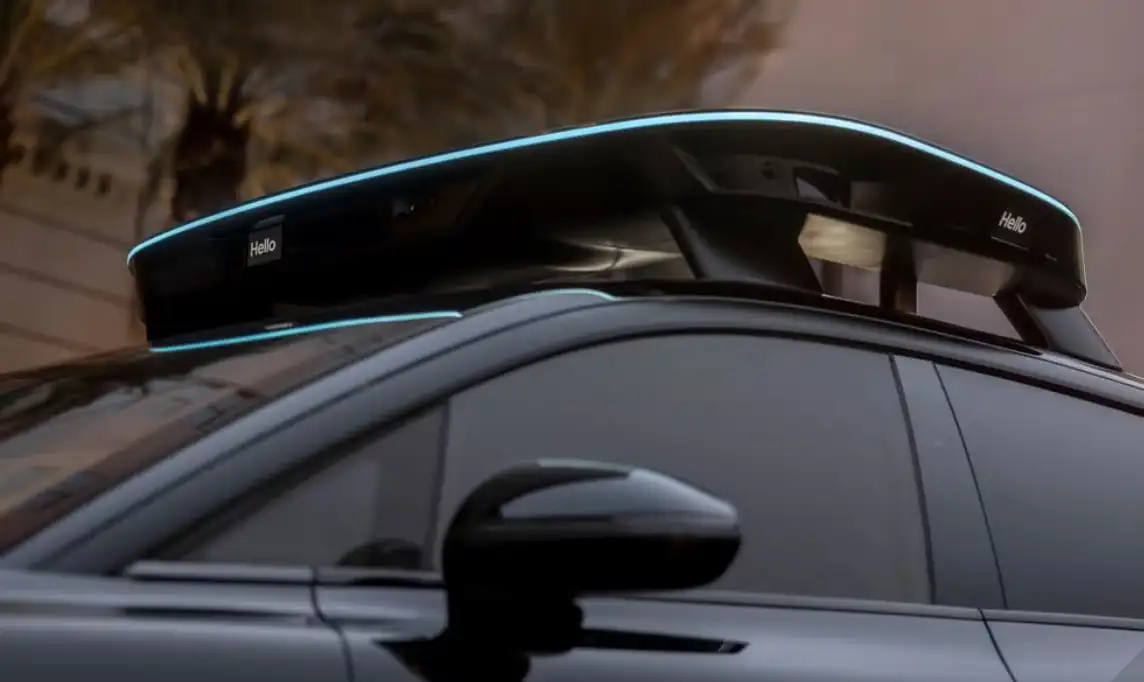
The Gravity robotaxi uses a next‑generation array of high‑resolution cameras, solid‑state lidar, and radar providing full 360° perception, with sensors integrated into the body and a purpose‑built roof‑mounted “halo.”
The halo also houses integrated LED lighting that displays rider initials, helps users identify the correct car, and communicates status from arrival to drop‑off.
Compute and autonomy stack:
The system runs on Nvidia DRIVE AGX Thor, part of the DRIVE Hyperion platform, supplying the real‑time AI processing needed for perception, planning, and control.
Nuro provides a Level 4 autonomous driving stack, able to operate without human input within defined operational design domains, with safety validation using a mix of real‑world driving, closed‑course testing, and simulation.
Uber‑designed in‑cabin experience for six riders
Interior layout and capacity:
The robotaxi’s cabin is reconfigured to seat up to six passengers with generous luggage space, explicitly targeting group and airport‑style trips in a premium environment.
Interactive rider controls:
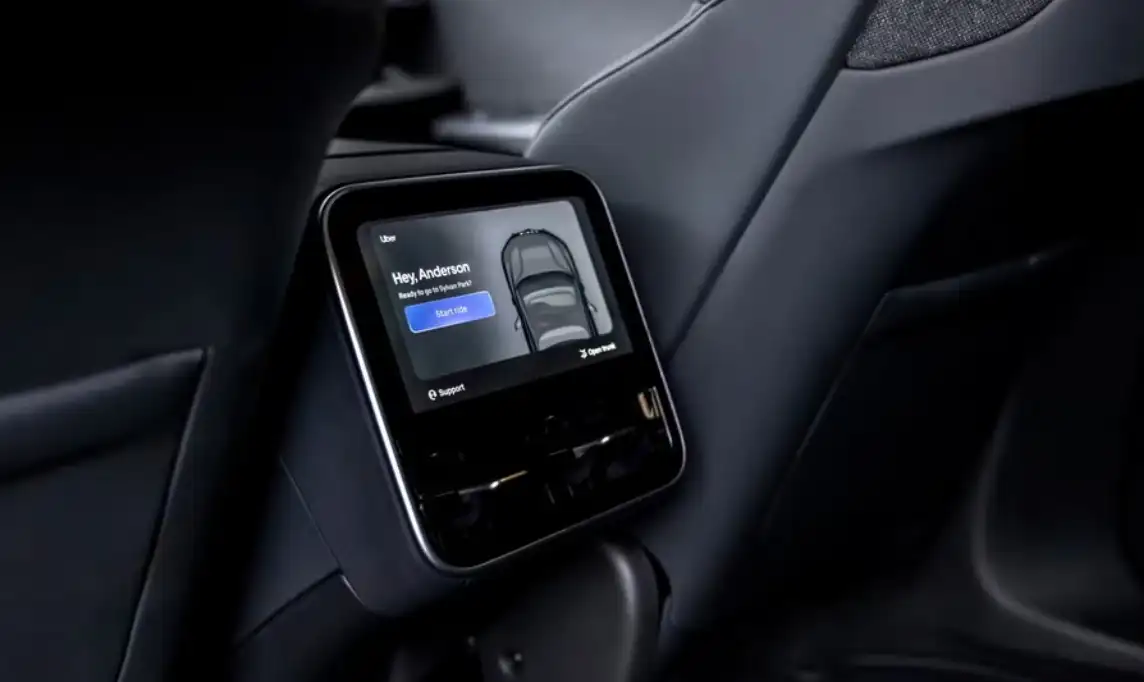
New touchscreens allow passengers to:
Adjust climate, seat heating, and music.
Contact Uber support.
Request the vehicle to pull over.
Real‑time driving visualization:
Displays show what the robotaxi “sees” and its planned path, including lane changes, slowing for traffic lights, and yielding to pedestrians, so riders are not surprised by autonomous maneuvers.
Road testing, deployment plan, and scale ambitions
Testing phase:
Autonomous testing started in December in the San Francisco Bay Area, using engineering prototypes supervised by human safety operators as part of Nuro’s safety and validation framework.
Production and launch:
Pending final validation, Lucid aims to begin robotaxi production later this year at its Arizona facility, with Uber launching a commercial robotaxi service in the Bay Area shortly afterward.
Scaling with Uber:
Earlier announcements indicate Uber plans to integrate up to 20,000 Lucid robotaxis into its global network over about six years, targeting “affordable and scalable” autonomous rides starting in San Francisco and expanding to other markets.
Why this Gravity robotaxi matters in the AV race
Position in the market:
Unlike some pod‑style robotaxis, the Gravity‑based vehicle combines a full‑size premium SUV interior with high‑end autonomy hardware, positioning it as one of the most luxurious robotaxis yet compared with services from Waymo, Zoox, and others.
Strategic partnership:
Lucid contributes EV range, packaging, and comfort; Nuro delivers Level 4 autonomy and validation; Uber adds global scale and a huge rider base, creating a combined play for premium yet mass‑deployed robotaxi services.