
- Visibility is a safety system, not a luxury
- What does “visibility obstruction” mean in Saudi traffic law?
- Obstruction 1 – Stickers, tints, and curtains on windows
- Obstruction 2 – Overloaded cabins and cargo blocking mirrors
- Obstruction 3 – Dirty, fogged, or damaged glass and wipers
- Obstruction 4 – Using screens, phones, and accessories in the driver’s field of view
- Obstruction 5 – Parked cars and bad positioning that hide others
- How the 300 SAR fine fits into the Saudi violation system
- How to keep your view clear and avoid fines
Visibility is a safety system, not a luxury
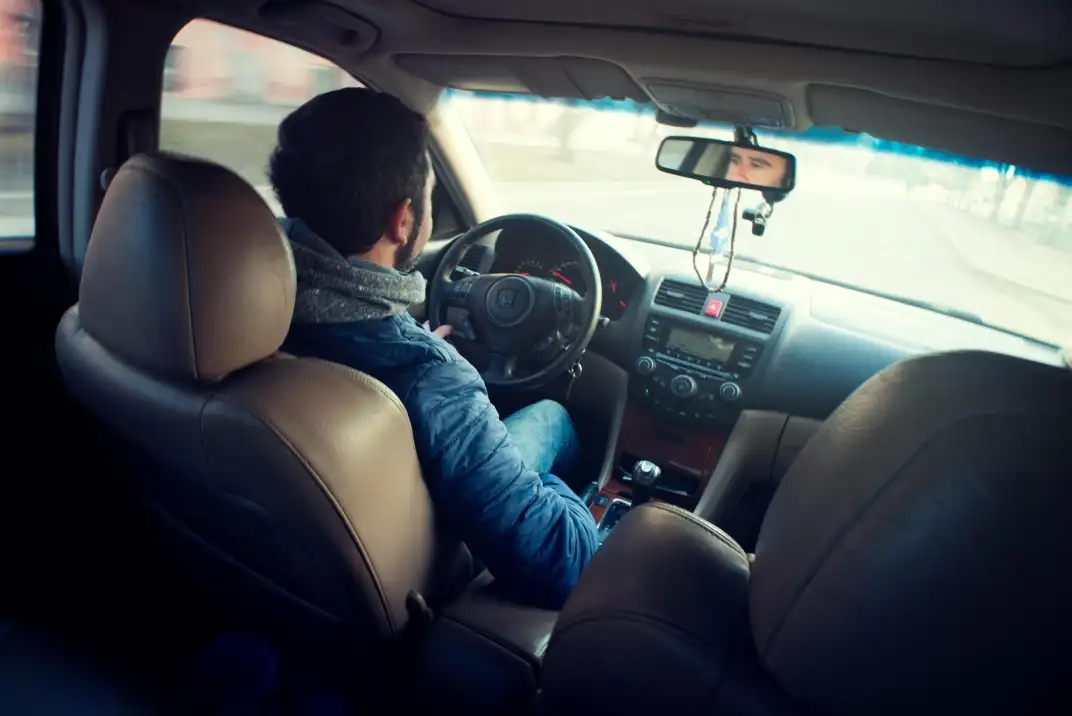
Safe driving in Saudi Arabia does not depend only on ABS, airbags, and ADAS systems; the driver’s field of vision is a primary safety system that the traffic law actively protects with explicit violations and fines. Any object that blocks your view of the road, mirrors, or surroundings can turn into a real hazard, which is why several “visibility obstruction” behaviors fall into violations with fines that in many cases range up to 300 SAR.
What does “visibility obstruction” mean in Saudi traffic law?
Legal concept:
Saudi traffic regulations list a group of behaviors as violations when they obstruct the driver’s direct or indirect visibility, especially if they affect the view of the road, traffic signs, signals, or other road users.
These violations often fall in fine bands that range roughly between 150–300 SAR for minor/medium offenses, depending on the specific item and the degree of risk it creates.
Why the focus on visibility?
International and local safety data show that reduced visibility increases reaction time, raises the probability of misjudging distances and speeds, and contributes to collisions with pedestrians, motorcycles, and vehicles in adjacent lanes.
In Saudi Arabia’s environment (dust, strong sun, night driving, crowded urban roads), any extra obstruction on top of the natural challenges can significantly increase accident risk.
Obstruction 1 – Stickers, tints, and curtains on windows
Dark tints and non‑compliant films:
Overly dark window tint or tint applied to non‑allowed windows (such as the front windshield) can reduce the driver’s ability to see pedestrians, motorcycles, or vehicles when entering intersections or changing lanes.
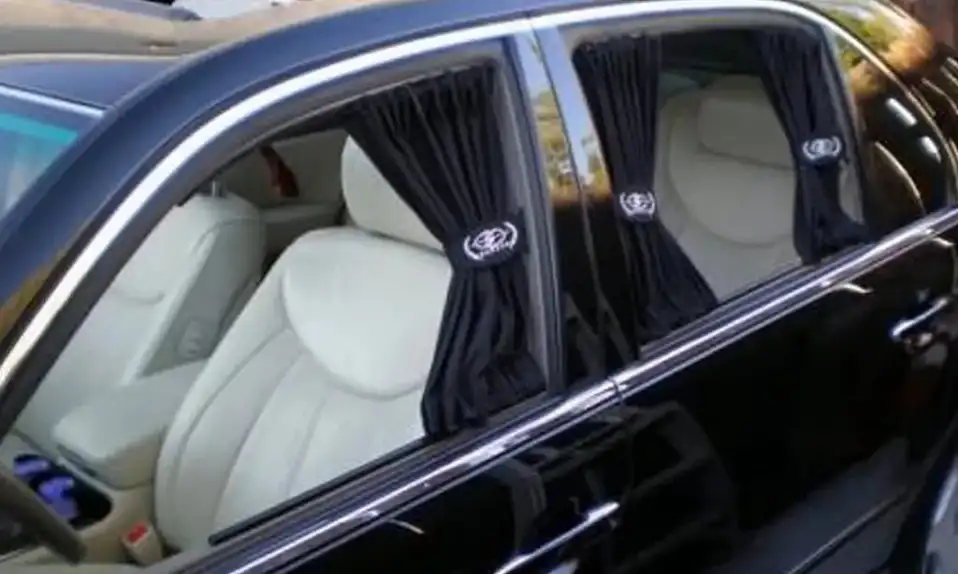
The traffic authority has explicitly warned that using window curtains or non‑compliant shades can be considered a violation with fines up to 300 SAR, especially when they block side vision.
Decorative stickers and rear‑window blocking:
Filling the rear glass with large stickers, advertisements, or opaque films turns the interior mirror almost useless and forces you to rely only on side mirrors, which narrows your field of vision.
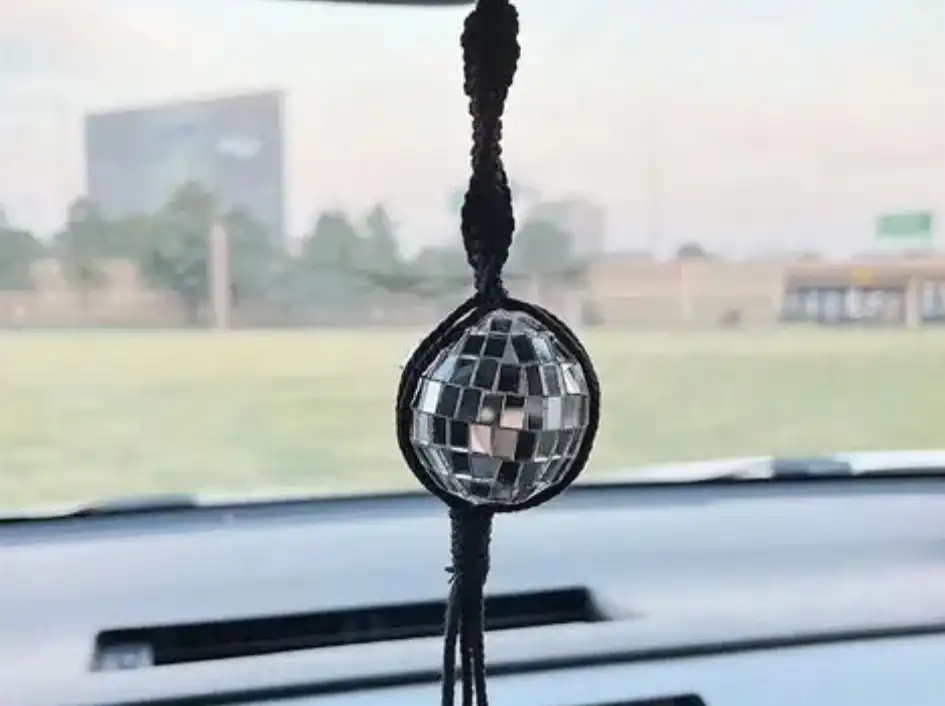
Large objects hanging from the front mirror (big charms, accessories, or phone holders in the wrong place) can also be considered visibility obstructions in practice when they block the view of the road ahead.
Obstruction 2 – Overloaded cabins and cargo blocking mirrors
Objects stacked up to the roof:
Filling the luggage area or rear seats with boxes, bags, or equipment up to glass level blocks the rear window and can hide vehicles approaching from behind, especially at night or in poor weather.
In SUVs and pickups, improperly secured cargo that sticks above the tailgate or covers rear glass is considered unsafe load and, in some cases, a traffic violation if it obstructs visibility or is at risk of falling.
Passengers and children in the wrong position:
Allowing passengers to lean between front seats or positioning a child directly in the driver’s line of sight can reduce visibility of mirrors and side windows, increasing the chance of missing a vehicle in the blind spot.
Child seats placed incorrectly (too close to the center or too high in the front seat) may also interfere with side‑mirror or A‑pillar visibility, which is why best practice is to install them in rear outboard positions when possible.
Obstruction 3 – Dirty, fogged, or damaged glass and wipers
Dirty windshields and mirrors:
Dust, mud, insects, and oil streaks on the windshield and mirrors scatter light and reduce clarity, especially at night or when facing the sun, effectively acting as an “internal tint” that reduces visibility.
Failure to maintain clean glass and working wipers is not just negligence; it can be cited together with other violations if it leads to unsafe driving behavior or increases crash risk.
Fogging and poor defogger use:
In humid or cold conditions, interior fog on glass significantly narrows the field of vision if the driver does not properly use the defogger and AC settings.
Using hands or tissues to partially wipe the glass leaves streaks and patches, so part of the windshield remains blurred, which can be dangerous when entering junctions or overtaking.
Cracked or damaged glass:
Large cracks in the windshield or localized damage near the driver’s line of sight can refract light and create blind zones, especially at night or under direct sunlight.
While minor stone chips are common on highways, ignoring progressive cracks may eventually fail inspection standards and could be treated as a safety defect.
Obstruction 4 – Using screens, phones, and accessories in the driver’s field of view
Mobile phones and holders:
Mounting a phone holder directly in the center of the windshield or in front of the driver’s direct line of sight is considered both distraction and potential visibility obstruction.
Even if the device is used for navigation, it should be placed in a low, side position that doesn’t cover the road or instruments.
Large infotainment screens and add‑on devices:
Non‑OEM screens added on top of the dashboard can extend above the designed sight line, creating a permanent “block” that hides part of the road or pedestrians close to the car.
Extra gauges, dash‑cams, and similar devices should be installed where they don’t interfere with the driver’s view or mirrors.
Obstruction 5 – Parked cars and bad positioning that hide others
Parking too close to corners and exits:
Parking at intersections, near curves, or immediately next to pedestrian crossings can create an external visibility obstruction for other drivers, hiding pedestrians or vehicles trying to cross or join the main road.
Saudi traffic law treats such behavior as a parking violation and, when it threatens safety, it often falls in bands where fines can reach around 300 SAR.
Double parking and blocking lanes:
Stopping in a second row on crowded streets does not only block traffic flow; it also forces other drivers to maneuver with limited visibility of the lane ahead or of vehicles coming from behind.
This is particularly dangerous near schools, mosques, and commercial areas where pedestrian movement is intense.
How the 300 SAR fine fits into the Saudi violation system
Fine range and categories:
Saudi traffic regulations categorize violations into bands; many behaviors related to non‑compliant window curtains, some types of unsafe loads, and poor parking/standing are placed in bands with fines from about 150 to 300 SAR.
The “visibility obstruction” concept cuts across more than one item in these tables, linking to what the traffic authority considers a threat to road safety even if the car itself is mechanically sound.
Practical meaning for drivers:
The purpose of the fine is deterrence, not collection; the core message is that anything blocking your view or the view of others is treated as a safety risk, not a styling choice.
Removing curtains, repositioning phone holders, cleaning glass, and avoiding dangerous parking spots are all simple steps that reduce the chance of a crash – and of a ticket.
How to keep your view clear and avoid fines
Before driving:
Make sure all windows, mirrors, and lights are clean and free from heavy dust or stickers that reduce transparency.
Check that wipers work properly and that the windshield is not cracked in the driver’s line of sight.
Inside the cabin:
Avoid hanging large objects from the rear‑view mirror.
Do not stack bags or boxes above the seatback line, especially in hatchbacks and SUVs.
Place the mobile phone holder low and to the side, away from the central view of the road.
When parking:
Do not park in positions that hide other drivers’ view at junctions, curves, or pedestrian crossings.
Leave enough distance from corners and exits so that other vehicles can see and be seen.