

- A Grand Tourer, Reimagined
- Interior as Experience, Not Just Space
- A Car That Changes Character
- Beyond Specifications
- A Signal of What Comes Next
Lynk & Co’s “Time to Shine”: A Defining Moment for Design and Performance
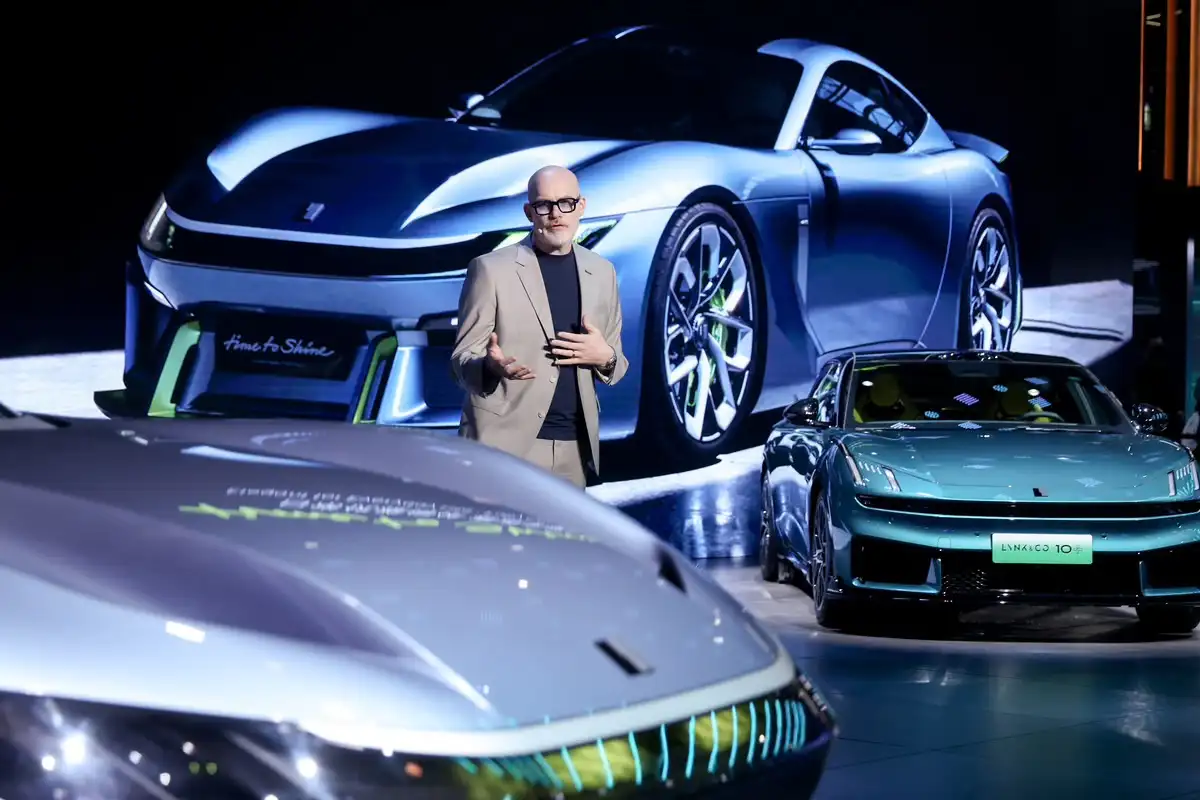
At Auto China 2026, UAE Lynk & CoKSA Lynk & CoKuwait Lynk & CoOman Lynk & CoBahrain Lynk & CoEgypt Lynk & CoQatar Lynk & Co chose a different way to make an impact. Instead of chasing numbers or headline performance figures, the brand introduced something more deliberate — a concept designed to express identity, intent, and direction.
The result is the Time to Shine GT, the company’s first grand tourer concept, revealed as a statement marking its tenth anniversary. But this is not a retrospective. It is a forward-looking interpretation of what performance can mean when design, technology, and emotion are treated as a single system.

A Grand Tourer, Reimagined
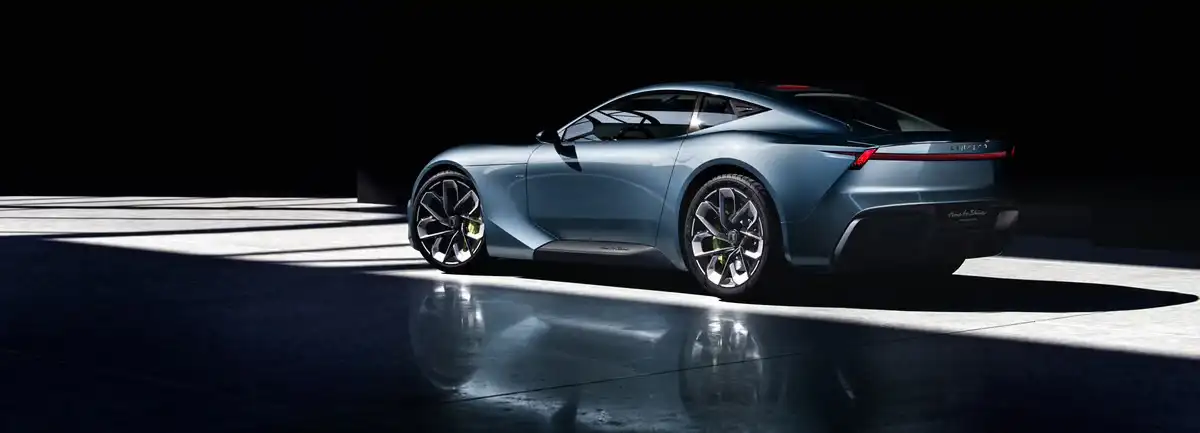
The Time to Shine adopts the classic proportions of a GT car — a long bonnet, wide stance, and a 2+2 layout — but reshapes them through a distinctly modern lens. At just under 4.8 meters in length, the car sits confidently between elegance and aggression, presenting itself as both approachable and assertive.
What stands out is not just the silhouette, but the way surfaces are treated. Light becomes an active design element, flowing across the body and revealing new details from every angle. The finish, a liquid-metal blue, enhances this effect, giving the car a sense of motion even at a standstill.
This approach reflects a broader shift in automotive design, where visual identity is no longer static, but dynamic, shaped by interaction, perspective, and environment.
Interior as Experience, Not Just Space
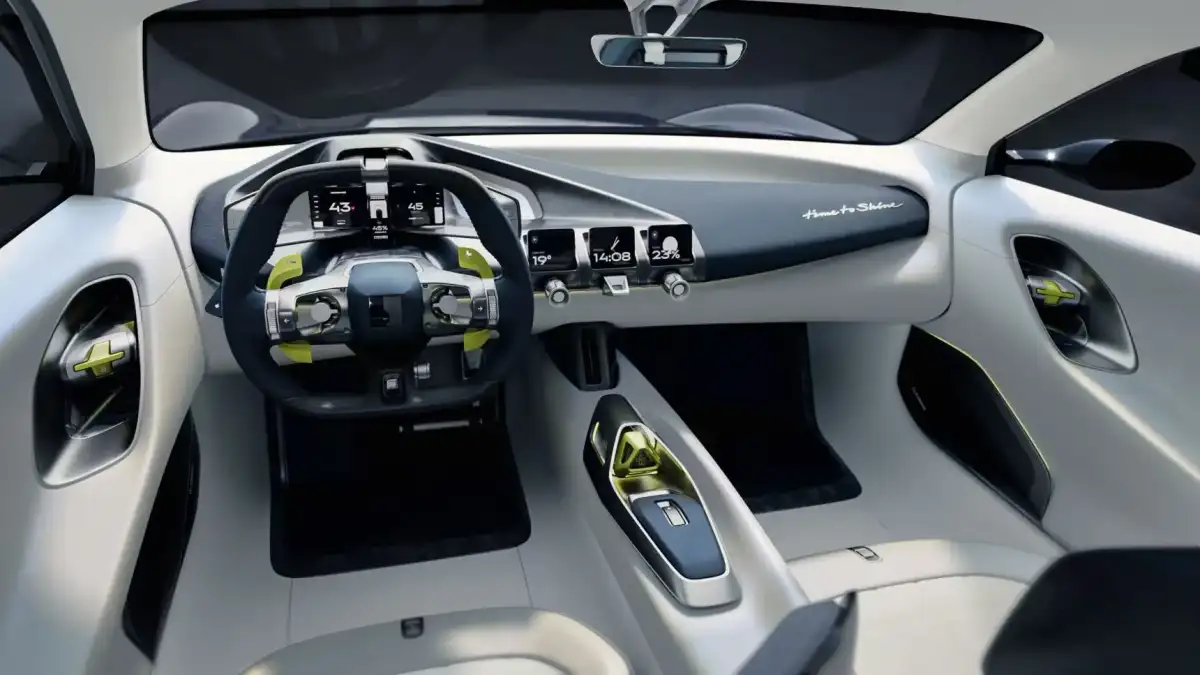
Inside, the concept moves away from the traditional idea of a cockpit as a fixed environment. Instead, it presents a dual-layered experience.
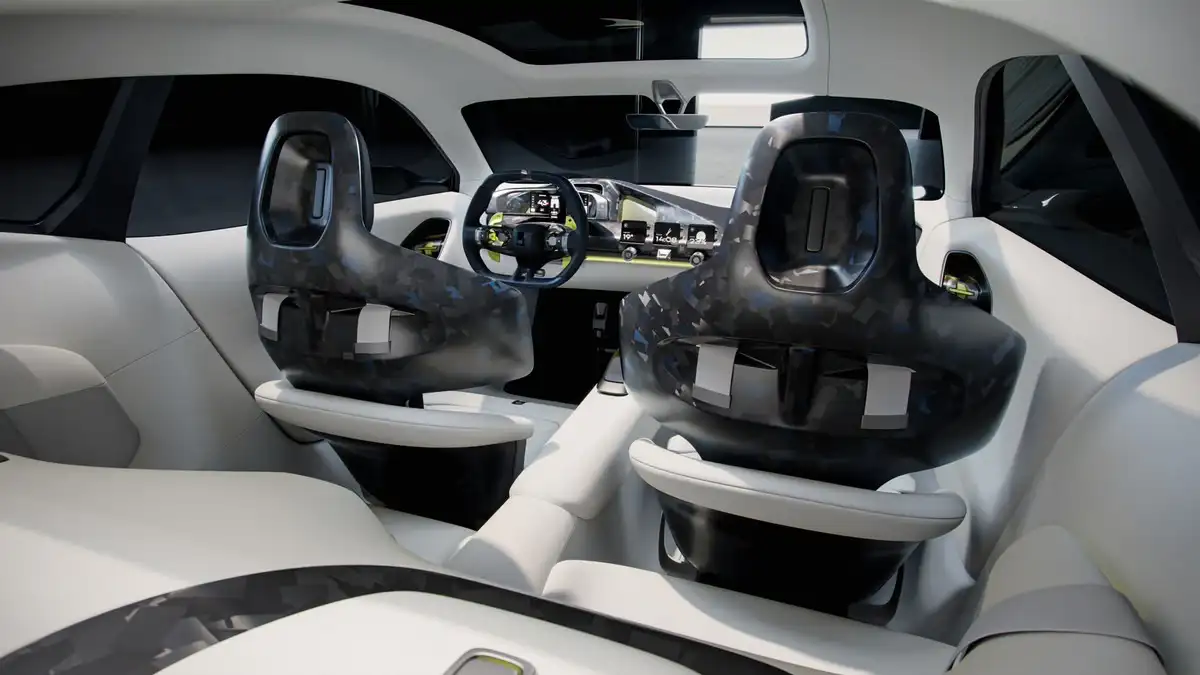
On one level, the cabin feels open and welcoming, defined by bright materials and a sense of space uncommon in performance-oriented vehicles. On another, it becomes highly focused, centering the driver through a technical framework that brings controls, seating, and feedback into alignment.
Materials play a key role in this balance. Advanced carbon composites are combined with refined finishes to create an environment that feels both engineered and crafted. It is not about minimalism or excess, it is about clarity.
A Car That Changes Character
The defining feature of the Time to Shine concept is its ability to transform.
At the center of the cabin sits a single control — a performance trigger that alters the car’s behavior and presence. Activating it initiates a coordinated shift across both the interior and exterior. Displays retract, the interface simplifies, and the driver becomes the focal point. At the same time, the car physically adjusts: its stance lowers, aerodynamic elements deploy, and the overall posture becomes more aggressive and controlled.
This transformation is more than a visual or mechanical trick. It introduces a different way of thinking about performance, not as a constant state, but as something that can be summoned when needed and restrained when not.
Beyond Specifications
Notably, Lynk & Co chose not to emphasize power figures, acceleration times, or drivetrain details. This is intentional.
The Time to Shine is not about competing on specifications. It is about reframing the conversation around performance itself. The concept suggests that the future of driving will not be defined solely by speed or output, but by how intelligently and intuitively a car responds to its driver.
Given the brand’s connection to UAE GeelyKSA GeelyKuwait GeelyQatar GeelyOman GeelyBahrain GeelyEgypt Geely and its access to advanced electric platforms, it is reasonable to expect that any future production interpretation would integrate electrified performance and intelligent systems at its core.
A Signal of What Comes Next
Since its launch in 2016, Lynk & Co has built its reputation on design-led thinking and unconventional positioning. With more than 1.7 million users globally, the brand has reached a scale where its next step carries greater weight.
The Time to Shine concept reflects that shift. It moves beyond lifestyle positioning and into a space where design, performance, and technology are fully aligned.
More importantly, it suggests a future where cars are not defined by a single identity. Instead, they adapt to the driver, to the moment, and to the intent behind every journey.
And in that sense, this concept is not just about what Lynk & Co has achieved over the past decade. It is about what it intends to become.