
- A Simple Action With No Longer Simple Consequences
- Why Jump-Starting Has Changed
- Always Start With the Owner’s Manual
- Dedicated Jump-Start Terminals Matter
- Battery Type Changes the Rules
- Hybrids and EVs Require Extra Caution
- Essential Checks Before Connecting
- After the Engine Starts: Take Your Time
- When Not to Attempt a Jump-Start
- Knowledge Is the Best Protection
A Simple Action With No Longer Simple Consequences
Jump-starting a car was once a straightforward solution to a dead battery. For decades, it meant connecting cables, starting the engine, and driving away. Modern vehicles, however, have completely changed that equation.
Today’s cars rely on complex electronic systems controlling everything from engine management to safety and driver-assistance features. A single mistake during a jump-start can cause costly damage that may not appear immediately.
This article is written for everyday drivers, explaining what must be checked before jump-starting a modern vehicle and why old habits are no longer safe.
Why Jump-Starting Has Changed
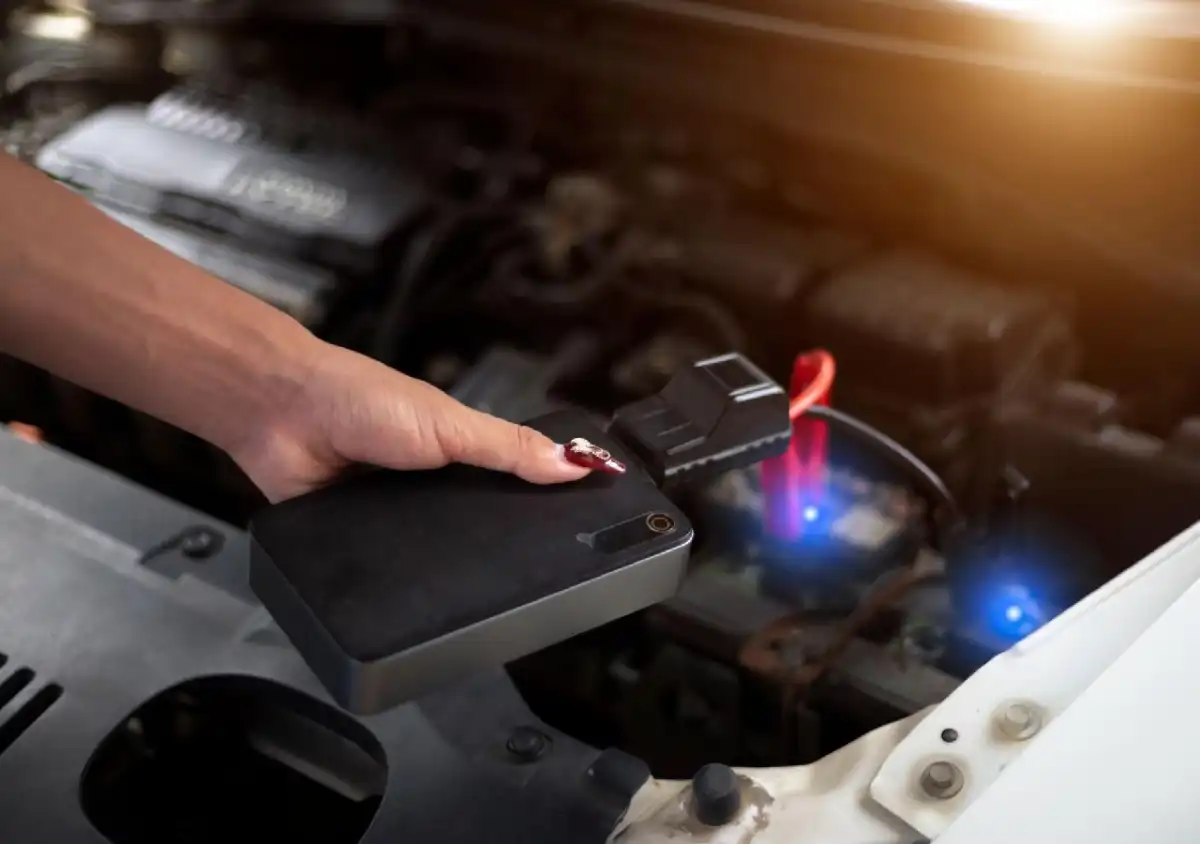
Older vehicles had limited electrical systems. Modern cars now include:
Multiple electronic control units
Smart power management systems
Start/stop technology
Advanced driver-assistance systems
These components are highly sensitive to voltage fluctuations. Sudden surges or reversed polarity can damage expensive electronics.
Always Start With the Owner’s Manual
Before connecting any cables, consult the owner’s manual. While often overlooked, it remains the safest first step.
Some manufacturers:
Prohibit traditional jump-starting
Require the use of dedicated terminals
Warn against using another vehicle as a power source
Ignoring these instructions can lead to damage not covered by warranty.
Dedicated Jump-Start Terminals Matter
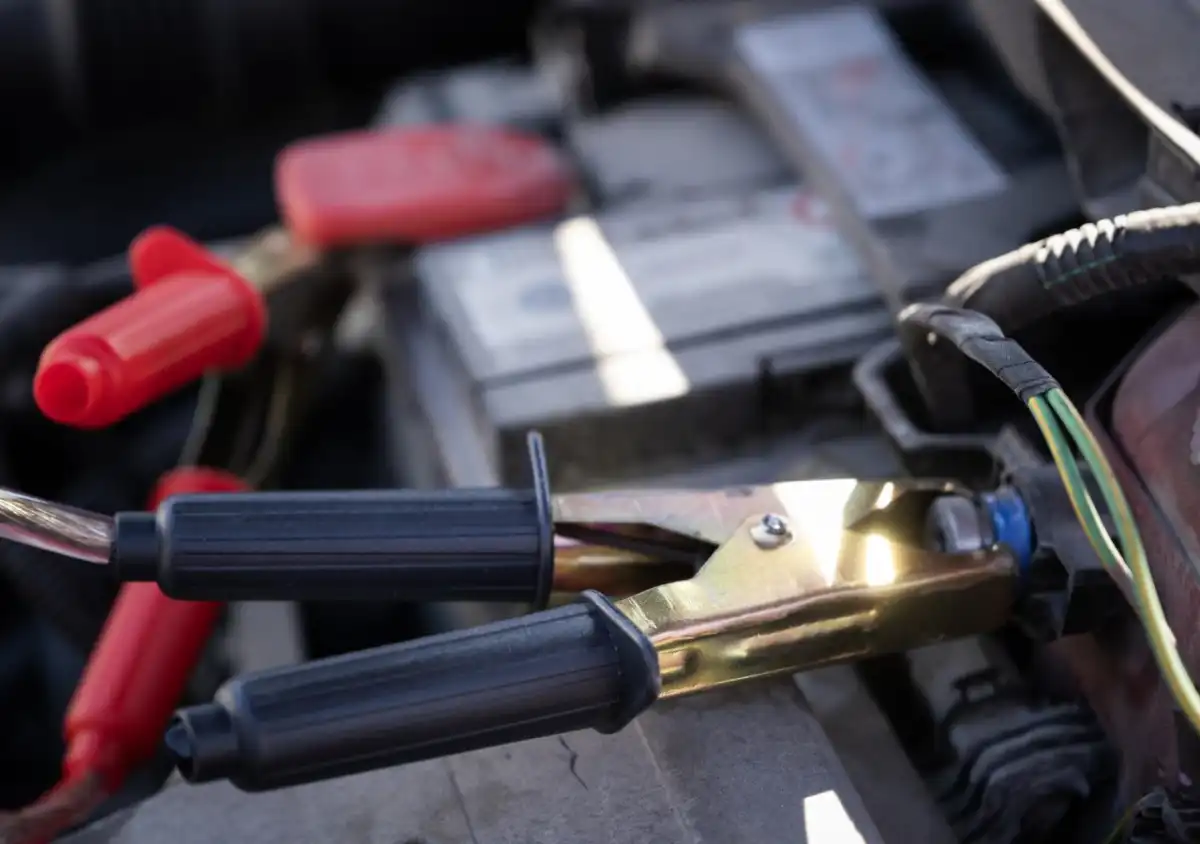
In many modern cars, the battery is hidden under seats or in the trunk. Manufacturers therefore provide designated jump-start terminals in the engine bay.
Using these points ensures:
Safe current distribution
Reduced electrical shock risk
Protection of sensitive systems
Connecting directly to the battery instead of the terminal can cause electrical faults.
Battery Type Changes the Rules
Not all batteries are the same. Modern vehicles may use:
AGM batteries
Enhanced start/stop batteries
Batteries linked to power management systems
These require controlled voltage and charging methods. Treating them like traditional batteries can shorten their lifespan or cause permanent damage.
Hybrids and EVs Require Extra Caution
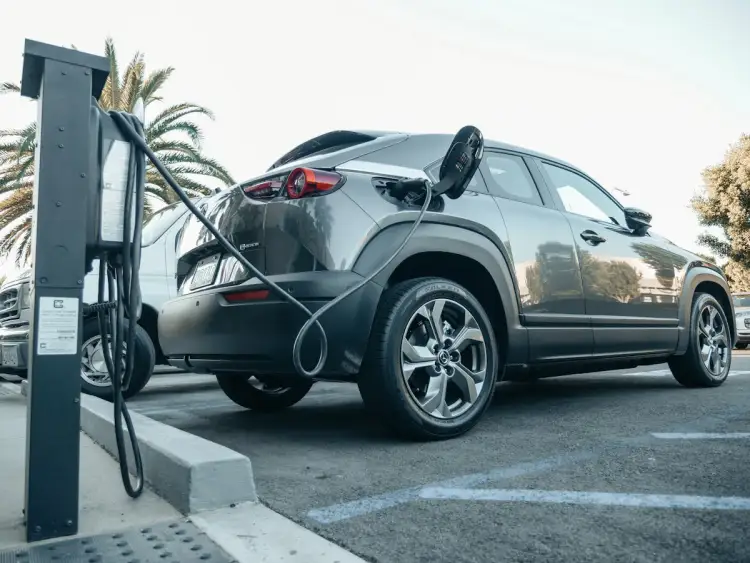
Hybrid and electric vehicles still rely on a 12-volt battery for electronics. However, this system is integrated with high-voltage components.
Improper jump-starting may result in:
Control module failures
Persistent error warnings
High repair costs
Many manufacturers recommend smart chargers instead of jumper cables.
Essential Checks Before Connecting
Before attempting a jump-start:
Inspect the battery for visible damage
Clean and check terminal connections
Confirm matching voltage
Verify correct polarity
A single mistake can cause immediate electronic failure.
After the Engine Starts: Take Your Time
Once the vehicle starts:
Let it idle for several minutes
Avoid turning on high-draw electrical systems
Do not shut the engine off immediately
This allows voltage stabilization and gradual battery charging.
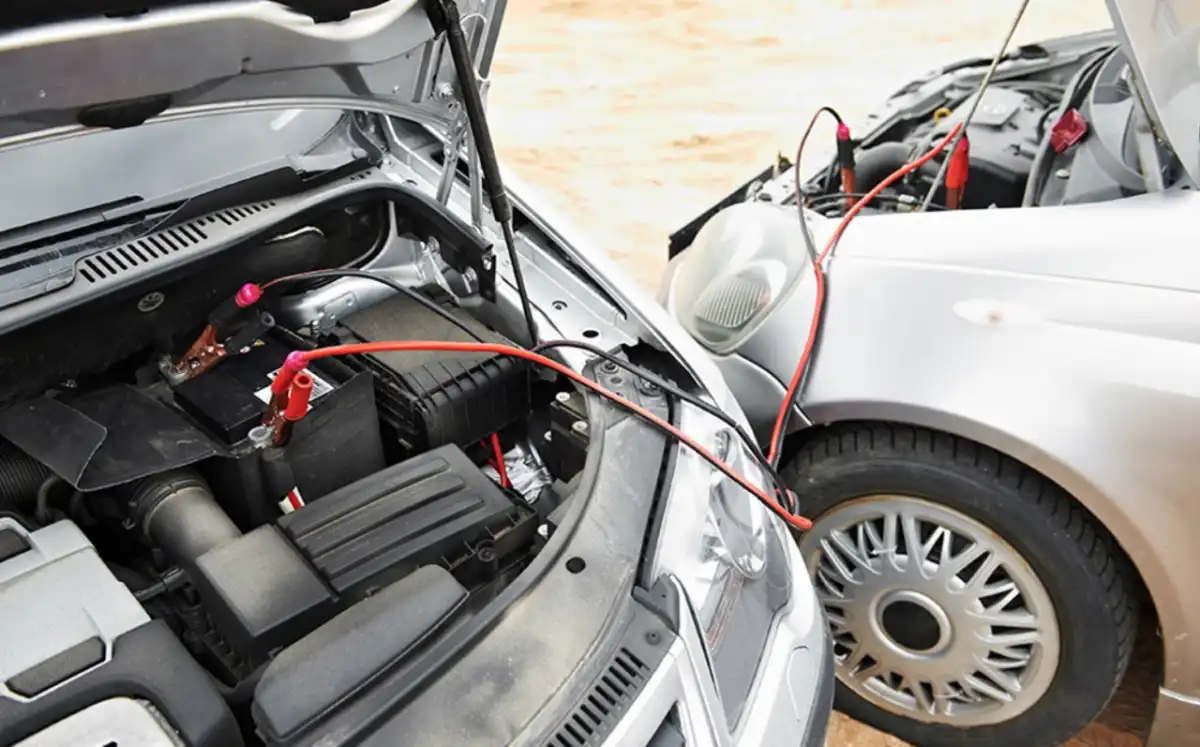
When Not to Attempt a Jump-Start
Do not attempt a jump-start if:
The battery is swollen or leaking
Terminal locations are unclear
The vehicle is hybrid without clear instructions
In these cases, professional assistance is safer and often cheaper.
Knowledge Is the Best Protection
Jump-starting is no longer a simple task. Understanding your vehicle’s systems and following manufacturer guidelines protects you from hidden damage. With modern cars, caution is not optional — it is essential.