
- Dongfeng and Stellantis Sign Major Deal to Build Future Peugeot and Jeep NEVs in China
- China Becomes More Than a Sales Market
- Peugeot Gets a Technology Shortcut
- Jeep Returns With a New Energy Direction
- Why This Matters Beyond China
- A New Pattern in the Auto Industry
- The Bottom Line
Dongfeng and Stellantis Sign Major Deal to Build Future Peugeot and Jeep NEVs in China
Stellantis and DongfengBahrain DongfengEgypt DongfengKSA DongfengKuwait DongfengOman DongfengQatar DongfengUAE Dongfeng are entering a new phase of cooperation with a major agreement worth around €1 billion, or approximately $1.16 billion, to produce future PeugeotUAE PeugeotKSA PeugeotKuwait PeugeotQatar PeugeotOman PeugeotBahrain PeugeotEgypt Peugeot and JeepKSA JeepBahrain JeepEgypt JeepKuwait JeepOman JeepQatar JeepUAE Jeep new energy vehicles in China. The deal gives Dongfeng a bigger role in the global strategy of two well-known Western brands, while giving Stellantis a faster route into China’s advanced electric and hybrid vehicle ecosystem.
China Becomes More Than a Sales Market
For years, global carmakers treated China mainly as the world’s largest car market. That logic is changing. China is now becoming a development and production base for vehicles that could be sold beyond its borders.
Under the new agreement, Dongfeng and Stellantis plan to build two Peugeot new energy models and two Jeep off-road new energy models at the Wuhan plant. Production is expected to begin in 2027, with the vehicles targeting both China and export markets.
Peugeot Gets a Technology Shortcut
For Peugeot, the partnership is a way to rebuild momentum in China after years of limited impact in the market. Instead of developing everything alone, the brand will use Dongfeng’s local technology and manufacturing strength to create new models more quickly.
This approach also reflects a wider industry reality: Chinese automakers are no longer just competing with global brands. They are becoming technology partners for them. In areas like electric platforms, battery integration, cost control and smart vehicle development, Chinese manufacturers now offer speed that many traditional carmakers are trying to access.
Jeep Returns With a New Energy Direction
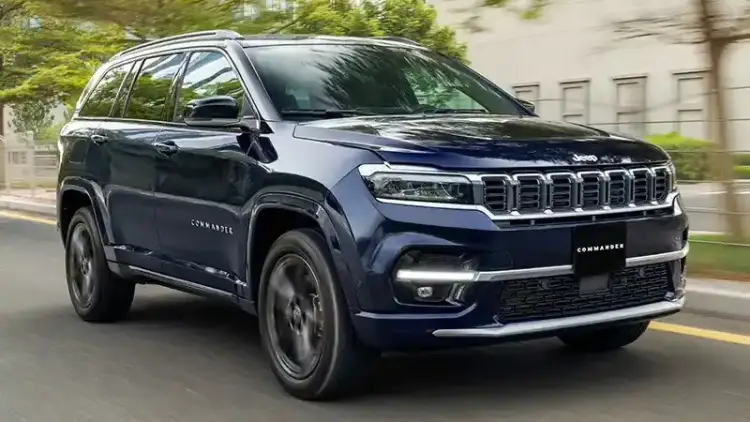
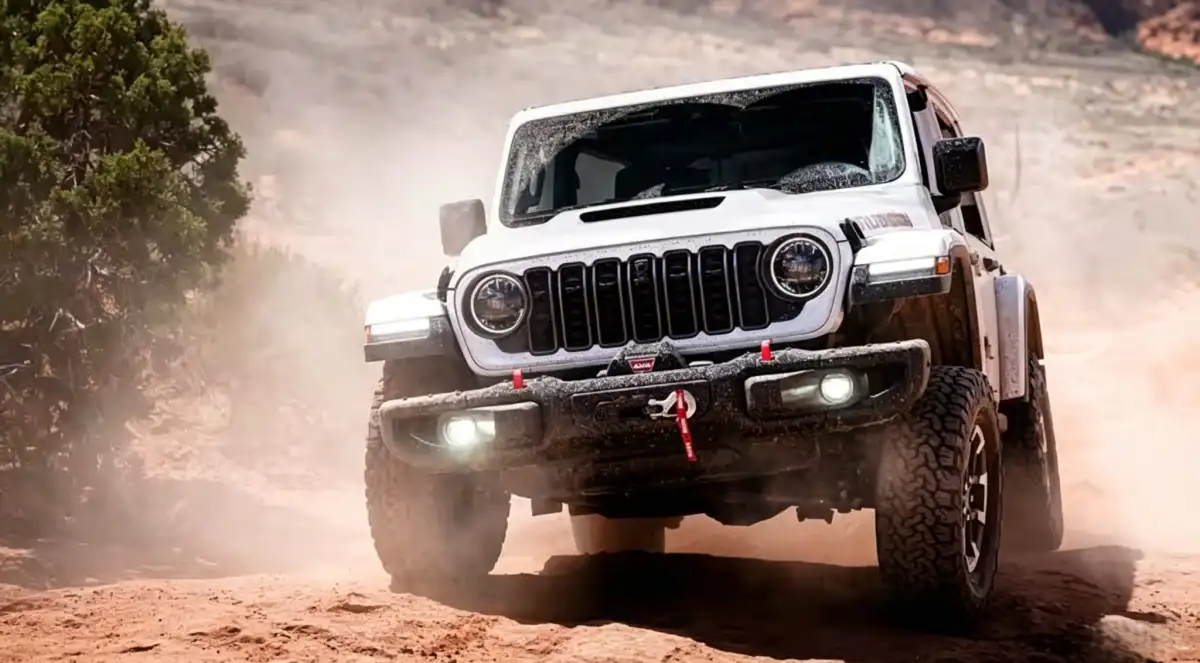
The Jeep part of the agreement is especially important. Stellantis ended its previous Jeep joint venture with GAC in 2022, which effectively stopped local Jeep production in China. Now, the brand is preparing for a return through Dongfeng, but with a different formula: new energy off-road models rather than traditional petrol-focused SUVs.
That shift matters because Jeep’s identity is built around off-road ability, while China’s market is moving rapidly toward electrified vehicles. If Stellantis can combine Jeep’s global image with Dongfeng’s NEV technology, the result could be a very different kind of Jeep for China and export markets.
Why This Matters Beyond China
This is not only a China story. According to reports, the future vehicles are expected to be exported to regions including Southeast Asia, the Middle East and Latin America. That gives the deal direct relevance to markets like the GCC, where Peugeot and Jeep already have recognition, but where Chinese-built new energy vehicles are gaining more attention.
For Middle Eastern buyers, the interesting question is whether these models will arrive with specifications suited to regional needs, especially heat management, highway comfort, SUV practicality and off-road durability.
A New Pattern in the Auto Industry
The agreement also shows how much the global auto industry has changed. In the past, Chinese carmakers often relied on Western companies for platforms, engines and brand credibility. Today, the relationship is becoming more balanced, and in some cases reversed.
Dongfeng brings local manufacturing scale, NEV know-how and cost efficiency. Stellantis brings global brands, international distribution and heritage nameplates. Together, the two companies are trying to create vehicles that can compete in China while also supporting wider export ambitions.
The Bottom Line
The Dongfeng–Stellantis deal is one of the clearest signs yet that Chinese automakers are moving from competitors to strategic technology partners for global brands.
For Peugeot, it offers a faster path back into relevance in China. For Jeep, it creates a new route into electrified off-road vehicles. For Dongfeng, it reinforces China’s growing influence over the next generation of global cars.
And for markets like the Middle East, this could eventually mean a new wave of Chinese-built Peugeot and Jeep NEVs arriving with a very different identity from the models buyers know today.