
- BYD Seagull 2026: The Small EV Making a Big Statement
- When Budget EVs Stop Feeling Basic
- The God’s Eye Effect
- Still Small, Still Practical
- A Direct Challenge to the Market
- Why This Matters Beyond China
- The Bottom Line
BYD Seagull 2026: The Small EV Making a Big Statement
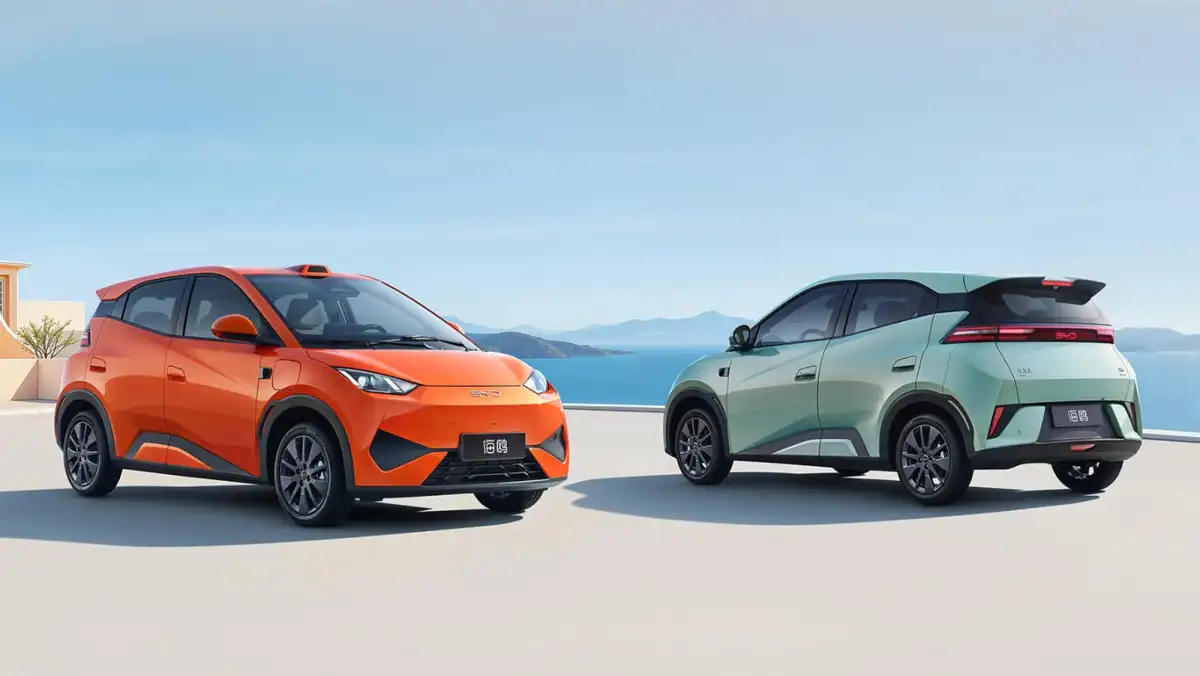
BYDEgypt BYDUAE BYDKSA BYDBahrain BYDKuwait BYDOman BYDQatar BYD has launched the 2026 Seagull in China, and this update is more important than its size suggests. On paper, it is still a compact electric city car with accessible pricing, practical range and a youthful design. But the headline change is much bigger: the Seagull is now available with LiDAR-supported smartUAE Smart driving technology, bringing advanced driver assistance into a segment usually defined by affordability, not high-end sensors.
The 2026 BYD Seagull starts from 69,900 yuan in China, while versions equipped with the optional God’s Eye B system and LiDAR start from 90,900 yuan. According to CnEVPost, this makes it the first miniBahrain MiniEgypt MiniKSA MiniKuwait MiniOman MiniQatar MiniUAE Mini car in China’s EV market to support LiDAR.
When Budget EVs Stop Feeling Basic
The Seagull has always been one of BYD’s strongest weapons because it makes electric mobility feel simple and attainable. It is small, efficient and priced for mass adoption. With the 2026 update, BYD is changing the conversation around what an entry-level EV can offer.
LiDAR is usually associated with premium electric cars, flagship SUVs and expensive autonomous-driving packages. Placing it on a mini EV sends a clear message: smart-driving technology is no longer reserved for luxury buyers.
That is what makes this launch eye-catching. BYD is not just updating a city car. It is pushing advanced technology down into a price bracket where competitors will struggle to ignore it.
The God’s Eye Effect
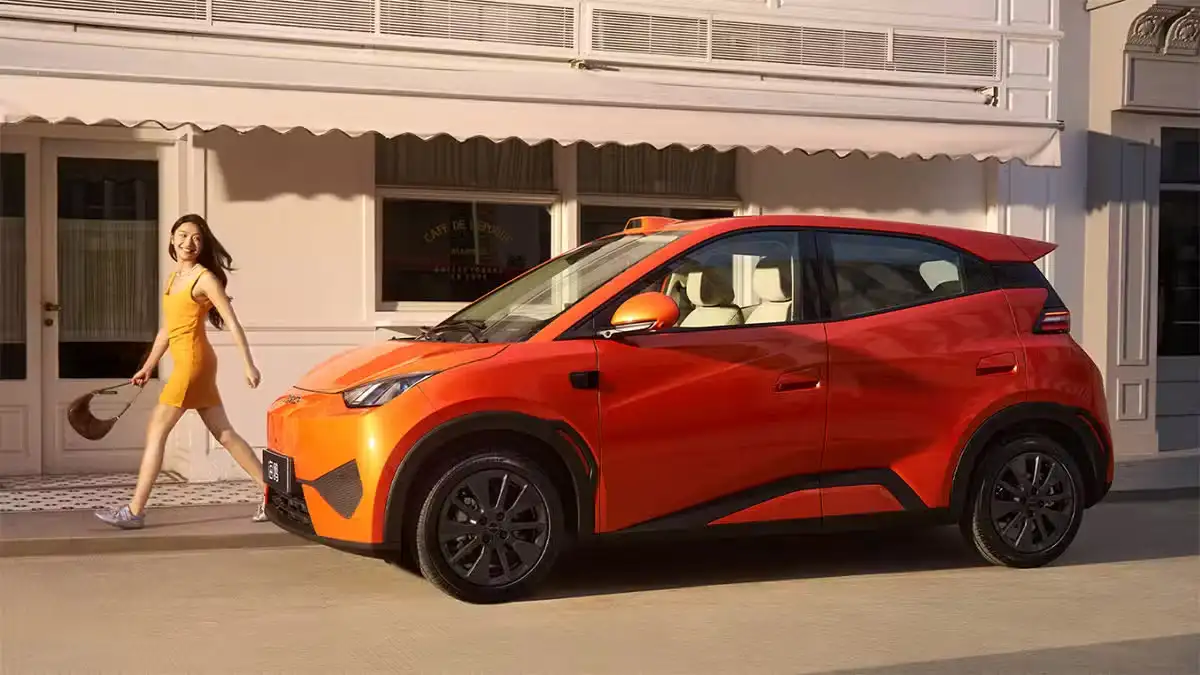
The optional God’s Eye B system, also known as DiPilot 300, adds a more serious smart-driving layer to the Seagull. Reports say the system supports city navigation assist, traffic light recognition and roundabout navigation, depending on the selected version and package.
This matters because city driving is exactly where a car like the Seagull lives. It is built for dense streets, short commutes, tight parking spaces and younger buyers who expect their cars to feel connected and intelligent. Adding advanced assistance features to that formula makes the Seagull feel less like a cheap EV and more like a compact tech product on wheels.
Still Small, Still Practical
Despite the technology upgrade, BYD has kept the Seagull’s core formula intact. The 2026 model measures 3,780 mm in length, 1,715 mm in width and 1,540 mm in height, with a 2,500 mm wheelbase. It uses a 55 kW electric motor and offers two battery options, delivering claimed ranges of 305 km and 405 km depending on the version.
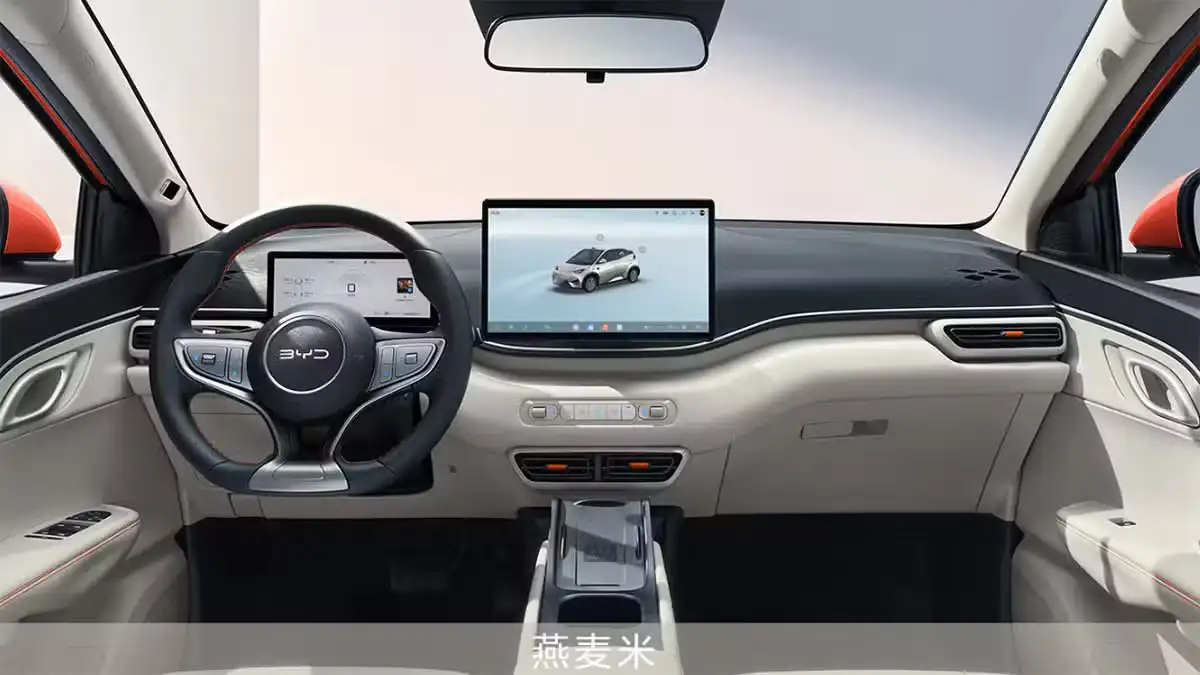
Inside, the car receives a more polished cabin experience, including a larger 12.8-inch floating central screen, an updated interior colour option, 50W wireless phone charging and automatic air conditioning. These are small details individually, but together they make the Seagull feel more mature than the usual budget-city-car image.
A Direct Challenge to the Market
The timing is not random. China’s affordable EV segment is becoming more aggressive, with strong pressure from rivals like Geely, Leapmotor and Arcfox. The Seagull was already a major sales success for BYD, with CnEVPost reporting 529,537 units sold in 2025, but the market around it is moving quickly.
By adding LiDAR and stronger smart-driving credentials, BYD is trying to protect one of its most important models from being treated as just another cheap EV. Instead, it is giving the Seagull a sharper identity: affordable, but not basic.
Why This Matters Beyond China
For global markets, including the Middle East, the 2026 Seagull shows where Chinese EVs are heading. The biggest threat from Chinese automakers is no longer only low pricing. It is the speed at which they are moving premium features into mainstream cars.
BYD already has an official UAE presence through Al-Futtaim, with a local line-up that includes fully electric and plug-in hybrid models such as Sealion 7, Han, Seal and Shark 6. The Seagull is not currently listed on BYD UAE’s official model range, but its technology direction is still relevant to the region.
If features like LiDAR-supported driver assistance continue moving downmarket, GCC buyers could soon expect far more technology from cars at much lower prices than before.
The Bottom Line
The 2026 BYD Seagull is not just a facelift. It is a warning shot.
By placing LiDAR in a mini EV, BYD is challenging the old idea that advanced driver assistance belongs only in expensive cars. The Seagull remains small and affordable, but it now carries a much bigger message: the next phase of the EV race will not only be about range and price, but about who can make advanced technology available to everyone first.