
- The Science Behind EV Charging & Heat
- How Heat Affects EV Chargers
- What Happens to Your EV Battery
- Real‑World Impact in the UAE
- Smart Solutions and Best Practices
- Infrastructure Adaptations Across the UAE
- “The Battery and the Sun”
- Looking to the Future
With summer temperatures often surpassing 50°C, the UAE’s intense climate poses unique challenges not just for electric vehicles (EVs) themselves, but also for EV chargers that power them. As the nation accelerates toward a zero-emission future supported by initiatives like the Dubai Clean Energy Strategy 2050, understanding how extreme heat affects both charging infrastructure and battery efficiency is crucial for drivers and industry planners alike.
Electric cars may be silent, but in the summer sun, their systems work overtime—protecting batteries, regulating temperature, and maintaining safe charging operations.
The Science Behind EV Charging & Heat
Sources: CITA Chargers, The National, PitStop Arabia, Emagine Energy
These numbers reveal how compounded heat affects every component of the EV ecosystem—from grid infrastructure to the lithium-ion cells inside your car.
How Heat Affects EV Chargers
While EV chargers are specifically built to handle UAE’s environment—with IP54 to IK10 durability ratings—continuous exposure to searing conditions can:
- Cause derating, where the charger automatically reduces power to avoid heat buildup.
- Trigger shutdown cycles if internal components exceed safe thresholds.
- Lead to faster aging of electronic boards, contactors, and cables.
- Increase maintenance frequency due to dust and thermal expansion of materials.
Manufacturers counter these issues by including:
Active cooling systems inside fast chargers.
Thermal sensors that adjust current flow.
Smart network diagnostics to detect overheating early.

What Happens to Your EV Battery
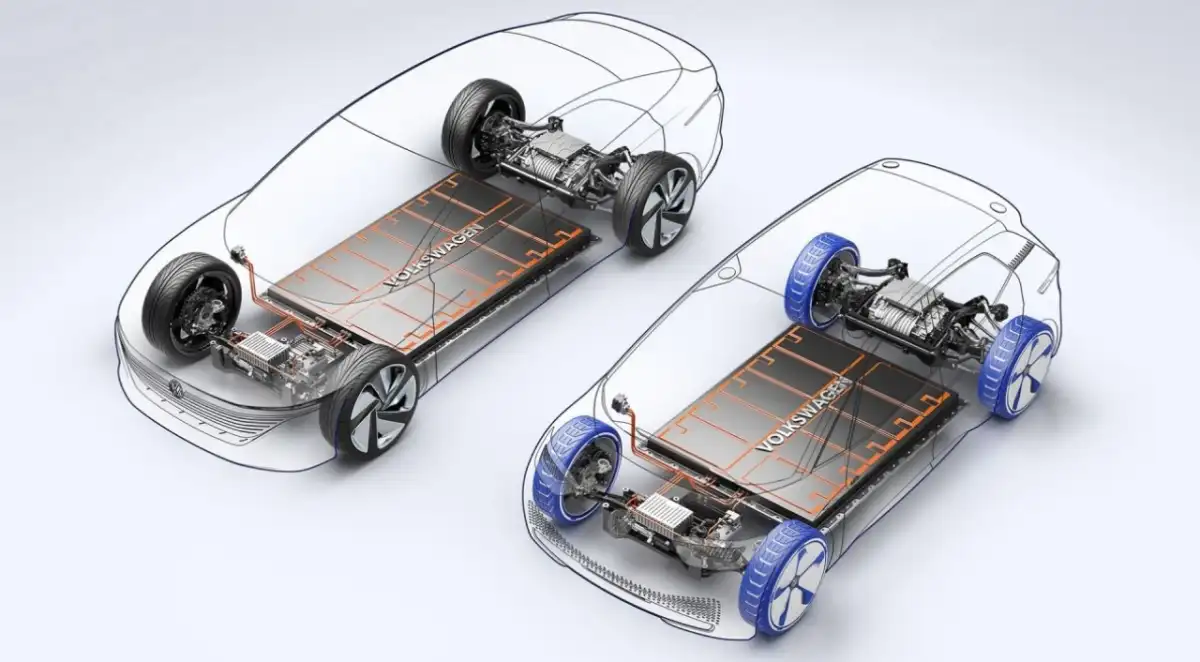
The battery is the most heat-sensitive part of an EV.
When exposed to high ambient temperatures:
- Charging slows down significantly, especially at DC fast stations.
- Battery range shrinks temporarily because energy is used to cool cells.
- Long-term degradation accelerates as chemical reactions inside cells speed up.
- Reaching 100% charge in high heat can stress the battery—best to limit to 80 % in summer.
Lithium-ion batteries perform best between 20°C and 35°C. Exceeding 40°C for long periods can reduce battery lifespan by 15–20 %.
Real‑World Impact in the UAE
- Dubai and Abu Dhabi regularly hit 50°C in July and August, challenging outdoor chargers.
- According to EV Lab, owners who park and charge under direct sunlight lose approximately 10 % in charging speed and notice range drop of about 17 %.
- Some EV users in Sharjah and Fujairah reported automatic reductions in DC‑charger output by 20‑30 % during midday hours as a preventive measure.
Smart Solutions and Best Practices
Adapting charging habits to the region’s conditions can help prolong battery and charger life.
Practical Tips:
- Charge your EV at night or early morning when ambient temperatures are lower.
- Avoid fast charging immediately after a long drive — let the battery cool.
- Park in shaded areas or covered charging bays.
- Limit charging to 80 % in extreme heat to protect cell structure.
- Periodically inspect coolant systems in liquid‑cooled batteries and chargers.
- Opt for certified chargers rated as IP65 or higher to handle UAE dust and humidity.
Infrastructure Adaptations Across the UAE
Authorities and manufacturers are already responding to climate demands:
- DEWA and ADNOC Distribution have optimized their DC fast chargers with built‑in climate control modules.
- Smart EV charging hubs use AI temperature tracking to adjust charging speed based on local weather data.
- Upcoming installations in Dubai are planned with solar‑roof canopies that provide shade and self‑power.
- Private developers like CITA Chargers and EV Green Solutions are introducing IP68‑rated liquid‑cooled charging stations.
“The Battery and the Sun”
A young driver parked her EV under a palm tree, wondering why her battery tired so quickly in the heat. The Sun whispered, “I shine for life, but too much of me burns it away.”
So she waited for twilight and charged again — the battery welcomed the cool breeze and restored its energy.
Moral: Even machines need shade; timing matters as much as technology.
Looking to the Future
The rapid EV adoption in the UAE means that charging technologies must evolve alongside the climate.
Manufacturers are developing advanced cooling solutions such as liquid sub‑surface chargers, smart thermal coatings, and heat‑adaptive algorithms that adjust power flow based on temperature data in real‑time.
As EV ownership continues to rise, these innovations will allow drivers to charge comfortably year‑round — turning the UAE’s intense sun from a challenge into a source of renewable power and inspiration.