

- Understanding Where EV Energy Really Goes
- Do Radio, Infotainment, and Phone Charging Reduce EV Range?
- Where EV Range Actually Takes a Hit
- Why EVs Feel More Sensitive to Small Loads
- Real-World Scenario Examples
- Smart EV Efficiency Tips (That Actually Matter)
- Accessories vs Driving Range
- What EV Engineers Say
- Should You Worry?
Electric vehicles promise quiet operation, instant torque, and impressive efficiency—but many drivers still wonder:
Does turning on the radio, charging your phone, or running onboard electronics actually reduce EV range in a meaningful way?
The short answer is yes—but not in the way most people think.
The long answer is more nuanced, and understanding it helps EV owners drive smarter, plan better, and worry less.
This article breaks down how auxiliary electrical systems affect EV range, what truly matters, and which features deserve your attention—and which don’t.
Understanding Where EV Energy Really Goes
Unlike combustion cars that waste most energy as heat, EVs are highly efficient. However, every electrical function still draws power from the same battery that propels the wheels.
That power is divided into two main categories:
1. Propulsion Energy
This is the largest consumer of energy and includes:
Electric motors
Power electronics
Drivetrain losses
Aerodynamic and rolling resistance
2. Auxiliary (Accessory) Energy
These systems support comfort, safety, and entertainment:
Infotainment systems
Phone charging ports
Interior and exterior lighting
Climate control
Driver-assistance sensors and computers
The key question is how large that second slice really is.
Do Radio, Infotainment, and Phone Charging Reduce EV Range?
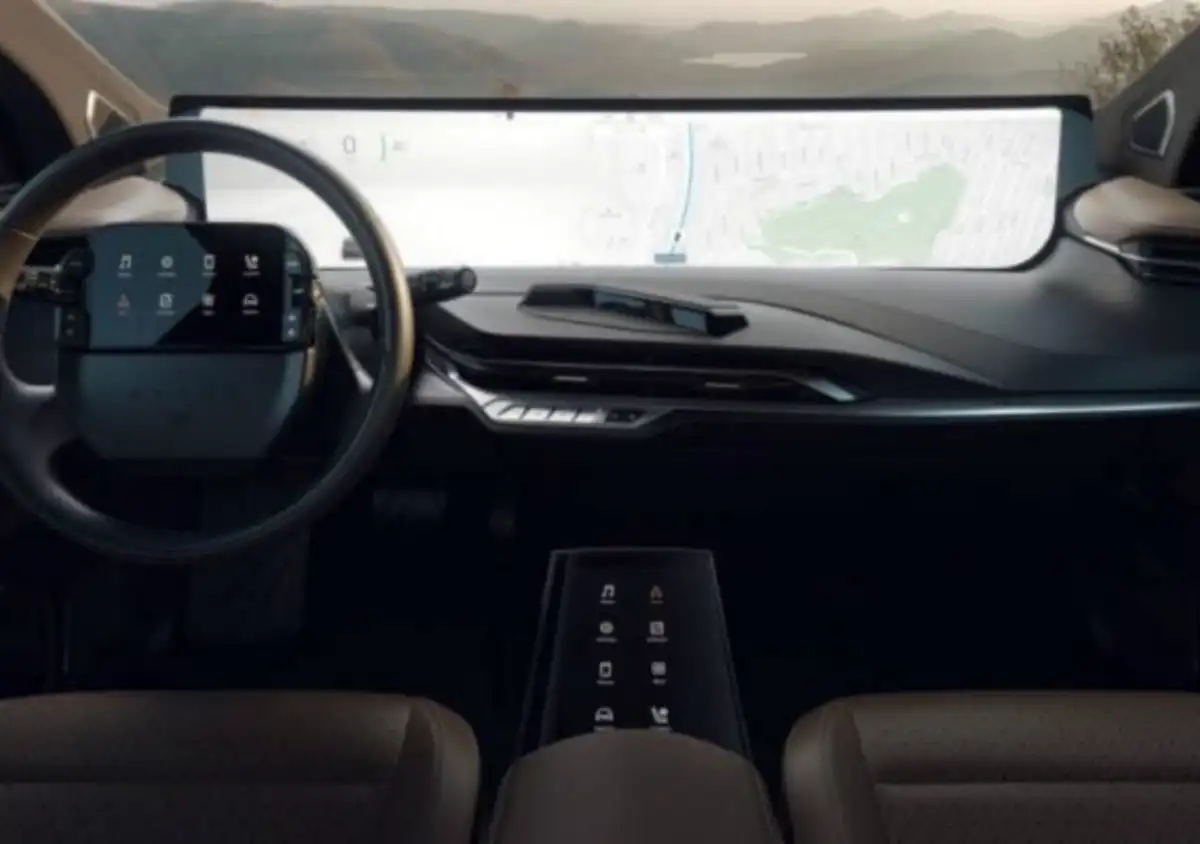
The Honest Answer: Technically yes — practically negligible.
Let’s look at real-world power consumption.
Typical Power Draw of Common Accessories
Radio / Infotainment system:
Around 50–150 wattsPhone charging (USB or wireless):
Around 5–15 wattsDigital instrument cluster & displays:
Around 30–100 wattsInterior LED lighting:
Usually under 10 watts
To put this into perspective:
Driving at highway speed often requires 15,000–25,000 watts (15–25 kW).
Your phone charger uses less than 0.1% of that.
Conclusion:
Turning on the radio or charging your phone has almost no measurable impact on range.
Where EV Range Actually Takes a Hit
While small electronics barely matter, some systems draw significant power.
1. Climate Control (Heating & Cooling)
This is the biggest non-driving energy consumer in an EV.
Air conditioning:
1–3 kW depending on conditionsCabin heating (resistive heaters):
3–6 kW in cold weatherHeat pumps (more efficient):
1–2 kW under moderate conditions
In extreme heat or cold, climate control alone can reduce range by 10–30%.
2. Battery Thermal Management
EVs actively manage battery temperature to protect longevity and performance.
Cooling or heating the battery uses:
Electric pumps
Fans
Compressors
This happens automatically and invisibly
During:
Fast charging
High-speed driving
Extreme weather
…the system may consume hundreds to thousands of watts.
3. Advanced Driver Assistance Systems (ADAS)
Systems such as:
Adaptive cruise control
Lane centering
360-degree cameras
Radar and LiDAR (where equipped)
These require:
Sensors
High-performance computers
Continuous data processing
Power draw is modest but constant—usually 200–500 watts.
Why EVs Feel More Sensitive to Small Loads
Drivers coming from gasoline cars often feel EVs are “more sensitive” to accessories. Here’s why:
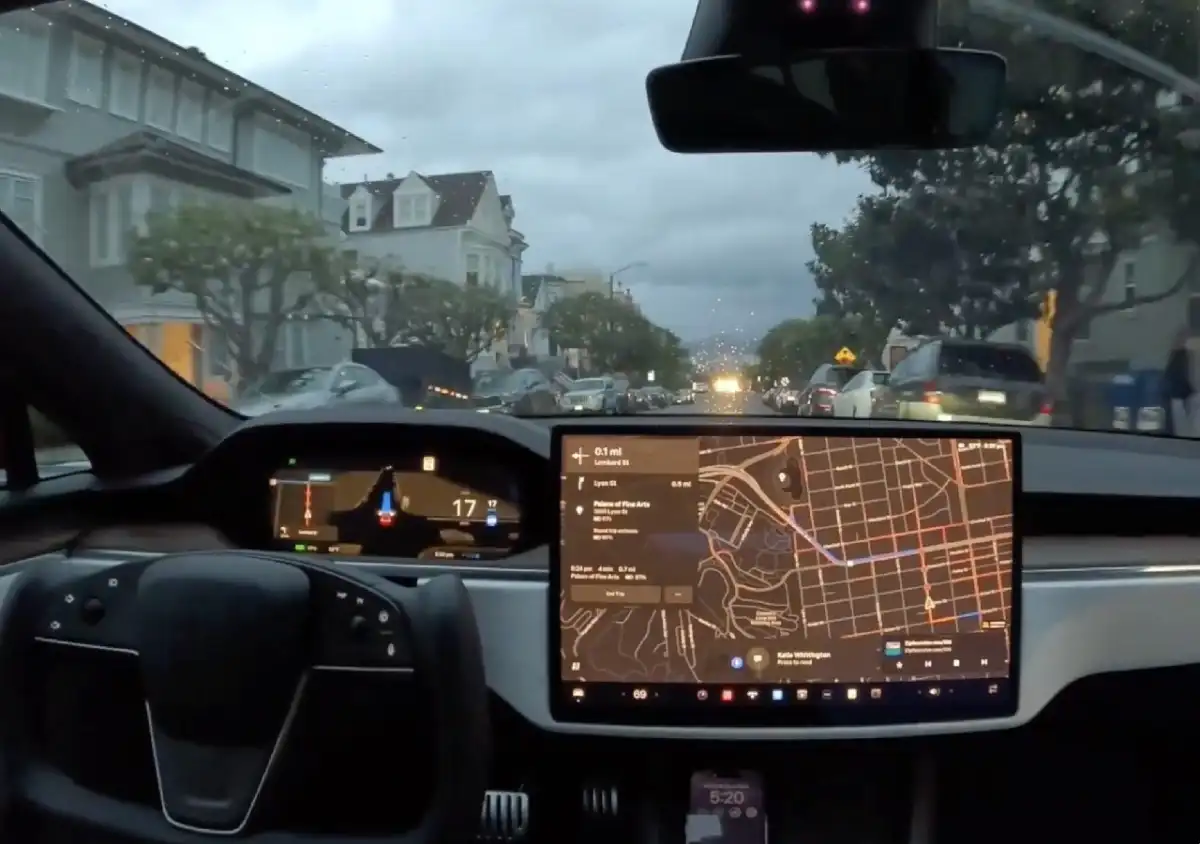
EV dashboards show real-time range estimates
Even small changes are immediately visible
Range anxiety magnifies awareness of consumption
In contrast, fuel cars:
Hide small efficiency losses
Have large energy reserves in fuel tanks
Do not display live consumption as clearly
Real-World Scenario Examples
Scenario 1: City Commute
Radio on
Phone charging
Climate control off or mild
Range impact: Virtually zero
Scenario 2: Highway Trip in Summer
AC on high
Infotainment active
Navigation running
Driver assists enabled
Range impact: Mostly from AC and speed, not electronics
Scenario 3: Winter Driving
Heater on max
Heated seats and steering wheel
Battery warming
Range impact: Significant (up to 30%)
Smart EV Efficiency Tips (That Actually Matter)
Instead of worrying about your phone charger, focus on these:
Pre-condition the cabin while plugged in
Use seat heaters instead of cabin heating
Maintain steady speeds
Avoid repeated hard acceleration
Keep tires properly inflated
Limit fast charging in extreme heat
Accessories vs Driving Range
What EV Engineers Say
Battery and vehicle engineers generally agree on one principle:
“Efficiency anxiety should focus on climate and speed, not convenience features.”
Modern EVs are designed so that:
Comfort electronics are energy-efficient
Major power draw comes from motion and temperature control
Everyday tech features are optimized for minimal impact
Should You Worry?
No — not about radio, screens, or phone charging.
Yes, you should be mindful of:
Climate control usage
Extreme temperatures
High-speed driving
Enjoy your EV as it was designed:
quiet, comfortable, and connected—without sacrificing meaningful range.