

- A rally legend meets a French engineering icon
- From Dakar stages to city streets: two faces of the same love for speed
- Bugatti Chiron: a quick look at the outrageous specs
- Dakar rally car vs Bugatti Chiron
- Why the Chiron actually “makes sense” in Yazeed’s garage
- Visual and aesthetic elements: between Yazeed’s identity and Bugatti’s character
- Cabin contrast: from race “cockpit” to 400+ km/h lounge
- The legend of Yazeed Al Rajhi: when the car becomes part of the story
- driver legend vs car legend
- when the Chiron becomes a mirror of an entire journey
Yazeed Al Rajhi’s story with the Bugatti Chiron is not just about a businessman and rally driver owning one of the fastest cars in the world; it reflects a Saudi success journey that started with a passion for speed and adventure and culminated in owning an engineering icon that combines extreme performance with ultimate luxury. In a world where the Bugatti Chiron is an unreachable dream for most car enthusiasts, this hypercar in Yazeed’s garage becomes a living symbol of how far passion can go when backed by hard work and determination.
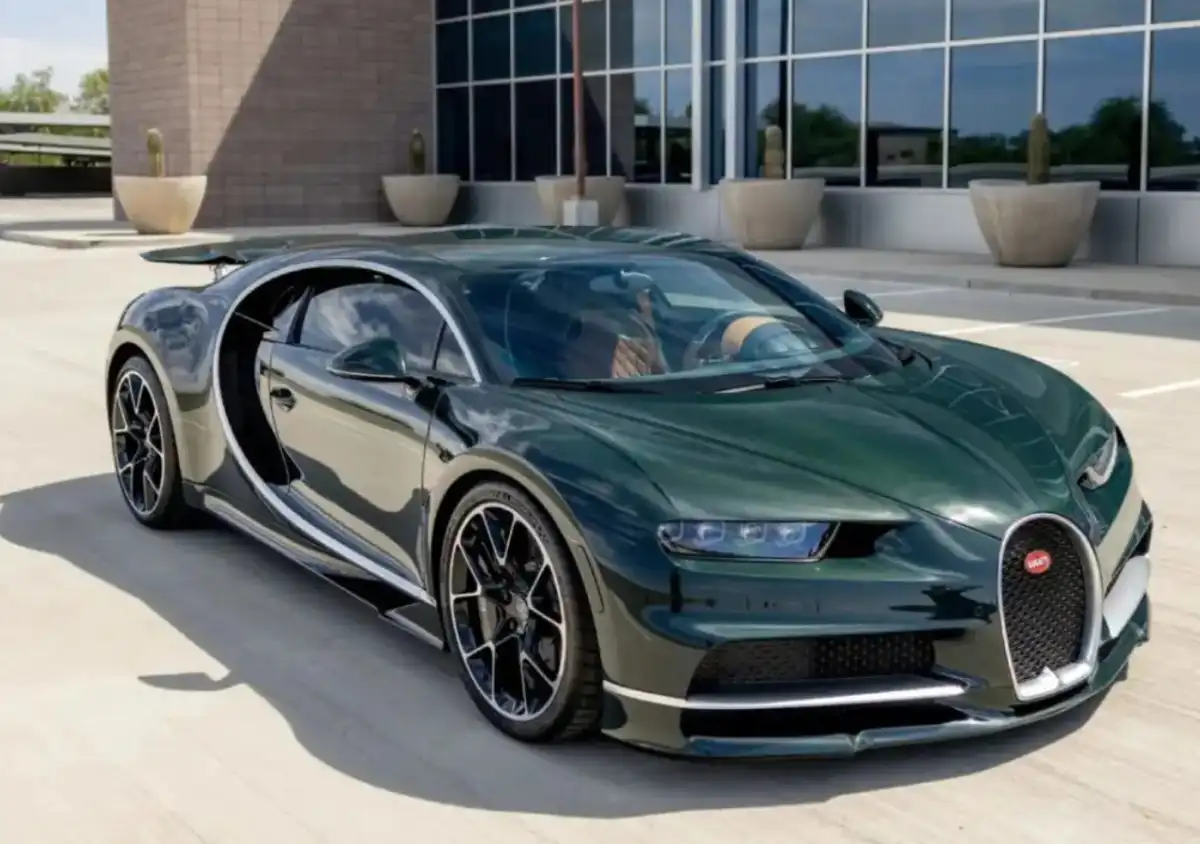
A rally legend meets a French engineering icon
Yazeed Al Rajhi is one of the most prominent names in cross‑country rallies and the Dakar Rally in the region and globally, known to fans as a fearless driver who loves tackling the toughest terrains. In contrast, the Bugatti Chiron represents the peak of what the supercar industry has achieved: a monstrous engine, near‑aircraft top speeds, and visually breathtaking presence. When a personality like Yazeed meets a car like the Chiron, the story is no longer about “buying a car”, but about the meeting of two legends: a human legend and an engineering one.
From Dakar stages to city streets: two faces of the same love for speed
Yazeed Al Rajhi is used to handling rally cars built to survive jumps, dunes and rocks, with reinforced bodies and hardcore suspension aimed purely at function in a competition environment.
By contrast, the Bugatti Chiron is built for a completely different world:
Clean asphalt.
Insane speeds.
A precise balance between aerodynamics and control.
This contrast makes owning a Chiron a natural extension of Yazeed’s character:
In rallying: he fights raw nature.
On the road: he commands a piece of engineering art that pushes the limits of physics.
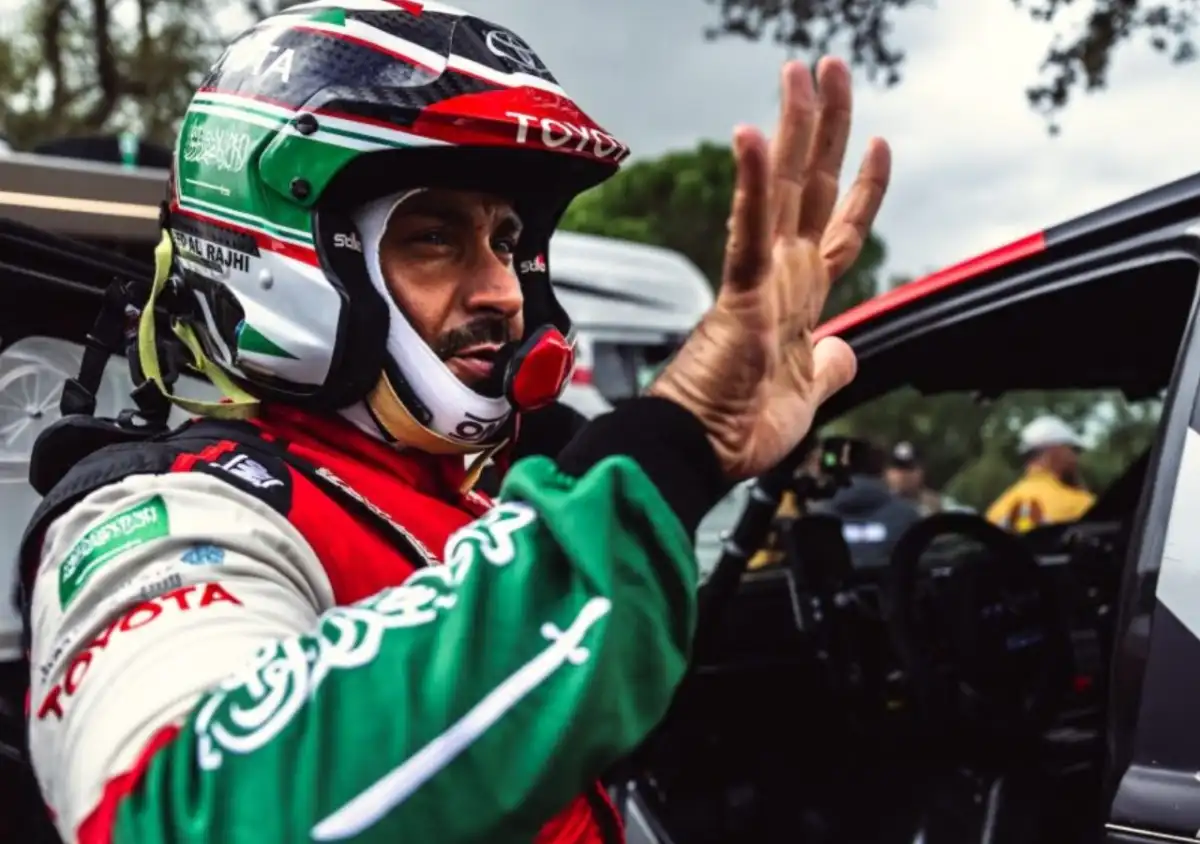
Bugatti Chiron: a quick look at the outrageous specs
Although there are several Chiron variants (standard, Sport, Super Sport, etc.), the fundamentals are similar:
8.0‑liter W16 engine with four turbochargers.
Output in the region of 1,500 hp (or more in some special variants).
Gigantic torque exceeding 1,600 Nm over a broad rev range.
0–100 km/h in roughly 2.5–2.6 seconds, depending on version and conditions.
Top speed in road‑legal form electronically limited around 420 km/h, with even higher potential for certain special versions.
These aren’t just numbers on a spec sheet; they mean that a driver who is used to cresting sand dunes at 160–180 km/h in a rally car can, in the Chiron, experience a kind of straight‑line acceleration unlike anything else on public roads.
Dakar rally car vs Bugatti Chiron
Why the Chiron actually “makes sense” in Yazeed’s garage
At first glance, owning a Chiron can look like pure showmanship, but in the context of Yazeed Al Rajhi’s journey it becomes part of a coherent personal narrative:
Early passion for cars and speed.
Entry into rallying and climbing to the highest levels (world‑class events, Dakar).
Building a car fleet that covers: rally cars, super sports cars, and high‑end luxury models.
Within this ecosystem, the Bugatti Chiron is:
The top of the pyramid on the hypercar side.
A tangible expression of the idea: “if you live at the limit in rally stages, it’s natural to own the absolute limit on the road as well.”

Visual and aesthetic elements: between Yazeed’s identity and Bugatti’s character
The Bugatti Chiron is more than performance figures; it’s a moving piece of design and craftsmanship:
A low, wide front end with the famous horseshoe grille.
A dramatic side curve sweeping around the doors, forming Bugatti’s modern signature line.
A wide rear with a full‑width light strip and central/multi‑exit exhaust that visually broadcasts power.
In the hands of someone like Yazeed, there’s room to play with personalisation details such as:
Special exterior colours tied to the Saudi flag or his rally team colours.
Interior embroidery featuring his initials or bespoke logos.
Exposed carbon‑fiber elements that highlight the car’s hardcore performance side despite the luxurious cabin.
Cabin contrast: from race “cockpit” to 400+ km/h lounge
Inside a rally car, Yazeed is surrounded by:
Narrow bucket seats.
Full roll cage.
Functional, stripped‑out instrumentation with zero concern for luxury.
Inside the Chiron:
Fine leather with intricate hand stitching.
Machined aluminium and beautifully weighted switches.
A blend of analogue‑style gauges and modern digital elements.
This contrast gives Yazeed two very different sides of driving:
One: fighting the terrain.
The other: harmonising with an engineering masterpiece that tries to make extreme speed as composed as possible.
The legend of Yazeed Al Rajhi: when the car becomes part of the story
Yazeed is not just a wealthy owner of a rare car; his fame is rooted in rally achievements, and that context gives the Chiron a different kind of aura:
When fans see a Bugatti in the garage of a personality known for professional driving, they feel the car is “in hands that truly understand its power.”
Stories that can be told about private track days or legal high‑speed runs abroad add layers to the legend of the bond between driver and car.
In this sense, the Chiron evolves from being simply an ultra‑expensive possession to a new chapter in a living motorsport story.
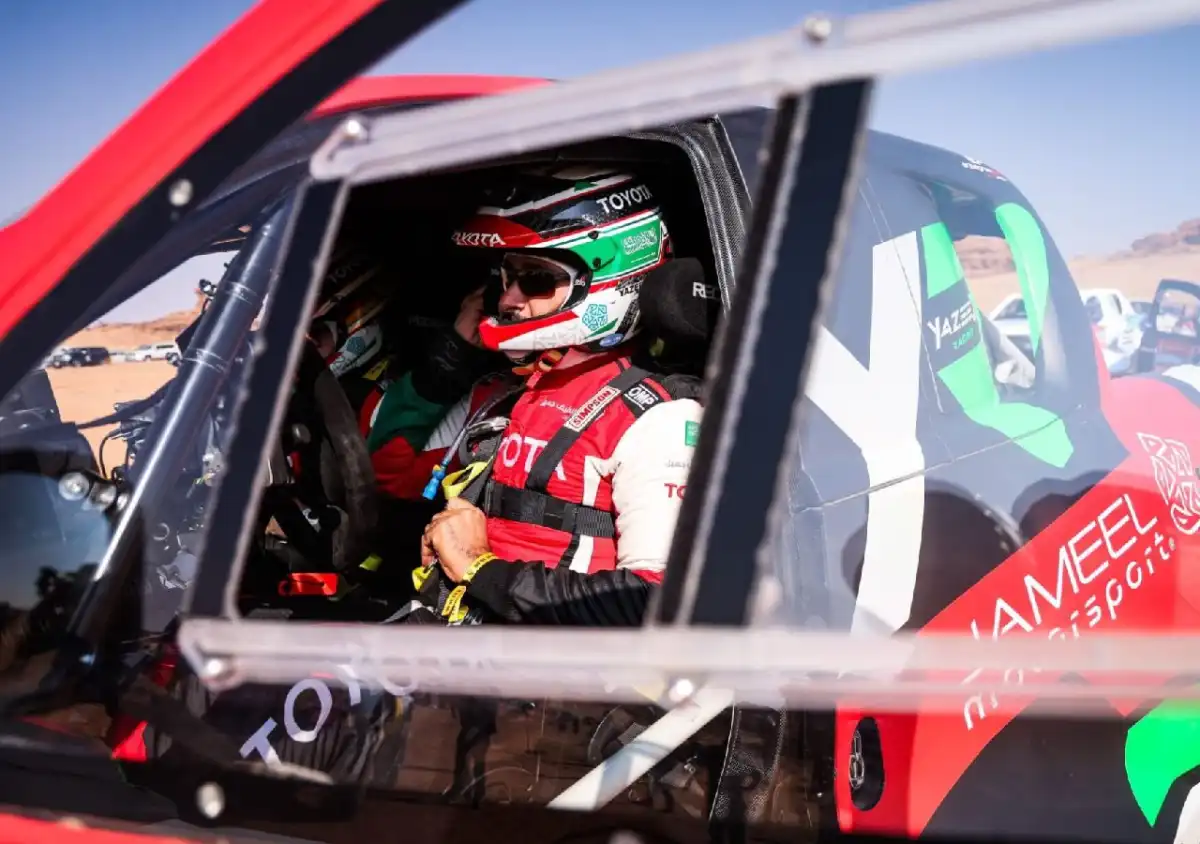
driver legend vs car legend
when the Chiron becomes a mirror of an entire journey
The legend of Yazeed Al Rajhi and his Bugatti Chiron is not merely about having “the most expensive car in the garage”; it is about how a passion‑driven path that began in the sands and dunes can eventually lead to the driver’s seat of one of the most complex and expensive cars on the planet. For car fans in Saudi Arabia and the Arab world, this story is a vivid, visual lesson: the road from rally dunes to 400‑km/h hypercars can be one continuous road, if ambition, hard work and talent come together.