
- Super e-Platform: Megawatt Flash Charging Ends Range Anxiety
- God’s Eye 5.0: Bringing Intelligent Driving to the Masses
- DM6.0 and Yunlin: The Efficiency Revolution of Hybrid Powertrains and Democratization of Chassis Comfort
- Solid-State Batteries: Breakthroughs and Outlook for Next-Generation Technology
- From Desert to Race Track: The Technological Backing for BYD’s Global Expansion
On March 5, 2026, at the Shenzhen Universiade Center Gymnasium, BYDEgypt BYDUAE BYDKSA BYDBahrain BYDKuwait BYDOman BYDQatar BYD hosted a launch event with no new cars on stage — yet it sent shockwaves through the entire new energy vehicle industry.Titled “Awakening Without Sound, Thunder in Silence,” this disruptive technology launch marked 2026 as the year of BYD’s full-scale technological explosion.As the first half of electrification reaches a successful conclusion and the second half of intelligence accelerates, BYD is leveraging the philosophy of “tech democratization” — bringing cutting-edge technologies once reserved for luxury vehicles priced over a million yuan down to the mainstream market of 150,000–200,000 yuan.

Super e-Platform: Megawatt Flash Charging Ends Range Anxiety
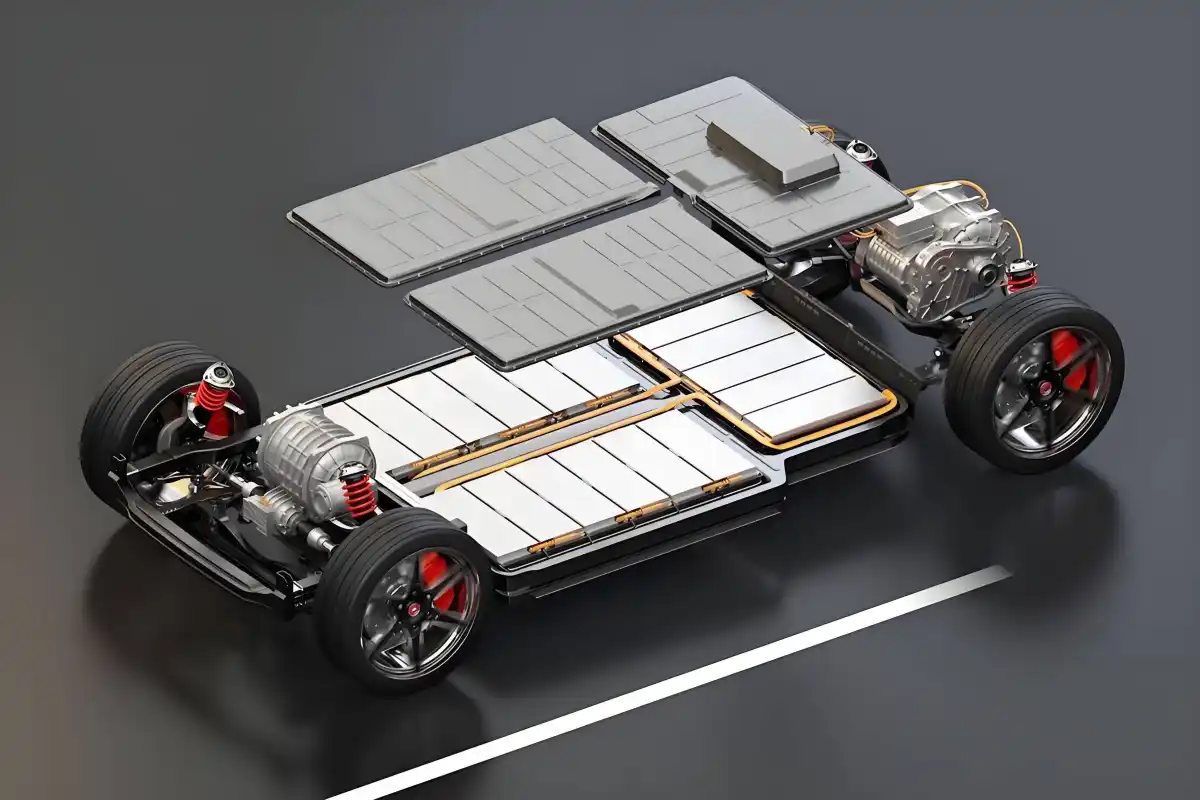
BYD has built the Super e-Platform as its technological foundation, creating the world’s first mass-produced “full-domain 1000V high-voltage architecture” for passenger vehicles, elevating the battery, motor, power supply, air conditioning, and other core components to the 1000V level.The platform achieves 1000V maximum charging voltage, 1000A maximum charging current, a 10C charging rate, and 1 megawatt of maximum charging power — widely regarded as a revolutionary leap in EV charging efficiency.
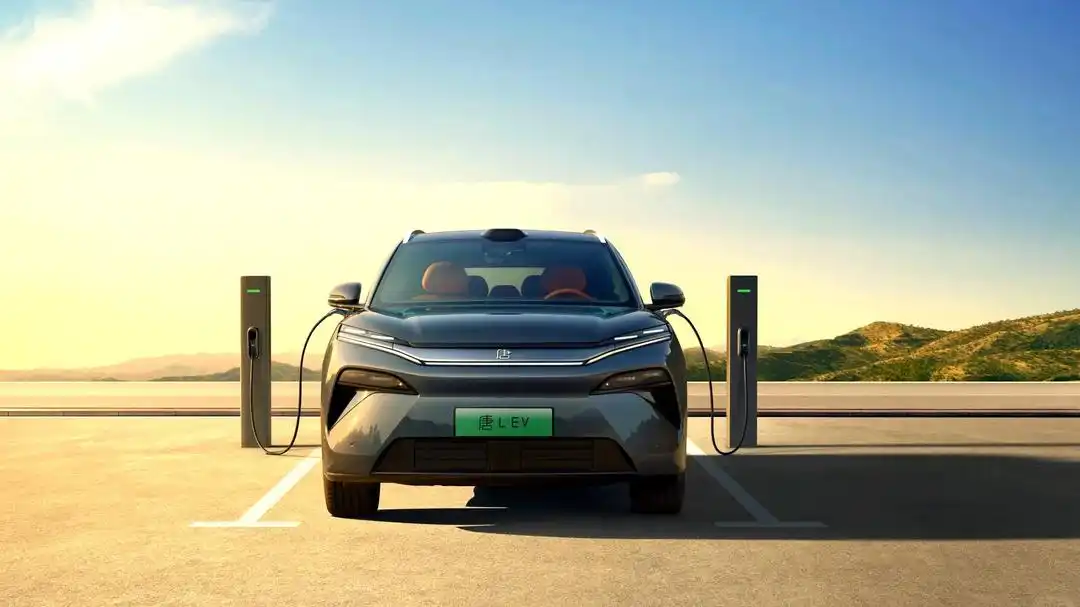 At the core of this system, BYD unveiled the second-generation Blade Battery in March 2026. Its energy density has jumped to 190–210Wh/kg, an increase of approximately 30% over the first generation, enabling a 120kWh battery pack to achieve a CLTC range exceeding 1,000 kilometers.In low-temperature performance, capacity retention exceeds 85% at -20°C, with winter range degradation limited to under 15% — far superior to the 25%–35% degradation of conventional ternary lithium batteries.On safety, the second-generation Blade Battery retains the nail-penetration non-combustion safety characteristic, with cycle life exceeding 3,300 cycles and a service life of up to 1.5 million kilometers.Charging from 10% to 97% takes only 9 minutes at room temperature, and even in the severe cold of northern China, charging from 20% to 97% requires just 12 minutes.
On the infrastructure front, BYD has committed to building 20,000 flash charging stations by the end of 2026, creating a 3-kilometer coverage network in first- and second-tier cities, making high-efficiency energy replenishment easily accessible.The significance is that EV charging efficiency has, for the first time, truly caught up with gasoline refueling — 9 minutes of charging yields over 500 kilometers of range. When the laws of physics are no longer the bottleneck limiting charging speed, technology has truly rewritten the rules.
 God’s Eye 5.0: Bringing Intelligent Driving to the Masses
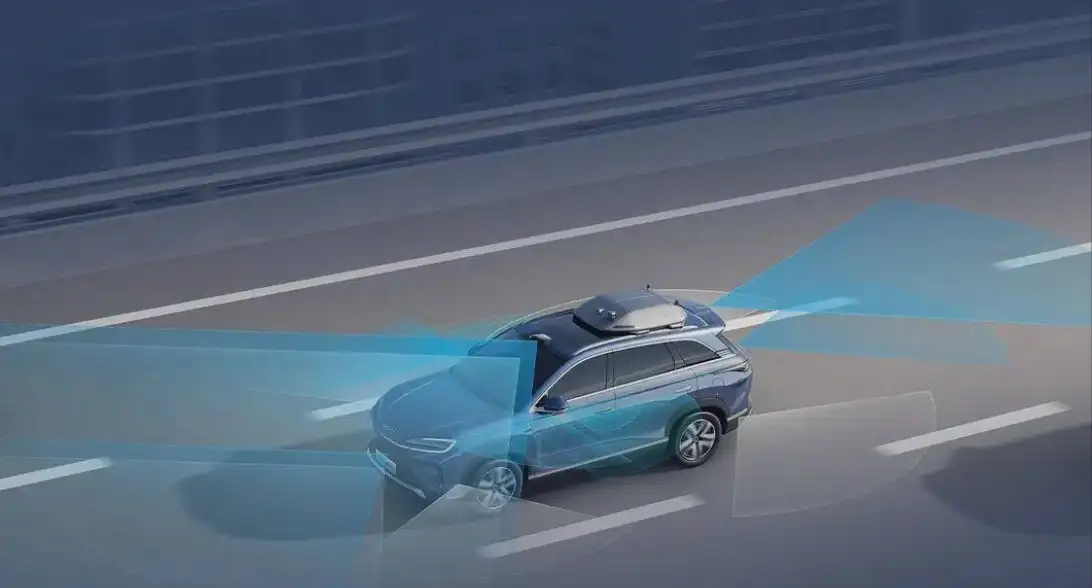
On the intelligence front, BYD officially released the God’s Eye 5.0 system on January 28, 2026, adding reinforcement learning capabilities to its end-to-end large model foundation, enabling AI-driven autonomous evolution.By the end of 2025, BYD had sold more than 2.56 million vehicles equipped with the God’s Eye system, generating over 160 million effective driving kilometers per day — amassing a vast pool of real-world data to drive model iteration.
At a recent earnings call, BYD Chairman and President Wang Chuanfu clearly stated that the company will officially launch the “Driver Assistance for All 2.0” strategy in May 2026, with the core mission of breaking down the price barriers of high-end driver assistance through “accessible intelligence.”This means that vehicles equipped with lidar and other high-end hardware will no longer be confined to premium brands but will rapidly cascade down to the mainstream household car market. By leveraging mass production to lower hardware costs, BYD is bringing intelligent driving experiences once reserved for luxury brands into mainstream price segments.
DM6.0 and Yunlin: The Efficiency Revolution of Hybrid Powertrains and Democratization of Chassis Comfort
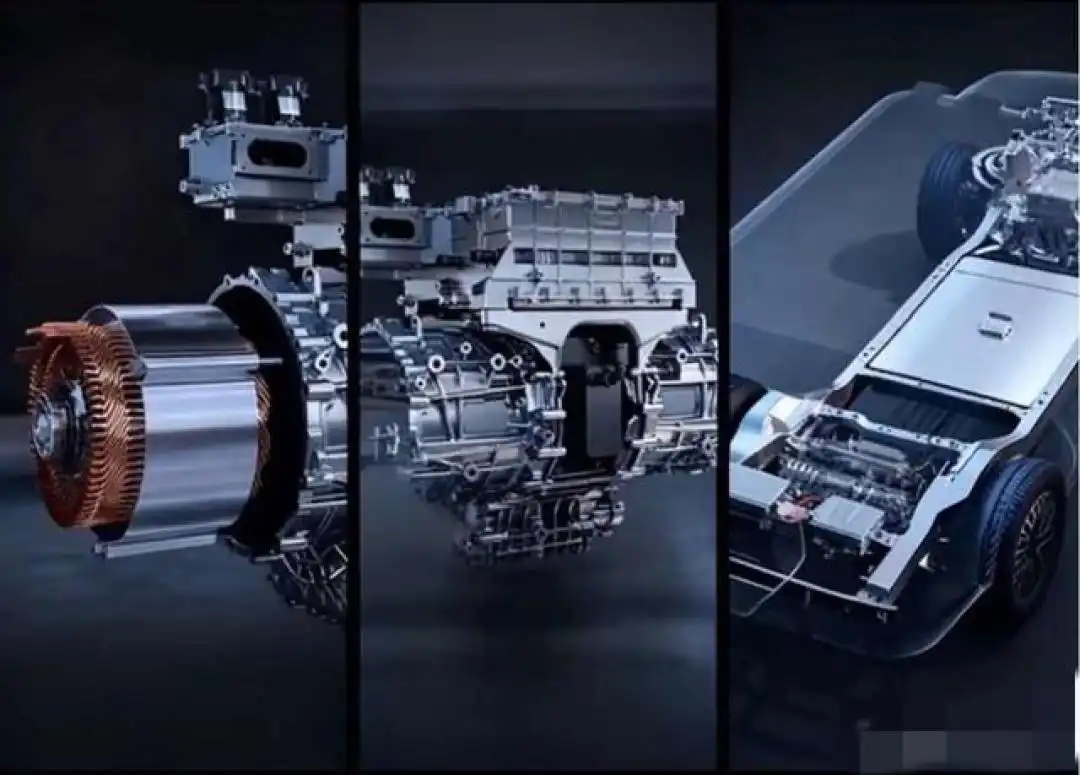
In the hybrid domain, BYD’s DM6.0 Super Hybrid System has pushed fuel consumption into the “2-liter era.” The dedicated Xiaoyun engine achieves a thermal efficiency exceeding 46.5%, with WLTC fuel consumption as low as 2.4L/100km and a combined range exceeding 2,000 kilometers — dramatically reducing daily driving costs for users.
On the chassis front, the Yunlin intelligent suspension control system is cascading down from premium brands such as YangwangBahrain YangwangEgypt YangwangKSA YangwangKuwait YangwangOman YangwangQatar YangwangUAE Yangwang and DenzaBahrain DenzaEgypt DenzaKSA DenzaKuwait DenzaOman DenzaQatar DenzaUAE Denza across the entire lineup. Mainstream models including the 2026 Seal 06 DM-i Touring and Sealion 05 DM-i now come standard with Yunlin-C intelligent damping suspension, complete with preview functionality.The previously widespread criticism of “soft tuning, no road feel, handling like a boat in corners” has been fundamentally addressed.From premium exclusive to mainstream standard, BYD is using technology to shatter the conventional wisdom that “good chassis belongs only to luxury cars.”
Solid-State Batteries: Breakthroughs and Outlook for Next-Generation Technology
Looking further ahead, BYD is also accelerating its solid-state battery efforts. At a seminar held on March 27, 2026, Lian Yubo — a member of the Chinese Academy of Engineering and BYD’s Chief Scientist — pointed out that the industrialization of all-solid-state batteries has entered the “breakthrough stage.”BYD has achieved phased breakthroughs in key metrics such as battery life and fast-charging performance, with sulfide-based solid-state batteries identified as the primary technical direction and small-scale production expected by 2027.While challenges remain in engineering, cost control, and yield improvement — moving from “pilot line completion” to “mass production installation” to “stable deployment” — all-solid-state batteries are steadily transitioning from “long-term vision” to “near-term reality.”
From Desert to Race Track: The Technological Backing for BYD’s Global Expansion
Returning to the Middle East story we discussed earlier — where traditional V6/V8 large-displacement SUVs face new Chinese EV challengers driven by technology — BYD’s 2026 technology matrix provides a powerful answer: technological evolution has matured enough to enable a 1.5T-class electrified solution to challenge the “ceiling” of physical laws across power, efficiency, intelligence, comfort, and more. The first half of electrification, with megawatt flash charging, has proven that charging can be faster than refueling. The second half of intelligence, with God’s Eye 5.0, has proven that complex real-world driving capability can match or even surpass that of a seasoned driver. And the cascading of driver assistance and Yunlin technologies has proven that “good technology should not be a privilege for the few.” Whether on the red dunes of Saudi Arabia, the city streets of Europe, or the luxury SUV markets of the Middle East, the wave of tech democratization is sweeping across the globe.