

- First: What are tire sipes?
- Simple definition
- Where the name came from
- Second: How do sipes actually improve grip?
- More “teeth” in the rubber
- Flexing and trapping water or snow
- Flexibility and heat dissipation
- Third: Types of sipes and how they evolved
- From simple slits to 3D geometry
- How sipes are distributed across the tread
- Fourth: Why sipes matter so much on quality tires
- A decisive factor in wet performance
- Fuel economy and safety
- Fifth: What is aftermarket tire siping?
- The basic idea
- Where it’s used
- Sixth: Pros and cons of aftermarket siping
- Potential advantages
- Drawbacks and risks
- Seventh: The better alternative – proper winter tires
- Why winter tires are safer and smarter
- A key example
- Eighth: Practical tips for drivers
- Tiny cuts, a big role in your safety
When you look at a car tire from the outside, you only see the sidewalls and the tread that touches the road, but in reality the tire is a complex system of layers, materials, cords, and internal belts.
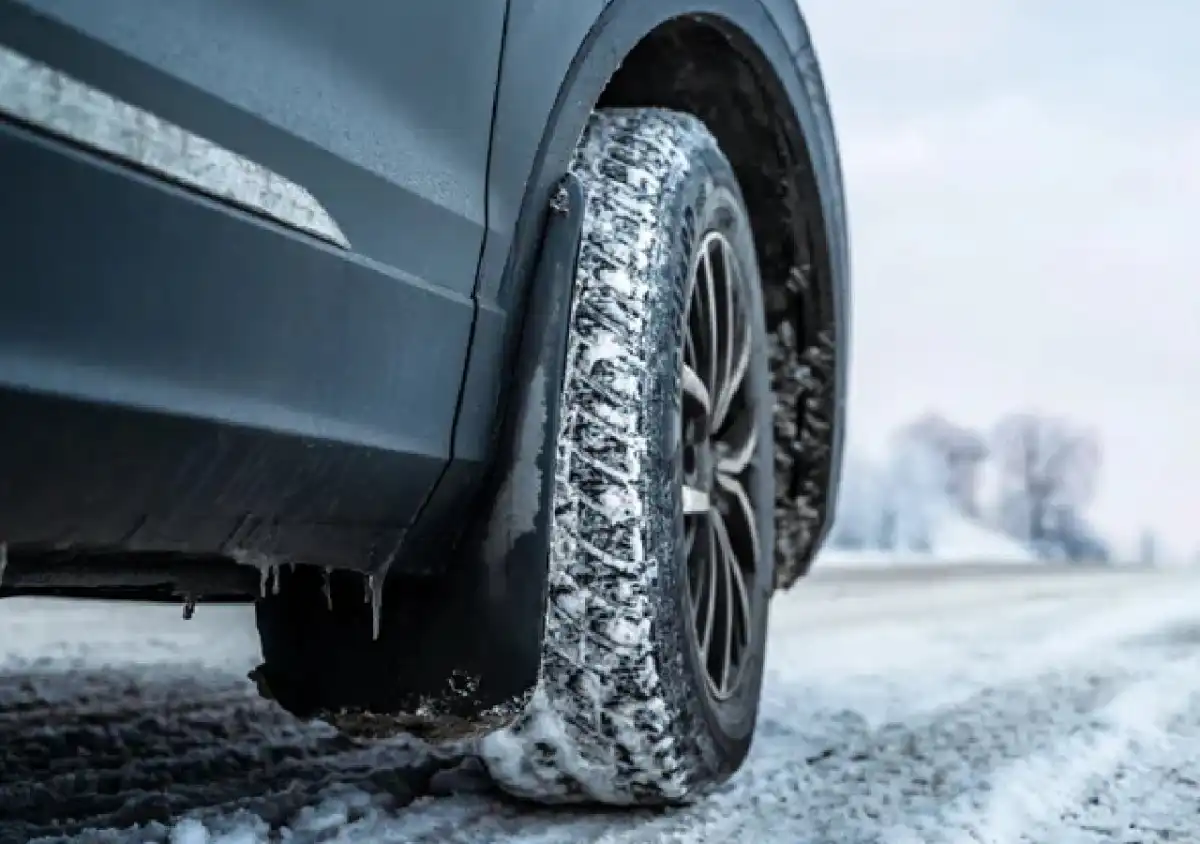
However, what matters most to the driver in daily use is what happens at the surface that meets the asphalt, where the tread pattern and with it the small sipes play the leading role in controlling grip, especially in rain, snow, and ice.
First: What are tire sipes?
Simple definition
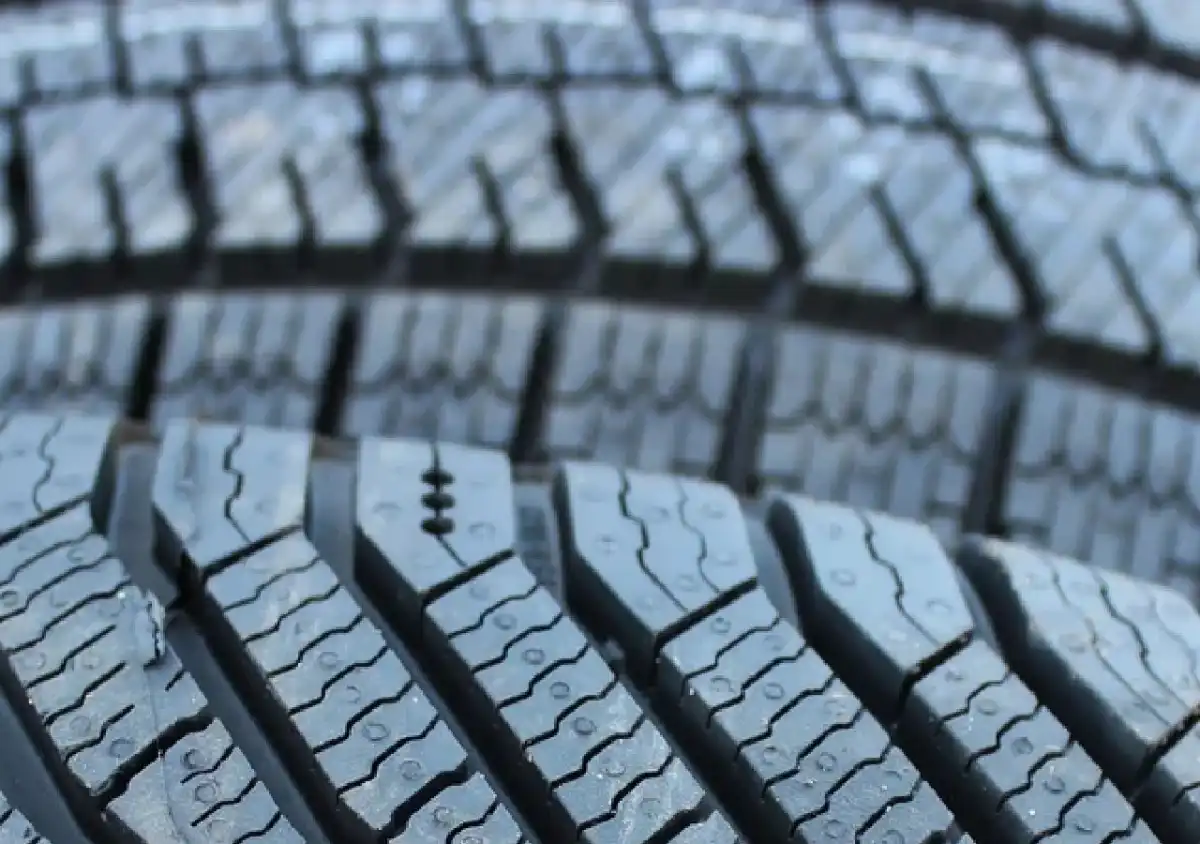
Sipes are the thin, shallow or zigzag cuts that run across the tread blocks of a tire.
They look like tiny slits on the tread surface, but they are carefully engineered to increase the number of biting edges that can “grab” the road.
Where the name came from
They are named after John F. Sipe, who reportedly began cutting slits into the soles of his shoes in the 1920s to reduce slipping on wet floors.
The idea then migrated into tire design in the 1950s for the same goal: improving traction on low‑friction surfaces like ice, rain, and snow.
Second: How do sipes actually improve grip?
More “teeth” in the rubber
Sipes can be thought of as tiny “teeth or claws” distributed across the tread:
Each small slit creates an extra edge that helps the tire bite into the surface, especially when the road is wet or covered by a thin layer of snow.
These fine edges help break through the thin film of water or slush that can cause slipping.
Flexing and trapping water or snow
As the tire rolls, some sipes open slightly under load and then close again, which allows them to:
Trap a small amount of water or snow inside the slit.
Keep more of the rubber in direct contact with the road instead of sliding over the water film.
This dynamic behaviour helps reduce hydroplaning and improves the feeling of grip in rain and snow.
Flexibility and heat dissipation
Sipes make the tread blocks more flexible instead of acting like solid chunks of rubber, which brings extra benefits:
Better pressure distribution on the road surface.
Improved heat dissipation, which can extend tread life.
Potentially better ride comfort, as the tire absorbs some of the fine vibrations.
Third: Types of sipes and how they evolved
From simple slits to 3D geometry
Sipes are no longer just straight cuts; they have evolved with modern design and simulation tools:
Conventional sipes:
Simple horizontal or vertical cuts that slice through tread blocks.
Zigzag or interlocking sipes:
Wavy or interlocking cuts that generate more edges in a small area and enhance traction.
3D sipes:
Engineered to open in some conditions and lock together in others.
They can help eject slush or wet snow while maintaining tread block stiffness when you need stability in corners.
How sipes are distributed across the tread
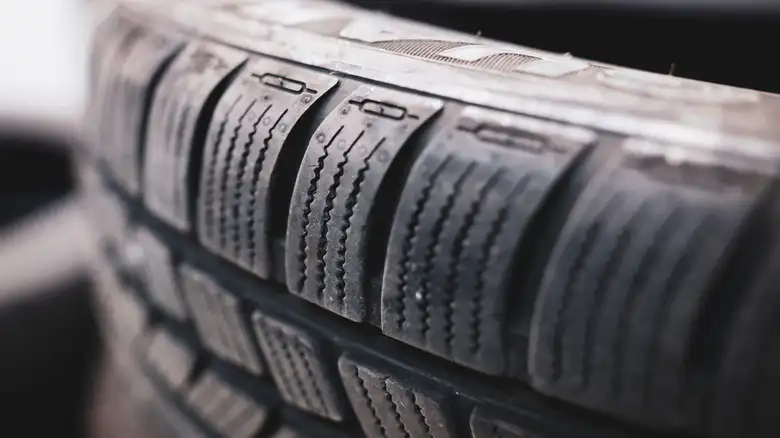
Sipes are not placed randomly; tire makers use computer modelling to decide:
Where to place them.
How deep and how long they should be.
How many to add per block.
The goal is to balance:
Wet and snow traction.
Tire noise.
Rolling resistance, which affects fuel economy.
Fourth: Why sipes matter so much on quality tires
A decisive factor in wet performance
Tires with well‑designed sipes often deliver shorter braking distances on wet roads than cheap tires with few or poorly placed sipes.
Big‑name tires cost more because they invest in:
Advanced rubber compounds.
Strong internal construction.
Carefully tuned tread patterns with more, deeper, and smarter sipes.
Fuel economy and safety
Clever sipe placement can:
Improve rolling resistance slightly, helping cut fuel consumption.
Reduce vibration and noise, making the ride more comfortable.
In this way, sipes become part of a complex balance between efficiency, comfort, and grip.
Fifth: What is aftermarket tire siping?
The basic idea
Some workshops and online videos promote a service called tire siping, which means manually adding extra cuts to the tread after you buy the tire.
The claimed goal is to improve traction on deep snow or ice by increasing the number of biting edges.
Where it’s used
It is most common in regions that see heavy snow and ice for long periods of the year.
It is sometimes advertised as a “cheap alternative” to buying a dedicated set of winter tires.
Sixth: Pros and cons of aftermarket siping
Potential advantages
In very cold, snowy regions, aftermarket siping can:
Improve traction on ice and deep snow.
Slightly reduce stopping distances on very slippery surfaces.
The added cost is usually modest (around the price of a minor service for a set of tires), compared to a full set of new winter tires.
Drawbacks and risks
It may void the tire warranty:
Most manufacturers do not cover damage from external modifications like hand‑cut sipes.
Possible weakening of the tire structure:
Manually added sipes may remove more rubber than intended or cut into sensitive areas, reducing block stiffness or creating early crack paths.
Negative impact on dry and smooth‑road performance:
In normal conditions (dry or lightly wet roads), too many sipes can lead to:
A less stable, “squirmy” feel.
Uneven wear.
Unwanted heat build‑up.
Legal issues:
In some states or countries, manually modifying tread in this way is illegal.
In case of an accident, such modifications could complicate liability if it’s shown the tire was altered in an unapproved manner.
Seventh: The better alternative – proper winter tires
Why winter tires are safer and smarter
Instead of taking the risk of cutting extra sipes into a regular tire, buying a set of true winter tires is usually the better solution:
They are engineered from the start with rubber compounds that stay flexible in low temperatures.
Their tread pattern and sipes are specifically designed for snow, ice, and slush.
In braking and traction, they can outperform even an all‑wheel‑drive vehicle running on mediocre all‑season tires.
A key example
A front‑wheel‑drive car on good winter tires can sometimes outperform:
An all‑wheel‑drive car on average all‑season tires in snow and ice.
In many situations, tire type and quality matter more than the drivetrain itself.
Eighth: Practical tips for drivers
Don’t judge a tire only by the general tread pattern; pay attention to:
The number and depth of its sipes.
The reputation of the manufacturer.
If you live in an area without much snow or ice:
You usually don’t need aftermarket siping; a good all‑season tire is enough.
If your region gets harsh winters:
Consider a full set of winter tires instead of manually adding sipes to your current tires.
Avoid any modification that might void your warranty or violate local regulations without consulting a professional or checking the law.
Tiny cuts, a big role in your safety
Tire sipes may look like small scratches in the rubber, but they are a fundamental part of modern tire engineering, helping to improve traction, braking, comfort, and even fuel efficiency.
As for manual tire siping, while it can provide benefits in very specific conditions, in most everyday driving it is not the best choice and may weaken the tire, void its warranty, or expose you to unnecessary risk.
The smart move is to trust the original design of a quality tire from a reputable brand, and to switch to proper winter tires if your climate and driving conditions demand it, rather than turning sipes from an important safety feature into a weak point in the only contact your car has with the road.