

- What preconditioning actually is
- Why batteries hate temperature extremes
- How cold hurts your real‑world range
- How preconditioning protects your range
- Thermal management vs. manual preconditioning
- Why you should precondition while plugged in
- Preconditioning before fast charging
- Preconditioning in hot climates
- Practical tips for using preconditioning
- When preconditioning matters most
- More than just a warm cabin
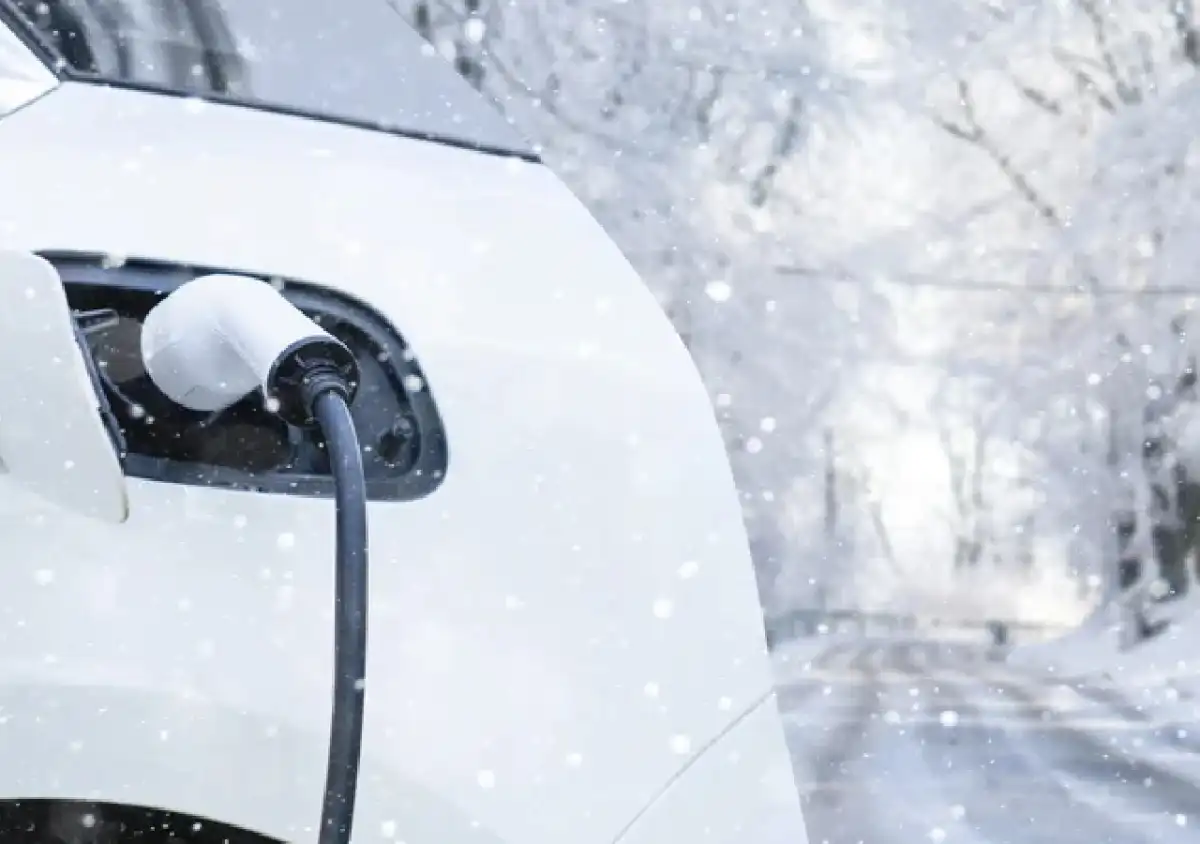
Preconditioning an electric car before driving in winter is not a luxury feature for a cozy cabin; it is a core tool for protecting the battery, preserving range, and making fast charging actually fast in real-world cold conditions. The same principle helps in extreme heat as well, where cooling the pack is just as important as heating it in snow.
What preconditioning actually is
Preconditioning in an EV means using the car’s thermal management system to bring the battery pack and cabin to their ideal temperature range before you start driving.
In cold weather, the system warms the battery and cabin before departure.
In hot weather, it cools the battery and cabin, so the pack is not starting its day overheated.
Most modern EVs let you:
Schedule departure times.
Set a target cabin temperature.
Let the car quietly “prepare itself” while still plugged into the charger, drawing energy from the grid instead of draining the battery.
Why batteries hate temperature extremes
EV batteries are highly temperature-sensitive. They work best in a relatively narrow window, roughly around “mild spring day” temperatures.
When it is too cold, the chemical reactions inside the cells slow down, internal resistance rises, and:
Instant power output drops.
Regenerative braking is limited.
Your usable range can shrink dramatically.
When it is too hot, the pack is more prone to:
Accelerated long‑term degradation.
Power limits and thermal throttling to protect itself.
Preconditioning pulls the battery back into that “happy” temperature window before you ask it for full performance.
How cold hurts your real‑world range
Many EV owners notice that their cars simply do not go as far on a winter charge as they do in spring or summer.
Studies show that EV range can drop by up to roughly one‑third in harsh winter conditions, depending on model, driving style, and heater use.
Some of that loss comes from battery chemistry being sluggish in the cold.
The rest comes from heating demands:
Cabin heater.
Heated seats and steering wheel.
Battery’s own internal heaters if the car is doing this on the fly.
By preconditioning while the car is still plugged in, a big chunk of this energy is taken from the power outlet instead of from your battery’s stored charge.

How preconditioning protects your range
When you tell the car, “I’m leaving at 8:00 AM,” and it starts heating the battery and cabin at 7:30 while plugged in, several good things happen:
The battery is already near its ideal temperature when you shift into drive.
You avoid the heavy initial “cold start penalty” where the car must warm the pack using its own energy.
You start with:
More available power (the car feels sharper).
More regenerative braking (you get more energy back on decel).
A larger effective portion of your rated range.
For drivers who do short winter commutes, this can be the difference between comfortably handling the day on a single charge and constantly worrying about plugging in.
Thermal management vs. manual preconditioning
Almost all modern EVs have some form of thermal management system (TMS) to keep the pack in a safe temperature band.
Without input from you, the TMS:
Protects the battery from extremes.
May heat or cool slowly, reacting to conditions as you drive.
With preconditioning, you’re essentially giving the TMS a head start:
“We’re leaving at this time.”
“Here’s the cabin temperature I want.”
The car then decides:
How early to start warming/cooling the battery.
How much power it needs from the grid.
How to coordinate cabin comfort with pack temperature.
In most cases, the built‑in logic is smarter and more efficient than trying to guess and manually turn things on and off yourself.
Why you should precondition while plugged in
Doing preconditioning while the car is still charging is a big efficiency win.
Energy used to heat or cool the pack comes from the grid, not your stored battery energy.
When you unplug and leave:
The pack is already warm (or cool).
The cabin is at your desired temperature.
Your state of charge is still as high as possible.
If you skip that and just jump in and drive:
The car must heat the battery using its own electricity.
The heater runs at full power to warm the cabin from cold.
You see a sharper drop in the displayed range early in the trip.
Preconditioning before fast charging
Cold batteries do not like fast charging. If you arrive at a DC fast charger with a pack that is near freezing:
The car may severely limit charging power to protect the cells.
You end up spending most of your stop just waiting for the pack to warm up before high-speed charging can begin.
When you precondition en route to a fast charger (in cars that support this):
The car intentionally warms the battery while you drive, so it is closer to ideal temperature when you plug in.
Yes, this uses extra energy on the way.
But you save time at the charger, because:
The pack reaches peak charging speed sooner.
The session spends more time at higher kW levels instead of slowly ramping from a low starting power.
For long winter road trips, this can make a big difference in how many hours you spend parked at chargers vs. actually moving.
Preconditioning in hot climates
In hot regions, preconditioning has the same philosophy, just in reverse:
The car uses thermal management to cool down the battery before you drive or before fast charging.
This:
Reduces heat‑related stress on the cells.
Helps maintain performance and power output.
Slows long‑term degradation compared to constantly running the pack very hot.
You also get the comfort benefit of a pre‑cooled cabin, which means you can run the A/C less aggressively once you’re underway.
Practical tips for using preconditioning
Here are simple ways to get the most out of preconditioning in everyday life:
Always plug in overnight if possible, especially in winter.
Use the car’s scheduling feature (or app) to set:
A regular departure time on workdays.
Your preferred cabin temperature.
In very cold weather:
Start preconditioning early enough that the windows are defrosted and the battery is warm when you leave.
Before a planned DC fast charge:
If your car supports “precondition battery for fast charging,” enable it when you set the charger as your destination.
Don’t obsess over exact minutes:
Let the car’s software decide how long it needs; it is designed to find a good trade‑off between energy use and performance.
When preconditioning matters most
You will benefit most from preconditioning if:
You live in an area where winter temperatures often drop near or below freezing.
You regularly use DC fast charging in cold conditions.
You do lots of short trips, where the car would otherwise spend most of its time in cold‑start mode.
Even in milder climates, using scheduled preconditioning while plugged in can:
Make the car more comfortable at departure.
Slightly reduce energy consumption during the first part of your drive.
Support better long‑term battery health by avoiding repeated extremes.
More than just a warm cabin
Preconditioning is one of those EV features that sounds like a comfort gimmick but is actually a key part of driving range, charging speed, and battery longevity.
By letting the car bring its battery into the ideal temperature range before you ask it to accelerate hard, drive far, or charge fast, you are:
Protecting the most expensive component in the car.
Getting closer to the advertised range even in difficult weather.
Spending less time waiting at chargers and more time actually driving.
In other words, learning to use preconditioning well is one of the easiest “pro moves” any EV owner can adopt to make winter driving smoother, safer, and more efficient.