

- Why Tires Demand Uniformity
- Axle Matching Emergency Rules
- Performance Tire Specifics
- Absolute No-Go Mixing Categories
- AWD/4WD Special Warnings
- Load Index & Speed Rating Breakdown
- Seasonal Tire Strategy
- Rotation & Maintenance Mastery
- Real-World Testing Evidence
- Budget Mixing Strategies
- Legal & Warranty Implications
- Professional Recommendations
- Myth Busting Reality
Tires represent your vehicle's sole road contact - every acceleration, brake, and turn depends on four rubber contact patches. Mixing tire brands risks uneven handling, traction loss, and safety catastrophe. Michelin and Continental strongly advise against brand mixing while permitting axle-matched replacements on rear axle only. Load index, speed rating, tread depth (within 2/32"), and tire construction uniformity prove more critical than brand alone.
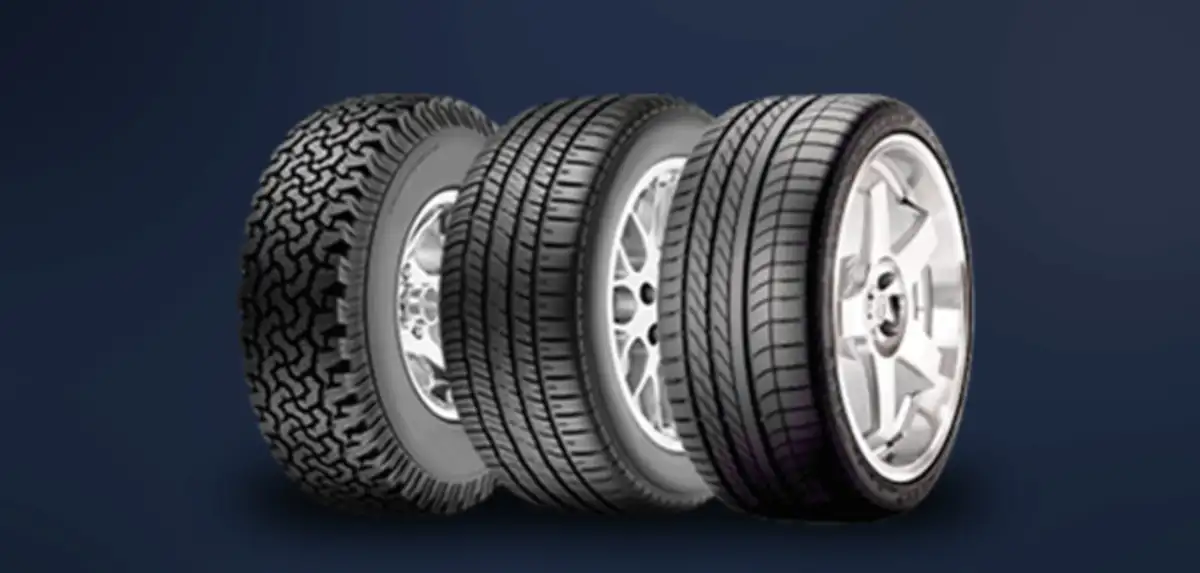
Why Tires Demand Uniformity
Tires transmit 100% vehicle-road communication. Brand mixing creates mismatched rubber compounds, tread patterns, sidewall stiffness leading to:
Critical Uniformity Needs:
Same compound grip across all four corners
Identical tread void ratios for water evacuation
Matched sidewall flex for consistent camber
Uniform rotational inertia for ABS/traction control
Michelin/Continental engineering confirms: four identical tires = optimal vehicle dynamics.
Axle Matching Emergency Rules
Brand mixing unavoidable? Follow these:
Rear Axle Priority Protocol:
Situation | Recommendation | Reason |
|---|---|---|
Two new tires | Rear axle installation | Stability priority |
Front axle only | Strongly discouraged | Steering unpredictability |
Single tire | Never replace alone | Traction imbalance disaster |
Tread difference | Max 2/32" per axle | Uneven grip catastrophe |
Example Safe Mix:
Rear: Pirelli P Zero (8/32")
Front: Goodyear Eagle F1 (8/32")
Same load/speed rating required
Performance Tire Specifics
High-performance mixing demands precision matching:
Safe Performance Pairings:
Michelin Pilot Sport 4S + Continental SportContact 7
Pirelli P Zero + Goodyear Eagle F1 Asymmetric 6
Bridgestone Potenza Sport solo preferred
Tread Depth Critical:
Within 2/32" = acceptable compromise
4/32" difference = hydroplaning risk
Rotation essential to equalize wear
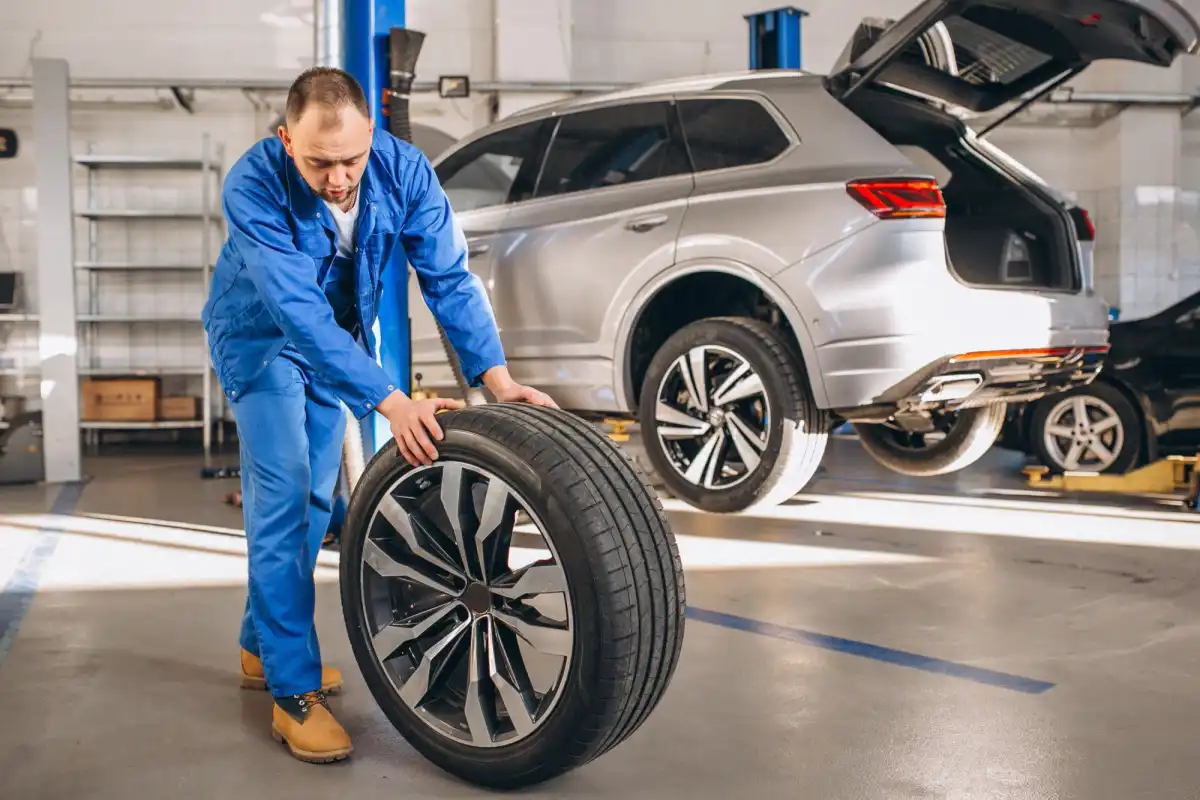
Absolute No-Go Mixing Categories
Dangerous Combinations:
Fatal Mixing Errors:
Different sizes same axle (rolling diameter mismatch)
Run-flat + standard (stiffness imbalance)
Radial + bias-ply (flex characteristics conflict)
Summer + winter tires (grip/compound mismatch)
All-season + seasonal (wear rate differences)
Run-flat Dangers:
Reinforced sidewalls = stiffer ride
Faster wear when mixed
Uneven handling disaster
AWD/4WD Special Warnings
All-wheel drive vehicles demand absolute tire matching:
AWD Tire Imperatives:
System | Matching Requirement | Consequence of Mismatch |
|---|---|---|
AWD | All 4 identical | Differential damage |
4WD | Axle-matched minimum | Transfer case failure |
xDrive | Brand + model same | Torque bind destruction |
Diameter Tolerance: Max 1/4" circumference difference
Load Index & Speed Rating Breakdown
Critical Specifications:
Load/Speed Code Essentials:
Code | Load Capacity | Max Speed | Example Tires |
|---|---|---|---|
205/55R16 91V | 615kg/tire | 149mph | Daily commuters |
245/40R19 99Y | 775kg/tire | 186mph | Performance sedans |
285/30R20 102Y | 850kg/tire | 186mph | Supercars |
Mismatch Consequences:
Under-load = sidewall failure
Overspeed = disintegration risk
Seasonal Tire Strategy
Winter vs Summer Imperative:
Seasonal Separation:
Winter tires: Below 7°C only
Summer tires: Above 7°C optimal
Never mix on same vehicle
Legal fines in traction law areas
All-season Limitations:
Compromise performance extremes
Not winter substitute
Rotation & Maintenance Mastery
Proper Tire Management:
Rotation Schedule:
Mileage | Rotation Type | Purpose |
|---|---|---|
5,000 miles | Front-to-rear | Equalize front wear |
10,000 miles | Cross-pattern | Balance all positions |
15,000 miles | Rear-to-front | Optimize longevity |
Monitoring Essentials:
Monthly tread depth checks
Pressure verification cold
Alignment after mixing
Real-World Testing Evidence
Manufacturer Track Data:
Michelin: 15% handling degradation mixed brands
Continental: 20% wet braking loss front mismatch
Bridgestone: AWD torque bind 30 seconds mixed diameters
Consumer Reports Findings:
12% crash risk increase mismatched fronts
8% fuel economy penalty uneven rolling resistance
Budget Mixing Strategies
Cost-Conscious Approach:
Safe Budget Mixes:
Rear: Hankook Ventus (OEM quality)
Front: Kumho Ecsta (similar performance)
Nexen N'Fera + Yokohama Advan alternatives
Replacement Priority:
Always pairs minimum
Rear axle first
Budget for four within 6 months
Legal & Warranty Implications
Manufacturer Stance:
Warranty voided brand mixing performance tires
Insurance claim denial traction loss accidents
Legal liability shifted to owner
Inspection Rejection:
UAE/Saudi MoI: Uniformity mandatory
Mismatched = fail
Professional Recommendations
Tire Shop Best Practices:
Four identical = gold standard
Axle matching = silver compromise
Rotate every 5,000 miles
Balance/align post-install
Emergency Single Tire:
Match existing three immediately
Reduce speed until matched
Professional consultation mandatory
Myth Busting Reality
Common Misconceptions:
"Brands don't matter" → Compound differences catastrophic
"Fronts wear faster anyway" → Steering precision lost
"Cheap mix saves money" → Crash costs infinite
Tire mixing represents calculated risk with front axle danger zone. Rear axle matching offers compromise while load index, speed rating, tread depth uniformity prove paramount. AWD owners face drivetrain destruction threat. Professional installation, rotation discipline, and four-matching commitment deliver safety certainty. Your life depends on four rubber patches - uniformity isn't optional, it's survival.