
- EV Winter Range Catastrophe
- Battery Death Danger Zone
- Tire Deflation Disaster
- Engine Oil Thickening Crisis
- Fuel System Freeze Traps
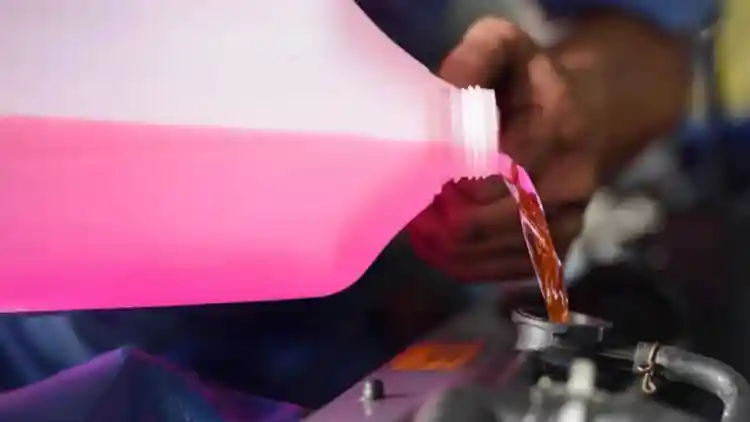
- Coolant/Antifreeze Protection
- Wiper/Defrost System Failures
- Serpentine Belt Snow Snakes
- Fuel Economy Winter Slaughter
Arctic blasts cripple vehicle performance as temperatures plunge below zero, thickening oil to molasses consistency, draining batteries by 60%, and deflating tires dangerously. EVs lose 19-53% range while gasoline cars suffer 10-15% fuel economy hits from friction, idling, and cold-start inefficiencies. Alaskan mechanics reveal critical pre-winter checklist preventing breakdowns, warranty voids, and multi-thousand dollar repairs during "catastrophic ice" storms
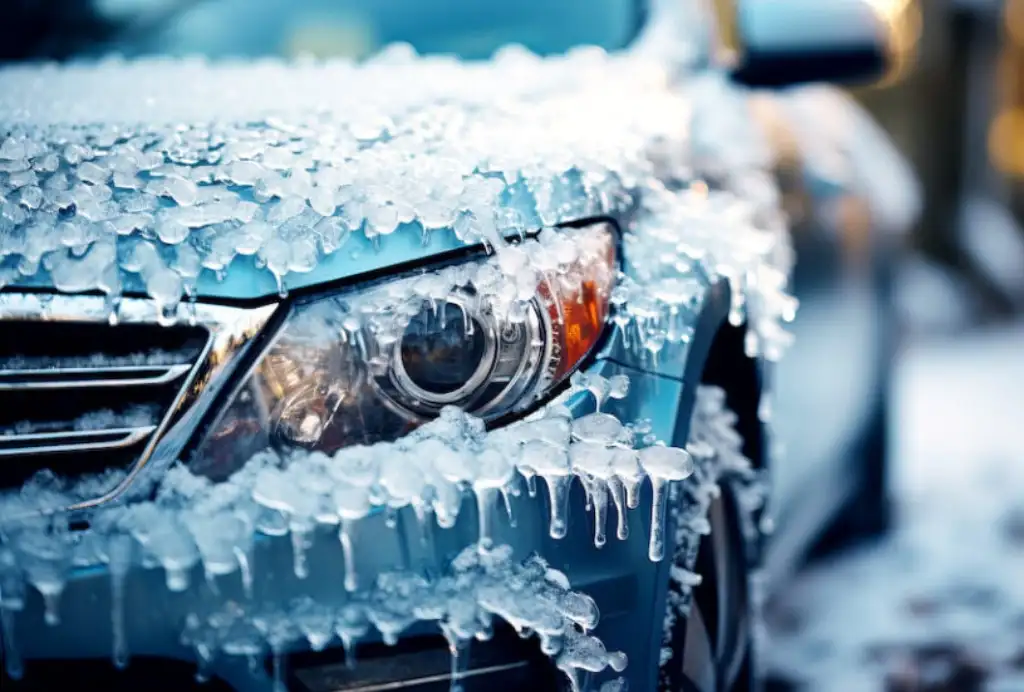
EV Winter Range Catastrophe
Electric vehicles face unique cold challenges requiring 30%+ extra energy for battery preconditioning and cabin heat versus "free" ICE waste heat.
EV Cold Weather Losses:
Temperature | Range Loss | Acceleration Drop | Charging Time |
|---|---|---|---|
0°C | 19% | 25% slower | +20% slower |
-10°C | 35% | 40% slower | +50% slower |
-20°C | 53% | 60% slower | +100% |
EV Survival Solutions:
Precondition battery via app before departure
Park in garage minimizing thermal loss
Use seat/steering wheel heaters vs full cabin
Plan 50% range buffer for winter trips
Battery Death Danger Zone
Batteries lose 60% cranking power at -17°C as chemical reactions slow dramatically. 3+ year old batteries fail instantly while corrosion accelerates terminal degradation.
Battery Cold Performance:
Temperature | Cranking Power Loss | Starting Failure Rate |
|---|---|---|
32°F (0°C) | 35% reduction | 20% failures |
0°F (-18°C) | 60% reduction | 50% failures |
-20°F (-29°C) | Complete failure likely | 90%+ failures |
Battery Protection Protocol:
Clean/tighten terminals weekly
Replace batteries >3 years old before winter
Install battery warmer ($30-70) in extreme climates
Use digital tester verifying cold cranking amps (CCA)
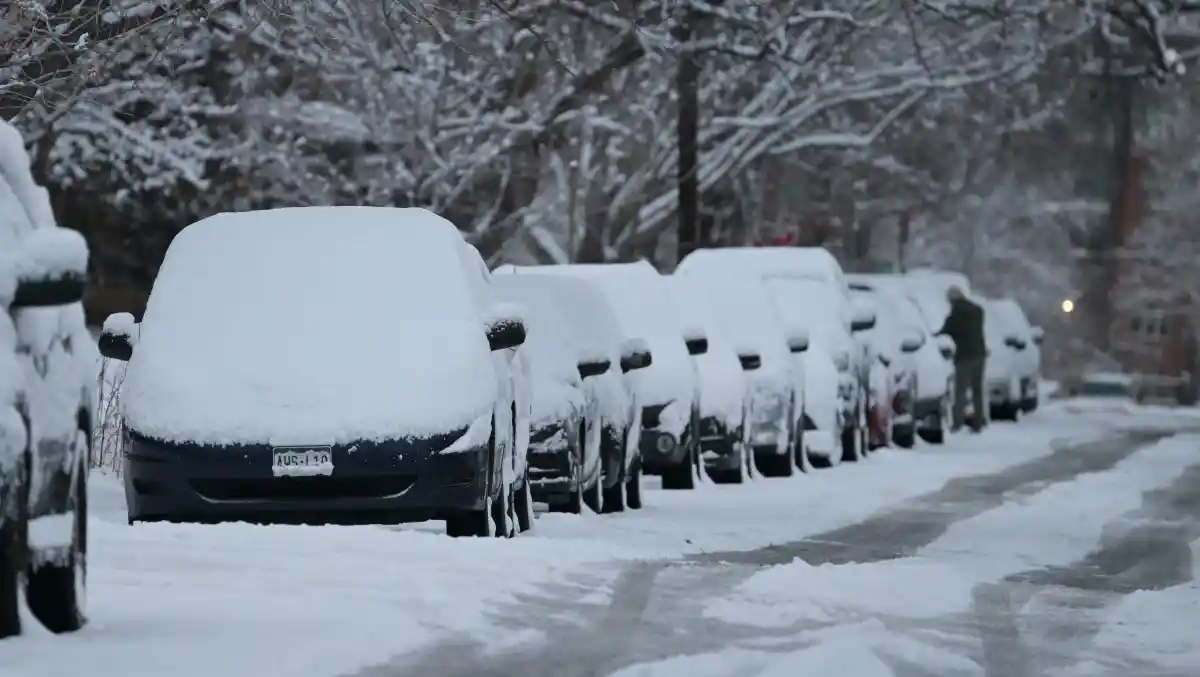
Tire Deflation Disaster
Tire pressure drops 1 PSI per 10°F temperature decline causing underinflation, increased rolling resistance, and dangerous sidewall stress. Cold rubber loses 20% grip while low pressure triggers TPMS warnings.
Tire Pressure/Temperature Matrix:
Starting PSI (70°F) | 32°F Pressure | 0°F Pressure | Grip Loss |
|---|---|---|---|
32 PSI | 28 PSI | 24 PSI | 15-20% |
35 PSI | 31 PSI | 27 PSI | 20-25% |
38 PSI | 34 PSI | 30 PSI | 25-30% |
Tire Winter Warfare:
Check pressure weekly (cold tires morning)
Install dedicated winter tire set
Maintain 1-2 PSI above manufacturer spec
Rotate every 5,000 miles preventing uneven wear
Engine Oil Thickening Crisis
-20°F oil viscosity skyrockets 10X making startup lubrication impossible. Oil pump strains desperately while metal-to-metal contact accelerates wear catastrophically during first 30 seconds.
Oil Viscosity Temperature Chart:
Oil Grade | 32°F Flow | 0°F Flow | -20°F Flow |
|---|---|---|---|
5W-30 | Good | Fair | Poor |
0W-20 | Excellent | Good | Fair |
Synthetic 0W-16 | Perfect | Excellent | Good |
Oil Optimization:
Switch to synthetic 0W-XX winter blends
Change oil before winter using OEM spec
Warm engine 2-3 minutes before hard acceleration
Monitor oil level weekly preventing low oil disasters
Fuel System Freeze Traps
Water contamination freezes in fuel lines blocking pickup screens despite gasoline remaining liquid to -100°F. Half-empty tanks concentrate water while cold fuel vaporizes poorly causing rich mixtures.
Fuel Tank Management:
Tank Level | Water Concentration | Freeze Risk | Solution |
|---|---|---|---|
1/4 Full | High | Critical | Fill immediately |
1/2 Full | Medium | High | Fill weekly |
3/4 Full | Low | Low | Maintain |
Full | None | None | Ideal |
Fuel Line Defense:
Keep tank minimum 1/2 full always
Add fuel stabilizer/dryer weekly
Use Top Tier gasoline minimizing ethanol water absorption
Coolant/Antifreeze Protection
Improper coolant ratios freeze at 0°F cracking engine blocks while 100% antifreeze ironically raises freeze point to 5°F. 50/50 mix optimal at -34°F protection.
Coolant Protection Levels:
Mix Ratio | Freeze Point | Boil Point | Protection |
|---|---|---|---|
100% Antifreeze | +5°F | 325°F | Poor |
60/40 | -25°F | 325°F | Good |
50/50 | -34°F | 325°F | Excellent |
40/60 | -25°F | 220°F | Danger |
Coolant Maintenance:
Test freeze point with refractometer ($20 tool)
Flush/replace every 2 years maximum
Never add 100% antifreeze straight
Use OEM spec extended life coolant
Wiper/Defrost System Failures
Rubber wiper blades brittle at 10°F tearing instantly while washer fluid freezes solid. Inside windshield fog/ice from breath condensation creates zero-visibility disaster without functioning defrost.
Wiper Winter Readiness:
Replace blades every 6 months religiously
Install winter blade compounds resisting cracking
Use -20°F rated washer fluid only
Test defrost high/low speeds pre-winter
Serpentine Belt Snow Snakes
30+ year old belts snap instantly at 0°F while cold-stiffened belts slip destroying alternator/water pump drive. Visual cracks + age = immediate replacement.
Belt Inspection Checklist:
No cracks longer than 1/32" anywhere
No missing belt ribs/chunks
Proper tension (1/2" deflection)
Replace ALL belts >5 years regardless appearance
LCD Screen Lethargy
Infotainment screens lag 5-10 seconds at -10°F as liquid crystals slow molecular response. Navigation, backup cameras, climate displays all compromised until interior warms.
Screen Solutions:
Engine block heater accelerates warmup 50%
Park with preconditioned cabin when possible
Use physical buttons avoiding touch lag
Allow 5-minute warmup before screen interaction
Fuel Economy Winter Slaughter
Combined winter losses average 24% from cold thickening, idling, low-speed traction driving, winter blend gasoline, and accessory loads.
Winter MPG Killers:
Factor | MPG Loss | Countermeasure |
|---|---|---|
Cold Thickening | 10-15% | Synthetic oil |
Winter Fuel | 5-10% | Minimize short trips |
Idling/AC Heat | 15-20% | Drive don't idle |
Winter Tires | 5-8% | Accept for safety |
Pre-Winter Inspection Priority
Car Care Council Executive Director demands inspection before first freeze preventing all above failures.
Winter Prep Checklist:
Regional Considerations:
Alaska/Northern tier: Block heaters mandatory
Midwest plains: Snow snake belt priority
Mountain states: Winter tire chains essential
Urban coastal: Battery/charging station access
Cost vs Risk Analysis:
Item | Cost | Breakdown Cost | ROI |
|---|---|---|---|
Battery | $150 | $1,500+ tow | 10X |
Winter Tires | $800 | $5,000+ crash | 6X |
Oil Change | $80 | $4,000 engine | 50X |
Inspection | $100 | $10,000 total | 100X |
Severe cold transforms reliable transportation into expensive liability without preparation. Battery death, engine seizure, tire blowouts, and fuel starvation all preventable with $500 winter investment versus $10,000+ breakdown cascade. EV drivers face 50% range anxiety nightmare while ICE owners battle mechanical molasses. Professional inspection + disciplined maintenance equals winter driving confidence.