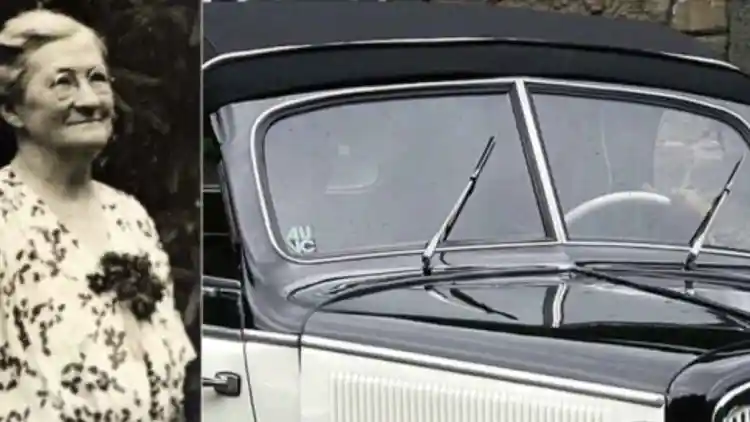

- Huda Al Matroushi: The first Emirati mechanic breaking the workshop barrier
- Arabian Gazelles: The first women‑only supercar club in the region
- Women in executive mobility leadership: the example of Sanaa‑type profiles
- Emirati women between race tracks and automotive content creation
- Institutional empowerment from automakers and global groups
Influential Emirati women in the automotive sector today are no longer confined to symbolic roles; they are active in workshops, clubs, and boardrooms, helping shape the future of mobility in the UAE.
In recent years, the traditional landscape of the automotive industry in the UAE has changed noticeably, with strong Emirati women entering fields that were once considered male‑only territory, such as mechanics, fleet management, and leading luxury car communities. Women are no longer just “users” of cars; they have become key players in building, servicing, marketing, and organising automotive activity at both local and regional levels.
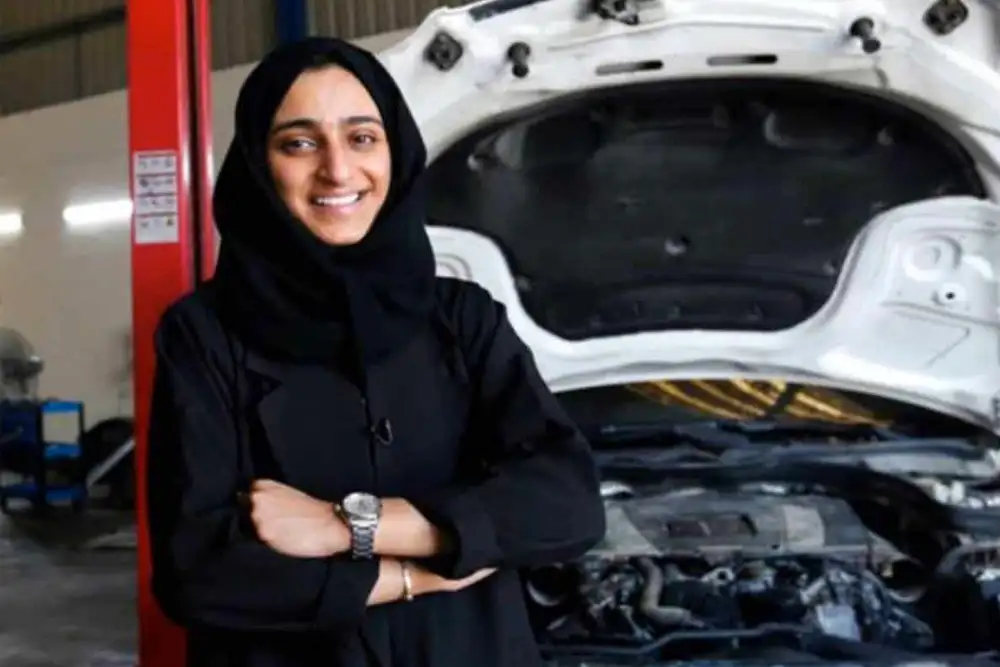
Huda Al Matroushi: The first Emirati mechanic breaking the workshop barrier
Huda Al Matroushi is one of the most prominent women in the UAE’s automotive service sector and is often cited as the first Emirati female mechanic to fully own and operate her own workshop.
A journey from passion to a full‑fledged business
Her relationship with cars began with an early passion for taking things apart and understanding how they work, before deciding to turn that curiosity into a real profession.
She opened her own workshop in Sharjah, becoming one of the first repair centres in the country to carry a clear Emirati female signature in the field of mechanics.
Challenging stereotypes in a technical profession
At the start of her career, she faced questions and doubts from some customers about her ability to handle complex mechanical issues, which is common when a woman enters a highly technical and traditionally male space.
Over time, she proved her competence through the quality of her work and customer trust, turning initial skepticism into a widely cited success story for women’s empowerment in technical trades.
Impact beyond the workshop walls
Her story has become a reference point in media and official platforms when discussing Emirati women in non‑traditional industries, and her journey has been highlighted in several local and international outlets.
She helps inspire girls to consider hands‑on careers that are not limited to offices, but include mechanics, maintenance, and workshop‑based work.
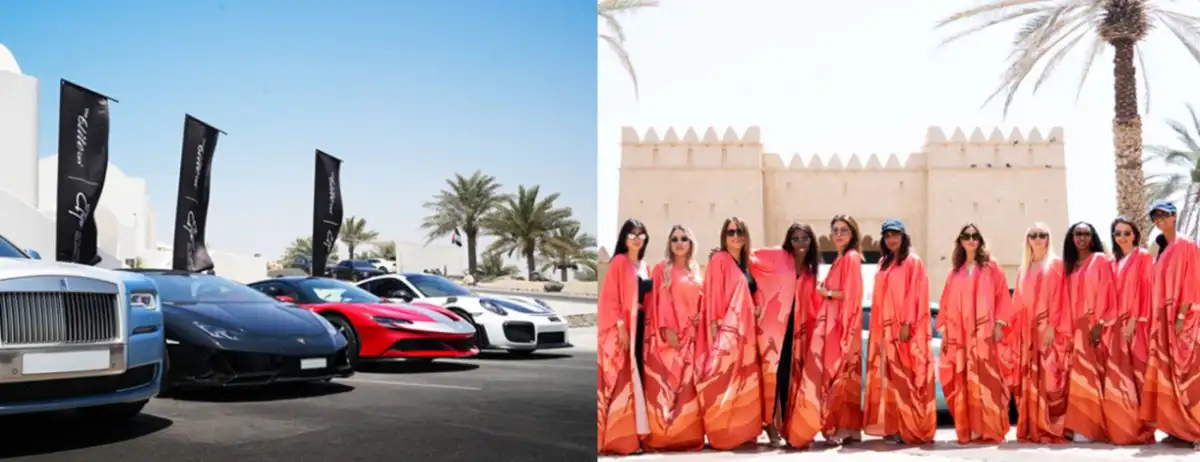
Arabian Gazelles: The first women‑only supercar club in the region
Arabian Gazelles represents a different model of women’s influence in the automotive world, from a social and lifestyle perspective centred on luxury and high‑performance cars.
The idea of an all‑female supercar club
Arabian Gazelles is considered the first supercar club in the Middle East dedicated exclusively to women, with members from multiple nationalities living in the UAE.
The club offers a setting that combines passion for exotic cars with building a social and professional network among influential women from various industries.
Activities reshaping car culture for women
Club members organise highway drives, track days, and participate in international automotive events, reinforcing women’s presence in a scene traditionally viewed as “purely male”.
The club helps break stereotypes about women’s relationship with cars, shifting it from “just a means of transport” to a passion, hobby, investment, and form of self‑expression.
Impact extending into entrepreneurship and empowerment
Many club members are business leaders or senior professionals, which makes the club a space for exchanging expertise, exploring business opportunities, and building partnerships that go beyond the car world itself.
This model strengthens the idea that women can be central stakeholders in a mature car culture, both in ownership and in shaping the community around it.
Women in executive mobility leadership: the example of Sanaa‑type profiles
Away from workshops and clubs, Emirati and Arab women also occupy leadership roles in companies working in automotive, mobility, and related smart services.
Leadership roles in fleet and smart mobility management
Figures such as female CEOs heading mobility and trading entities in the UAE represent a strong model of women’s leadership in a sector built around managing large vehicle fleets and flexible car‑subscription and mobility services.
This work involves overseeing thousands of vehicles, developing new products such as monthly car subscription platforms, and expanding integrated mobility solutions within UAE cities.
Empowerment and governance programmes boosting women’s presence
Participation in specialised initiatives to increase women’s representation on boards and in leadership roles in automotive and transport companies reflects a clear direction towards diversity at the top.
These efforts support a broader vision that links business success with leveraging female talent in the automotive and mobility industry, rather than confining women to purely marketing or administrative support roles.
Reflections on corporate culture in the UAE
Internal programmes that tie employee experience, women’s empowerment, and workplace culture have become part of the success stories at some companies in this sector.
The presence of women in senior positions sends a clear signal to young women who want to enter the automotive world through business and management tracks.
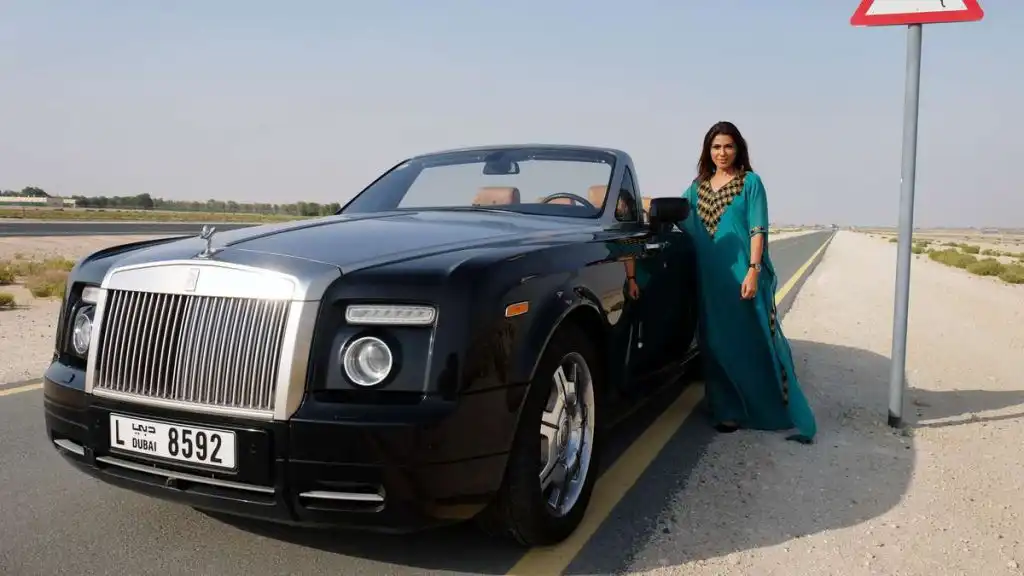
Emirati women between race tracks and automotive content creation
Women’s influence in the automotive scene in the UAE is no longer limited to technical or corporate aspects; it has also expanded to race tracks and social media platforms.
Speed enthusiasts breaking barriers on track
Local coverage has highlighted Emirati and resident women who take part in circuit activities, track days, and performance‑driving events, with solid technical knowledge of the cars they drive.
Their presence helps normalise the idea of women enjoying performance driving and speed as a structured, safe hobby in a controlled environment.
Female automotive content creators in the UAE
An increasing number of women in the UAE produce specialised automotive content on platforms such as Instagram, YouTube, and TikTok, featuring reviews, test drives, and buying advice.
This type of content introduces a different tone in communicating with car audiences and offers a professional, credible female perspective far beyond superficial “show” formats.
Support from car brands and global manufacturers
Many brands now invite female creators and influencers to launches, media drives, and press events as part of a wider push towards more balanced representation in marketing campaigns.
Institutional empowerment from automakers and global groups
Change is not limited to individual initiatives; automotive companies and major groups operating in the Middle East have adopted concrete targets for increasing women’s participation in the sector.
Raising the share of women in leadership
Some companies have pledged to raise the percentage of women in leadership roles to around 30% in the region, including in engineering, commercial, and strategic functions.
This includes tailored leadership‑development programmes for female employees and clear promotion paths from mid‑management into senior executive roles.
More inclusive workplaces
There is a stronger focus on flexible work policies and training opportunities in areas that rarely attracted women in the past, such as technical project management and electrification or sustainable‑mobility programmes.
This makes the automotive sector a more attractive career choice for female graduates in engineering, business, and marketing.
The stories of Huda Al Matroushi, Arabian Gazelles, and women in mobility leadership demonstrate that Emirati women’s presence in the automotive world is no longer an exception or a one‑off case, but part of a structural transformation in the sector. This transformation brings together hands‑on work in workshops, executive leadership in companies, and community and media representation through clubs and content creation, opening wide pathways for the next generation of young women to enter the automotive world from many angles. With ongoing local empowerment programmes and corporate initiatives to increase women’s share in leadership and technical roles, Emirati women’s influence on the automotive and mobility industry is set to expand further in the coming years, not only inside the UAE but across the wider Arab region.