

- Advanced Technology… But Not Without Drawbacks
- What Are Carbon-Ceramic Brakes?
- The Core Issue: Heat Is the Key to Performance
- Why Do They Perform Worse in Cold Conditions?
- Carbon-Ceramic vs Traditional Brakes
- When Do Carbon-Ceramic Brakes Make Sense?
- Why Don’t Traditional Brakes Suffer From This Issue?
- Can Carbon-Ceramic Performance Be Improved in Cold Weather?
- Yes — but with limitations:
- The Right Technology in the Right Place
Advanced Technology… But Not Without Drawbacks
When we hear the term carbon-ceramic brakes, our minds immediately jump to the world of supercars and professional race tracks. These brakes are often marketed as the ultimate braking solution — lighter, more heat-resistant, and more durable — and are typically offered as an expensive option on cars from brands like Porsche, Ferrari, Lamborghini, and Mercedes-AMG.
However, behind this premium image lies a technical reality that surprises many drivers: carbon-ceramic brakes can perform worse than traditional steel brakes in cold weather or during normal daily driving.
This article explains why this happens, how carbon-ceramic systems differ from conventional braking setups, and when they make sense — and when they become an unnecessary compromise.
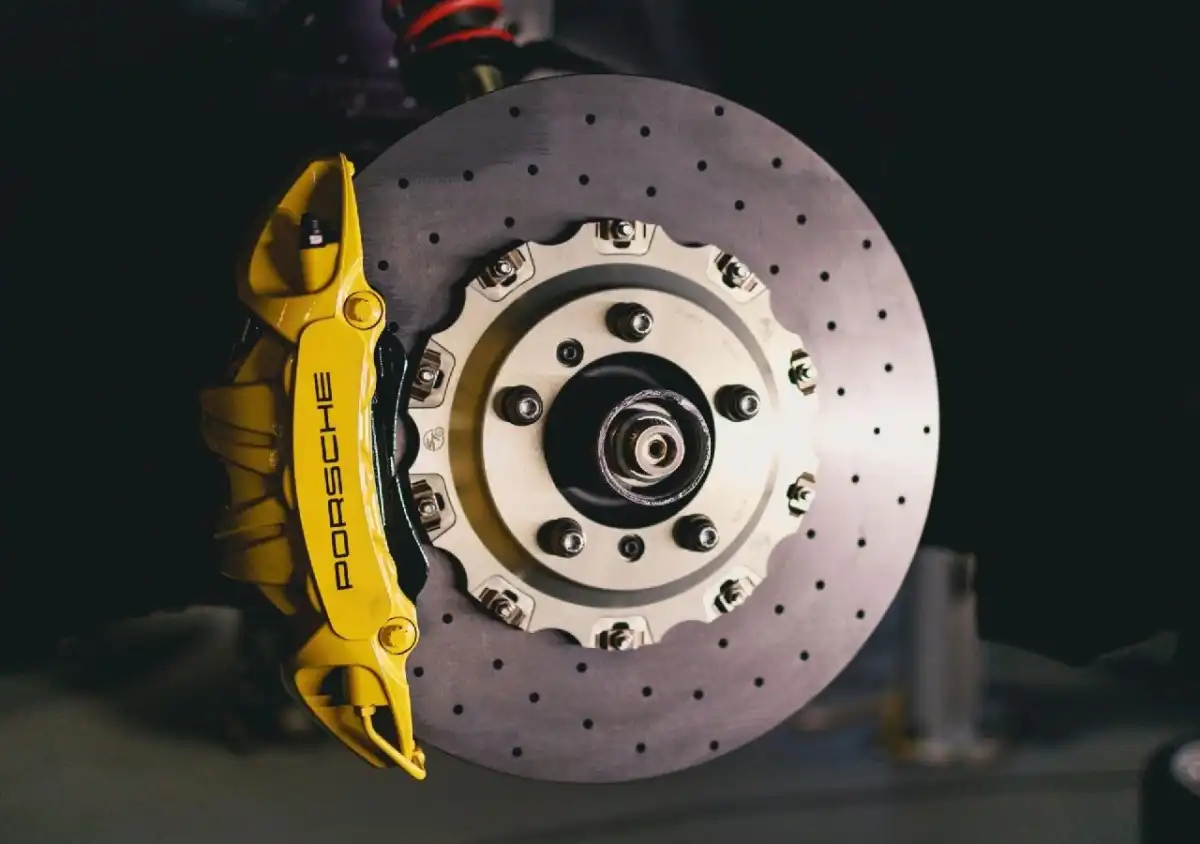
What Are Carbon-Ceramic Brakes?
Carbon-ceramic brakes are a high-performance braking system built around:
Brake discs made from carbon fiber reinforced with ceramic compounds
Special brake pads designed to withstand extreme heat
Primary usage in:
Supercars
Track-focused vehicles
High-performance driving environments
Why Are They Used?
Capable of withstanding temperatures exceeding 1,000°C
Significantly lighter than traditional steel brake discs
Highly resistant to wear and warping
Extremely long lifespan when used correctly
However, all of these advantages depend heavily on operating temperature.
The Core Issue: Heat Is the Key to Performance
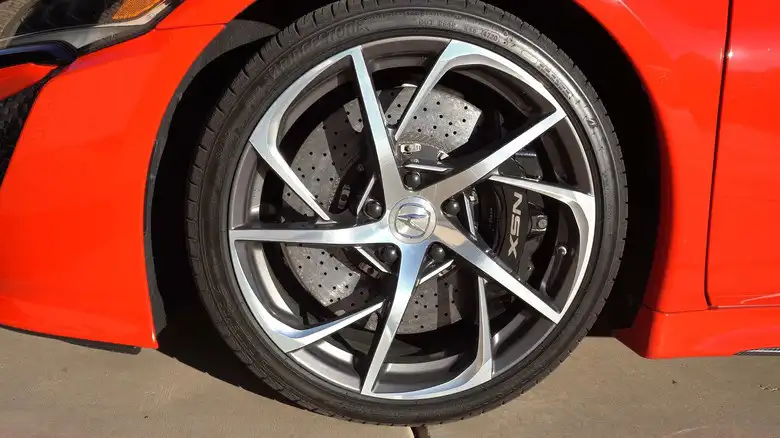
Brakes That Need to “Warm Up”
Unlike traditional cast-iron or steel brake systems, carbon-ceramic brakes:
Do not deliver optimal performance when cold
Require a specific temperature range to generate proper friction
Were originally designed for racing circuits, not daily commuting
In cold weather or at the beginning of a drive, the result can be:
Reduced brake bite
Longer stopping distances
A firm or unconfident brake pedal feel
Why Do They Perform Worse in Cold Conditions?
Material Composition
Carbon and ceramic materials excel at high temperatures, but:
They generate limited friction at low temperatures
They rely on thermal expansion to reach peak effectiveness
Performance-Oriented Brake Pads
Designed to work under high thermal loads
In cold conditions:
They fail to “bite” the disc effectively
Require more pedal pressure to achieve stopping power
Lack of Aggressive Use
During everyday driving:
Braking is light and infrequent
The system never reaches its ideal operating temperature
Performance remains below expectations
Carbon-Ceramic vs Traditional Brakes
When Do Carbon-Ceramic Brakes Make Sense?
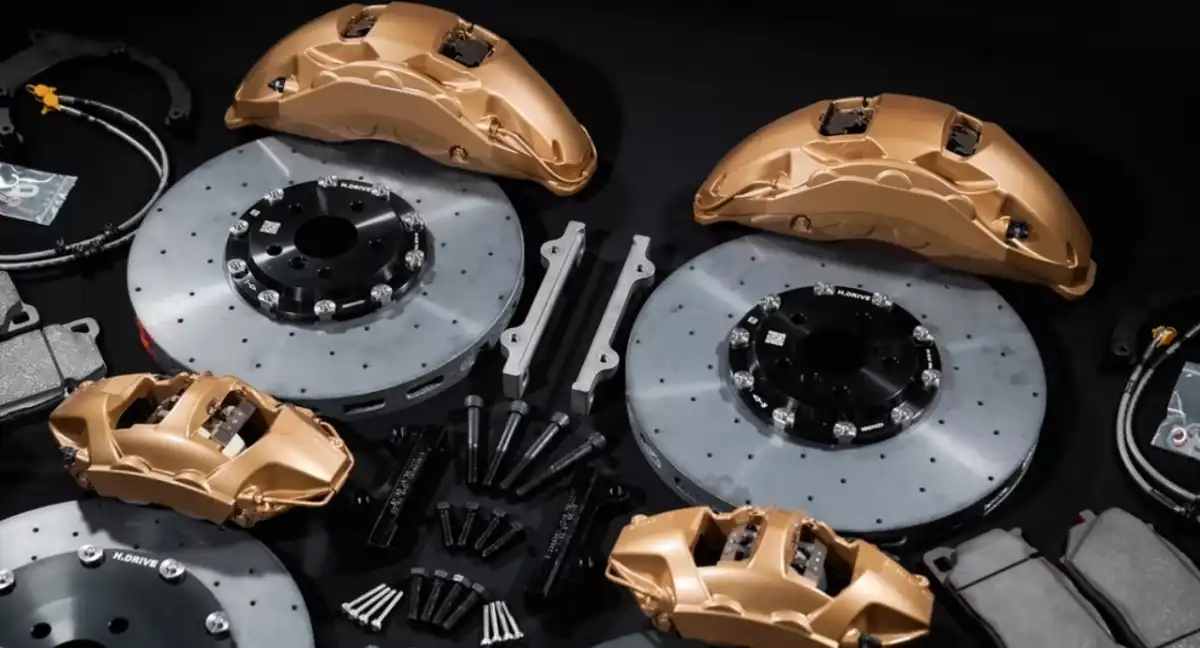
These brakes are not bad — they are simply highly specialized.
Ideal If You:
Regularly drive on race tracks
Own a high-performance car and drive it aggressively
Live in a warm or moderate climate
Want to reduce unsprung weight for handling benefits
Not Ideal If You:
Use the car primarily for daily commuting
Drive calmly most of the time
Live in cold or winter-heavy regions
Expect immediate braking response from the first pedal press
Why Don’t Traditional Brakes Suffer From This Issue?
Steel and cast-iron brake systems:
Generate strong friction even when cold
Are designed for everyday driving conditions
Adapt well to varying temperatures and usage styles
Provide consistent pedal feel and driver confidence
That’s why they remain standard on:
Sedans
SUVs
Even many high-performance sports cars
Can Carbon-Ceramic Performance Be Improved in Cold Weather?
Yes — but with limitations:
Using street-oriented brake pads
Driving more aggressively to warm up the brakes
Accepting reduced performance during the first minutes of driving
Even with these measures, they rarely match the cold-weather confidence of traditional brakes.
The Right Technology in the Right Place
Carbon-ceramic brakes are not universally “better” — they are a purpose-built engineering solution designed for specific scenarios.
Choosing them purely for prestige or price can lead to:
Reduced safety in daily use
Driver frustration
Unjustified ownership costs
True automotive intelligence lies not in choosing the most expensive option, but in selecting the system that bes