
- First: What actually happens to a car when it’s submerged?
- Potential advantages of EVs in flood situations
- Simpler layout with fewer moving parts
- Key components are sealed and partially water‑resistant
- Automatic safety shutdowns
- Serious vulnerabilities of EVs when floodwater wins
- Water intrusion into high‑voltage components
- Post‑flood safety risks
- High repair costs
- Petrol cars in floods: a different pattern of damage
- Engine and air‑intake system
- Fuel and lubrication systems
- Electronics and sensors
- Body and corrosion damage: a shared enemy for EV and ICE
- Key comparison points: EV vs petrol in floods
- Potential strengths of EVs
- EV weaknesses
- Petrol car strengths
- Petrol car weaknesses
- Essential advice for drivers in heavy rain and floods
With electric vehicles becoming more common in the region, the big question is no longer just about range or charging, but also how they behave in extreme situations such as heavy rain, flash floods, and waterlogged streets. Some drivers assume that high‑voltage systems automatically mean higher danger, while others believe that the absence of a traditional engine gives EVs a natural advantage in water; the reality lies somewhere in the middle. This article highlights the strengths and weaknesses of both EVs and petrol cars when they encounter water, using practical examples and essential safety advice for drivers in our region.
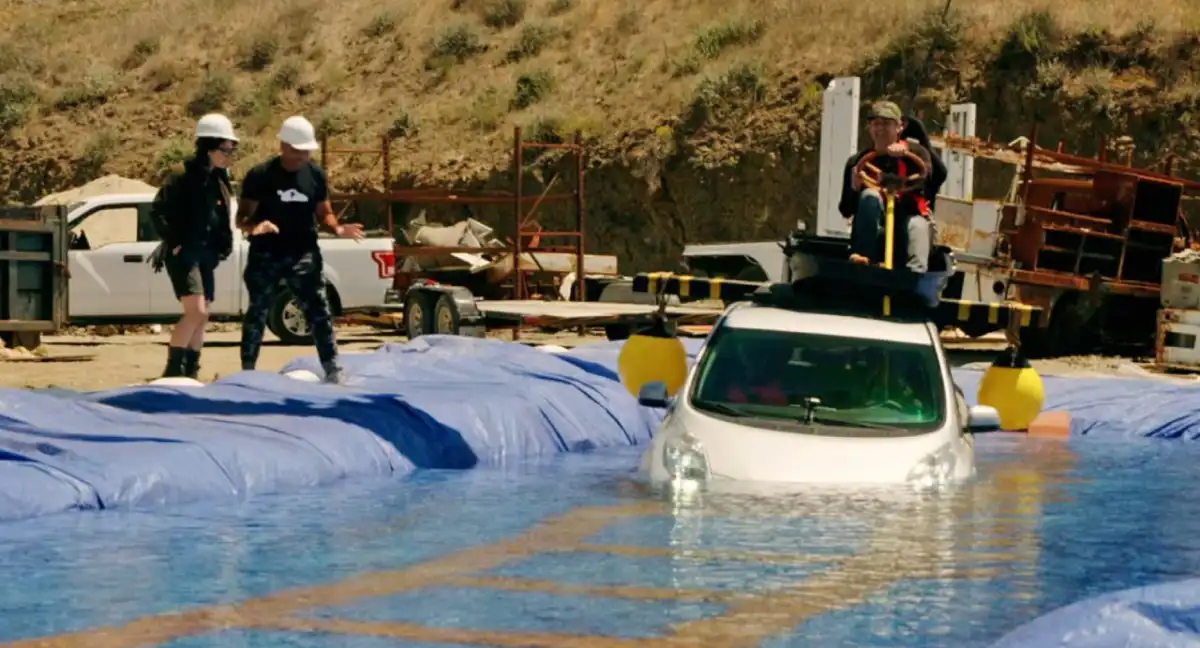
First: What actually happens to a car when it’s submerged?
Before comparing vehicle types, it is important to understand what water does to any car, whether electric or conventional.
Water is an enemy to both mechanical and electrical systems:
It can carry dirt and mud into moving components, leading to extra friction and accelerated wear.
It can also cause short circuits or corrosion in delicate metallic parts inside electronic modules and wiring.
Water depth and exposure time are critical:
Splashing quickly through a shallow puddle is very different from a car sitting half‑submerged for hours.
The deeper and longer the exposure, the higher the chance that water will reach critical components such as control units, the battery, or the motor.
In short, there is no such thing as a truly “flood‑proof” car; there are only different probabilities and patterns of damage depending on design and use.
Potential advantages of EVs in flood situations
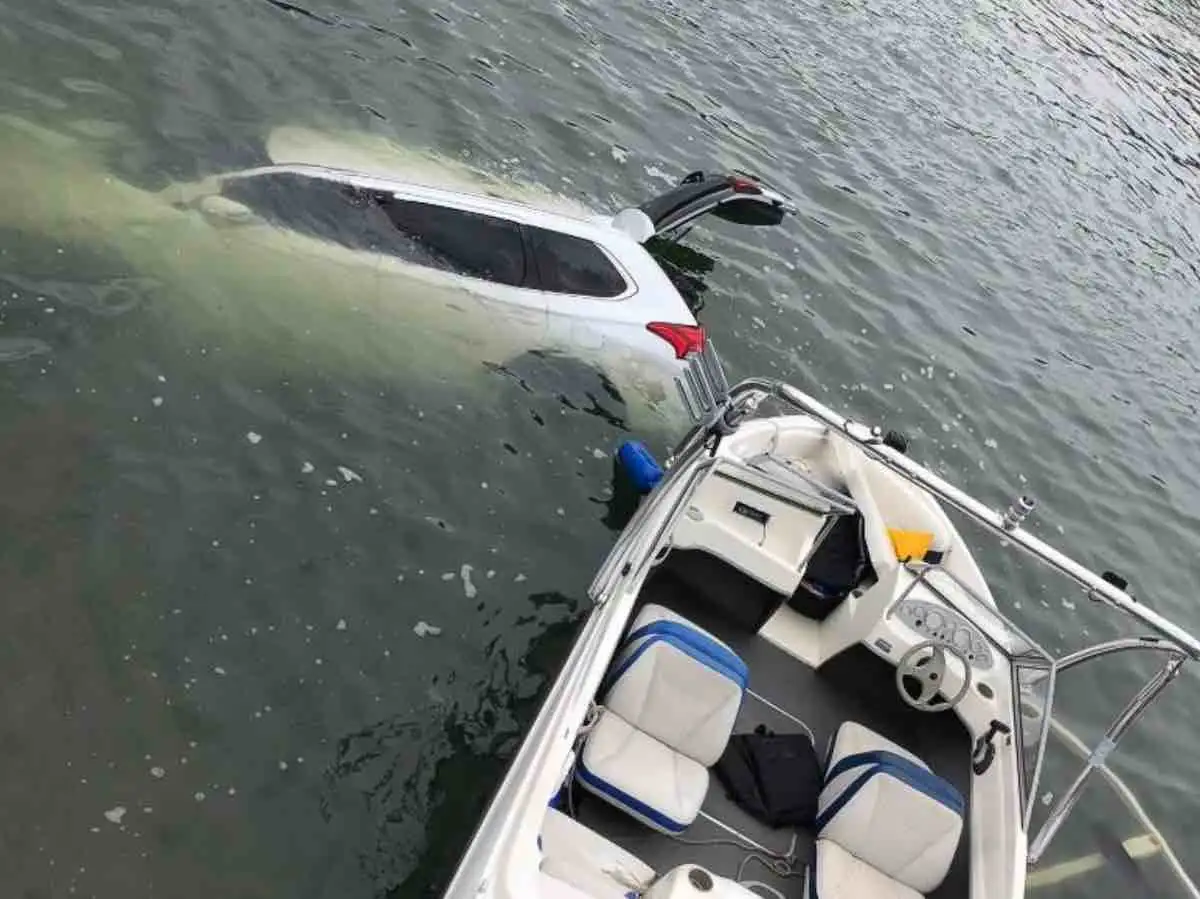
Despite the instinctive fear that “electricity plus water equals danger”, EVs have some clear design strengths when dealing with water.
Simpler layout with fewer moving parts
No traditional combustion engine or complex gearbox:
EVs rely on one or more electric motors and a much simpler reduction gear, with far fewer moving parts than a petrol car.
That means fewer mechanical components that can be damaged by mud, contaminated water, or debris.
In theory, fewer repairs in some scenarios:
If the battery pack and main control units are not affected, some post‑flood repairs may be simpler than rebuilding a water‑damaged combustion engine filled with fluids, filters, and many sensors.
However, any work on high‑voltage systems still requires highly trained technicians and strict safety procedures.
Key components are sealed and partially water‑resistant
Battery packs and electric motors are usually:
Enclosed in robust casings rated to resist a defined level of water ingress.
Designed with high insulation standards to withstand rain, puddles, and even pressure‑washing within specified limits.
Insulation and monitoring systems:
Most EVs continuously monitor insulation between the high‑voltage system and the vehicle body.
Any anomaly can be detected quickly and may trigger protective shutdowns to safeguard occupants.
Automatic safety shutdowns
Automatic isolation in case of suspected short circuit:
If a fault is detected in the high‑voltage circuit, the car can disconnect the traction battery from the rest of the system automatically.
This reduces the risk of electricity continuing to flow while the vehicle is in standing water.
Advanced fault codes and diagnostics:
After a water event, the system can log faults and warnings that help technicians pinpoint affected areas more accurately.
All of this means that, on paper, EVs are engineered differently for water exposure compared with traditional cars – but that does not make them immune or completely safe in floods.
Serious vulnerabilities of EVs when floodwater wins
On the other hand, EVs carry their own unique risks when water penetrates beyond the levels they were designed to handle.
Water intrusion into high‑voltage components
Even though the battery and motor are sealed, it is still possible that:
Deep or prolonged immersion in dirty, muddy, or salty water can eventually compromise seals and gaskets.
Any internal ingress can lead to corrosion, insulation breakdown, or dangerous short circuits.
After severe flooding events, there have been documented cases of EV fires triggered by damaged battery packs reacting with contaminated water or suffering delayed internal failures.
Post‑flood safety risks
A flooded EV is not safe to touch or move for untrained individuals:
There can be unexpected live circuits even when the car appears “off”, so only trained recovery teams and qualified technicians should handle a submerged or heavily water‑damaged EV.
The vehicle may need to be quarantined and monitored for delayed thermal events in the battery pack (thermal runaway risk).
High repair costs
Damage to the battery pack or main high‑voltage control units can mean very large bills:
Replacing or repairing a traction battery is often far more expensive than common engine repairs in petrol cars.
Even with fewer moving parts, the value per component in an EV is significantly higher.
As a result, an EV with serious water damage is more likely to be declared a total economic loss, even if only one major component has been compromised.
Petrol cars in floods: a different pattern of damage
Internal combustion engine (ICE) cars are not automatically safer; they just tend to suffer in more familiar ways from a workshop perspective.
Engine and air‑intake system
Risk of water entering the intake or airbox:
If water is drawn into the cylinders, it can cause hydrolock, where incompressible water stops the pistons and may bend connecting rods or crack components.
Repairing this type of engine damage is extremely costly and often requires a full rebuild or engine replacement.
Fuel and lubrication systems
Water contamination in fuel or oil:
Leads to poor lubrication, internal scoring, and corrosion in critical parts such as injectors, fuel pumps, and bearings.
Electronics and sensors
Modern ICE cars are packed with ECUs and sensors too:
Floodwater can destroy engine control units, ABS modules, airbag controllers, and more.
While individual components are usually cheaper than EV battery packs, the combined cost of multiple modules plus labour can still make the car uneconomical to repair.
One practical advantage is that many workshops already have extensive experience assessing and repairing flood damage on petrol cars, while specialist EV repair capacity is still developing in many markets.
Body and corrosion damage: a shared enemy for EV and ICE
Regardless of powertrain, water leaves its mark on bodywork and metal components.
Corrosion:
Dirty or salty water dramatically accelerates rust in the chassis, suspension parts, brake lines, and other exposed metal.
Low‑voltage wiring looms can corrode at connectors or inside casings, causing intermittent faults that appear months after the flood.
Interior damage:
Carpets, insulation, and sound‑deadening materials soak up water and hold moisture, creating ideal conditions for mould and persistent odours.
In both EVs and petrol cars, electronic modules often sit under seats or beneath the floor, directly in the path of floodwater.
These long‑term, hidden issues make professional inspection essential before buying any car with a suspected flood history, regardless of its fuel type.
Key comparison points: EV vs petrol in floods
Potential strengths of EVs
Major components (battery, motor) are sealed and designed with higher levels of water resistance up to specified limits.
Continuous insulation monitoring and automatic shutdown can reduce ongoing electrical faults while the vehicle is flooded.
Fewer moving parts can, in theory, mean fewer purely mechanical failures after water exposure.
EV weaknesses
Any serious damage to the battery or high‑voltage system can be extremely expensive and may lead to the car being written off.
Electrical safety concerns mean only specialists should handle the vehicle after flooding, limiting repair options.
Petrol car strengths
Broad workshop experience in diagnosing and repairing flood damage to engines and transmissions.
Mechanical damage is usually easier to identify and cost out compared with complex battery pack diagnostics.
Petrol car weaknesses
High risk of hydrolock and catastrophic engine damage if water enters the combustion chambers.
Possibility of water contaminating multiple fluid systems (oil, fuel, coolant) at once, causing widespread damage.
Essential advice for drivers in heavy rain and floods
Never drive into water if you do not know its depth:
Whether you drive an EV or petrol car, exceeding the manufacturer’s specified wading depth is a major risk.
Respect the stated wading depth in the owner’s manual:
Many vehicles, including some EVs, have a maximum safe water depth; going beyond it is at the driver’s own risk.
After partial flooding:
Do not assume “it still runs, so it must be fine”.
Arrange a professional inspection, especially for EVs or heavily electronic vehicles, to check hidden damage.
Never touch or try to restart a heavily flooded EV:
Leave it to emergency services or qualified technicians to recover and assess the vehicle.
Electric vehicles are not invincible in floods, nor are they inherently more dangerous than petrol cars; the real difference lies in the type of damage, the cost of repairs, and the safety procedures required after water exposure. Sealed high‑voltage components and automatic isolation give EVs a defined level of protection under certain conditions, while petrol cars benefit from established repair know‑how and widely available parts when dealing with traditional water damage. In every case, the smartest defence for any driver is to avoid driving through floodwater, respect the manufacturer’s wading limits, and seek a thorough professional inspection after any significant water incident, regardless of the technology under the bonnet.