
- More Than Just a Color Change
- What Is Fresh Engine Oil Supposed to Look Like?
- The Science Behind Blackening Oil
- So… Is Black Oil a Bad Thing?
- What Normal vs. Abnormal Oil Looks Like
- When Engine Oil Turning Black Is a Red Flag
- How Driving Habits Affect Oil Color
- Oil Type Matters Too
- How Often Should You Change Your Oil?
- A Quick Look at Oil Change Intervals
- Myths vs. Facts About Black Oil
- Black Oil Isn’t the Enemy
More Than Just a Color Change
If you’ve ever checked your dipstick and noticed your engine oil has turned from amber to pitch black, you might have wondered: Is that bad? The short answer: not necessarily — but understanding why it happens is vital to keeping your engine healthy.
Engine oil isn’t just a lubricant: it’s the bloodstream of your engine. It reduces wear, carries heat away from moving parts, suspends contaminants, and helps keep combustion clean. Over time, oil darkens due to a combination of heat, combustion byproducts, chemical reactions, and the presence of contaminants. Recognizing the causes — and knowing when a blackening oil signals normal operation versus a deeper problem — helps drivers make better maintenance decisions and prevent engine damage.
Let's dive in.
What Is Fresh Engine Oil Supposed to Look Like?
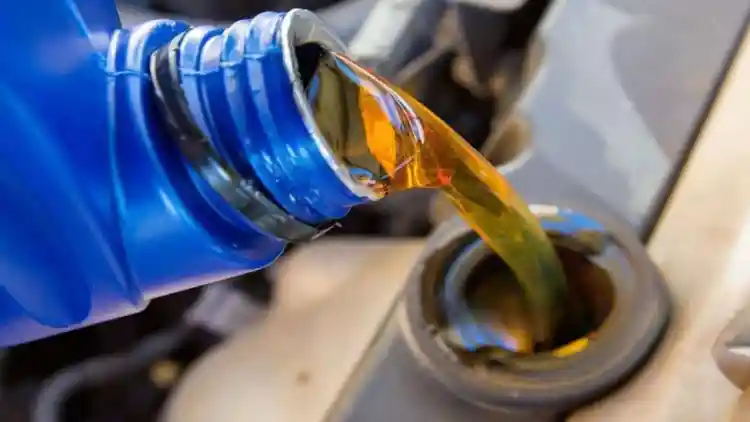
New engine oil — whether conventional, synthetic blend, or full synthetic — typically starts out:
Light amber
Clear
Translucent
This initial color results from a base oil formulation plus additives that boost performance: detergents, dispersants, anti-wear agents, and friction modifiers. Over time, exposure to heat and combustion products will change its appearance.
The real question isn’t whether oil turns black — it’s why, how quickly, and under what conditions.
The Science Behind Blackening Oil
Engine oil darkens primarily for these reasons:
1. Combustion Soot and Byproducts
During combustion, fuel doesn’t burn perfectly. Some carbon particles (soot) escape past piston rings into the crankcase. Oil helps suspend that soot so it doesn’t clump and form sludge. Over time:
The oil collects soot
It darkens as particles build up
This black soot is the most common reason engine oil turns dark.
2. Oxidation from Heat
Engine oil is exposed to high temperatures — especially near combustion chambers and exhaust valves. Over time:
Heat causes oil molecules to react with oxygen
This creates darker, thicker compounds
The oil’s viscosity gradually changes
Heat-induced oxidation is especially accelerated with frequent short trips (insufficient time to fully warm the engine) and severe driving conditions.
3. Fuel and Blow-By Contamination
Crankcase “blow-by” occurs when exhaust gases escape past piston rings into the crankcase. These gases carry:
Unburned fuel
Combustion byproducts
Moisture
All of these lower the oil’s ability to protect engine parts and also contribute to darkening.
4. Additive Depletion
Engine oil contains additives that:
Prevent rust
Control foaming
Reduce wear
As oil ages, these additives are used up, causing changes in color and performance.
So… Is Black Oil a Bad Thing?
Not always.
Dark oil is normal and expected as it performs its job of cleaning, suspending contaminants, and protecting your engine. In fact:
Light amber → early in oil life
Dark brown → still normal
Pitch black → often normal with use
However, oil that’s thick, pasty, gritty, milky, or unusually thin can indicate problems.
Let’s break this down.

What Normal vs. Abnormal Oil Looks Like
Oil Condition | Likely Cause | What It Means |
|---|---|---|
Light amber, clear | New or recently changed | Healthy oil |
Dark brown/black but smooth | Normal use & carbon buildup | Still usable |
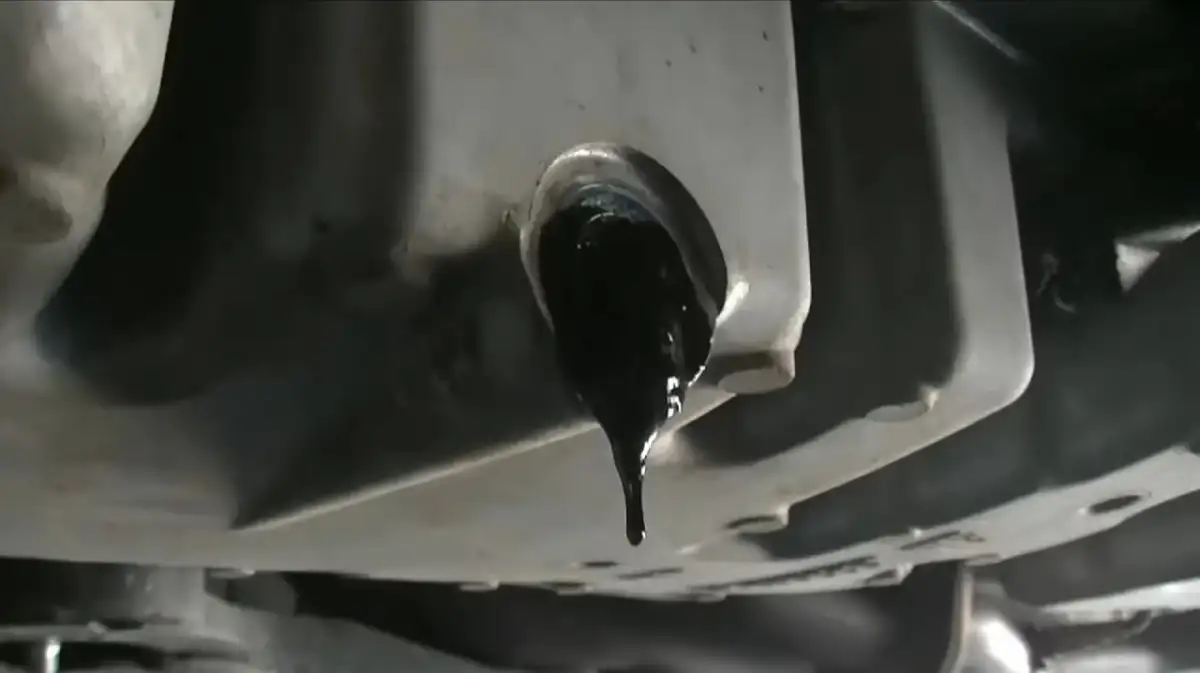
Thick, tar-like | Severe contamination | Change ASAP |
Milky, frothy | Water/coolant mixing | Possible head gasket issue |
Gritty/abrasive | Metal or dirt debris | Wear & tear, possible damage |
Each of the abnormal conditions above signals a different issue — and none should be ignored.
When Engine Oil Turning Black Is a Red Flag
Here are scenarios where dark oil might indicate trouble rather than normal operation:
1. Milky or Foamy Appearance
If the oil looks like a chocolate milkshake or has a foamy texture, it’s often because coolant is leaking into the oil. This can be caused by:
Blown head gasket
Cracked engine block
Faulty intake manifold gasket
Coolant in oil is an immediate concern — don’t drive the vehicle until inspected.
2. Metallic or Gritty Texture
When your oil feels like sand between your fingers, it suggests:
Metal wear particles
Detachment of engine bearings or internal surfaces
This is a serious situation that merits immediate professional diagnosis.
3. Unusually Slimy or Pasty
If oil coats the dipstick thickly and doesn’t drip freely, it could be:
Soot merged with moisture
Sludge forming due to extended oil change intervals
Sludge can block oil passages and starve engine components of lubrication.
4. Odor of Fuel in Oil
If the oil smells sharply like gasoline, it may indicate:
Constant short trips where fuel doesn’t fully burn
Rich fuel mixture
Misfiring spark plugs
Fuel dilution reduces oil’s lubricating properties and can accelerate wear.
How Driving Habits Affect Oil Color
Not all engines darken at the same rate — your driving style matters:
Cold Climates
Frequent short trips
Oil never reaches optimal temperature
Soot and condensation buildup faster
Stop-and-Go Traffic
More combustion byproducts
Increased blow-by
Faster oil darkening
Highway Driving
Oil reaches proper operating temp
Burn-off of short-term contaminants
Slower discoloration with cleaner performance
Oil Type Matters Too
Different oils age differently:
Conventional oil darkens faster
Synthetic oil resists oxidation and breakdown longer
High-mileage formulas contain extra detergents
Manufacturers often recommend synthetic oil for modern engines because it better withstands heat and deposits.
How Often Should You Change Your Oil?
Modern cars increasingly rely on oil life monitoring systems that calculate oil health based on sensor data, temperature, and driving patterns.
General guidelines:
5,000–7,500 miles for many modern vehicles
7,500–10,000 miles for synthetic oil
Severe driving conditions may require sooner changes
Always follow your owner’s manual first — it’s calibrated to your engine’s needs.
A Quick Look at Oil Change Intervals
Oil Type | Typical Change Interval |
|---|---|
Conventional | 3,000–5,000 miles |
Synthetic Blend | 5,000–7,500 miles |
Full Synthetic | 7,500–10,000+ miles |
Severe Duty Driving | 3,000–5,000 miles (all types) |
Intervals vary by engine, manufacturer, and driving habits.
Myths vs. Facts About Black Oil
Myth: Black oil always means something is wrong
Fact: Oil darkening is often normal and expected.
Myth: You must change oil as soon as it turns black
Fact: Only change if texture, smell, or consistency indicates contamination or degradation.
Myth: Fancy cars don’t get black oil
Fact: All engines produce soot — size and technology don’t change combustion byproducts.
Black Oil Isn’t the Enemy
Engine oil turning black is a natural part of its job. It indicates that the oil is doing what it’s designed to do: capturing contaminants, suspending soot, and protecting your engine.
However, not all black oil is the same. When oil darkens but remains smooth and consistent, it’s usually fine until the next scheduled change. When it changes texture, smell, or texture, it’s time to investigate.
Next time you check your dipstick, remember: black oil isn’t necessarily bad — but it’s a signal to pay attention.