

- 1. Fuel Pump Health — The Real MVP
- 2. Water and Corrosion — The Hidden Danger
- 3. Vapor Canister and EVAP System Efficiency
- 4. Gas Expansion in Warm Weather
- 5. Everyday Practicality vs. Best-Practice Theory
- 6. What About the ‘Fill It Up’ Culture?
- 7. Examples: EV Behaviour vs. Traditional Engines
- 8. When Full Really Is Full (But Not Always Better)
- Comparison: Fuel Levels and Vehicle Components
- How Stations and Technology Influence Behavior
- Worst Avoided Mistakes
- Small Habit, Big Benefits
You’ve probably heard it before — don’t let your gas tank get too empty, and don’t always fill it to the brim. But why?
According to experienced mechanics and technicians, there’s more to this advice than old-school lore. Keeping your fuel level between roughly 40% and 80% isn’t about paranoia — it’s about protecting key parts of your car, prolonging your fuel pump’s life, and avoiding unexpected issues down the road.
This simple habit can improve daily reliability and reduce the risk of expensive repairs, especially as cars evolve with stricter emissions systems and more sensitive hardware. Let’s explore the reasoning, the science behind it, and what it means for your driving routine.
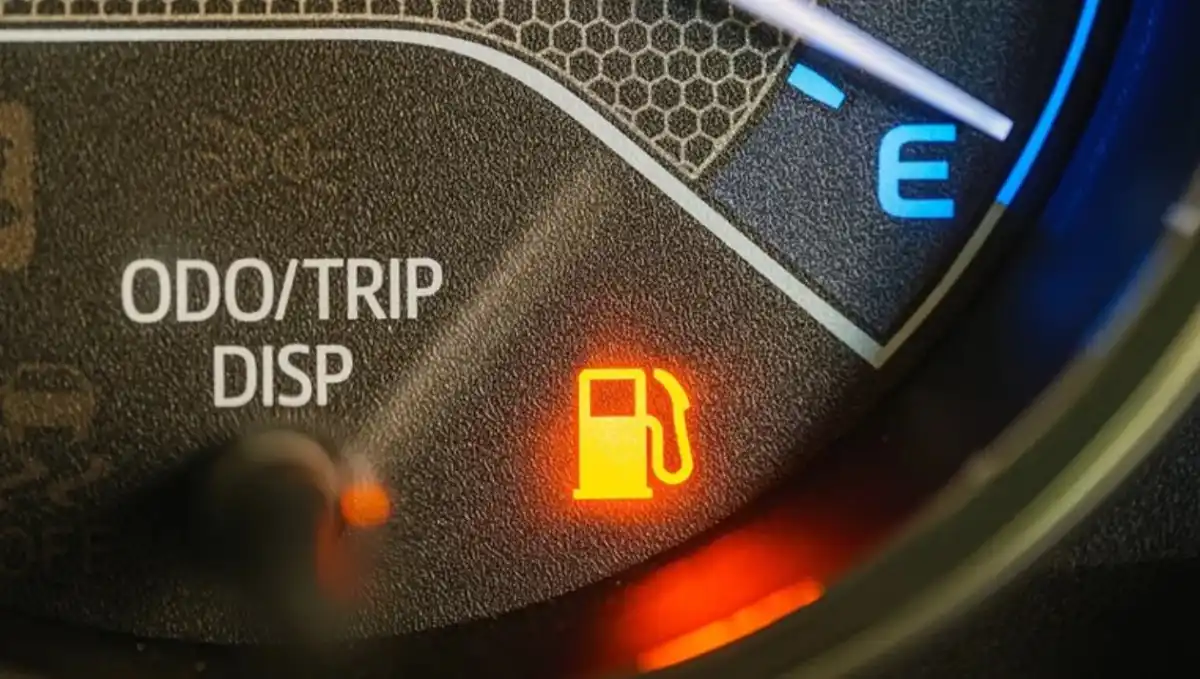
1. Fuel Pump Health — The Real MVP
The fuel pump itself is the star of this discussion.
Why the Fuel Pump Matters
The fuel pump delivers gasoline from the tank to the engine under steady pressure. In modern cars, it’s usually submerged inside the gas tank, where fuel acts as a coolant and lubricant as the pump spins.
When fuel levels are too low, the pump:
Runs hotter, because there’s less fuel to absorb heat
Wears faster, due to reduced lubrication
Risks early failure (which can cost hundreds or thousands to replace)
Keeping your tank above roughly 40% ensures the pump stays fully submerged most of the time, preventing overheating and premature wear.
2. Water and Corrosion — The Hidden Danger
Moisture inside fuel tanks is more than just nuisance — it’s a slow-burning issue.
Condensation Happens
Even airtight tanks can accumulate water over time due to temperature swings. When the tank isn’t kept reasonably full, condensation forms inside the metal walls.
Over time, this can:
Lead to rust and corrosion
Introduce water into the fuel system
Cause fuel filters to clog
Eventually damage injectors and engine components
A fuller tank minimizes airspace, cutting down on condensation and moisture buildup — an especially important consideration in humid or seasonal climates.
3. Vapor Canister and EVAP System Efficiency
If your car has an onboard EVAP (Evaporative Emissions) system, fuel level matters even more.
Modern cars don’t just store fuel — they capture and recycle vapors to meet emissions standards.
The vapor canister and related hardware rely on stable fuel levels to operate correctly.
When the tank is extremely full (100%), pressure can spike and stress these components.
When it’s too low, vapor draw and system calibration can be disrupted.
Maintaining 40–80% strikes a balance, keeping the EVAP system functioning smoothly without placing excess strain on valves and sensors.
4. Gas Expansion in Warm Weather
Your fuel tank isn’t immune to the environment.
In hot weather:
Gas expands significantly
A completely full tank can build pressure
Overflow or venting stress can occur
Manufacturers actually leave a small amount of headspace at full fill — but constantly topping up to 100% increases the amount of vapor and pressure inside the tank.
By fueling to ~80%, you:
Reduce excessive pressure buildup
Reduce load on vapor lines and canister
Improve longevity of related components
This is particularly relevant in regions with extreme temperatures — but it applies everywhere.
5. Everyday Practicality vs. Best-Practice Theory
Of course, life isn’t always convenient — and neither is a 40–80% rule.
Here’s how to make it practical for daily drivers:
When to Top Up
Planned long trips — fill closer to 80% before departure
Daily commuting — aim to refill when near 40%
Cold weather — don’t let the tank dip into the red zone
Quick Tip
Treat the 40% mark as your “warning” level — similar to a check engine light. Once you hit it, plan to fill soon.
6. What About the ‘Fill It Up’ Culture?
Many drivers grew up in an era when:
Fuel was cheap
Cars were simpler
Fuel stations were scarce
Filling up every time — even to 100% — was common and harmless. Today:
Cars are more complex
Emissions systems are more sensitive
Fuel pumps are more vulnerable
In other words, the old habit is not necessarily the best habit for modern vehicles.
7. Examples: EV Behaviour vs. Traditional Engines
While this discussion centers on gasoline engines, fuel tank habits also influence:
Hybrid vehicles — preserving fuel pump and EVAP systems is still beneficial
Plug-in hybrids — gasoline usage fluidly interacts with battery systems
Bosch or advanced direct-injection systems — benefit from stable fuel delivery
Electric cars don’t have this issue (no fuel tank!), but the lesson remains: vehicle care evolves as tech evolves.
8. When Full Really Is Full (But Not Always Better)
Yes, completely filling your tank occasionally is fine — especially before:
Long road trips
Remote travel with few filling stations
But doing it as a habit isn’t aligned with best practices for modern fuel system longevity.
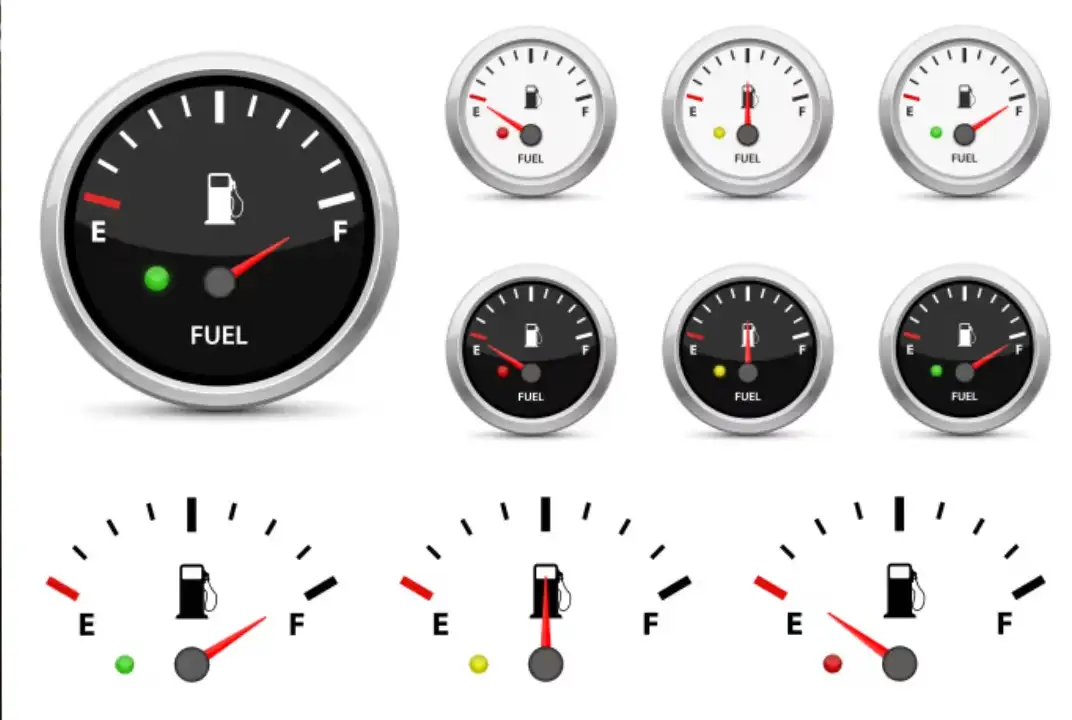
Comparison: Fuel Levels and Vehicle Components
Fuel Level Range | Fuel Pump Submersion | EVAP System Stress | Moisture & Corrosion Risk |
|---|---|---|---|
0–20% | Low (risky) | Disrupted | High |
20–40% | Moderate | Variable | Moderate |
40–80% (Ideal) | High (safe) | Balanced | Low |
80–100% | Very high (safe) | Higher stress | Low |
This table illustrates why mechanics recommend staying within a sweet spot rather than extremes.
How Stations and Technology Influence Behavior
Modern stations and fuel dispensers:
Auto-shut off early to prevent vapor issues
Recommend intermediate fueling for emissions compliance
Include warnings, lights, and sensors tied to tank levels
Additionally, onboard trip computers can help monitor fuel state and avoid risky margins.
Worst Avoided Mistakes
Running Near Empty
Increased pump wear
Higher risk of drawing debris from tank bottom
EVAP malfunction potential
Topping Up to 100% Every Time
Extra strain on emissions system
Increased vapor pressure
Possibility of fuel venting and minor leaks
Small Habit, Big Benefits
What seems like a trivial fueling habit turns out to be a component-protecting strategy with measurable long-term effects:
Longer fuel pump life
Lower long-term maintenance cost
Better emission system performance
Fewer emergency situations
In a world where modern vehicles are becoming software-driven, connected, and emissions-regulated, paying attention to simple mechanical habits still matters. Keeping your gas tank between approximately 40% and 80% is one such practical rule — easy to adopt and backed by mechanics for good reason.