

- Early trailblazer: Maria Teresa de Filippis
- Lella Lombardi: the first woman to score points
- Other female drivers on the F1 grid
- Divina Galica
- Desiré Wilson
- Giovanna Amati
- Susie Wolff and female test drivers
- Key facts and statistics on women in Formula 1
- The role of women‑only series: W Series and F1 Academy
- W Series
- F1 Academy
- Why there are still no full‑time female F1 race drivers
- Future prospects: who could reach F1 next?
Formula 1 has seen only a handful of women reach its grid, yet their presence has left a powerful symbolic mark on the sport. While male drivers have dominated race seats throughout the championship’s history, a small group of pioneering women have managed to break through and compete at the highest level of single‑seater racing.
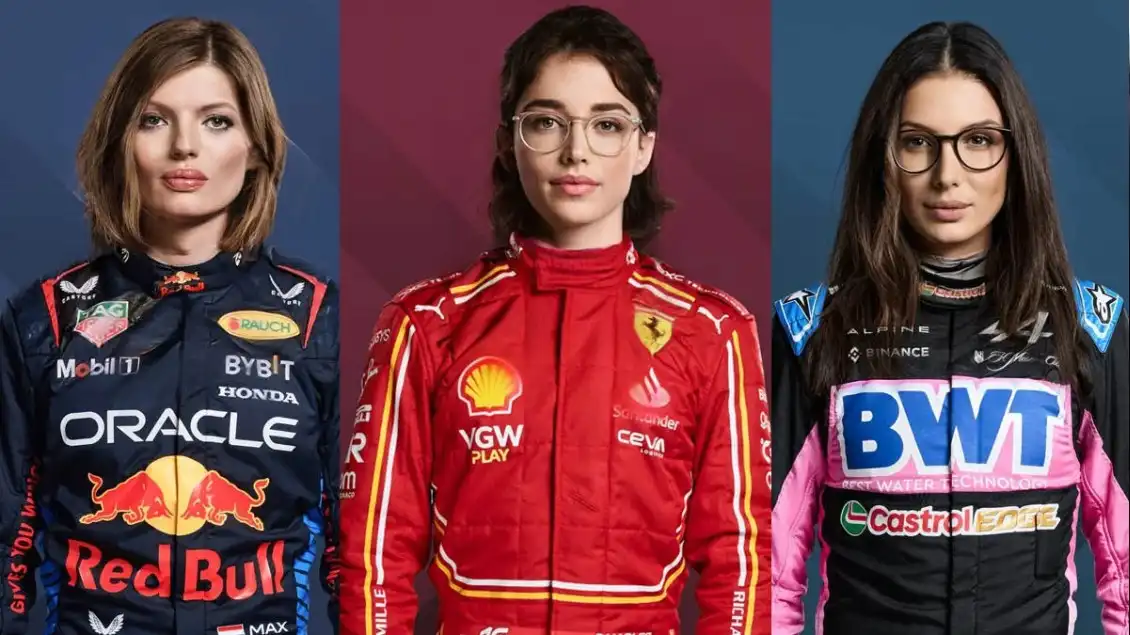
Early trailblazer: Maria Teresa de Filippis
Italian driver Maria Teresa de Filippis was the first woman to take part in a Formula 1 race weekend, making her debut in 1958. She entered five rounds during that period and succeeded in qualifying for three official Grands Prix, despite fierce competition and safety standards that were far behind those of the modern era.
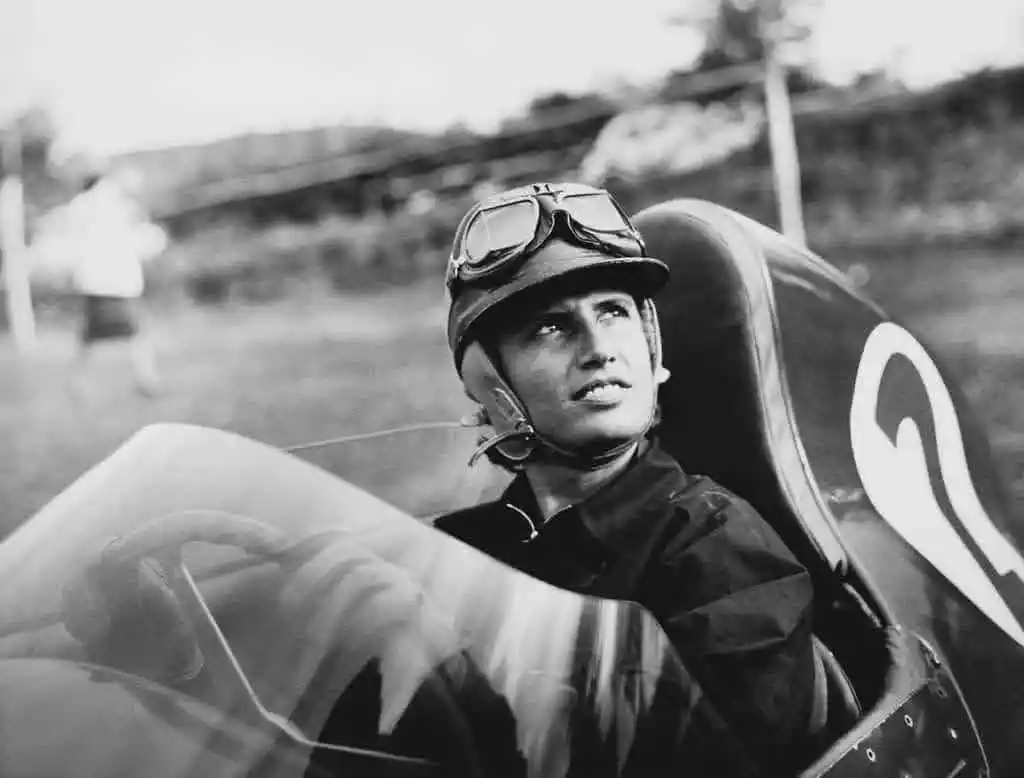
De Filippis drove initially for Maserati before racing a Behra‑Porsche, competing against some of the biggest names of her time. Although she did not score any World Championship points, her presence alone represented a major breakthrough for women in international motorsport.
Lella Lombardi: the first woman to score points
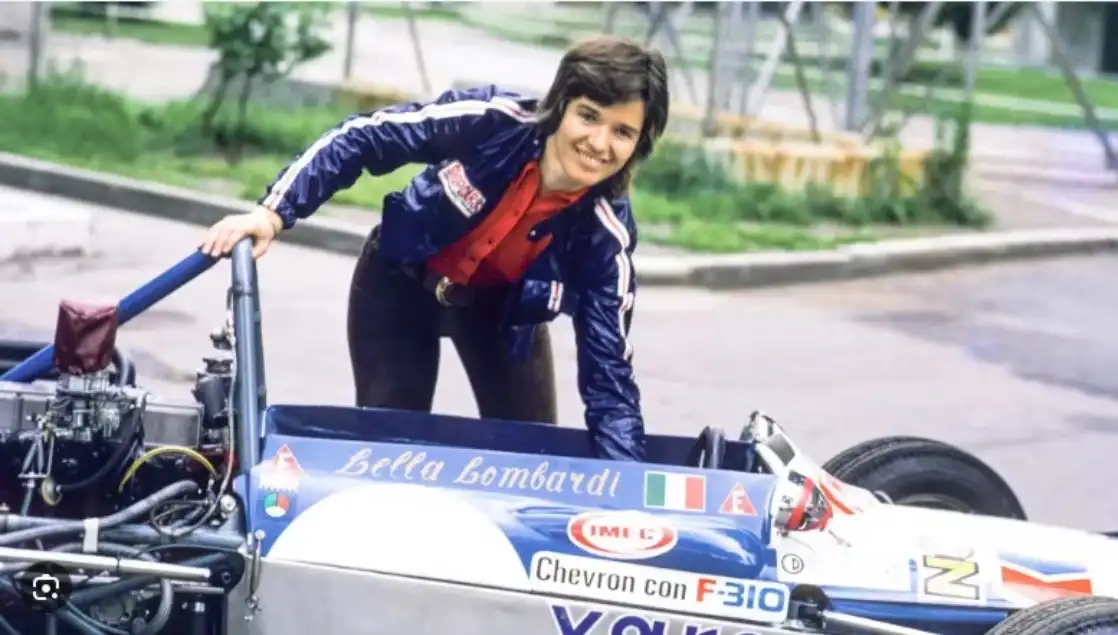
Lella Lombardi is the most successful woman in Formula 1 history in terms of race results. The Italian driver competed between 1974 and 1976 for teams such as March, RAM and Williams, recording 17 entries and 12 official race starts.
Her landmark moment came at the 1975 Spanish Grand Prix, where she finished sixth in a race that was red‑flagged and shortened due to a fatal accident. Because less than three‑quarters of the distance was completed, only half points were awarded, making Lombardi the only woman ever to score World Championship points, with half a point to her name.
Other female drivers on the F1 grid
Alongside de Filippis and Lombardi, several other women have attempted to race in Formula 1, even if they did not achieve the same level of results. Their efforts remain important chapters in the story of female participation in the championship.
Divina Galica
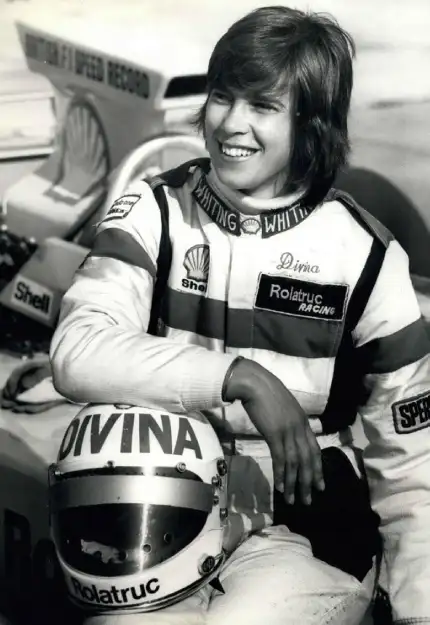
British driver Divina Galica attempted to qualify for three Grands Prix between 1976 and 1978, driving for teams such as Surtees and Hesketh.
She did not manage to qualify for an official race, but her career is remarkable in another way: she also competed as an Olympic alpine skier, making her one of the rare athletes to combine top‑level winter sports with Formula 1 ambitions.
Desiré Wilson
South African driver Desiré Wilson took part in one World Championship race weekend in 1980, driving a non‑works Williams entry.
She failed to qualify for the Grand Prix, but remains the only woman ever to win a Formula 1 race of any kind, thanks to her victory in a round of the British Aurora F1 series in 1980, a non‑championship national‑level series that used F1 machinery.
Giovanna Amati
Italian driver Giovanna Amati is the most recent woman to attempt to race in Formula 1.
She joined the Brabham team in 1992 and tried to qualify for three Grands Prix, but did not succeed in making it through qualifying on any of those occasions.
Susie Wolff and female test drivers
Although no woman has started a World Championship Grand Prix since Amati’s attempts in 1992, several female drivers have taken on testing and development roles in the modern era. These positions, while not full race seats, reflect a gradual shift in the sport’s openness to female talent.
One of the most notable examples is Scottish driver Susie Wolff, who served as a development and test driver for Williams in the mid‑2010s. She participated in several free‑practice sessions during race weekends, gaining valuable mileage in current‑generation Formula 1 cars, even though she never made a race start.
Beyond Wolff, a number of women are involved in junior programmes and simulator roles at major teams. Their presence in such positions underlines changing perceptions of women’s roles within the technical and sporting structure of Formula 1.
Key facts and statistics on women in Formula 1
Only a very small number of women have taken part in a Formula 1 race weekend, whether through qualifying attempts or actual race starts.
Five female drivers have started at least one World Championship Grand Prix, with the number of entries exceeding the number of race starts because of failed qualifying attempts.
Lella Lombardi holds the record for the most race starts by a woman in Formula 1, with 12 official starts.
Lombardi is also the only female driver to have scored World Championship points, with half a point from the 1975 Spanish Grand Prix.
The role of women‑only series: W Series and F1 Academy
Given how difficult it is for women to secure opportunities on the traditional single‑seater ladder, dedicated female‑only championships have been created to provide a clearer pathway. These series aim to reduce financial barriers and increase visibility for female drivers.
W Series
W Series was launched in 2019 as an all‑female single‑seater championship with fully funded drives for its competitors. The aim was to remove the cost barrier that prevents many talented drivers from progressing in motorsport.
Across three seasons (2019, 2021 and 2022), W Series ran as a support category at several Formula 1 events and featured standout drivers such as Jamie Chadwick, who claimed three titles. The series helped some drivers move into strong international championships like Indy NXT and Formula Regional, but it eventually ceased operations due to financial challenges.
F1 Academy
F1 Academy is a newer series targeted at young female drivers at a level comparable to Formula 4. It was launched with direct backing from Formula 1’s commercial rights holders and is intended to act as a structured development platform.
The series provides a comprehensive programme that includes race experience, physical training and simulator work, combined with significantly increased media exposure. Many of its drivers are affiliated with the junior academies of leading F1 teams such as Ferrari, Red Bull and Alpine, giving them closer links to the top level of the sport.
Why there are still no full‑time female F1 race drivers
Despite these initiatives, there is currently no full‑time female race driver on the Formula 1 grid. Several structural and cultural factors continue to make the path to a race seat extremely challenging.
Intense competition for limited seats: Formula 1 has only 20 race seats, and they are contested by hundreds of drivers progressing through karting, Formula 4, Formula 3 and Formula 2 worldwide.
High costs and complex progression: Climbing the single‑seater ladder requires substantial funding and strong commercial backing, something female drivers often access in smaller amounts than their male counterparts.
Cultural and historical barriers: Motorsport has long been perceived as a male‑dominated environment. Fewer girls enter karting at a young age, which reduces the base pool of potential female talents capable of reaching the top.
Future prospects: who could reach F1 next?
Recent performances in junior categories suggest that a new generation of female drivers may have the potential to reach Formula 1. Multiple drivers are now progressing through credible, competitive championships with stronger institutional backing than ever before.
Jamie Chadwick, for example, has already claimed three W Series titles and is currently competing in Indy NXT, gaining experience in powerful single‑seater machinery. At the same time, F1 Academy is producing promising talents, some of whom are directly linked to the junior programmes of major F1 teams.
There is still no guarantee that any of these drivers will ultimately secure a full‑time race seat in Formula 1. However, the current structure of development programmes and women‑only series significantly improves the likelihood of seeing a woman back on the F1 grid in the coming years compared with previous decades.