

- The Chemistry Behind Diesel Fuel Gelling
- How Gelling Affects Diesel Engine Operation
- Why Gasoline Doesn’t Gel Like Diesel
- How to Prevent Diesel Fuel from Gelling
- How to Recover from Gelled Diesel Fuel
- Important Cold-Weather Diesel Terms
- Practical Winter Diesel Tips
Winter driving brings challenges to many drivers, especially those who rely on diesel-powered vehicles. While gasoline tends to remain a fluid in cold conditions, diesel fuel can transform into a thick gel, leading to major issues like hard starts, clogged filters, and stalling engines. In this comprehensive guide, we explore why diesel gels in the cold, how this affects your engine, what warning signs to watch for, and practical prevention and recovery methods every diesel owner needs to know.
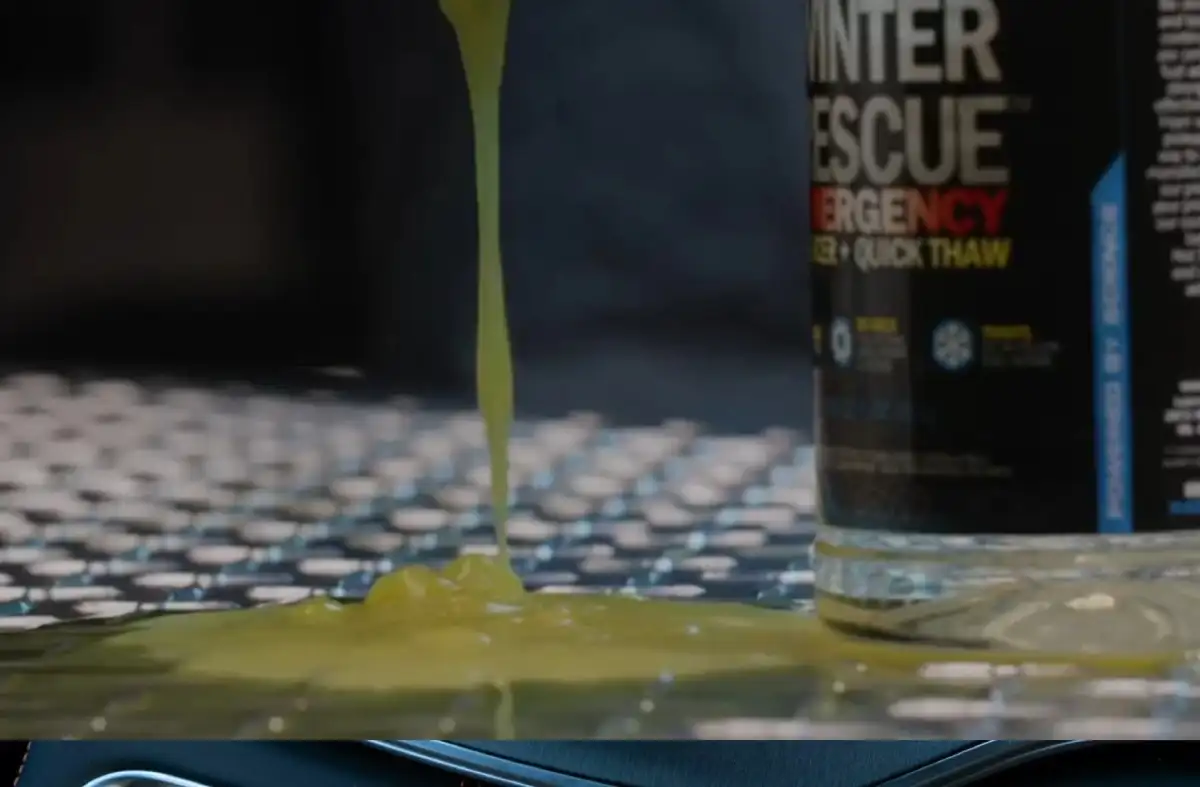
The Chemistry Behind Diesel Fuel Gelling
The unique behavior of diesel fuel in cold weather comes down to its composition and the paraffin wax naturally present in it.
Diesel Contains Paraffin Wax
Unlike gasoline, which is made from lighter hydrocarbon fractions, diesel fuel contains paraffin wax molecules that help with lubrication and combustion at normal temperatures.
As temperatures fall, wax crystals begin to form — a process called clouding.
At temperatures around 10°F to 15°F (-12°C to -9°C), these crystals can grow large enough to interfere with fuel flow.
This crystallization thickens the diesel, eventually turning it into a semi-solid gel that’s too viscous to move through fuel filters and lines. The result? Your engine starts starving for fuel.
How Gelling Affects Diesel Engine Operation
Gelled diesel doesn’t just make fuel hard to pump — it directly impacts how well your engine runs.
Main Consequences of Diesel Gelling
Clogged fuel filters and injectors — Wax crystals block filters, reducing fuel flow.
Strained fuel pumps — Pumps struggle to move thickened fuel, accelerating wear.
Cold starts become difficult — Engines may crank without starting or stall shortly after.
Rough idling and power loss — Partial gelling still degrades performance.
Unexpected engine stalling — Fuel tanks are far from engine heat, so gelling can occur while driving.
Diesel engines are famous for durability, but gelled fuel can instantly undermine that reliability during winter.
Why Gasoline Doesn’t Gel Like Diesel
The biggest difference between diesel and gasoline in cold weather is chemical structure.
Gasoline Characteristics
Made from lighter hydrocarbons
Remains fluid at extremely low temperatures
Freezing point far below real-world winter conditions
Contains no paraffin wax
Diesel Characteristics
Contains wax compounds
Wax solidifies as temperatures drop
Requires treatment or blending in winter
This explains why gasoline vehicles rarely suffer fuel-related winter issues, while diesel vehicles demand extra preparation.
How to Prevent Diesel Fuel from Gelling
Proper planning makes diesel winter operation reliable and stress-free.
Use Winterized Diesel
Winter diesel blends reduce wax content and improve cold-flow properties.
Common blends mix #2 diesel with #1 diesel
Designed specifically for cold climates
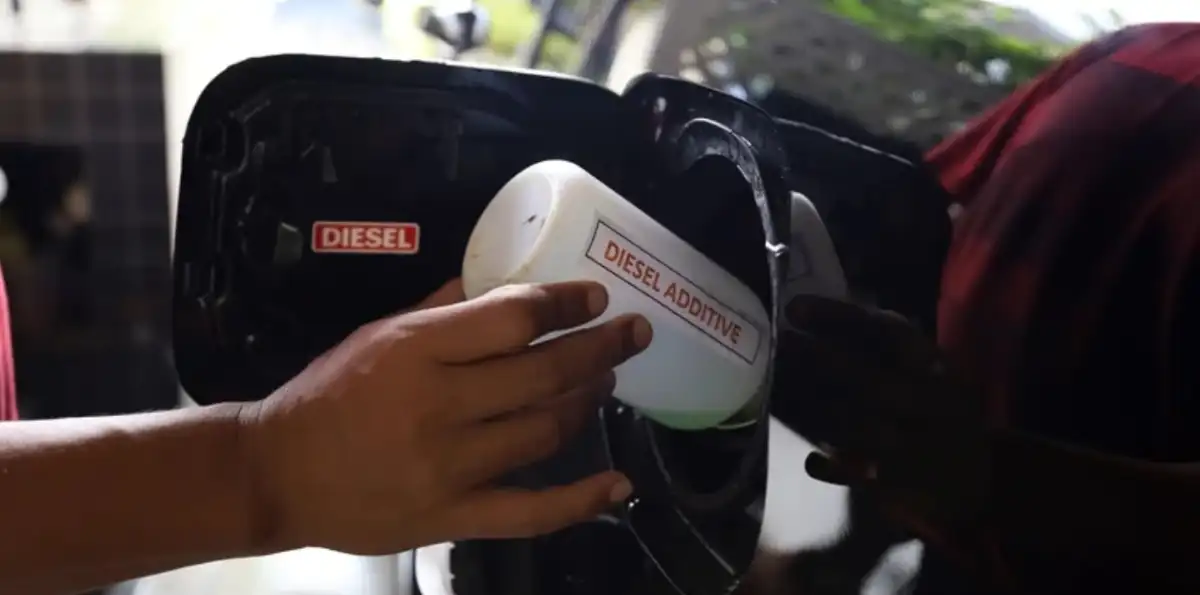
Add Anti-Gel Additives
Anti-gel treatments:
Prevent wax crystals from growing
Improve cold filter performance
Are most effective when added before temperatures drop
Keep the Fuel Tank Full
Reduces air and condensation
Minimizes water contamination
Helps prevent icing inside fuel lines
Warm Storage and Heating Solutions
Heated garages prevent fuel temperature from dropping too low
Block heaters and fuel heaters maintain flow in extreme cold
How to Recover from Gelled Diesel Fuel
If your diesel has already gelled, recovery is possible.
Step-by-Step Recovery Process
Identify the issue: Thick, cloudy fuel or clogged filters.
Warm the vehicle: Move it into a heated environment.
Apply gradual heat: Allow wax crystals to melt naturally.
Use de-gel products: These restore fuel flow and dissolve wax.
The process may take several hours depending on severity and temperature.
Note: Fuel icing caused by frozen water can mimic gelling symptoms but requires different treatment.
Important Cold-Weather Diesel Terms
Understanding these terms helps drivers choose the correct fuel and additives.
Practical Winter Diesel Tips
Use winter diesel before cold weather begins
Add anti-gel additives early
Keep fuel tanks full
Park in warm locations when possible
Maintain filters and fuel systems regularly
With proper preparation, diesel engines remain dependable even in harsh winter environments.