
- The Competitive Edge of Chinese EVs
- The Growth of Sustainability in the Region
- Changing Consumer Trends
- Challenges for Chinese EVs
- Future of the EV Market in the Middle East
Chinese electric vehicles (EVs) are no longer simply alternatives to traditional cars. They are transforming the automotive landscape in the Middle East. Offering a combination of affordability, technological advancement, and sustainability, these cars are reshaping the local market. But what's behind the surge of Chinese EVs? In this article, we'll delve into the driving factors and why this trend matters for the future of transportation in the region.

The Competitive Edge of Chinese EVs
Chinese EVs have risen to prominence in the Middle East for a variety of reasons, and their competitive advantages are hard to overlook:
Superior Affordability
Chinese EV brands have mastered the art of combining quality with cost-effectiveness. Unlike many American, European, or Japanese counterparts, Chinese manufacturers reduce costs through efficient supply chains and large-scale production. As a result:
Affordable Prices: Models start at lower price points, making them accessible to a broader range of consumers.
Cost-Effective Features: Consumers get cutting-edge technology without breaking the bank.
Lower Ownership Costs: Many EVs require less maintenance compared to traditional gas-powered cars, adding to their long-term affordability.
Innovations in Design and Technology
In recent years, Chinese automakers have invested heavily in research and development. They are offering features that resonate with tech-savvy drivers in the Middle East:
Extended Battery Life: Cars with ranges of over 400 kilometers per charge are now commonplace.
Rapid Charging Technology: Many models can recharge 80% of their battery in less than 30 minutes.
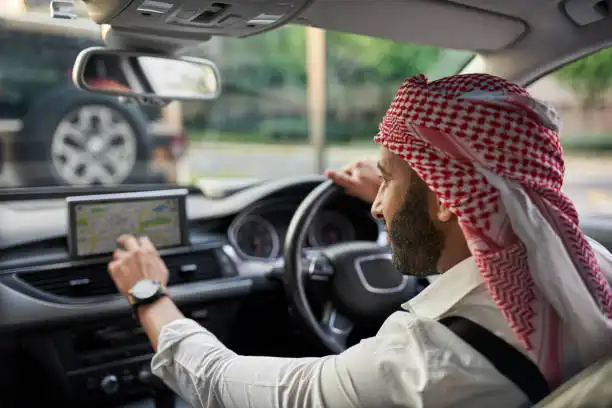
SmartUAE Smart Connectivity: Integration of AI-based systems, including voice assistants and infotainment capabilities, appeals to modern buyers.
Reliable Durability: Designed to withstand harsh climates, including extreme heat, these vehicles perform reliably in desert conditions.
Large-Scale Production
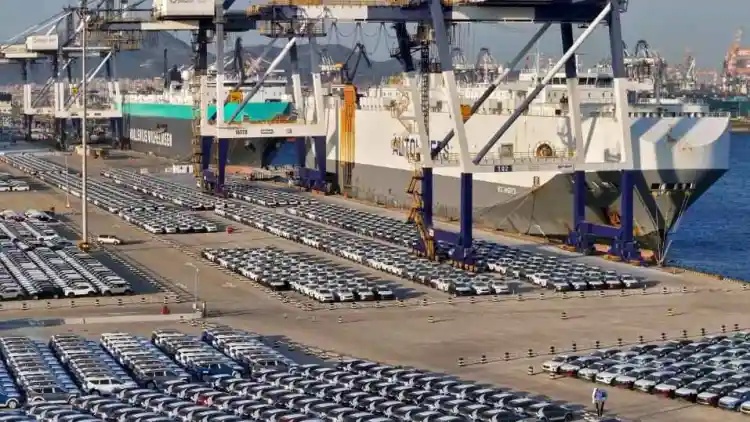
China has streamlined the mass production of EVs. This ensures that there is a steady supply of vehicles entering global markets, including the Middle East. Unlike some established brands that face supply bottlenecks, Chinese manufacturers deliver vehicles on time to meet growing consumer demand.
Consistent Availability: Buyers can choose from a wide range of models.
Fast Import Process: Since there is little delay in shipping, dealerships can keep stock levels high.

The Growth of Sustainability in the Region
Supporting Environmental Goals
The Middle East is well-known for its reliance on fossil fuels. However, governments are now focusing on environmental reforms to fight climate change. Chinese EVs align perfectly with these objectives. Key aspects include:
Reduced Carbon Footprint: EVs emit no tailpipe emissions and contribute less pollution.
Promotion of Green Energy: Solar-powered charging stations further reduce reliance on gas-powered technologies.
Government Incentives for EVs
Many Middle Eastern countries are offering policies to encourage more people to invest in electric vehicles. These policies include:
Tax Benefits: Reduced or no import taxes on EVs.
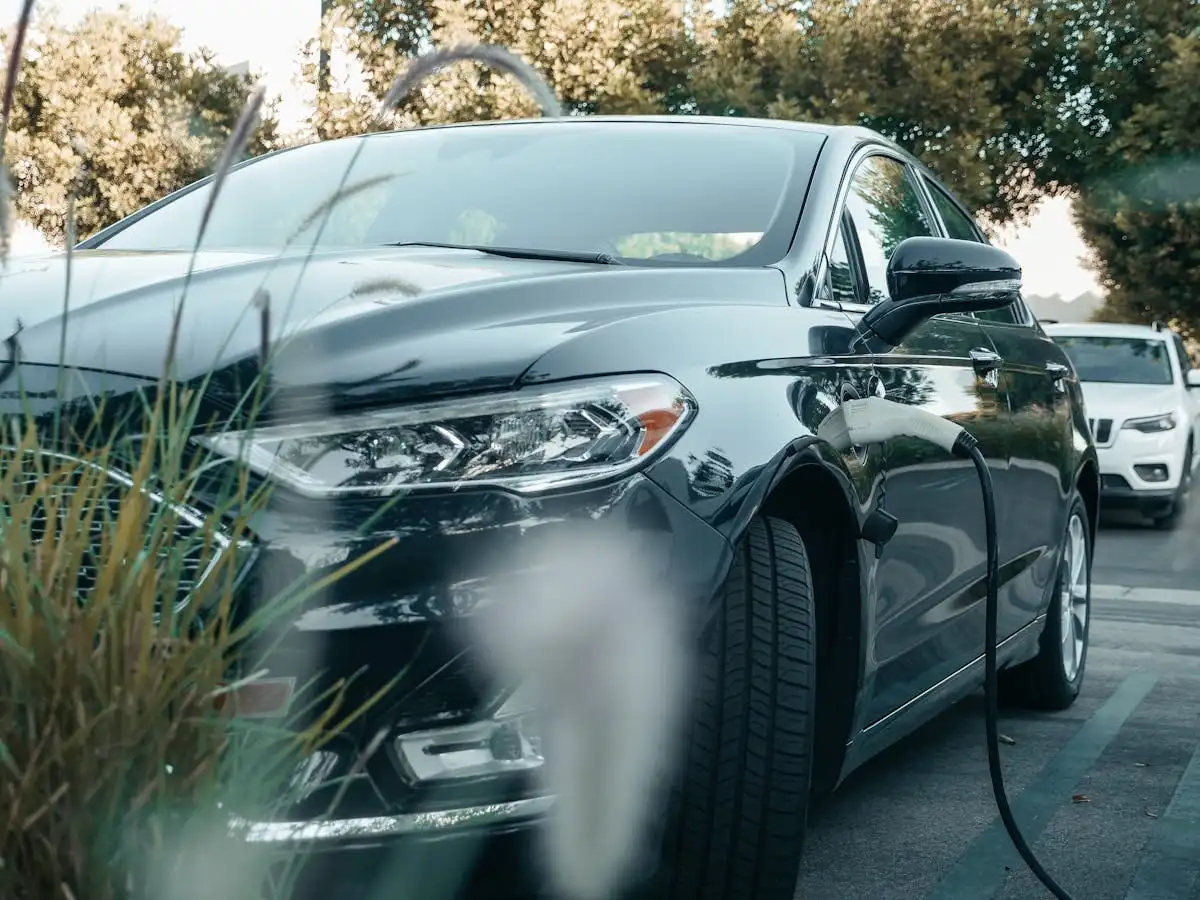
Free Charging Stations: Access to free public charging infrastructure incentivizes adoption.
Low Registration Fees: Favorable registration and licensing fees are provided for EV buyers.
With affordable entry points for consumers, Chinese EVs thrive in this evolving ecosystem.
Changing Consumer Trends
Growing Desire for High-Tech Cars
Middle Eastern buyers, especially younger generations, demand vehicles that reflect their lifestyles. They want gadgets that integrate seamlessly into daily life. Chinese EVs are fulfilling these demands by introducing models with the latest technological features:
AI Integration: Voice-activated systems and smart navigation tools.
Luxury Feel: High-quality interiors rival premium brands but at budget-friendly prices.
Connected Tech: Features like remote locking and real-time vehicle monitoring through mobile apps appeal to modern users.
Earning a Reliable Reputation
In the past, many consumers doubted the quality of Chinese automotive brands. However, this perception has shifted. Chinese manufacturers now focus on:
Quality Control: Improved designs, better engines, and durable materials.
Warranties: Industry-leading warranty programs reassure buyers.
Endorsements: Positive customer reviews and awards help build reputation.
Challenges for Chinese EVs
Despite progress, Chinese EVs face several challenges when expanding in the Middle East:
Fierce Competition: Western brands with decades-long market presence pose a tough challenge.
Limited EV Infrastructure: Outside urban areas, charging facilities remain scarce, creating hurdles for widespread adoption.
Public Awareness: Some consumers are still unaware of the benefits of EVs. Awareness campaigns are needed.
These challenges require targeted solutions from both governments and manufacturers.
Future of the EV Market in the Middle East
The future looks bright for Chinese EVs in the region. With their alignment to both consumer expectations and regional environmental goals, their market presence is expected to grow. As infrastructure develops and competition pushes innovation further, more residents of the Middle East will likely embrace these futuristic vehicles.
FAQ
Q: What makes Chinese EVs stand out from European or Japanese models?A: They are much more affordable while offering advanced technology and reliability.
Q: How do Chinese EV makers keep their prices so low?A: They benefit from large-scale mass production and efficient supply chains.
Q: Are Chinese EVs suitable for hot climates like the Middle East?A: Yes. Most manufacturers design their vehicles for extreme weather, including high temperatures.
Q: What countries in the Middle East use Chinese EVs the most?A: The United Arab Emirates and Saudi Arabia are leading purchasers of Chinese EVs, thanks to strong governmental support and incentives.
Q: Which Chinese EV brands are popular in the Middle East?A: BYDEgypt BYDUAE BYDKSA BYDBahrain BYDKuwait BYDOman BYDQatar BYD, NioBahrain NioEgypt NioKSA NioKuwait NioOman NioQatar NioUAE Nio, XPeng, and Geely are among the most sought-after brands, offering options for different budgets and preferences.
Read More:
Kawasaki Ninja 400 Price in UAE: Everything You Need to Know
Jeep Compass Price Dubai: Your Essential 2025 Guide
Cartea Partners with BRIDGE Summit to Empower the Middle Eastern Automotive Ecosystem