
- The Growing Interest in Chinese Electric Vehicles
- Environmental Concerns and EV Adoption
- Comparison With Western Electric Vehicles
- Challenges in the EV Expansion Journey
- Influence on the Global Automotive Market
- Frequently Asked Questions
The automotive industry is witnessing a surprising shift. Oil-rich nations, known for their reliance on fossil fuels, are now turning to Chinese electric vehicles (EVs) as part of their broader goals for sustainability and economic diversification. This adoption is not just reshaping their transport systems but also making strides toward environmental responsibility. Below, we dive deeper into the factors driving this intriguing transformation.
The Growing Interest in Chinese Electric Vehicles
The global EV market is evolving, with oil-exporting countries in the Middle East and other regions showing significant interest. What makes this shift unique is the decision by many nations with abundant oil reserves to turn to Chinese EV manufacturers. The move demonstrates their interest in incorporating sustainable transportation options while reducing dependency on fossil fuels for internal consumption.
Economic Benefits of Choosing Chinese EVs
One of the primary reasons oil-rich nations are attracted to Chinese EVs is the undeniable financial advantage. These countries are making calculated decisions to save costs but also bring innovation and technology into their economies. Here are the key economic factors that contribute to the preference for Chinese EVs:
Affordable Pricing: Chinese EVs offer lower upfront costs compared to Western brands, making them financially attractive without sacrificing quality.
Government Incentives: Many governments in the region have introduced support mechanisms like reduced import taxes and subsidies, making EV adoption easier.
Cost Savings Over Time: Since EVs do not require fuel input and operate with fewer mechanical complexities, their long-term running costs are substantially lower. This makes them a smarter investment.
Alignment With Diversification Plans: Nations like Saudi Arabia with programs such as Vision 2030 are looking to overhaul their economies, and supporting the EV market helps achieve that.
Chinese EV Technology: A Game-Changer
Over the past decade, Chinese EV manufacturers have taken massive strides, proving themselves globally. Their focus on innovation, cost-effectiveness, and adaptability has placed them ahead of many competitors. Some of the technological edges include:
Advanced Batteries: Companies such as CATL are recognized for creating battery systems that are efficient, long-lasting, and safer. This directly influences consumer trust and wider adoption.
Collaborations for Global Reach: The technical partnerships Chinese automakers establish with other nations help refine their models to perform in different environments.
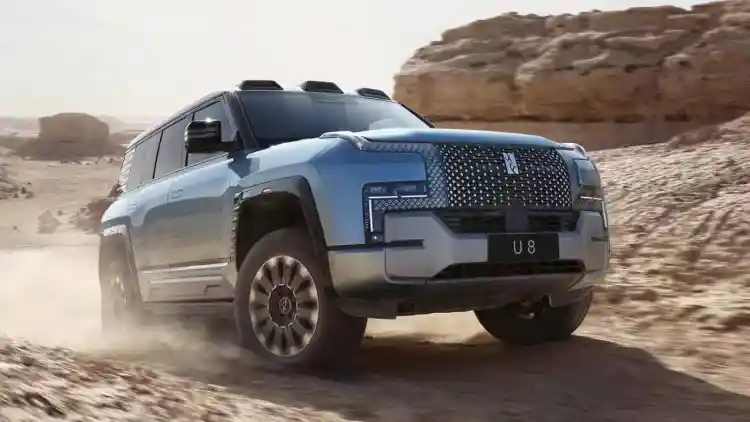
Durability and Climate Adaptation: Nations with hot or arid climates prefer EVs tailored for extreme weather. Chinese EVs are engineered for robustness and reliability in such conditions.
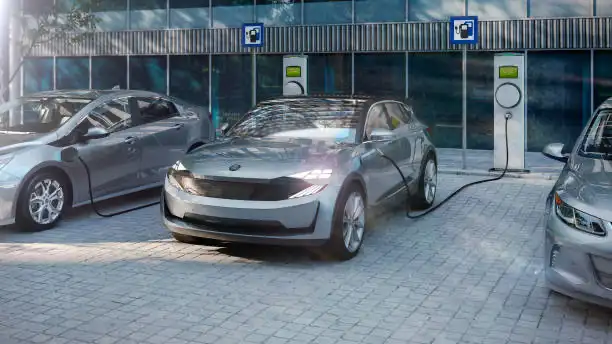
Charging Infrastructure Growth: These manufacturers often supply solutions for charging station expansion, enabling governments and companies to roll out EVs quicker across urban landscapes and beyond.

Environmental Concerns and EV Adoption
Despite their history as fossil fuel giants, oil-rich nations are aware of the necessity of addressing climate change and environmental sustainability. This realization drives their shift toward cleaner energy sources like EVs.
Benefits Chinese EVs Bring to the Environment:
Gradual reduction in urban air pollution, improving overall public health.
Helping these countries meet international agreements designed to combat climate change.
Reducing their own internal dependency on oil, creating a more balanced energy mix.
Further, these efforts have the potential to inspire other countries, fostering global cooperation in reducing carbon emissions.

Comparison With Western Electric Vehicles
While global leaders like TeslaUAE TeslaBahrain TeslaEgypt TeslaKSA TeslaKuwait TeslaOman TeslaQatar Tesla tend to be perceived as high-tech innovators, Chinese EVs offer distinct advantages in terms of cost, versatility, and availability. This makes them the logical choice for many nations exploring EV adoption. Key differentiators include:
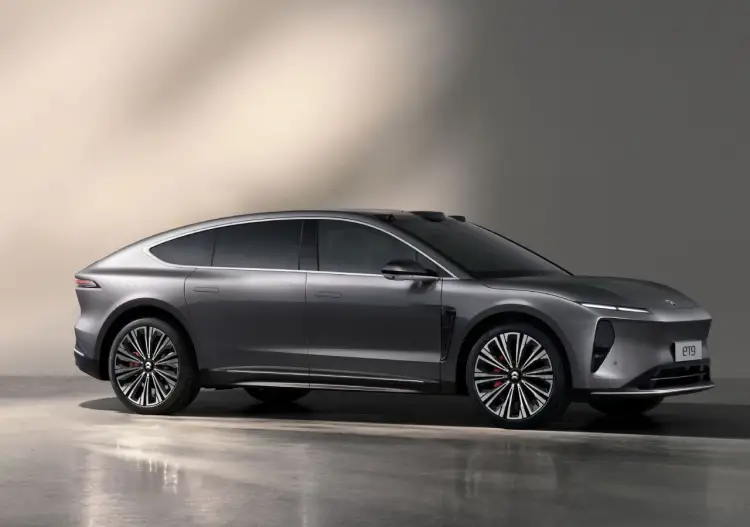
Wide Range of Models: Chinese automakers cater to diverse markets and budgets, offering everything from affordable compact vehicles to luxury options.
Tailored Features: Their focus on customizing EVs for temperature extremes and heavy use underscores why oil-rich nations prefer them.
Efficient Delivery Times: Their manufacturing hubs’ proximity to the Middle East ensures quicker supply and better support compared to Western counterparts.
Challenges in the EV Expansion Journey
Although Chinese EV adoption is rising in oil-rich countries, several obstacles still need addressing to ensure a smooth transition.
Charging Network Limitations: Establishing and maintaining charging stations especially in scattered areas remains one of the biggest hurdles.
Lack of Consumer Awareness: Educating the public on EV benefits through campaigns is essential to boost acceptance.
Maintenance and After-Sales Support: Strengthening localized repair facilities with trained professionals is key to guaranteeing smooth operations.
Influence on the Global Automotive Market
The surging demand for Chinese EVs is reshaping the global automotive landscape. As these manufacturers continue expanding their footprint, they compel Western brands to not only innovate but also rethink pricing and accessibility strategies. Ultimately, this shift benefits consumers and accelerates the path toward widespread EV adoption worldwide.
Frequently Asked Questions
Why are oil-producing countries keen on EVs now?
Although they dominate fossil fuel production, these nations are diversifying for economic security and environmental goals, making adopting EVs a logical step.
What gives Chinese electric cars an edge?
From affordability to versatility in extreme climates, Chinese models adapt well to specific regional requirements while maintaining technological sophistication.
Can these EVs handle intense heat?
Many Chinese automakers prioritize designing vehicles with enhanced durability for hot and humid environments.
What is required to scale EV numbers in oil-rich nations?
Building efficient charging facilities, improving consumer awareness, and establishing reliable servicing networks are crucial for large-scale adoption.
How could this trend shape the automotive industry?
Increased demand for Chinese EVs will drive global competition, encouraging every automaker to adapt, innovate, and lower costs for their products.
Read More:
Everything You Need to Know About Iveco Van
Hyundai Santa Fe 2020: A Comprehensive Guide to This Midsize SUV
Toyota Echo 2005: A Reliable and Affordable Compact Car
2 / 12