
- 1. Brakes (discs and brake pads)
- Why you shouldn’t cheap out
- What to look for
- 2. Tires
- One of the most dangerous places to save wrongly
- Tips for choosing
- 3. Engine oil and oil filter
- Saving here can mean “sending your engine to an early grave”
- What actually matters
- 4. Brake fluid and brake lines
- It’s not just pads and discs that keep you safe
- What to do
- 5. Suspension and steering components (struts, control arms, tie rods)
- Cheap parts here = an unstable car
- Choose wisely
- 6. Battery and main electrical cables
- Cutting corners on the battery can leave you stranded
- What to watch for
- 7. Spark plugs and ignition components
- Small parts with a big impact
- What to fit
- 8. Fuel pump and fuel filter
- Saving here can bring your car to a stop
- Practical advice
- 9. Cooling system (water pump, radiator, hoses)
- Excess heat equals a soon-to-fail engine
- How to protect your engine
- 10. Airbags and safety sensors (ABS, ESP, etc.)
- No room for “unknown” substitutes here
- A golden rule
- Where to save and where not to
In the automotive world, saving money is not a mistake in itself – the real issue is where you choose to save. Some parts can be replaced with budget alternatives without major impact, while other components are areas where choosing the cheapest option is a direct risk to your safety, your passengers, and your car’s lifespan.
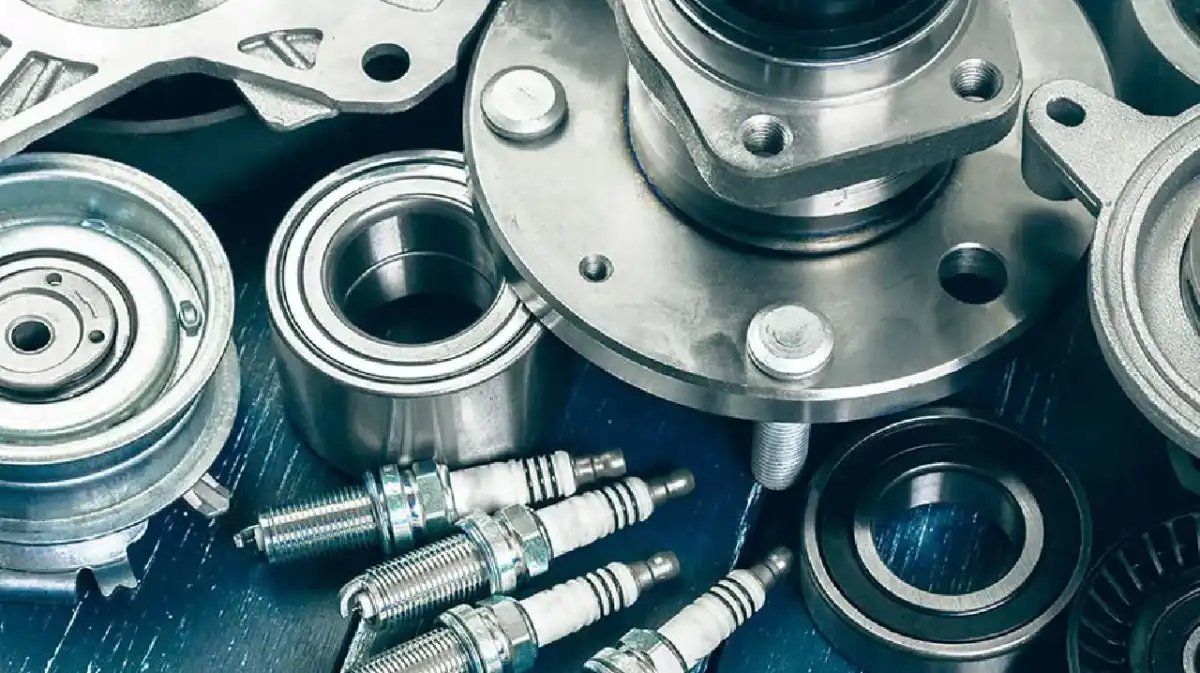
This article focuses on 10 critical parts of your car you should never compromise on or buy from questionable sources, with a simple explanation of why they matter and how something that looks like a “great bargain” at first can quickly turn into a huge repair bill or an accident that could have been avoided.
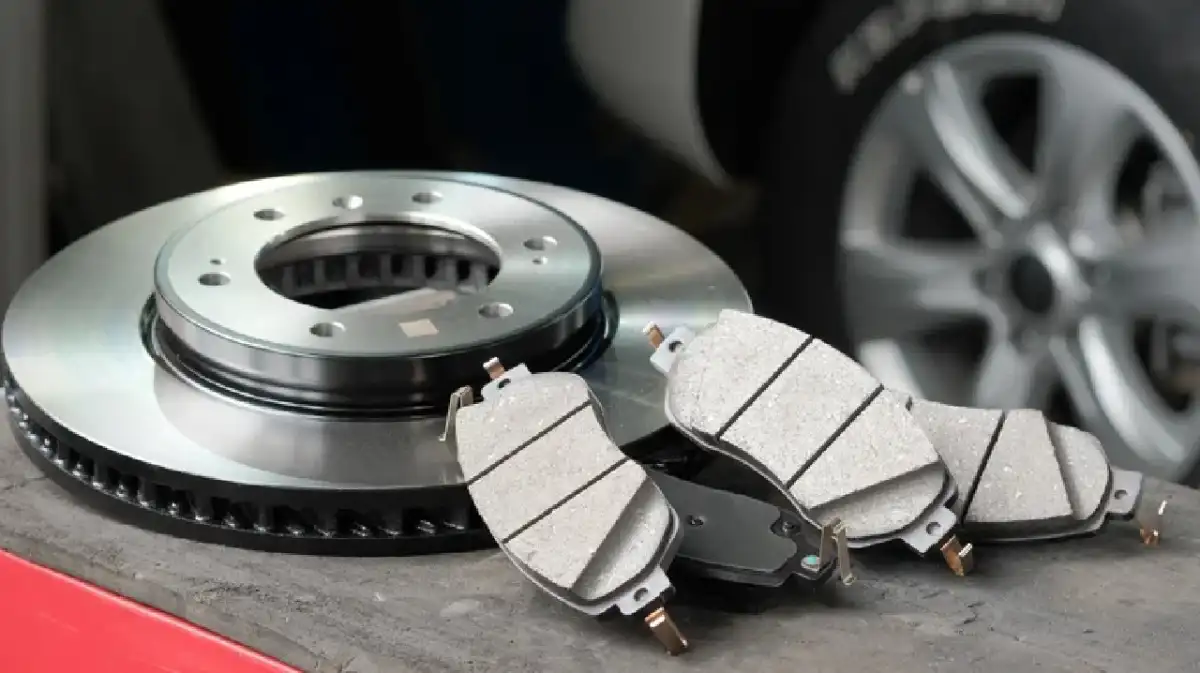
1. Brakes (discs and brake pads)
Why you shouldn’t cheap out
Brakes are your first line of defense on the road. Choosing cheap pads or low-quality discs means:
Longer stopping distances in emergencies.
Faster wear, annoying noises, and vibrations.
Risk of losing braking performance when the system overheats on mountain roads or during spirited driving.
What to look for
Use brake pads from reputable brands or from the same supplier that makes the OEM parts.
Make sure the discs can handle high temperatures and are not made from cheap material that warps easily.
Watch for warning signs: the car pulling to one side, loud squealing, or a spongy pedal.
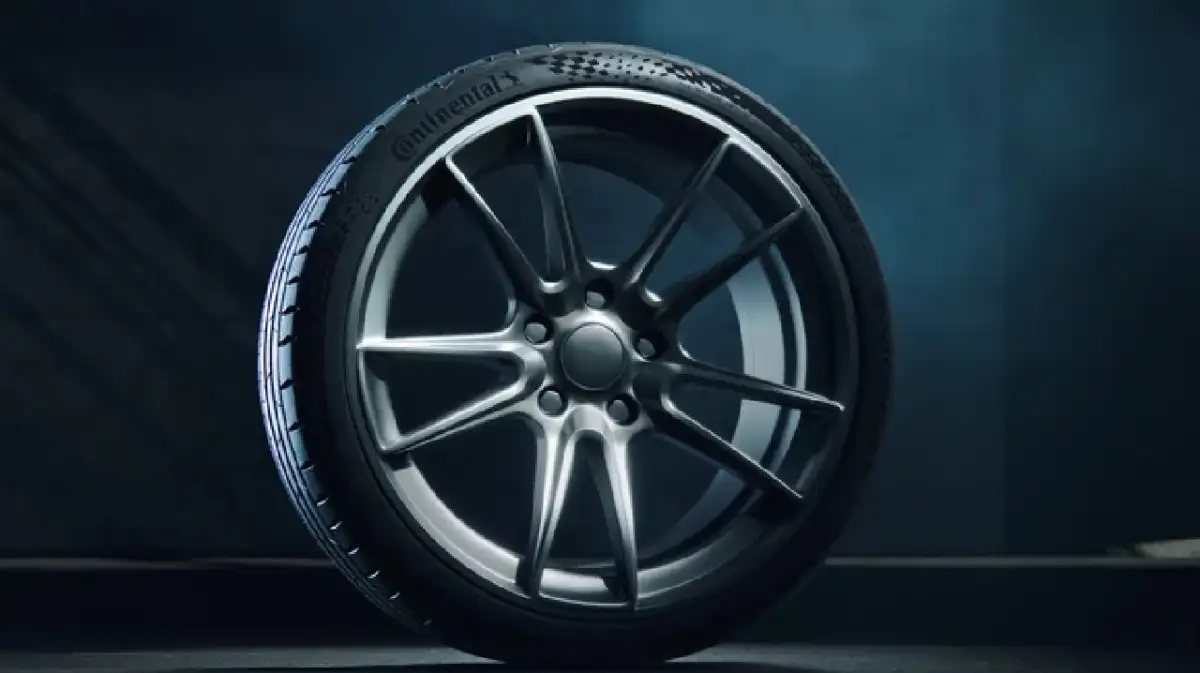
2. Tires
One of the most dangerous places to save wrongly
Your tires are the only contact point between the car and the road. Cheap tires can mean:
Poor grip in the wet or under hard braking.
Uneven wear and a higher risk of blowouts at high speeds or in high temperatures.
More noise and worse fuel economy due to poor rolling resistance.
Tips for choosing
Check the manufacturing date, and avoid old stock that has been sitting for years even if it’s “new, never fitted”.
Choose the size, load index, and speed rating recommended by the manufacturer.
If you must save, reduce performance level (touring instead of ultra-high performance), but stay with a trusted brand.
3. Engine oil and oil filter
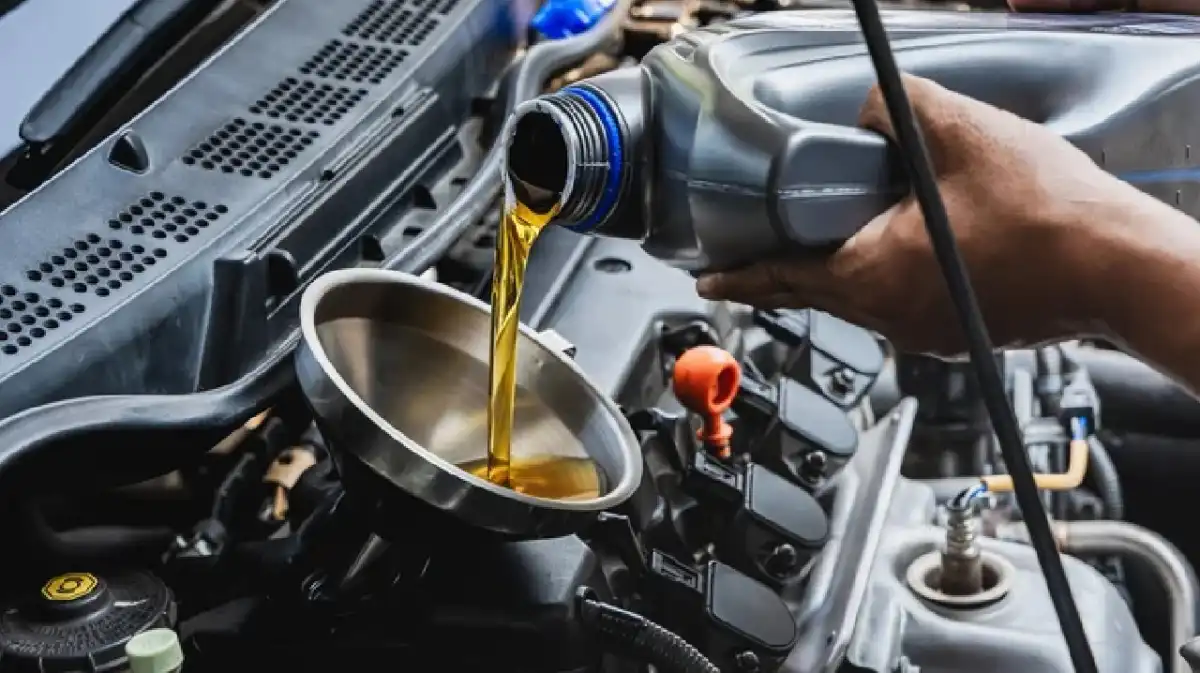
Saving here can mean “sending your engine to an early grave”
Fake or low-quality engine oil does not protect internal components from friction and heat as it should, leading to:
Premature wear of internal engine parts.
Overheating, loss of power, and higher fuel consumption.
In severe neglect, complete engine failure.
What actually matters
Follow the viscosity and specification listed in the car’s manual (for example 5W-30 plus a specific standard).
Buy oil from a trusted source (dealer, reputable station, certified parts store).
Use a good oil filter, as a cheap one can clog early or let contaminants pass into the engine.
4. Brake fluid and brake lines
It’s not just pads and discs that keep you safe
Many drivers change pads and discs but ignore the brake fluid or replace it with an unsuitable type. Poor brake fluid:
Absorbs moisture quickly, lowering its boiling point.
Causes brake fade and loss of effectiveness under heavy braking.
Accelerates corrosion of lines and internal components.
What to do
Replace brake fluid according to schedule (often every two years).
Use a DOT rating suitable for your car and use case.
Inspect rubber brake hoses and avoid cheap, unbranded replacement lines.
5. Suspension and steering components (struts, control arms, tie rods)
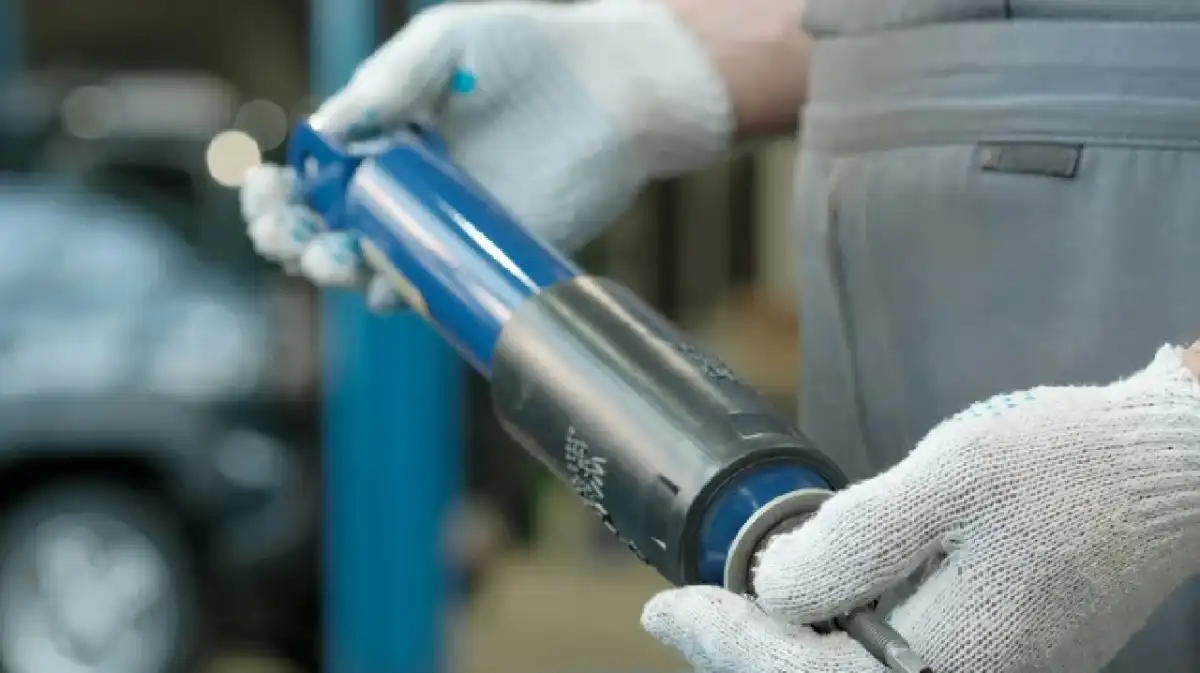
Cheap parts here = an unstable car
Low-quality suspension and steering components lead to:
Vibrations, uneven tire wear, and unpredictable behavior in corners.
Longer stopping distances due to loss of contact with the road.
Clunks and squeaks that point to play or wear in key parts.
Choose wisely
Use parts from reputable manufacturers or components that meet OEM specifications.
Avoid the very cheapest options just because of price; bushing material and metal quality make a big difference in durability and safety.
Have the undercarriage inspected after driving on rough roads or hitting large potholes.
6. Battery and main electrical cables
Cutting corners on the battery can leave you stranded
A low-grade or counterfeit battery can cause:
Hard starting in the morning or in cold weather.
Strange electronic glitches due to unstable voltage.
Acid leaks or swelling that can damage control units and nearby wiring.
What to watch for
Choose a battery with the correct Ah capacity and CCA rating for your car.
Pay attention to the main battery cables; cheap cables or improvised connectors increase the risk of faults and fires.
Buy batteries from reliable sellers and insist on a clear warranty.
7. Spark plugs and ignition components
Small parts with a big impact
Cheap or incorrect spark plugs cause:
Incomplete combustion and higher fuel consumption.
Engine misfires, rough idle, and weak acceleration.
Potential damage to ignition coils over time.
What to fit
Stick to the plug type (copper, iridium, platinum) specified by the manufacturer.
Don’t mix different heat ranges just to save a bit of money.
If your car uses separate ignition leads, choose high-quality cables with proper insulation and spec’d resistance.
8. Fuel pump and fuel filter
Saving here can bring your car to a stop
A cheap fuel pump or poor-quality fuel filter can:
Starve the engine of fuel under load, especially during overtaking.
Cause a loud whining noise from the pump and shorten its lifespan.
Allow debris into injectors, resulting in hesitation and rough running.
Practical advice
Do not replace the fuel pump with an unknown-brand part; use components from trusted sources or OEM-equivalent.
Replace the fuel filter on time to reduce the load on the pump and extend its life.
Avoid constantly driving with the tank almost empty; the pump is cooled and lubricated by the fuel.
9. Cooling system (water pump, radiator, hoses)
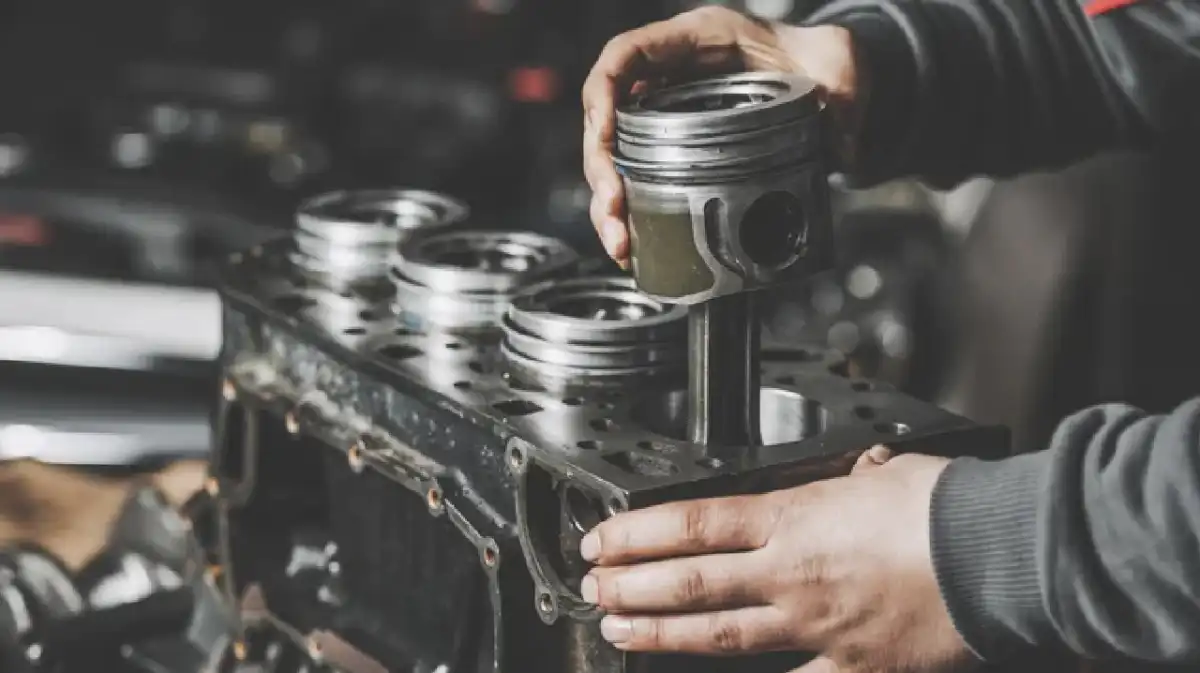
Excess heat equals a soon-to-fail engine
A cheap water pump or low-grade radiator means:
Engine overheating in hot weather or heavy traffic.
Sudden coolant loss, leading to head gasket failure or a warped cylinder head.
A water pump that fails prematurely, forcing you to pay high labor costs for repeat teardown.
How to protect your engine
Use proper coolant, not just tap water, and follow mix and change intervals.
Choose a water pump from a reputable brand and avoid the rock-bottom price unless it’s from a known manufacturer.
Monitor hose condition and radiator cap health; weak, cheap parts here become critical failure points.
10. Airbags and safety sensors (ABS, ESP, etc.)
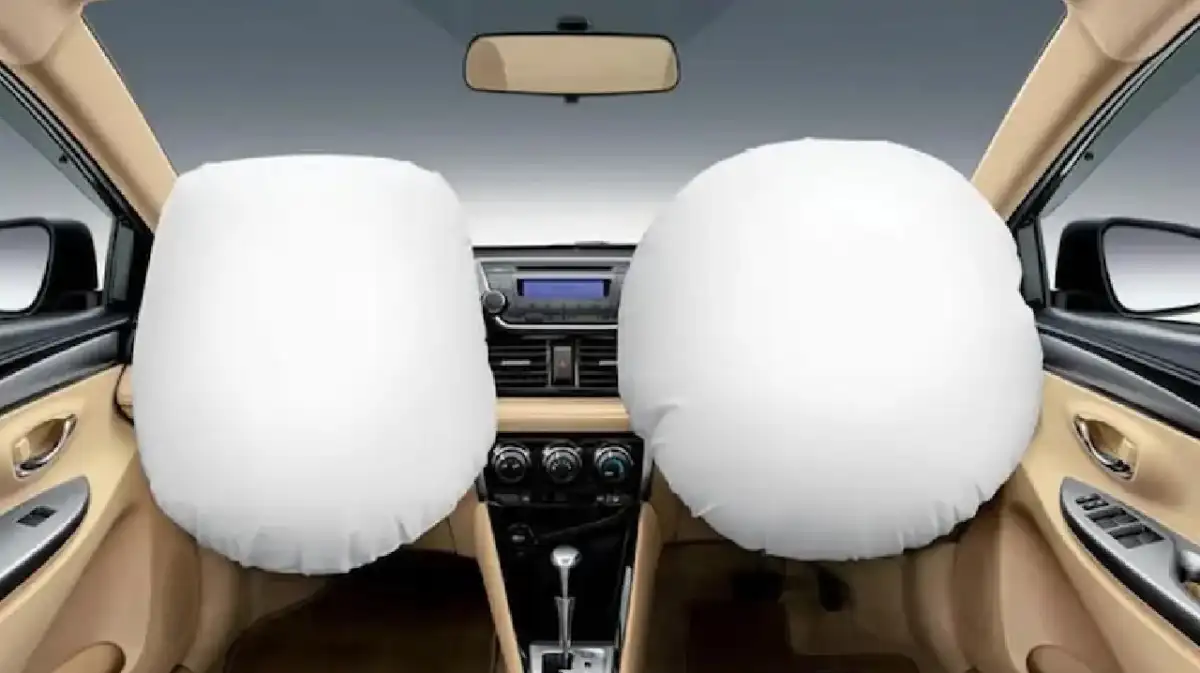
No room for “unknown” substitutes here
In some markets, fake airbags or used safety sensors (ABS/ESP) from unknown cars are unfortunately common. These practices can result in:
Airbags failing to deploy when needed, or deploying at the wrong time.
Loss of ABS or stability control in a critical moment.
Persistent warning lights that some try to “hide” instead of fixing.
A golden rule
Passive and active safety systems should only be serviced with original or certified equivalent parts, installed by qualified technicians.
Never accept “bypass tricks” like adding resistors to hide an airbag warning light; that is not savings, it is a direct safety risk.
Where to save and where not to
Real savings in car ownership come from:
Sticking to regular maintenance.
Choosing reasonably priced but trusted-quality parts.
Refusing to go cheap on brakes, tires, oils, cooling, and safety systems.
You can cut costs on accessories like floor mats, cosmetic trim, or non-structural body parts, but critical safety and powertrain components are not the place to gamble.
Put simply: spending a little extra today on genuine or high-quality parts may save you thousands – and potentially your life – tomorrow.