
- How does your car behave when charge is low?
- Immediate steps when the battery is close to empty
- When the car stops completely: what should you do?
- Emergency charging options on the road
- How to avoid reaching the “empty battery” stage
- Simple table: what to do in each case
- Is running out of charge a real disaster?
With the rapid spread of electric cars in our markets, the key question is no longer just about battery range and consumption figures, but about the worst‑case scenario: what if the charge runs out while you are on the road? Many drivers fear this situation, even though modern systems in electric cars make it less likely than many people think, and give the driver graduated warnings and many chances to act before the car comes to a complete stop.
This article is a practical guide that explains what actually happens when the battery is close to running out, the steps you should take at each stage, and tips for smart trip planning so you do not find yourself stopped in an unsuitable place or far from the nearest charging station.
How does your car behave when charge is low?
Unlike a petrol car that may suddenly stop as soon as it runs out of fuel, an electric car deals with low charge in a gradual, controlled way. When the battery percentage drops to a certain level, the vehicle systems begin to warn you clearly via the instrument cluster, the central screen, and sometimes audible alerts.
Usually, the first “low battery” message appears at an approximate percentage that may be around 20% state of charge, with a clear display of the remaining range in kilometres. After that, if you continue driving without charging, the warnings are repeated at lower levels, such as 10%, and some systems begin to reduce energy consumption automatically.
In the final stages, some cars enter what is known as “turtle mode” or “limited driving mode”, where the power available to the motor is reduced to cut energy use and stretch what is left of the range, giving you an extra chance to reach a safe place or a nearby charging station. When the gauge reaches 0% as shown on the screen, this does not usually mean the battery is completely empty; the battery management system keeps an invisible safety buffer to protect the cells from damage, but the car will still gradually lose the ability to move until it comes to a complete halt.
Immediate steps when the battery is close to empty
When you notice that the state of charge is dropping to worrying levels, do not wait until the last minute. There is a set of simple but effective steps that can make a clear difference to the remaining range and reduce the likelihood of stopping in an unsafe or inconvenient location.
Gradually reduce your speed and stick to calm, steady driving, because high speeds and hard acceleration consume battery energy significantly, while moderate speeds give you a longer range.
Choose a steady route and avoid stop‑and‑go driving as much as possible, because intermittent driving increases consumption compared to smooth, continuous motion.
Turn off non‑essential secondary systems, such as setting the air conditioner to moderate levels, reducing heating, and switching off some energy‑hungry features like heated seats or extra ventilation where possible.
Rely on the Eco driving mode if available, because it adjusts the throttle response and limits system power to improve energy‑use efficiency.
At the same time, you should immediately start using the car’s navigation system or smartphone apps specialised in EV charging stations to locate the nearest charger within your remaining battery range. Many modern cars automatically display nearby chargers and suggest an adjusted route that helps you arrive before the energy is completely depleted.
When the car stops completely: what should you do?
If the driver ignores the warnings or cannot find a nearby charging station and keeps driving, the electric car may eventually stop, but this happens gradually rather than suddenly. When you notice a clear loss of power and the car entering a limited‑performance mode, your first priority becomes reaching a safe location.
If you are on a highway, try to exit at the next off‑ramp or move to the hard shoulder or an emergency stopping area, making sure you avoid stopping in a live traffic lane as much as possible.
Activate the hazard warning lights immediately to alert other drivers, especially if you have to stop on the roadside in an area with heavy traffic.
After stopping, it is best to leave the car from the side away from traffic if it is safe to do so, and stand behind the barrier or in a place that offers protection for you and your passengers.
Once the location is secured, it is time to contact the right services. Many roadside‑assistance companies now offer specialised services for electric vehicles, including mobile charging units that give your car enough energy to reach the nearest station, or dedicated flatbed trucks to transport electric cars to a charging point.
It is important to note that some types of electric cars can be damaged if they are towed with only two wheels lifted, so it is always preferable to use a full flatbed or follow the manufacturer’s instructions regarding permitted towing methods, as explained in the owner’s manual.
Emergency charging options on the road
As electric cars become more common, practical solutions have emerged to cover the scenario of running out of charge on the road. Drivers can benefit from more than one option depending on the country and the available infrastructure.
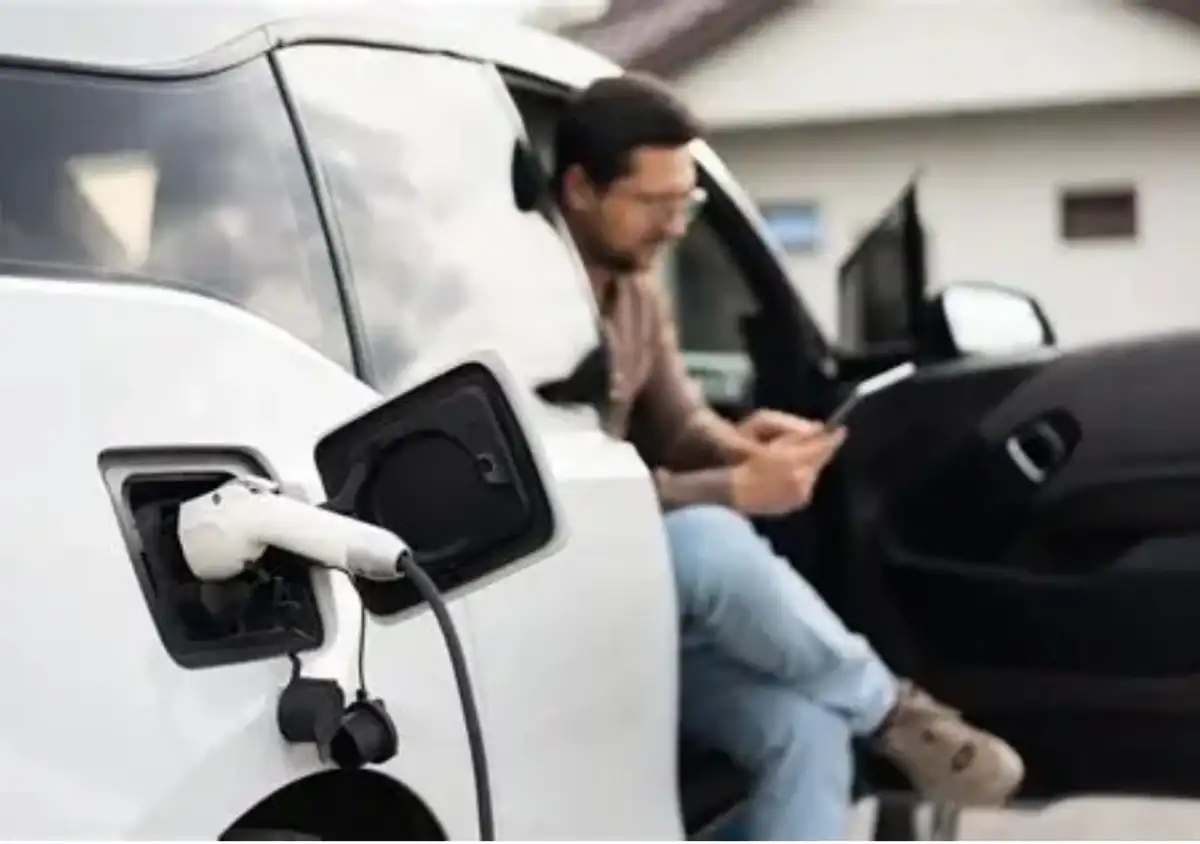
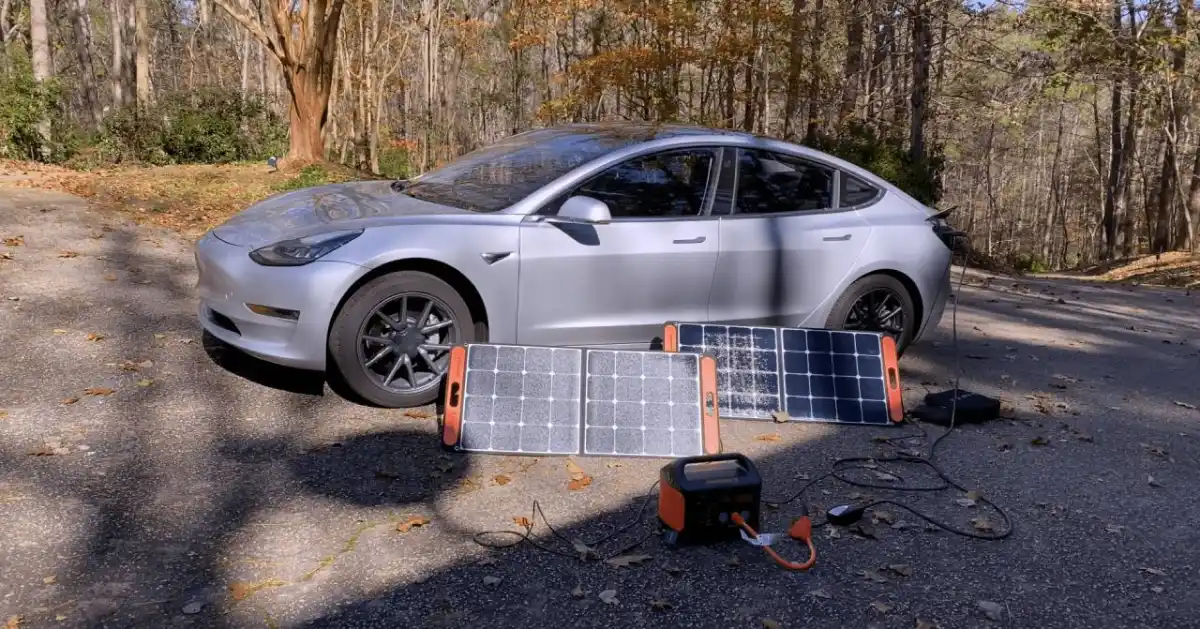
Mobile charging units: some roadside‑assistance providers or energy companies operate service vehicles equipped with fast or medium‑speed chargers that can supply your car with enough energy to drive a reasonable distance to the nearest fixed charging station.
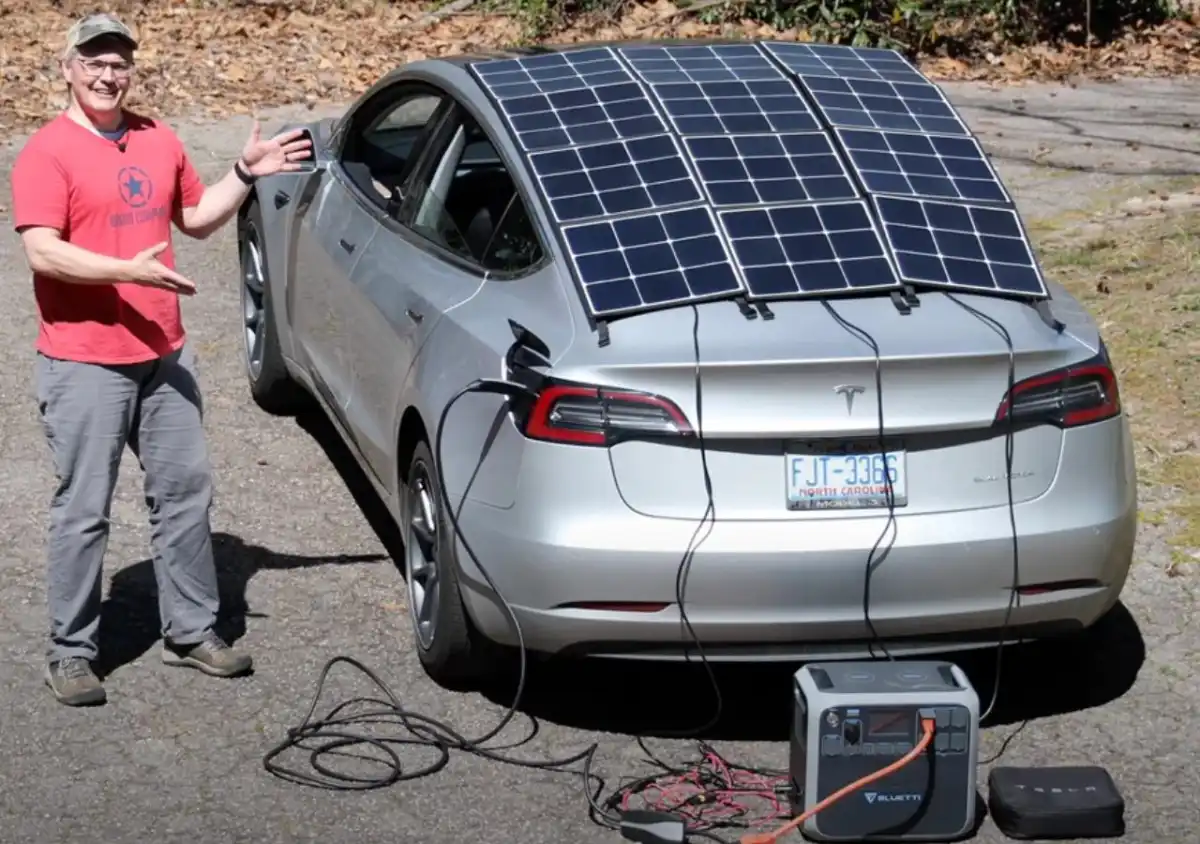
Portable chargers: some owners buy portable chargers that can be plugged into a regular or industrial power outlet at a home or nearby facility, providing relatively slow charging but still enough to move the car a short distance.
Charging‑point sharing networks: in some markets, platforms have appeared that allow homeowners or businesses to list their home or private chargers for a small fee, and drivers can search for the nearest available point and head there when needed.
Although these solutions may not be available in every region, they reflect the global trend toward supporting the spread of electric cars and making them easier to use in daily life, even in emergency situations.
How to avoid reaching the “empty battery” stage
The smartest way to deal with the problem of running out of charge is simply not to let yourself reach that stage as much as possible. Good planning and proper driving habits can turn electric‑car ownership into an experience that is almost free of “range anxiety”.
Adopt a fixed routine for daily or near‑daily charging, such as plugging the car into the home charger at night and starting each morning with a comfortable state of charge that covers your usual trips.
Avoid letting the battery repeatedly drop to very low levels, and most recommendations aim to keep daily usage within an approximate range of 20% to 80% state of charge, balancing range needs with long‑term battery health.
Before long journeys, it is best to plan your route with charging stations marked along the way, and to add one or two backup stops as alternatives in case a charger is out of service or busy.
Take weather effects into account; low temperatures reduce the battery’s usable range, which means you may need to stop and charge a little more frequently in winter or when driving in mountainous areas.
Take care of your electric car’s maintenance and keep tyre pressures at the recommended levels, because under‑inflated tyres increase rolling resistance and indirectly raise energy consumption.
By following these steps, living with an electric car becomes a natural routine similar to what we are used to with smartphones: you charge at the right times, monitor the percentage as a habit, and plan long trips in advance.
Simple table: what to do in each case
The following table helps summarise the basic actions in two main situations: low charge only, or a complete vehicle stop.
Is running out of charge a real disaster?
In practical terms, running out of charge in an electric car is not an irreversible disaster, but it is an annoying situation that can be avoided in most cases. The dividing line between a smooth experience and a difficult one is how much attention the driver pays to monitoring battery status and planning charging before and during the trip.
Modern systems in electric cars are designed to warn you early that you need to charge and to give you enough time and information to make the right decision, whether by showing the remaining range, suggesting nearby charging locations, or automatically reducing energy consumption. When these systems are combined with smart driving habits and advance trip planning, the chances of finding yourself stranded in the middle of the road because of an empty battery become much lower than many people who have never driven an electric car might imagine.