

- First: Brake pedal problem in Dodge Hornet and Alfa Romeo Tonale
- Nature of the defect
- Number of affected vehicles and build window
- Incidents reported so far
- Second: What Stellantis is asking drivers to do for now
- Using the electronic parking brake as an emergency backup
- Role of the Automatic Emergency Braking system
- Third: How dealers are instructed to repair the defect
- Timing of owner notifications
- Fourth: Alfa Romeo Giulia Quadrifoglio recall for headlight issues
- Description of the fault
- What dealers will do
- current Stellantis recalls
- What this means for owners and the wider market
Automotive group Stellantis is once again under scrutiny in the United States with a fresh batch of recalls, this time centered on plug‑in hybrid SUVs from Dodge and Alfa Romeo, along with the high‑performance Alfa Romeo Giulia Quadrifoglio. The most alarming issue is the risk that the brake pedal assembly could collapse in certain Alfa Romeo Tonale PHEV and Dodge Hornet PHEV models, a defect that could be catastrophic if it occurs during an emergency braking situation.
The campaign is not limited to braking systems, however; it also covers a headlamp wiring routing fault in the 2024 Giulia Quadrifoglio that may cause headlight malfunction over time.

First: Brake pedal problem in Dodge Hornet and Alfa Romeo Tonale
Nature of the defect
Stellantis explains that the defect is linked to the brake pedal assembly itself on Tonale and Hornet plug‑in hybrids, where there is a possibility that the pedal could collapse while being pressed. The company has not provided full technical detail on exactly how the failure occurs, but confirms that the affected component is an in‑house part, not sourced from an external supplier.
The issue first surfaced back in October 2023, prompting an initial recall of more than 21,000 vehicles. The latest campaign is effectively an expansion of that action, after it became clear that the population of potentially affected vehicles is broader than originally identified.
Number of affected vehicles and build window
The new recall covers 5,974 vehicles in the U.S., broken down approximately as follows:
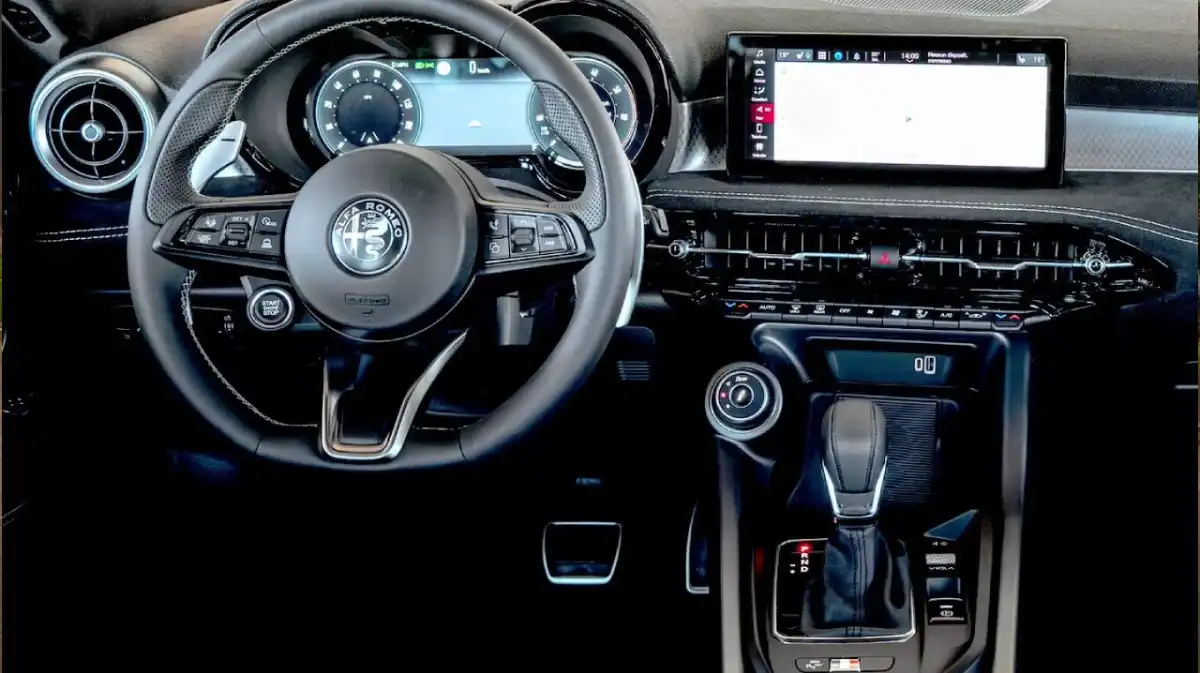
Around 2,688 Alfa Romeo Tonale PHEV units built between February 23, 2023 and February 14, 2024.
Around 3,286 Dodge Hornet PHEV units assembled between February 10, 2023 and December 21, 2023.
Stellantis notes that these figures apply to the U.S. market; similar or different actions could apply in other regions depending on local regulations.
Incidents reported so far
Up to the time of the latest recall notice, one accident has been officially linked to this brake pedal defect, though no injuries were reported. Even so, the mere possibility that the primary braking control could mechanically fail underfoot is serious enough to demand prompt action by the company and regulators.
Second: What Stellantis is asking drivers to do for now
Using the electronic parking brake as an emergency backup
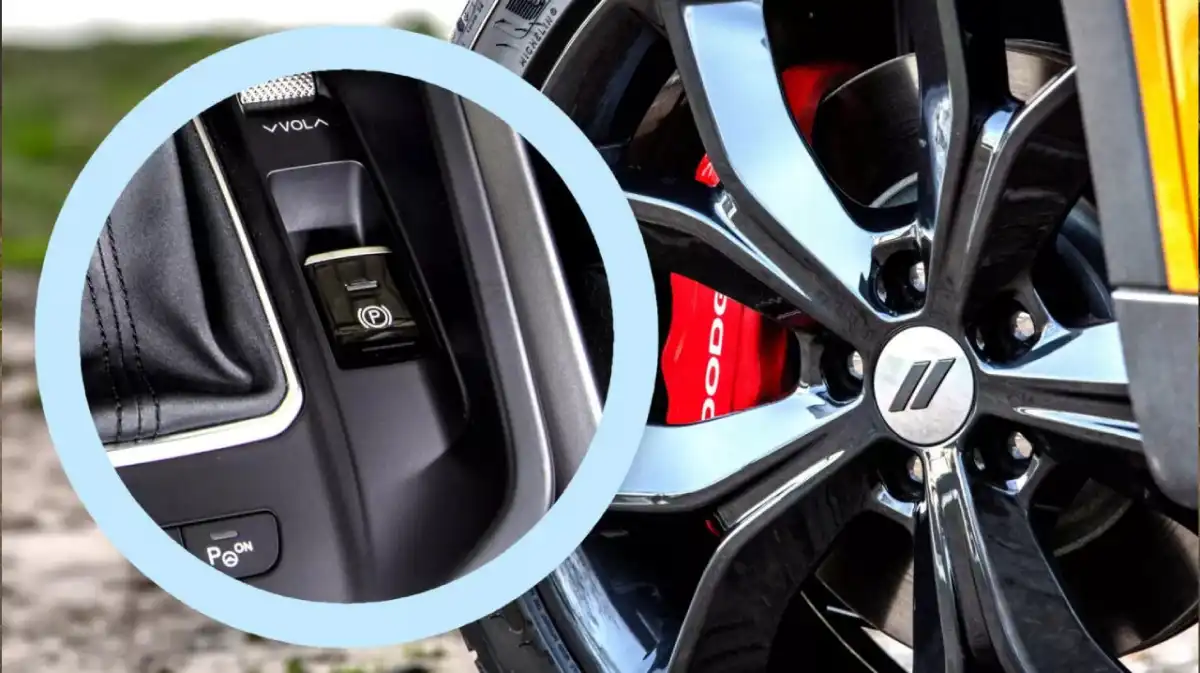
In its recall communications, Stellantis stresses that if the conventional brake pedal collapses while driving, drivers can fall back on the Electronic Park Brake (EPB) as an emergency measure.
The EPB switch is typically located on the lower center console, and can be used as follows:
Pull and hold the EPB switch while driving, and the system will slow the vehicle down gradually to a controlled stop.
This is not a substitute for repair, but a temporary safety procedure designed to reduce risk if a pedal failure occurs on the road.
Role of the Automatic Emergency Braking system
Stellantis also notes that the vehicle’s Automatic Emergency Braking (AEB) system should still be able to intervene on its own when it detects a likely collision, even if the mechanical pedal assembly collapses, adding another potential layer of protection in some scenarios.
Third: How dealers are instructed to repair the defect
The technical remedy outlined by Stellantis for dealers is relatively straightforward on paper, but critical in practice. Service centers are instructed to:
Reinforce the brake pedal arm by installing a bolt‑and‑nut assembly at the vulnerable point, strengthening the structure and preventing collapse under heavy pedal pressure.
While simple in concept, this reinforcement is crucial because it aims to eliminate the risk of mechanical failure of the pedal during hard braking events.
Timing of owner notifications
Stellantis plans to begin mailing notification letters to affected owners on January 13, 2026, providing instructions on how to schedule a free repair at authorized dealerships.
Fourth: Alfa Romeo Giulia Quadrifoglio recall for headlight issues
The second recall in this campaign targets an iconic performance sedan: the 2024 Alfa Romeo Giulia Quadrifoglio. Here, the problem is not braking or powertrain related, but involves the front headlamps.
Description of the fault
The company has found that certain Giulia Quadrifoglio models built between February 2, 2024 and December 3, 2024 – totaling about 313 vehicles – may experience headlight malfunction over time due to an issue with the routing of the wiring harness inside the wheel arch area or arch liner.
If the harness is routed or protected incorrectly, it may be exposed to:
Chafing, rubbing, or pinching against body or suspension components.
Resulting intermittent flickering or complete failure of one or both headlamps.
This can reduce nighttime visibility and increase risk during night driving or in adverse weather.
What dealers will do
According to the recall instructions, Alfa Romeo dealers must perform the following checks and repairs on affected cars:
Inspect the wheel arch liner and replace it if necessary, particularly if its design or fitment contributes to pressure on the harness.
Inspect the headlamp wiring harness, and re‑route and/or repair it where needed to ensure adequate clearance and protection from abrasion or pinch points.
Owner notification letters for this recall are scheduled to be sent from January 28, 2026, with repairs carried out free of charge under the recall program.
current Stellantis recalls
Required dealer action |
Reinforce brake pedal arm with bolt-and-nut fix |
Same reinforcement of brake pedal arm |
Inspect arch liner, re-route/repair headlamp harness |
What this means for owners and the wider market
These recalls are a fresh reminder that even advanced plug‑in hybrids and high‑performance models are not immune to manufacturing defects. For owners:
It is essential to monitor recall numbers and build dates, and to check VINs via official brand or regulator websites to see whether their vehicles are affected.
Drivers should not ignore warning signs such as abnormal brake pedal feel or headlamp flicker/failure, and should seek service immediately if these symptoms appear.
For the market at large, continued recall activity puts pressure on automakers to tighten quality control, especially around safety‑critical hardware like brakes and lighting. At the same time, it offers some reassurance that serious faults are being identified, disclosed, and addressed, rather than swept under the rug.
In the end, Stellantis’ latest recall campaign underlines a dual message: drivers must remain vigilant, and manufacturers must remain transparent, if safety is to stay at the top of the automotive industry’s priorities.