

- A packed year of “pivot” cars
- Sports cars and supercars – performance first
- The electric wave – from Ferrari to BMW
- Saloons, SUVs and luxury players
A packed year of “pivot” cars
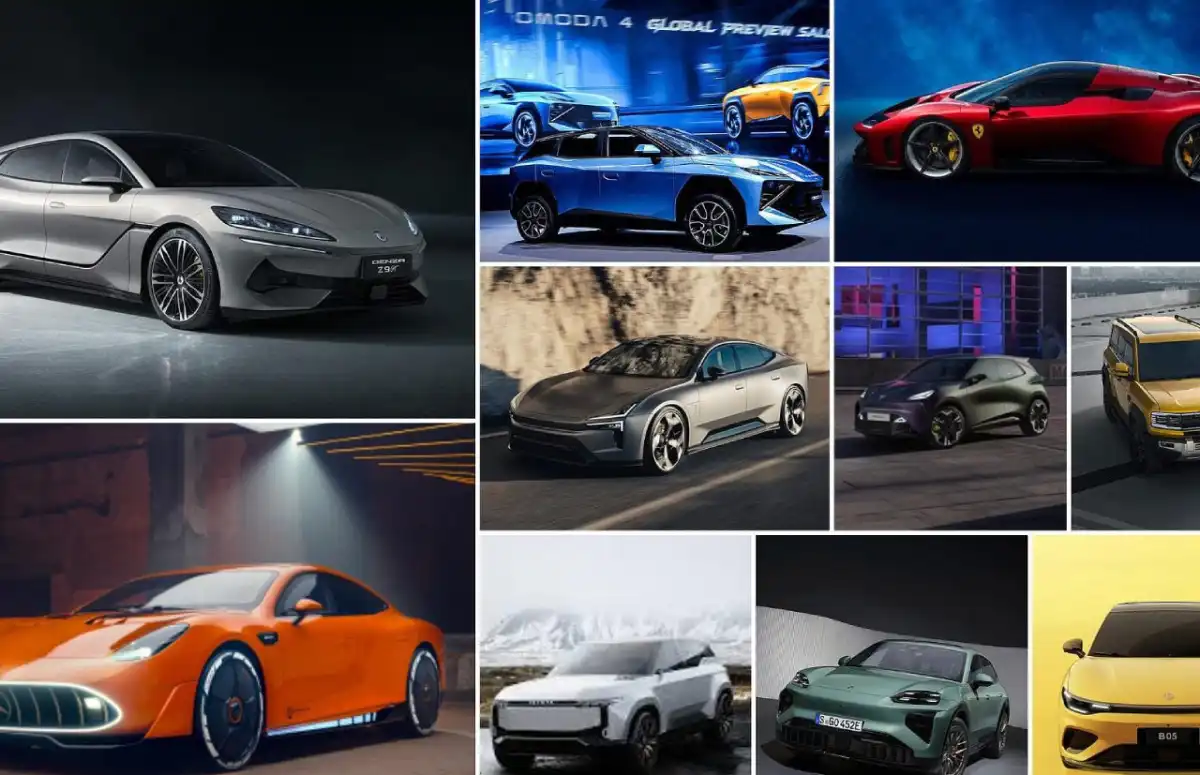
The year 2026 is shaping up to be more than just another page on the calendar; it is a turning point for a wave of cars that will redefine entire segments, from pure performance machines to electric saloons and crossovers.
Manufacturers are navigating a volatile market where customers are torn between nostalgia for combustion engines and curiosity or hesitation toward EVs, creating a crop of models that act both as a last hurrah for petrol and a bold opening chapter for full electrification.
Sports cars and supercars – performance first
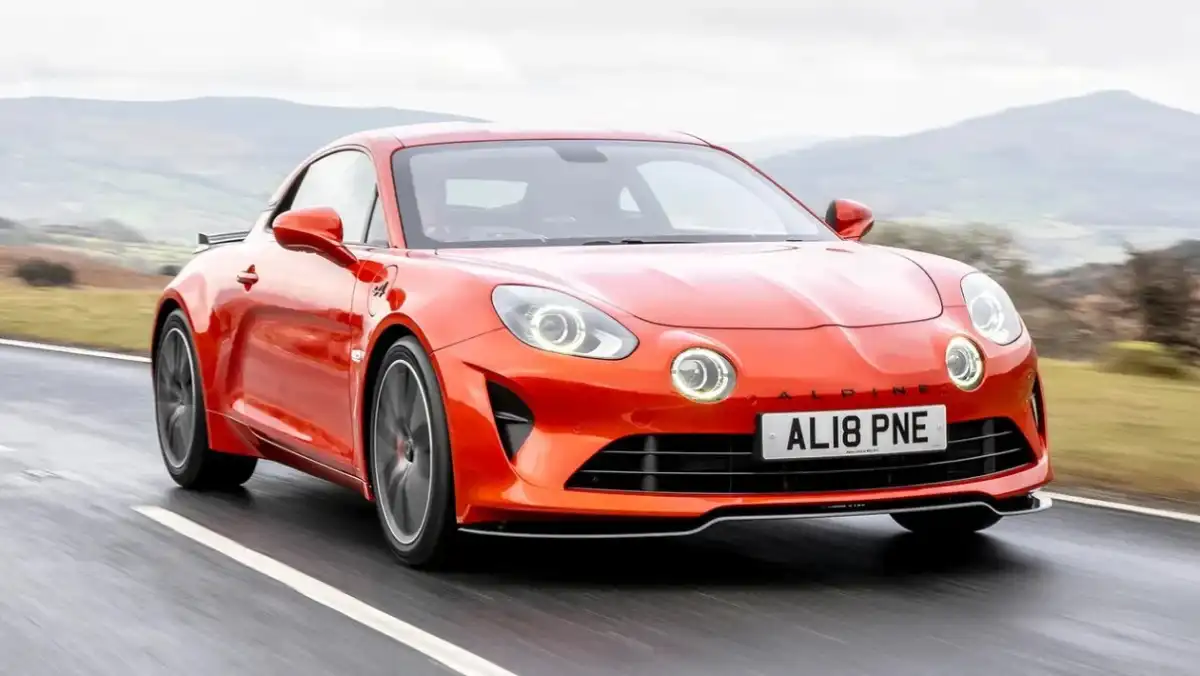
New Alpine A110 – still light, now electric
The successor to today’s A110 grows slightly in size and gains a sharper, more aggressive design to satisfy customers who felt the current car was a bit too “polite”.
Its new platform supports a fully electric twin‑motor setup with around 500bhp, targeting relatively low weight and roughly 300 miles of range so it remains a playful lightweight coupé rather than just another heavy EV.
Aston Martin Valhalla – the more usable child of Valkyrie
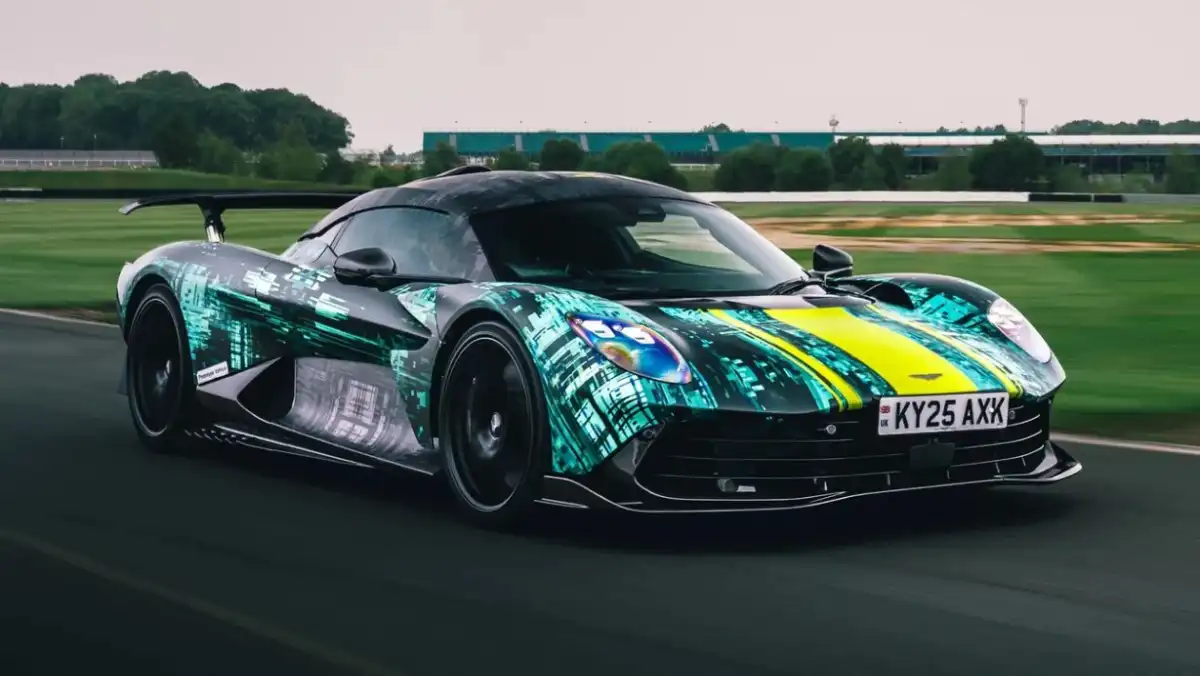
Valhalla is Aston’s attempt at a hypercar you might actually drive, combining a twin‑turbo V8 with multiple e‑motors for a total output north of 1,000bhp.
Despite borrowing F1‑inspired aero, early drives suggest a car that is surprisingly playful and slide‑friendly on track instead of a cold, grip‑only lap time machine.
Ferrari 849 Testarossa – SF90 evolution with retro attitude
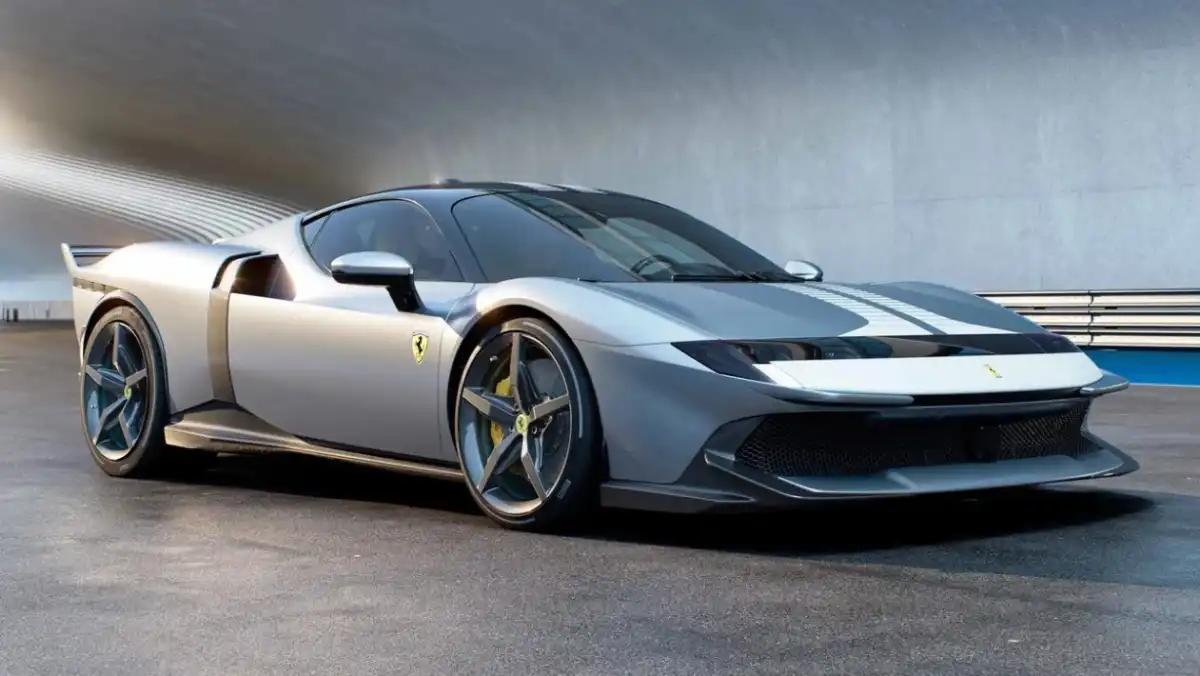
Parallel to its full EV project, Ferrari is launching the 849 Testarossa as a heavily updated SF90 with over 1,000bhp and a controversial retro‑flavoured design and nameplate.
The blend of old‑school visual cues with cutting‑edge hybrid tech makes it one of 2026’s most divisive Ferraris among brand loyalists.
McLaren W1 – another shot at a post‑P1 icon
McLaren’s W1 aims to become the brand’s next halo hypercar after the F1 and P1, pairing a powerful V8 with electric assistance for a combined figure exceeding 1,200bhp sent solely to the rear wheels.
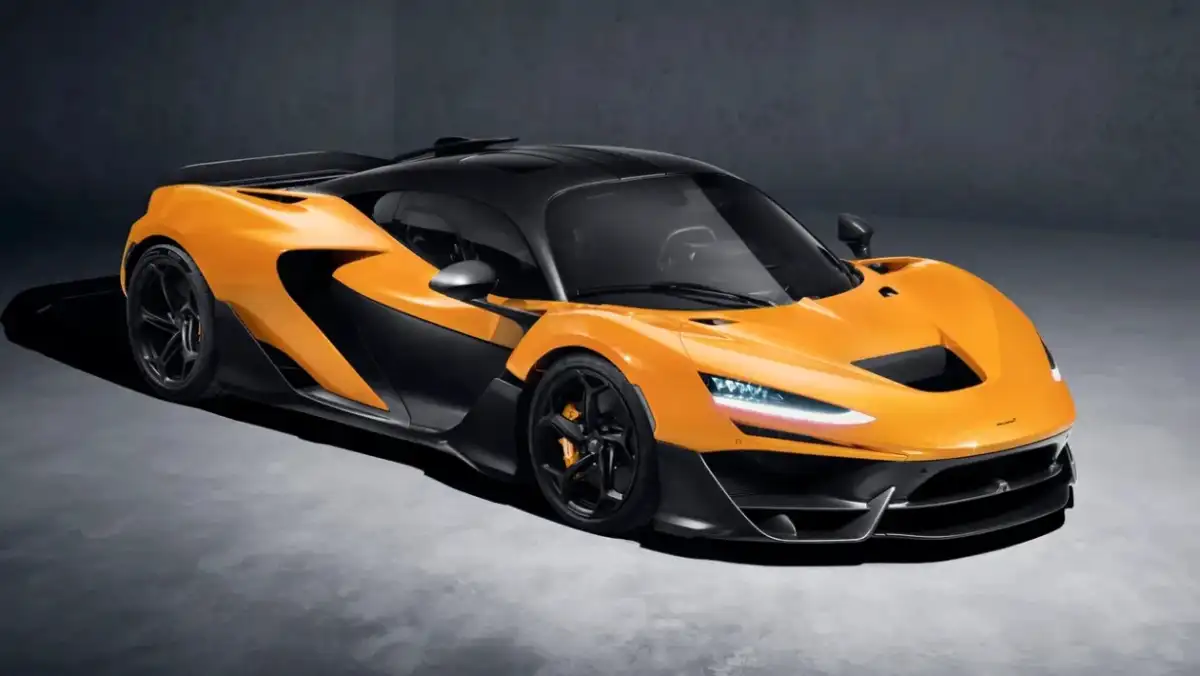
Low mass and up to 1,000kg of downforce at speed put it squarely into battle with the latest from Ferrari and Porsche in the hypercar arena.
GMA T.33 – Gordon Murray’s purist old‑school answer
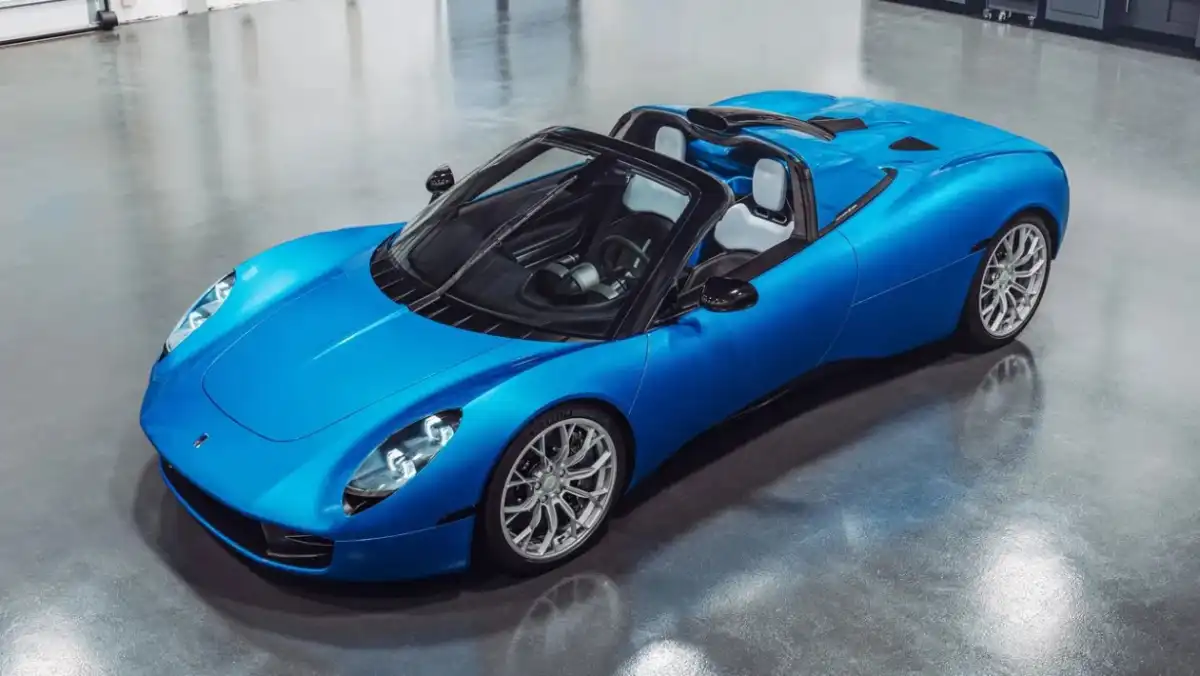
Following the central‑seat T.50, the T.33 arrives as a “simpler” two‑seater focused on feel and a screaming high‑rev engine rather than headline hybrid numbers.
Coupé and Spider versions will be built in strictly limited numbers, with a harder “Speciale” track variant likely, positioning it as one of 2026’s purest driver’s cars.
The electric wave – from Ferrari to BMW
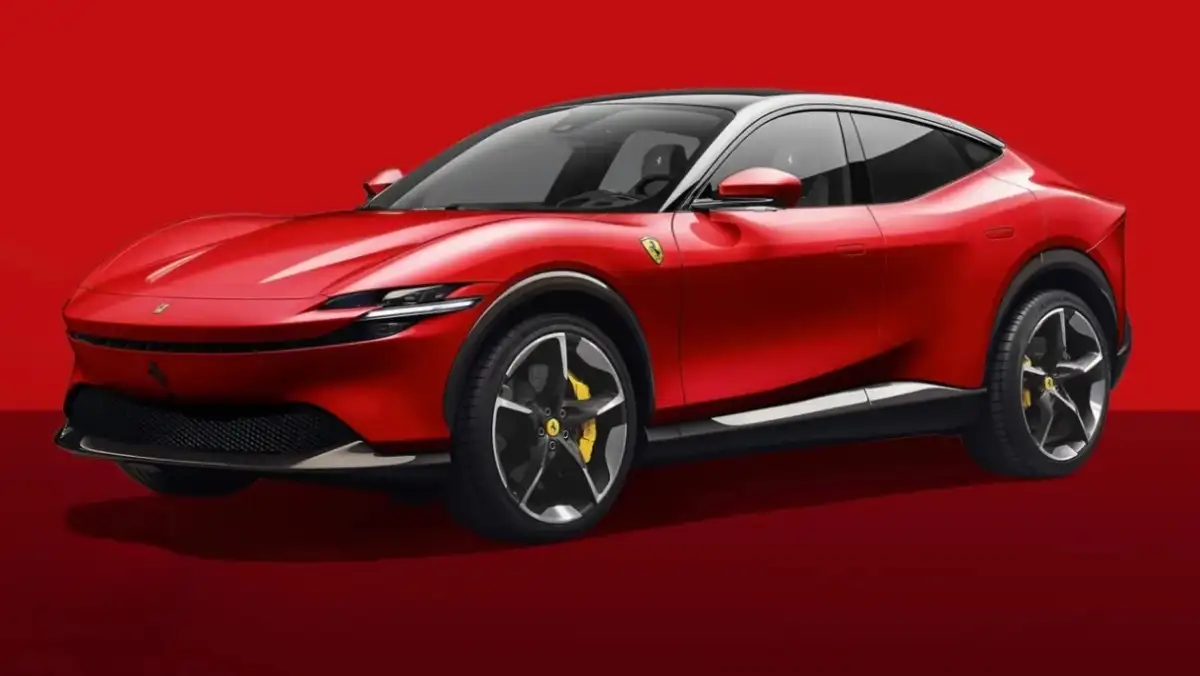
Ferrari Elettrica – Maranello’s boldest move yet
Ferrari’s first fully electric car lands with huge numbers: four motors, a battery pack of around 122kWh and a system output comfortably beyond 1,000bhp with massive torque.
Engineers have worked to mimic the feel of a manual gearbox using artificial power and torque curves and enhanced inverter vibrations, trying to retain some of the drama Ferrari owners expect despite the silent powertrain.
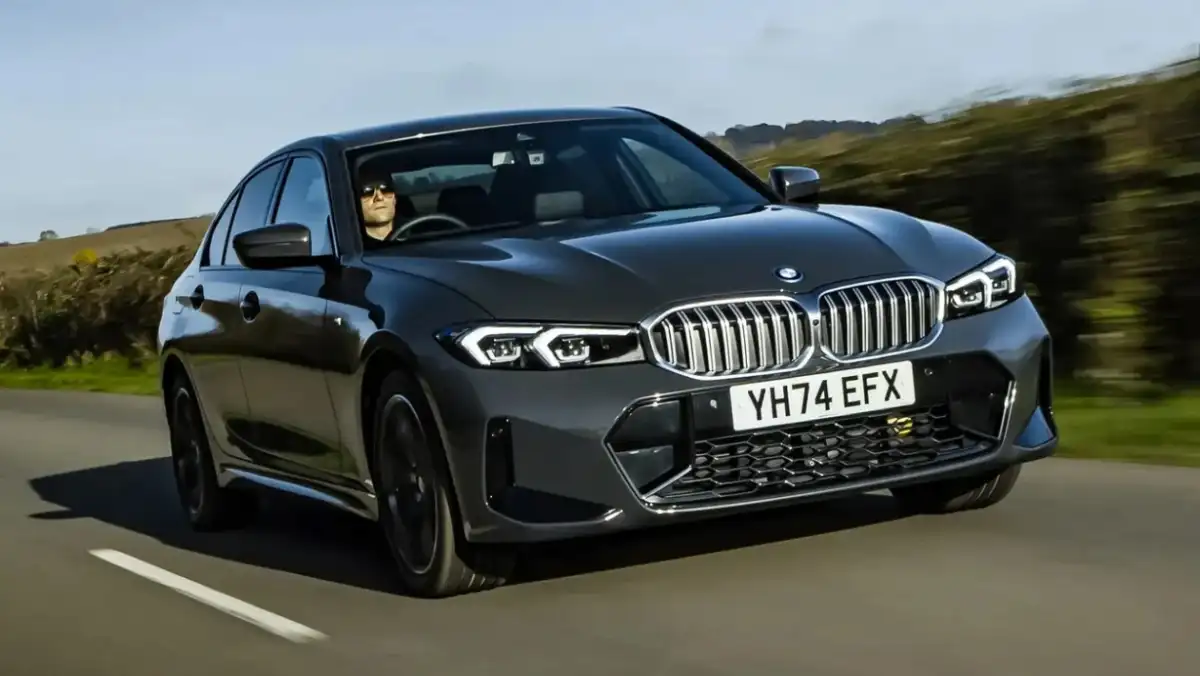
BMW 3 Series / i3 Neue Klasse – the sports saloon’s new heart
The next‑gen 3 Series family moves onto the Neue Klasse architecture, with an all‑electric variant targeting over 500 miles of range thanks to more efficient batteries and motors.
At the same time, combustion‑powered 3 Series and M3 models will continue, giving loyal customers the choice to stay with petrol or jump to EVs without leaving BMW’s core segment.
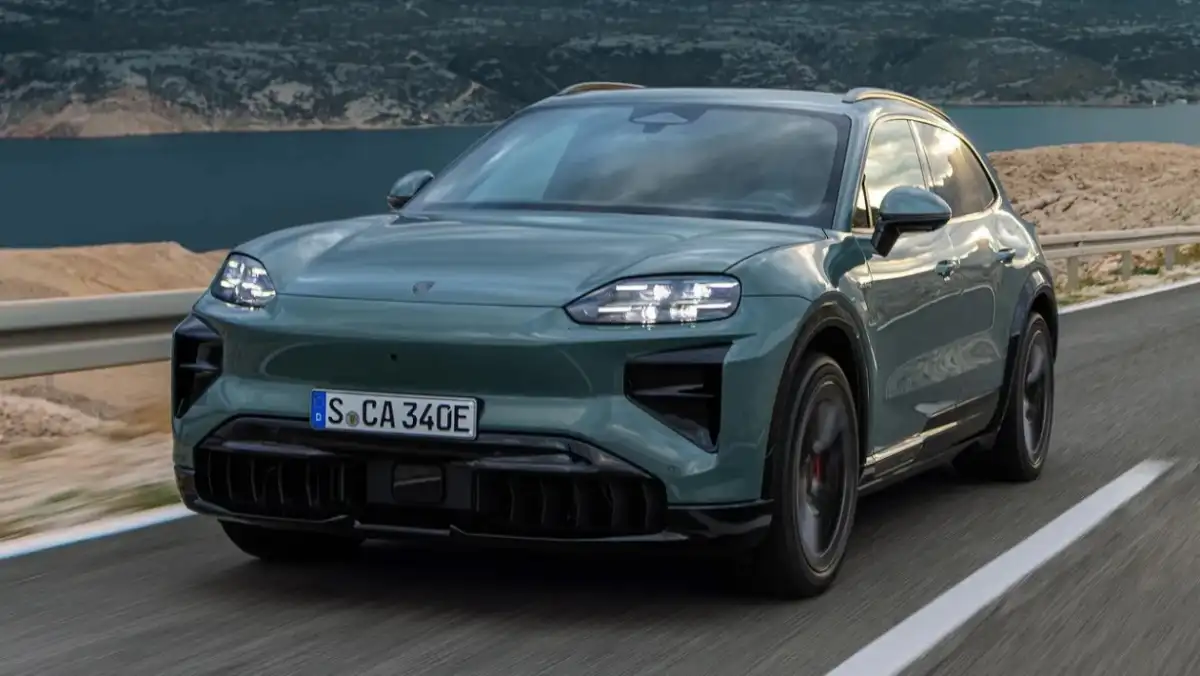
Porsche Cayenne EV – a madly powerful e‑SUV
The electric Cayenne will weigh close to three tonnes but compensates with power figures of around 1,140bhp in Turbo trim, with rumours of an even more extreme Turbo GT version surpassing 1,200bhp.
The real question is not the numbers but the market: with cooling enthusiasm for heavy luxury EVs, this car will test how far Porsche’s electric strategy can stretch.
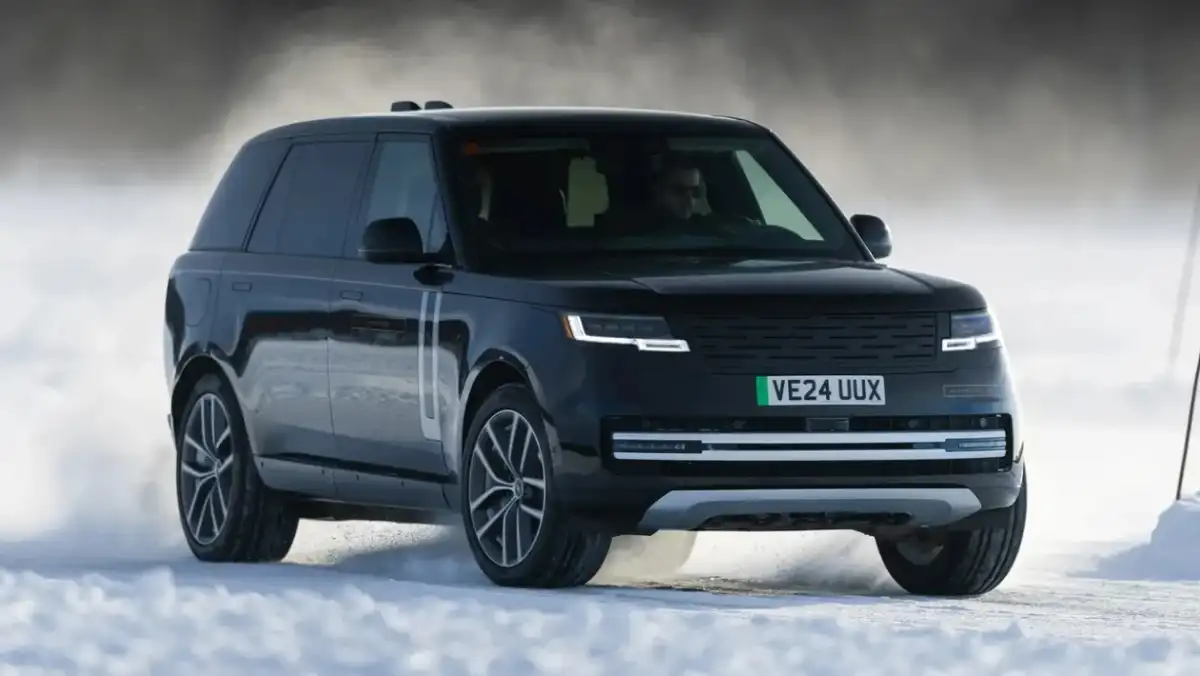
Range Rover Electric – silent British luxury
The electric Range Rover is JLR’s big bet on keeping high‑end customers onboard during the transition to cleaner propulsion, promising an exceptionally refined ride on‑road while remaining genuinely capable off‑road.
Even as demand for premium EVs softens in some regions, the scale of investment means this flagship cannot simply be shelved and must justify its existence in the showroom.
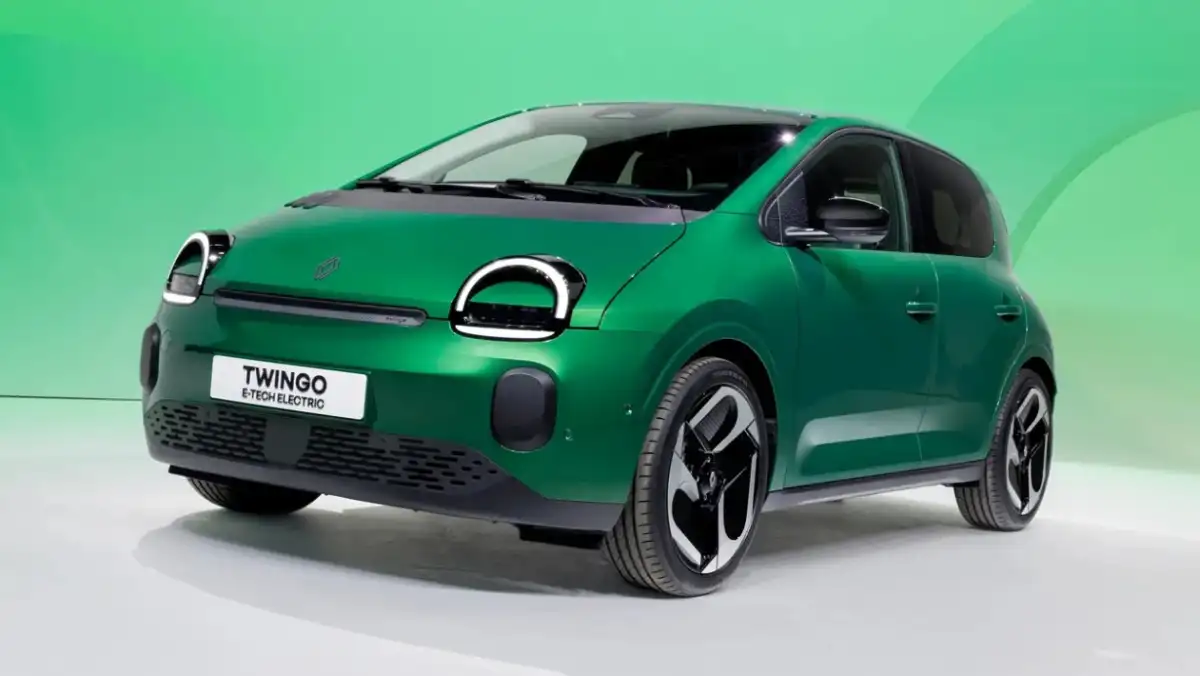
Renault Twingo EV – compact, cute and cleverly packaged
The new electric Twingo is under 3.8m long, yet its 2.5m wheelbase allows four adults thanks to the packaging freedom of EV platforms.
Its “bonbon‑like” styling and bright colours aim squarely at younger urban buyers, using retro‑futuristic cues without leaning too heavily on nostalgia.
Saloons, SUVs and luxury players
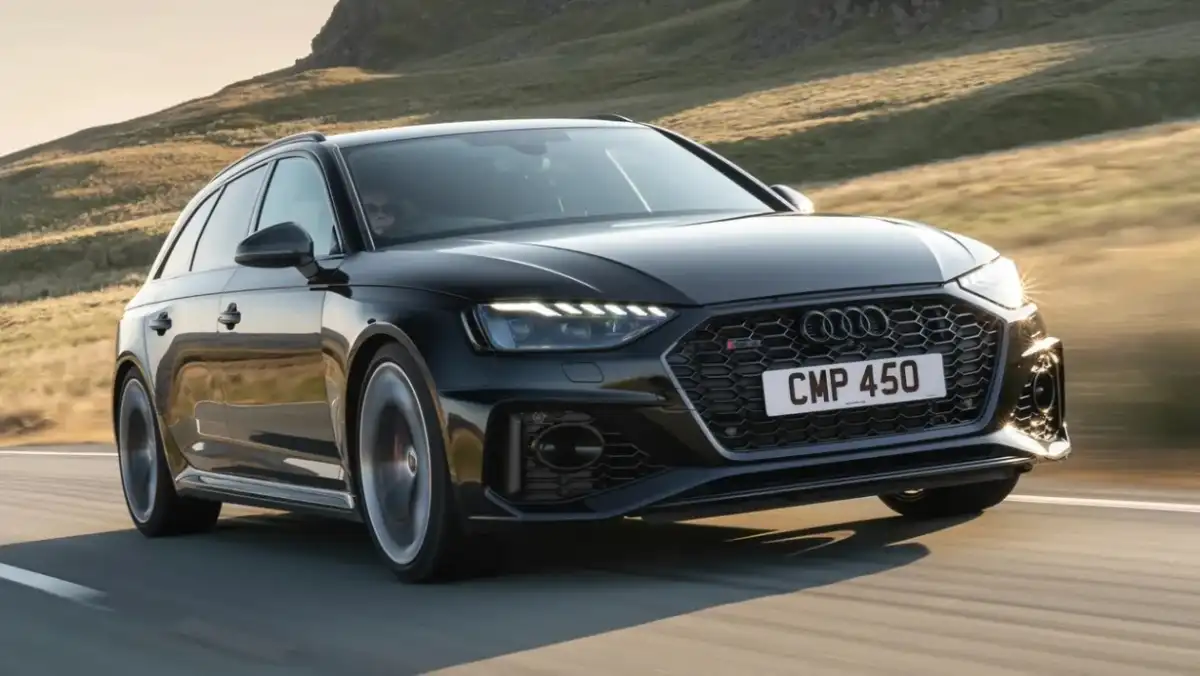
Audi RS5 Avant – fast family wagon with a plug
Name debates aside, the RS5 Avant targets fast‑estate fans with a twin‑turbo V6 and plug‑in hybrid boost, expected to deliver more than 500bhp.
With BMW’s M3 Touring setting the benchmark, Audi must deliver not just straight‑line pace but also handling and driver enjoyment to stay credible.
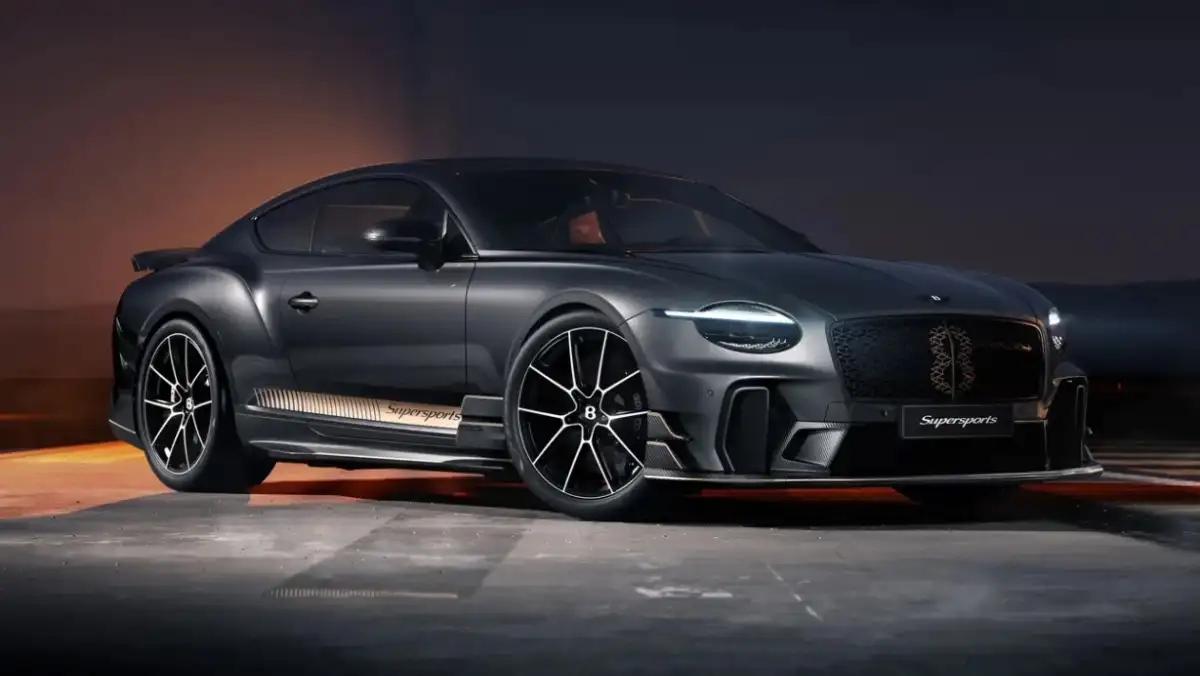
Bentley Supersports – the lightest, sharpest Conti GT in decades
The new Supersports trades away its plug‑in hardware—battery, e‑motor and front driveshafts—to become Bentley’s lightest car in 85 years and the most focused Continental GT to drive.
The idea is to keep grand‑touring comfort and craftsmanship while allowing the chassis and engine to feel more alive and engaging on a twisty road or fast circuit.
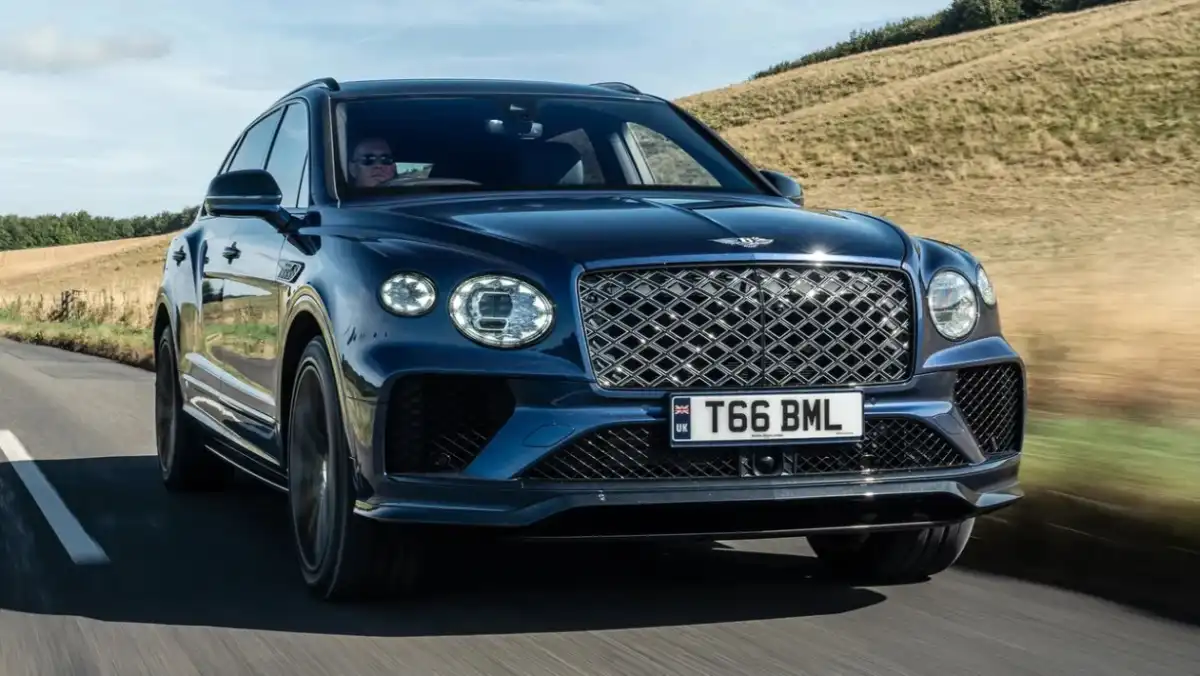
Bentley ‘Urban SUV’ – the brand’s first full EV
Sharing its underpinnings with the Porsche Cayenne Electric, Bentley’s smaller SUV will deliver a more compact, ultra‑lux take on an electric high‑rider for city use.
The brand promises best‑in‑class range and charging, but must convince increasingly sceptical luxury buyers that a heavy, pricey EV still makes sense.
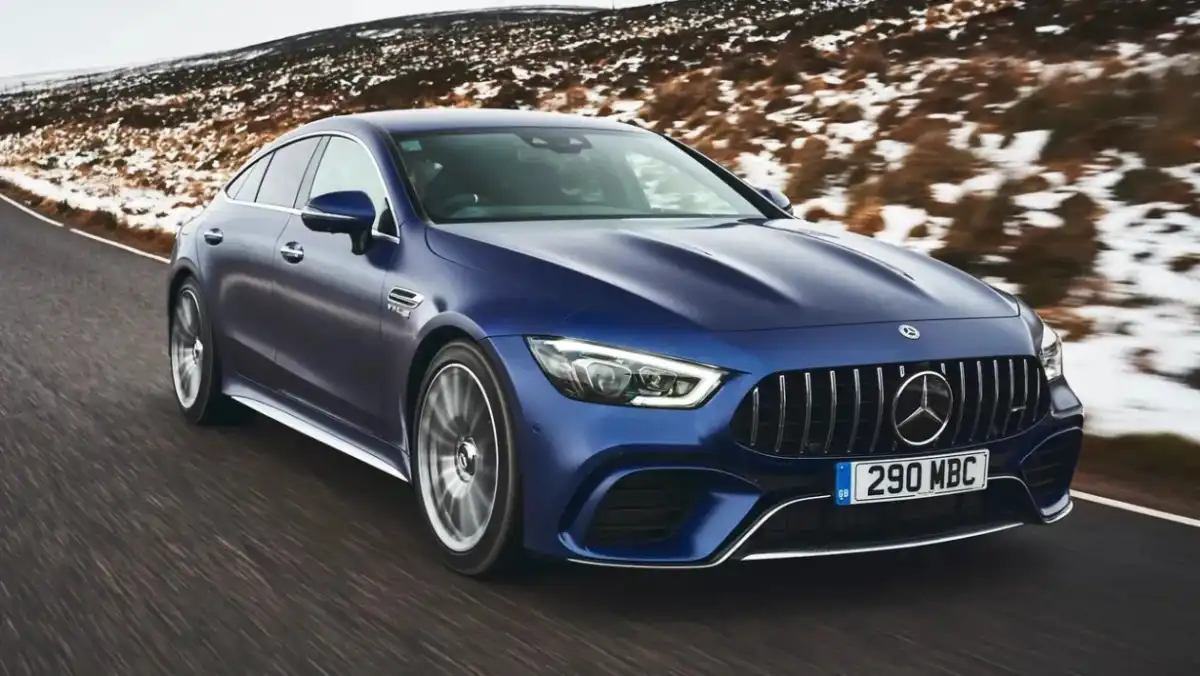
Mercedes‑AMG GT 4dr Electric – hyper‑saloon with an artificial V8 soul
The successor to AMG’s four‑door GT will go fully electric and become the first Mercedes to use simulated V8 noise and faux gearshifts to keep the experience emotional.
Drawing inspiration from the GT XX concept, it is expected to overshadow Tesla rivals in traffic‑light sprints while wearing unmistakable AMG attitude.
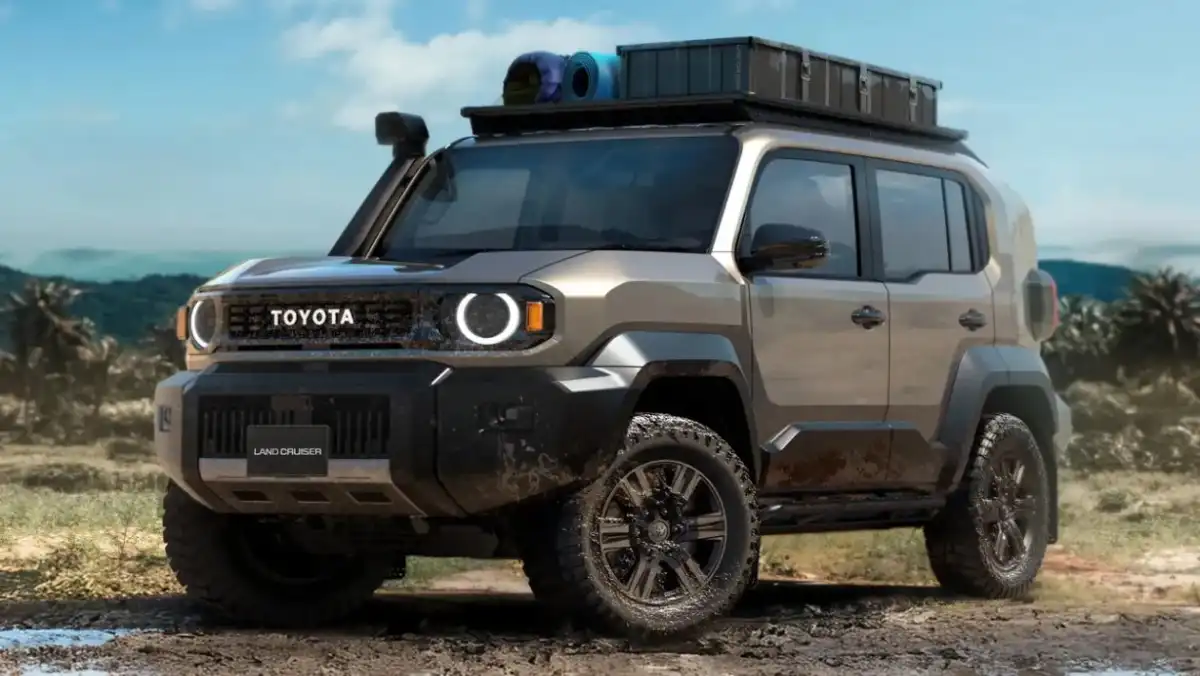
Toyota Land Cruiser FJ – a shrunken legend for emerging markets
The reborn FJ shrinks the Land Cruiser formula onto a simpler, more affordable platform built in Indonesia, aimed at markets in Asia and the developing world.
With modest power and basic hardware, it will not reach Europe or the US, but shows how Toyota leverages the FJ heritage to open fresh off‑road niches.
With such a diverse line‑up of cars arriving in 2026—from wild hypercars and driver‑focused GTs to heavyweight EV SUVs and compact city cars—it is clear that the industry is standing on the threshold of a genuinely new era.
Instead of betting everything on one direction, manufacturers are spreading their efforts across evolved combustion engines, complex hybrids and next‑gen electric platforms, giving enthusiasts more choice than ever before in how they define performance, luxury and daily usability.
Against this backdrop, 2026 looks set to be a pivotal year that reshapes what counts as an “important car”, not just through headline power figures or lap times but by how these models signal a strategic shift in the global automotive landscape.