

- How modern fuel systems really work
- The hidden burden on the brakes
- Extra wear in manual‑transmission cars
- Safety risks and loss of control
- The legal angle: why it’s banned in some places
- Where did the “fuel‑saving neutral” myth come from?
- How to drive economically and safely on descents
- downhill in gear vs neutral
Coasting downhill in neutral might seem like a “smart” trick to save fuel on mountain roads and long descents, but in reality it’s one of the most dangerous habits a driver can adopt. It doesn’t save fuel in modern cars the way many people think, it increases stress on the brakes, reduces the level of control you have over the car, and in some countries it’s even considered a traffic violation due to the safety risks it creates.
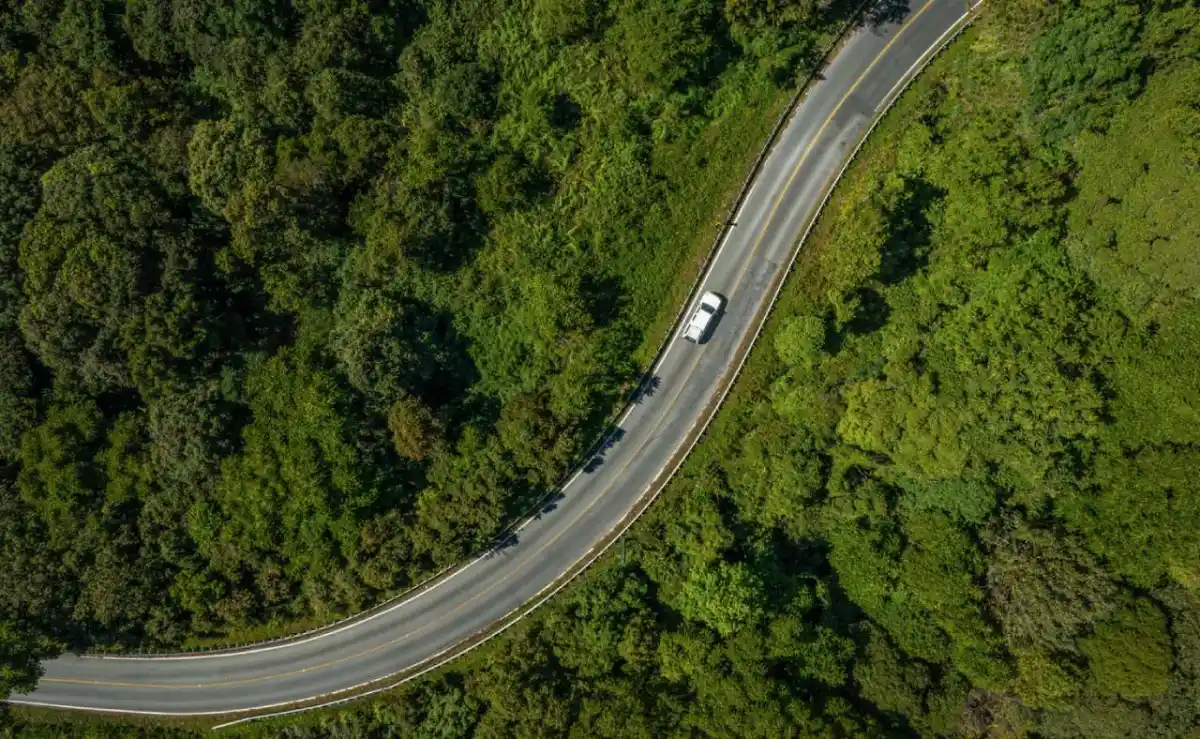
Many drivers were taught, or heard somewhere, that “the car uses less fuel” when you leave it in neutral while going downhill, because the engine is just idling while gravity does the work. The surface logic says: if the engine isn’t resisting the car’s movement (no gear engaged), it will sip less fuel. But this way of thinking belongs to the era of carburetors and old engines, not to what modern fuel‑injection systems and engine computers actually do today. The result is that a lot of people are holding on to a habit that no longer fits current technology and has become both harmful and risky.
How modern fuel systems really work
In modern cars with electronic fuel injection and an engine control unit (ECU), the fuel‑use equation on descents is very different:
When you leave the car in an appropriate gear and go downhill with your foot off the throttle, in many situations the ECU will almost completely cut fuel injection during engine‑braking, because it’s the wheels turning the engine, not the other way around.
In contrast, when the car is in neutral and the engine is idling, the ECU must keep injecting a constant small amount of fuel to prevent the engine from stalling, even if you’re not touching the throttle.
Seen this way, going downhill with a gear engaged can consume very little fuel or essentially none in some conditions, while coasting in neutral forces a steady fuel burn just to keep the engine alive. The “trick” that some drivers think is economical can actually do the opposite in many modern cars.
The hidden burden on the brakes
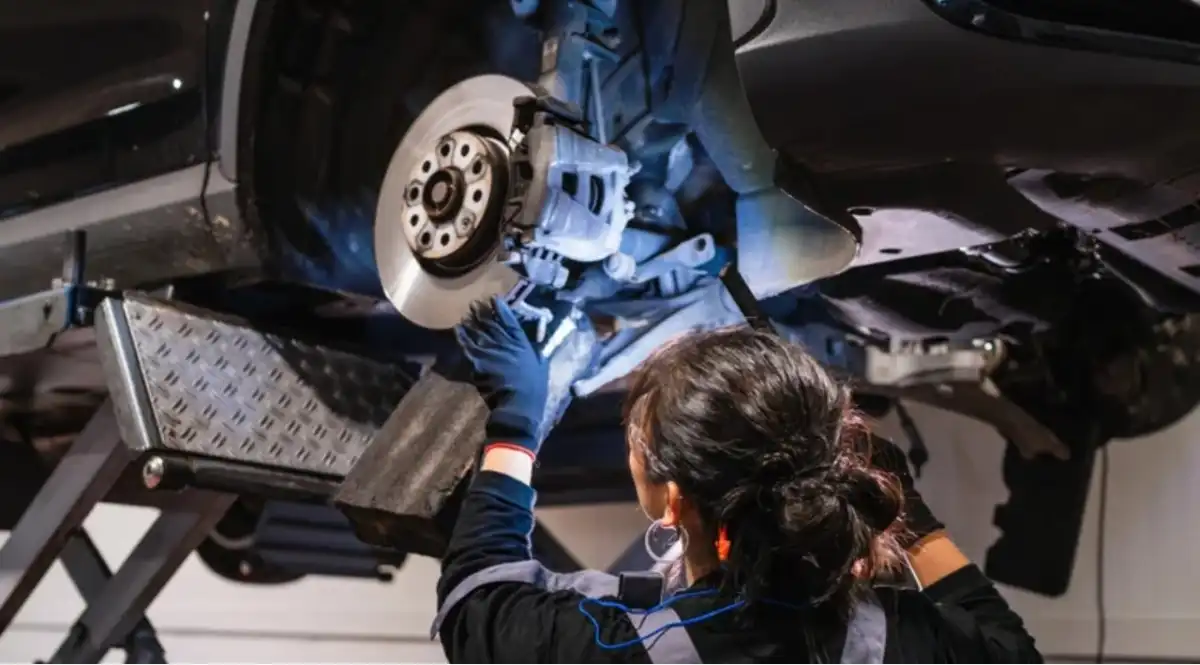
When you rely on neutral on descents, you completely give up the help of engine‑braking and depend solely on your friction brakes:
Engine‑braking in a reasonably low gear slows the car gradually without pushing brake discs and pads to extreme temperatures.
In neutral, there is no resistance from the powertrain, so the car’s speed can climb quickly on long slopes, forcing you to press the brake pedal more often and more aggressively to keep speed in check.
The result is a rise in brake temperature that can lead to “brake fade,” where the pedal feels spongy, stopping distances grow, and the brakes may lose a large portion of their effectiveness at the very moment you need maximum stopping power. This scenario is especially dangerous on mountain roads and long downhill stretches, particularly with a fully loaded car.
Extra wear in manual‑transmission cars
Some manual‑transmission drivers make things worse by going downhill with the clutch pedal held down the whole time to keep the car “disconnected” from the engine:
Holding the clutch pedal down for long periods overloads the throw‑out bearing and other parts that are designed for brief engage/disengage cycles, not for continuous use over many kilometers.
Over time, this leads to noise, difficulty shifting, and eventually clutch failure that can require an expensive repair involving gearbox removal and multiple part replacements.
Combined with the lack of real fuel savings, this makes the “benefit” of neutral coasting even less logical: no real fuel gain, extra clutch wear, and higher risk for the braking system.
Safety risks and loss of control
Coasting downhill in neutral doesn’t only hurt the wallet; it also undermines safety:
With a suitable gear engaged, there is a mechanical link between the engine and the wheels, which helps maintain control, especially in curves and on slippery surfaces. In neutral, the car becomes more like a free‑rolling object relying only on tire grip.
In an emergency—say traffic suddenly stops ahead or an animal runs into the road—you may need to snap back into gear from neutral. Under pressure, that introduces room for errors: choosing the wrong gear, engaging it abruptly, or upsetting the car’s balance.
In automatic cars, flicking from N back to D quickly in a panic situation adds delay and distraction, and a rough re‑engagement can make the car respond in ways you didn’t anticipate.
All of this shrinks the driver’s “safety margin” on steep descents and makes minor misjudgments more costly.
The legal angle: why it’s banned in some places
In a number of U.S. states and other regions, the law explicitly forbids coasting downhill in neutral. The focus there is not fuel economy but safety:
Relying solely on brakes increases the chance of them overheating or fading.
Higher speeds with no engine‑braking make any loss of control or collision more severe.
While such laws can be hard to enforce directly, modern cars often have event data recorders that log driving behavior before an accident. In serious crashes, that data could reveal extended coasting or other risky patterns and influence how liability is assigned. The simple takeaway is: practices that regulators view as unacceptably risky abroad are not a smart idea to treat as “clever” at home.
Where did the “fuel‑saving neutral” myth come from?
The roots of this idea go back to a different era of technology:
In carbureted cars, fuel management was much less precise, and some small driving tricks could make a noticeable difference in consumption.
Over time, old tips evolved into “wisdom” passed around between drivers, without factoring in how electronic injection and smart ECUs changed the game.
Today, engine‑management software is designed to reduce fuel use automatically in conditions like downhill coasting. Trying to outsmart it by going into neutral is usually pointless or counter‑productive.
How to drive economically and safely on descents
Instead of relying on a risky trick, drivers can follow a handful of practical principles:
Choose an appropriate gear (usually lower than what you’d use on the flat) before you start the descent, so the engine helps control speed.
Lift off the throttle and let engine‑braking do most of the work, using the brakes in short, firm applications rather than a long, light press that slowly cooks them.
Make sure the braking system is in good condition—pads, discs, and brake fluid—especially if you frequently drive in hilly or mountainous areas.
Avoid unnecessary extra weight in the car, which increases the load on the brakes going downhill.
Leave a larger‑than‑normal following distance behind vehicles in front of you on descents, to give yourself more time if anything unexpected happens.
This approach delivers meaningful fuel savings, protects the brakes, and clearly improves safety.
downhill in gear vs neutral
Coasting downhill in neutral is a habit that needs to end—not just because it fails to save fuel in modern cars, but because it stresses the braking system, wears clutch components in manuals, and cuts into your safety margin on steep roads. Real fuel economy doesn’t come from risky tricks; it comes from good maintenance, proper tire pressures, choosing the right gear, and smooth, respectful driving that understands the limits of both car and road.