

- Why do we care about wheel weight in the first place?
- Real‑world test: BMW M3 with three different wheel weights
- Acceleration: differences exist, but you can barely feel them on the road
- 31–87 mph acceleration results
- Rotational mass vs static weight
- Braking: tiny differences on paper… that might matter on track
- Track times: where lightweight wheels really start to earn their keep
- Lap times
- Steering feel: where the difference is more obvious than the stopwatch
- Are lightweight wheels worth it for street driving?
- Cost: when a set of wheels costs as much as a whole used car
Reducing a car’s weight is every performance enthusiast’s dream, but a practical test on a BMW M3 shows that the impact of lightweight wheels is less “magical” than many imagine on the street, and much more serious on the track.
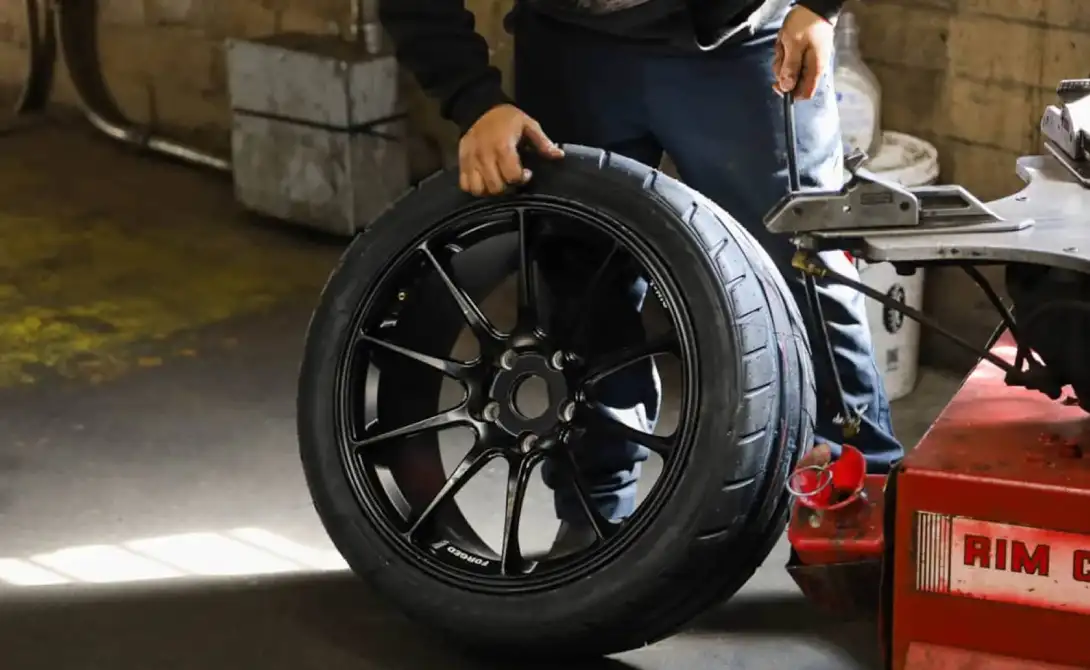
Why do we care about wheel weight in the first place?
Reducing overall vehicle weight improves acceleration, braking, and fuel economy, but wheels are special because they affect several things at once.
A lighter wheel reduces:
Rotational mass: the engine doesn’t need as much effort to spin the wheels.
Unsprung mass: less stress on springs and dampers, improving suspension response.
Even so, the question remains: is the difference big enough to justify the often eye‑watering prices of lightweight wheels?
Real‑world test: BMW M3 with three different wheel weights
YouTuber Jonathan Benson from the Tyre Reviews channel decided to test wheel weight in the real world using an F80 BMW M3.
Same car, same sticky Bridgestone tires, with three wheel weights:
20 lb per wheel (light).
38 lb per wheel.
52 lb per wheel (heaviest).
Metrics measured:
Acceleration (roughly 31–87 mph).
Braking (stopping distance – with the caveat that the road surface wasn’t perfectly consistent).
Lap time on track.
Subjective feel behind the wheel.
Acceleration: differences exist, but you can barely feel them on the road
31–87 mph acceleration results
20 lb wheels: 5.76 seconds.
38 lb wheels: 5.93 seconds.
52 lb wheels: 6.07 seconds.
Total spread between lightest and heaviest:
About 0.31 seconds in that speed window.
Benson’s takeaway:
From the driver’s seat, that difference was almost imperceptible in everyday use.
Rotational mass vs static weight
Benson then put the 20 lb wheels back on, but added 130 lb of ballast inside the car to simulate the same extra weight as the heavy wheels.
The same acceleration run took 5.88 seconds – between the lightest and heaviest wheel setups.
Lesson here:
Rotating wheel mass hurts performance more than the same weight added as static ballast, but it still doesn’t magically transform straight‑line acceleration.
Braking: tiny differences on paper… that might matter on track
For braking, Benson admits the test was less scientific due to minor grip variations in the road surface.
The measured stopping distances between the three wheel sets were very close, to the point he didn’t publish all the raw numbers.
He does, however, reference theoretical calculations showing a stopping‑distance difference of about two feet between the lightest and heaviest setups.
Does that matter?
In normal day‑to‑day driving, that difference is barely noticeable.
At high speeds on track or in an emergency stop, every extra foot can be the difference between a clean miss and a light tap.
Track times: where lightweight wheels really start to earn their keep
The lap‑time test produced the clearest and most striking results.
Lap times
20 lb wheels: 99.13 seconds.
38 lb wheels: 99.92 seconds.
52 lb wheels: 100.74 seconds.
Gap between lightest and heaviest:
About 1.61 seconds per lap.
Why is that huge in racing terms?
In NASCAR, Kyle Larson beat Chris Buescher by 0.001 seconds at the 2024 AdventHealth 400 – the closest finish in the series’ history.
Against that backdrop, a 1.6‑second gap on a single lap is “geological time,” as the article puts it – a massive difference for anyone hunting lap time.
Implication:
For serious track‑day drivers and race teams, lighter wheels offer a real, measurable lap‑time benefit worth chasing.
They won’t win races alone, but they’re a meaningful piece of the overall performance package.
Steering feel: where the difference is more obvious than the stopwatch
Even though the acceleration and braking numbers were close, the subjective impressions behind the wheel were very different.
On the 20 lb wheels:
Benson says the car “wants to dance with you.”
Steering feedback is clearer, and you have a better sense of what’s happening at the front axle, boosting confidence on corner entry.
As weight increases:
Feedback through the wheel drops off.
The car feels more sluggish and less eager to change direction quickly.
Message for enthusiastic drivers:
Even if you don’t see a huge change in straight‑line numbers, the way the car reacts in corners and quick transitions can make lightweight wheels a worthwhile upgrade for “feel,” not just for the stopwatch.
Are lightweight wheels worth it for street driving?
The data and impressions together suggest that:
On public roads, the differences in acceleration and braking between light and heavy wheels are very small.
Lightweight wheels won’t suddenly turn your Dodge Viper into a Tesla Model S Plaid killer at the stoplight.
Still:
You may notice crisper steering and slightly better suspension response, especially on rough roads or during spirited back‑road driving.
Many modifications in the car world aren’t about pure lap times; they’re about what you feel through the wheel, seat, and pedals.
Cost: when a set of wheels costs as much as a whole used car
This is where the story gets rough for your wallet.
A real‑world example:
On a C8 Corvette ZR1, buyers can pay around $13,995 for clear‑coated carbon‑fiber wheels, cutting about 42.8 lb of rotating, unsprung mass.
That’s roughly the price of a used Porsche Boxster S in some markets.
The economic logic:
If you’re wealthy enough that the ZR1’s roughly $183,400 starting price feels “reasonable,” then dropping an extra $14,000 on wheels might be a small detail.
If you run a race team with a big budget, going for the lightest, strongest wheels you can buy makes perfect sense.
The BMW M3 test with three very different wheel weights makes it clear that lightweight wheels have limited impact on straight‑line acceleration and braking for daily driving, but their value grows significantly on track, especially when every tenth of a second counts. Perhaps more importantly, the test shows that the real benefit may lie in steering feel and connection to the road rather than in headline 0–60 times. For hardcore track addicts and big‑budget teams, spending on the lightest, strongest wheels available is a rational move. For budget‑conscious enthusiasts, however, tires, setup, and driver development still offer the best performance return before splurging on wheels that cost as much as an entire used sports car.