
- Why the Seal 6 Matters Today
- Segment and Positioning: A Practical Family Sedan
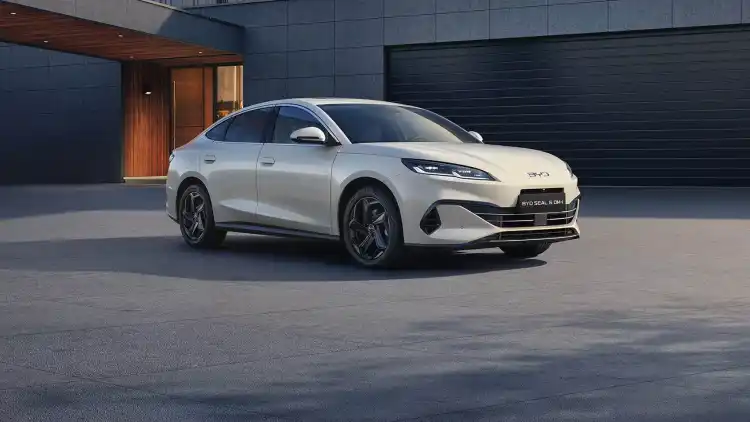
- Exterior Design: Calm Aerodynamics Over Aggression
- DM-i Plug-In Hybrid System: The Core of the Experience
- Driving Experience: Comfort Before Sportiness
- Interior: Practical Technology, Not Flashy Excess
- Safety and Driver Assistance
- Operating Efficiency: The Seal 6’s Strongest Asset
- Brief Comparison With Alternatives
- Who Is the Seal 6 For?
- Is the BYD Seal 6 a Smart Choice?
Why the Seal 6 Matters Today
As interest in electric vehicles continues to rise, a growing number of drivers are realizing that a full transition to electric power does not yet suit everyone. This is where plug-in hybrid vehicles (PHEVs) emerge as a practical middle ground, combining daily electric driving with long-distance capability and freedom from charging anxiety.
Within this context, BYD Seal 6 enters the market as part of BYD’s “Ocean” lineup, offering a mature hybrid solution focused on real-world usability rather than headline-grabbing numbers. The Seal 6 is designed for drivers who value efficiency, comfort, and logic over short-term excitement.
Segment and Positioning: A Practical Family Sedan
The Seal 6 belongs to the mid-size sedan / family car segment, targeting:
Small and medium-size families
Daily highway commuters
Drivers seeking excellent fuel economy without sacrificing comfort
It is neither a performance sedan nor a luxury flagship. Instead, it positions itself as a balanced, rational choice for everyday use.
Exterior Design: Calm Aerodynamics Over Aggression
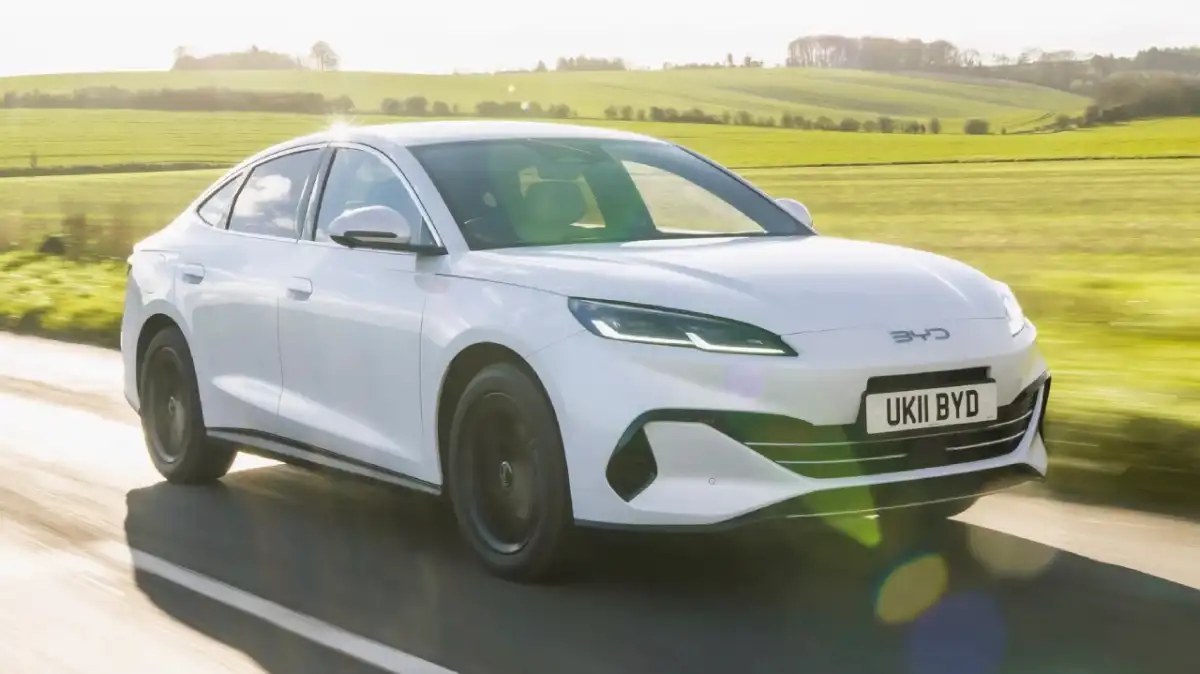
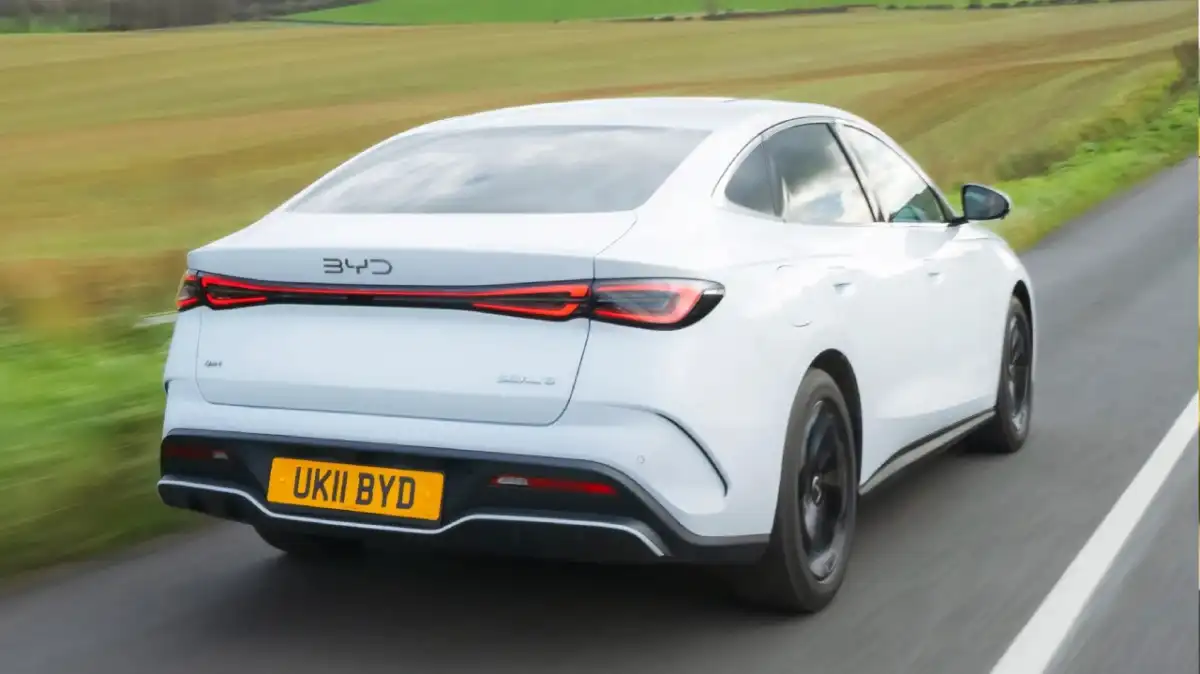
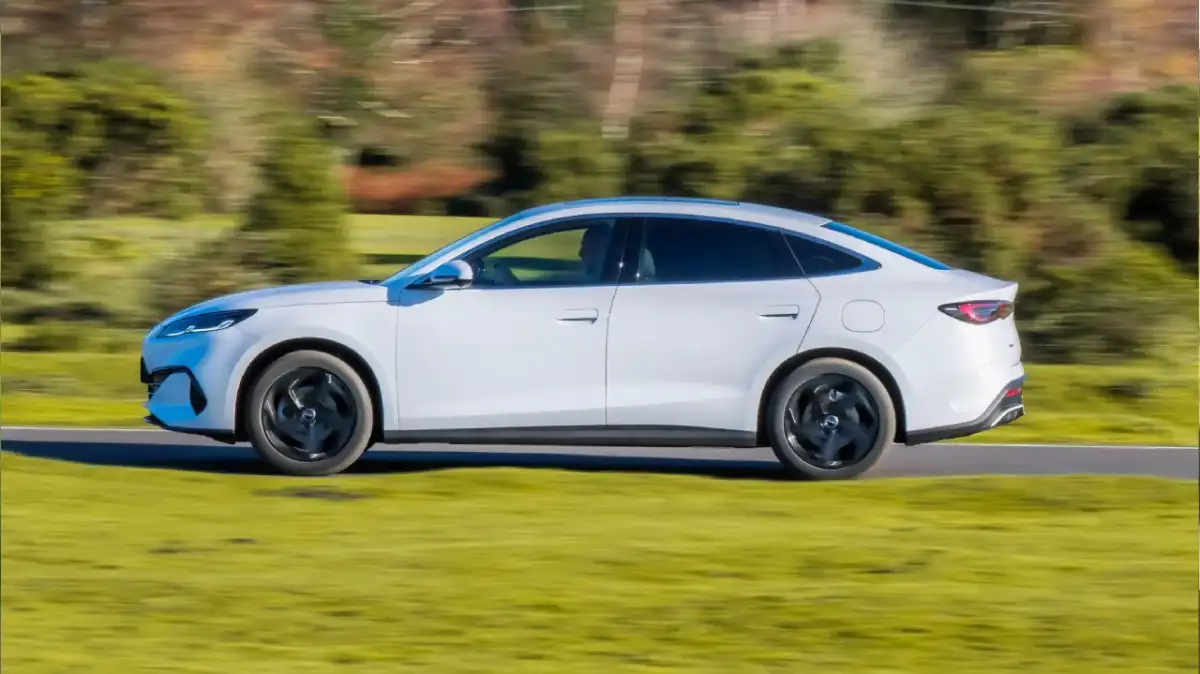
The Seal 6 follows BYD’s Ocean Aesthetics design language:
Smooth, flowing lines
A relatively low front profile to improve aerodynamics
Slim LED headlights that create a modern but understated presence
The design prioritizes efficiency and longevity, avoiding extreme styling trends that may age quickly.
DM-i Plug-In Hybrid System: The Core of the Experience
At the heart of the Seal 6 is BYD’s DM-i plug-in hybrid system, one of the brand’s most refined technologies.
Powertrain Components
1.5-liter petrol engine
Electric motor
Electronic transmission (e-CVT / DHT)
BYD Blade Battery (lithium-based)
Key Performance Figures (Market-Dependent)
Item | Approximate Value |
|---|---|
Total system output | 184–212 hp |
0–100 km/h | ~8.5 seconds |
Electric-only range | Up to ~100 km |
Total driving range | Over 1,000 km |
Drivetrain | Front-wheel drive |
What This Means in Daily Use
Fully electric driving for most city commutes
Petrol engine often works primarily as a generator
Very low fuel consumption in mixed driving
Long trips without concern for charging infrastructure
This setup makes the Seal 6 ideal for drivers who want electric benefits without committing fully to an EV.
Driving Experience: Comfort Before Sportiness
On the road, the Seal 6 emphasizes:
Smoothness and refinement
Quiet operation
Seamless transitions between electric and petrol power
It is not designed for sporty driving, but it offers:
Predictable steering
Good high-speed stability
A relaxed, confidence-inspiring ride
This is a car judged by how comfortable it feels after 500 km, not by aggressive cornering.
Interior: Practical Technology, Not Flashy Excess
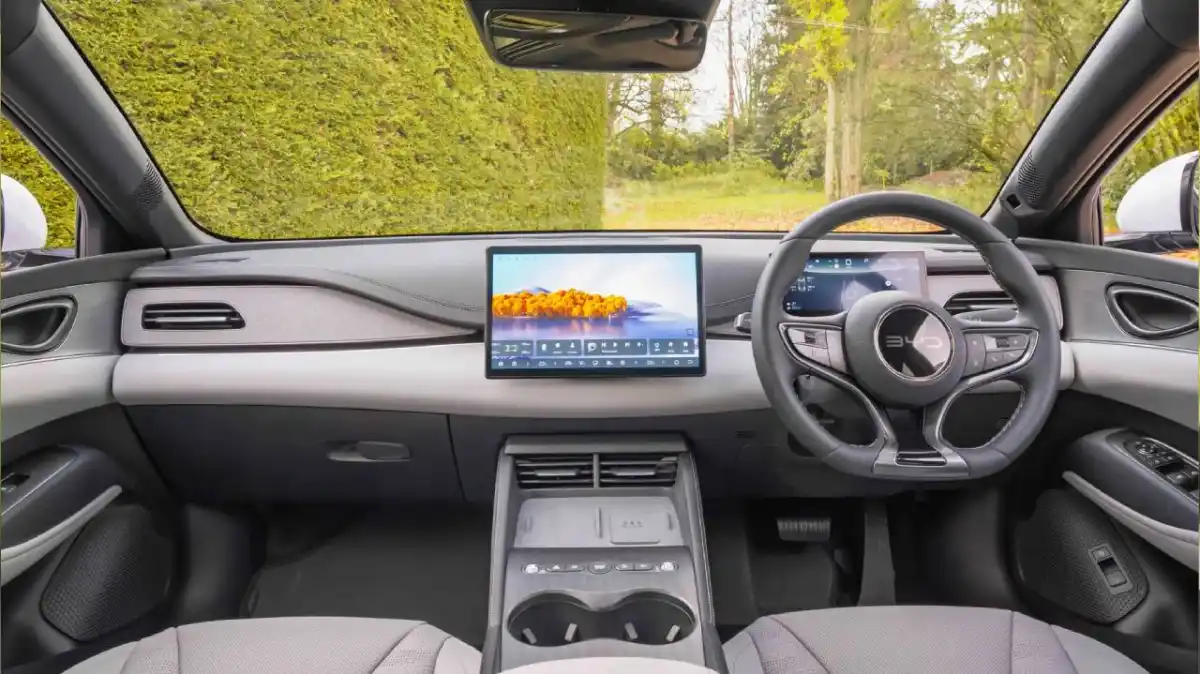
The interior reflects BYD’s modern approach:
A 15.6-inch rotating central touchscreen
Clear digital instrument cluster
Responsive infotainment system
Solid material quality relative to its price segment
Key Interior Features
Apple CarPlay and Android Auto
Advanced sound system (trim-dependent)
Comfortable seating for long journeys
Adequate rear legroom for adult passengers
The cabin is not luxury-focused, but it is smart, comfortable, and user-friendly.
Safety and Driver Assistance
BYD typically equips the Seal 6 with a comprehensive safety package, including:
Automatic emergency braking
Adaptive cruise control
Lane-keeping assistance
Surround-view cameras
Multiple airbags
These systems make the Seal 6 a strong choice for families and daily commuters.
Operating Efficiency: The Seal 6’s Strongest Asset
The Seal 6 truly shines in efficiency:
Extremely low fuel consumption with regular charging
Ability to operate as a pure EV during daily use
Significant reduction in fuel dependency
For drivers who can charge at home or work, it is possible to go several days without using petrol.
Brief Comparison With Alternatives
Model | Type | Main Strength | Key Note |
|---|---|---|---|
BYD Seal 6 | PHEV | Long electric range | Comfort-focused |
Toyota Camry Hybrid | Hybrid | Proven reliability | No plug-in capability |
Hyundai Sonata Hybrid | Hybrid | Modern design | Limited EV range |
Full EVs | EV | Zero emissions | Full charging reliance |
The Seal 6 occupies a smart middle ground between traditional hybrids and full EVs.
Who Is the Seal 6 For?
Ideal for:
Daily urban drivers
Buyers focused on fuel savings
Drivers who want EV benefits without range anxiety
Small to medium-size families
Less suitable for:
Performance-oriented drivers
Buyers seeking a traditional luxury badge
Owners who do not plan to charge the vehicle at all
Is the BYD Seal 6 a Smart Choice?
Yes — for buyers who value logic over emotion.
The BYD Seal 6 is not designed to impress at first glance, but to deliver:
Practical efficiency
Daily comfort
Low operating costs
A realistic transition toward electrification
It represents a mature, thoughtful step toward the electric future — without forcing the leap too early.