

- Countdown to the world’s toughest rally on Saudi soil
- Dakar in Saudi Arabia: a firmly established global stop
- Key features of this year’s Dakar edition
- 25 Saudis in the fight: homegrown talent on home terrain
- Economic and tourism impact of Dakar in the Kingdom
- Technical level: world‑class machinery and engineering
- Safety and organisation: how Saudi Dakar manages the risk
- What makes the Saudi Dakar experience unique?
- Why Saudi participation in Dakar matters
- The Kingdom ready for another global showcase
Countdown to the world’s toughest rally on Saudi soil
In just three days, global rally‑raid fans will once again turn their attention to Saudi Arabia with the start of a new edition of the Dakar Rally, the toughest and most famous desert rally in motorsport history.
Since moving to the Kingdom, Dakar has transformed the Saudi desert into a global stage for adventure and endurance, and with 25 Saudi drivers and co‑drivers on the entry list this year, excitement grows as local heroes prepare to challenge the world’s best on terrain they know intimately.
Dakar in Saudi Arabia: a firmly established global stop
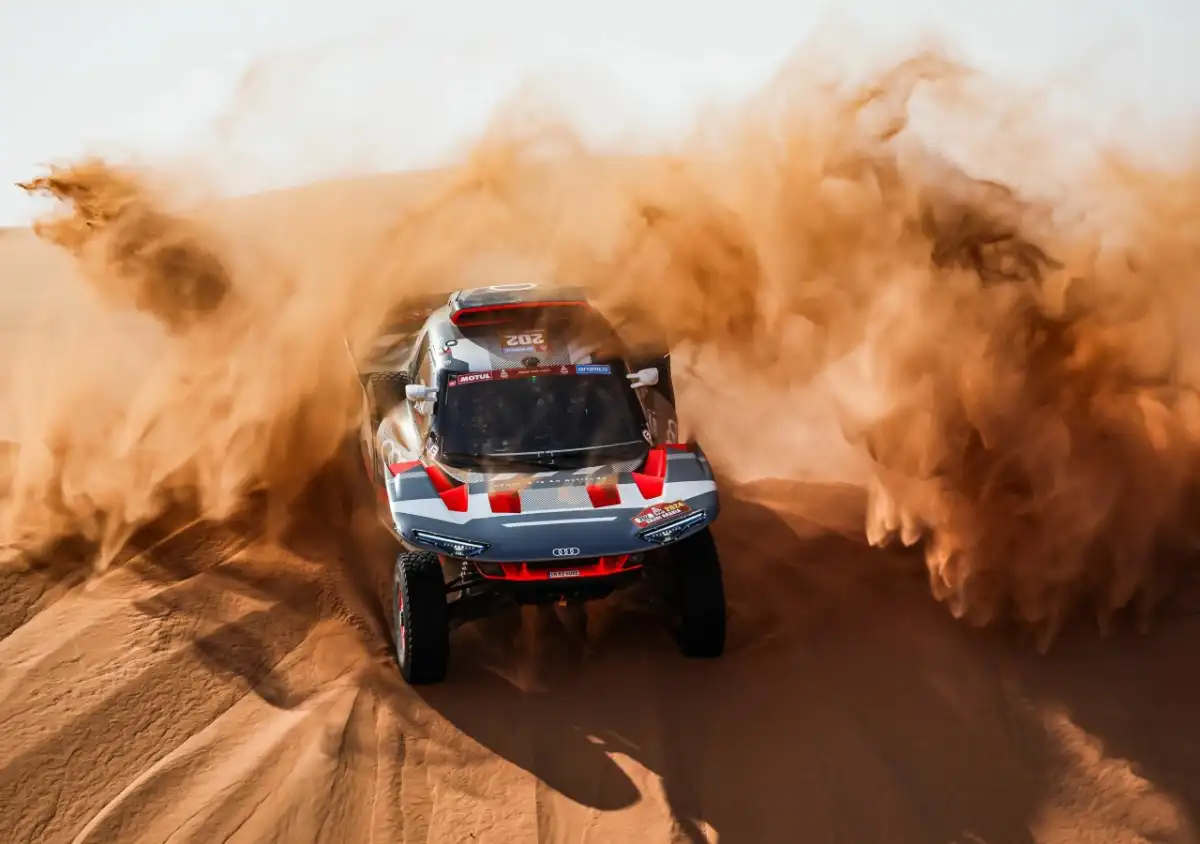
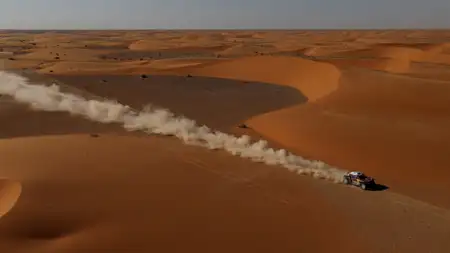
The Kingdom has cemented its status as Dakar’s new home, leveraging uniquely varied geography that combines towering dunes, rugged rocky tracks, coastal stretches and fast open plains.
Hosting the rally aligns with Saudi Vision 2030, which aims to boost sports tourism, attract global events and present a modern image of the country to millions of viewers worldwide.
The route, spread across several Saudi regions, turns the rally into a vast exploratory tour for competitors and spectators alike, showcasing the historical depth and cultural richness of the cities and towns it crosses
Key features of this year’s Dakar edition
Duration and stages
The rally typically runs for around two weeks of daily competition, including a short prologue stage and a series of long special stages that test teams’ endurance and consistency.
Vehicle categories
T1/T1+ rally‑raid cars.
Motorbikes and quads.
Heavy trucks.
Lightweight prototypes and SSVs in categories such as T3 and T4.
Navigation challenges
Dakar relies on highly complex navigation using a road book and dedicated devices, making the co‑driver’s precision just as crucial as the driver’s outright speed.
25 Saudis in the fight: homegrown talent on home terrain
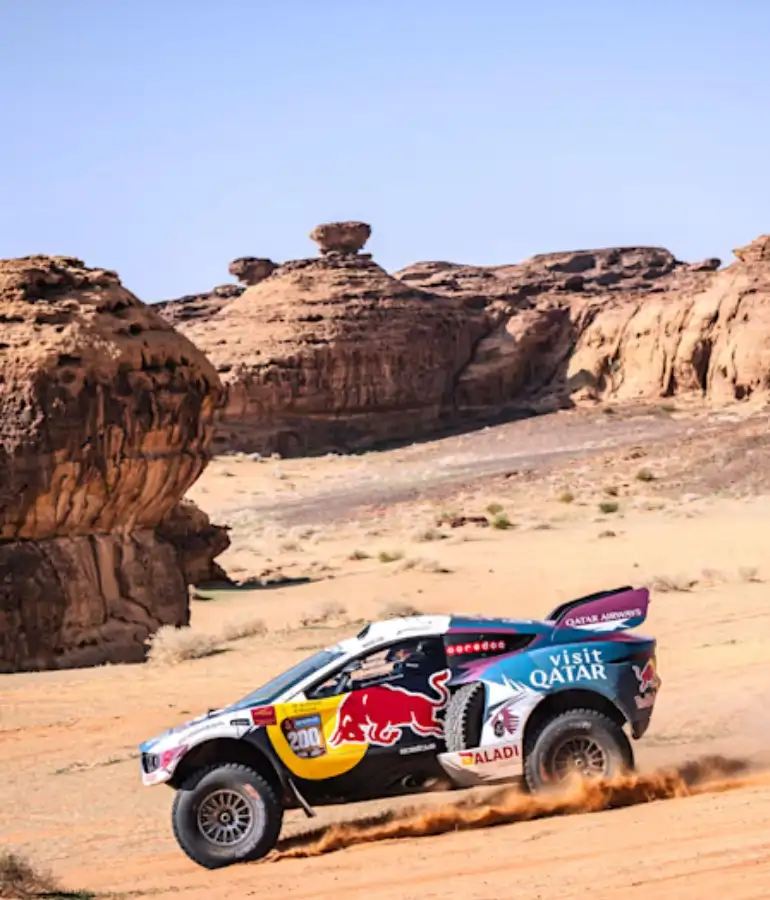
The participation of 25 Saudis in this edition underlines how quickly rally‑raid and cross‑country racing have grown in the Kingdom, with an emerging generation of both drivers and co‑drivers.
Saudi competitors are spread across multiple categories, from bikes and cars to light prototypes, with some building on experience from previous Dakars and others making ambitious debuts.
Local knowledge of the terrain, combined with strong media and fan support, gives Saudi entrants a clear psychological edge as they face international veterans on familiar ground.
Economic and tourism impact of Dakar in the Kingdom
The rally attracts hundreds of teams, mechanics, officials, media professionals and thousands of visitors, generating intense tourism activity in the regions along the route.
Hospitality, transport, logistics and ancillary events all benefit, not only during the rally itself but through long‑term exposure for Saudi tourist destinations.
The flood of images and footage across global TV channels and social media strengthens the Kingdom’s position as a destination for adventure and outdoor activities, opening doors for similar events in the future.
Technical level: world‑class machinery and engineering
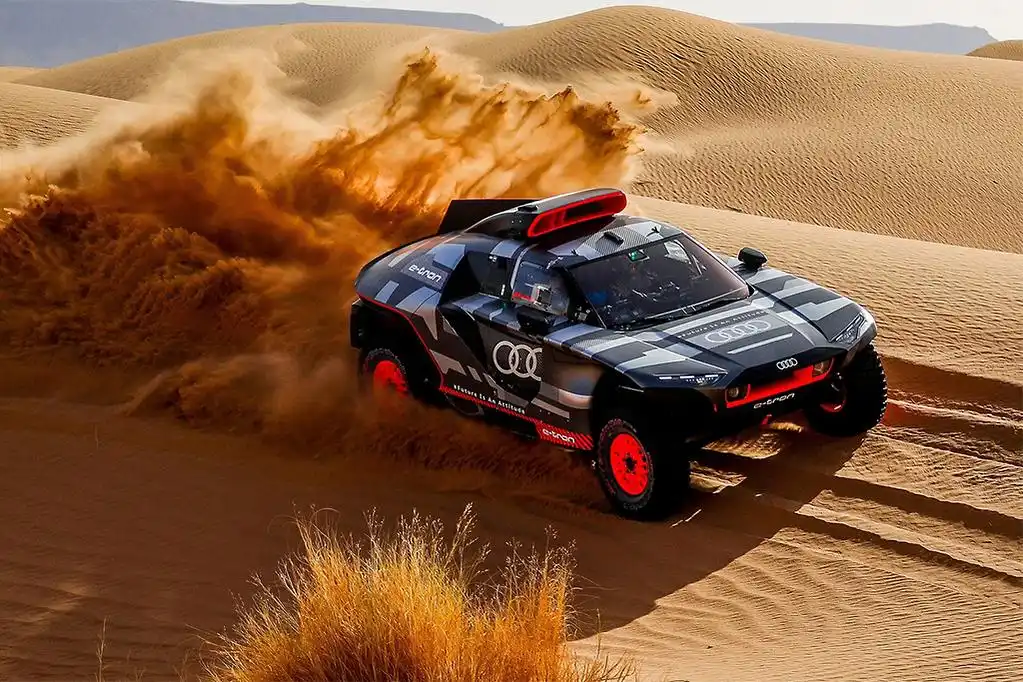
Top‑tier teams rely on purpose‑built rally prototypes with long‑travel suspension, high‑torque engines and advanced electronics for engine and four‑wheel‑drive management.
Tires and suspension components endure extreme punishment as cars transition daily between soft dunes, sharp rocks and broken tracks that demand a fine balance of speed and durability.
Technology extends beyond the vehicles themselves, with sophisticated navigation, communication and safety systems forming an integral part of any successful Dakar programme.
Safety and organisation: how Saudi Dakar manages the risk
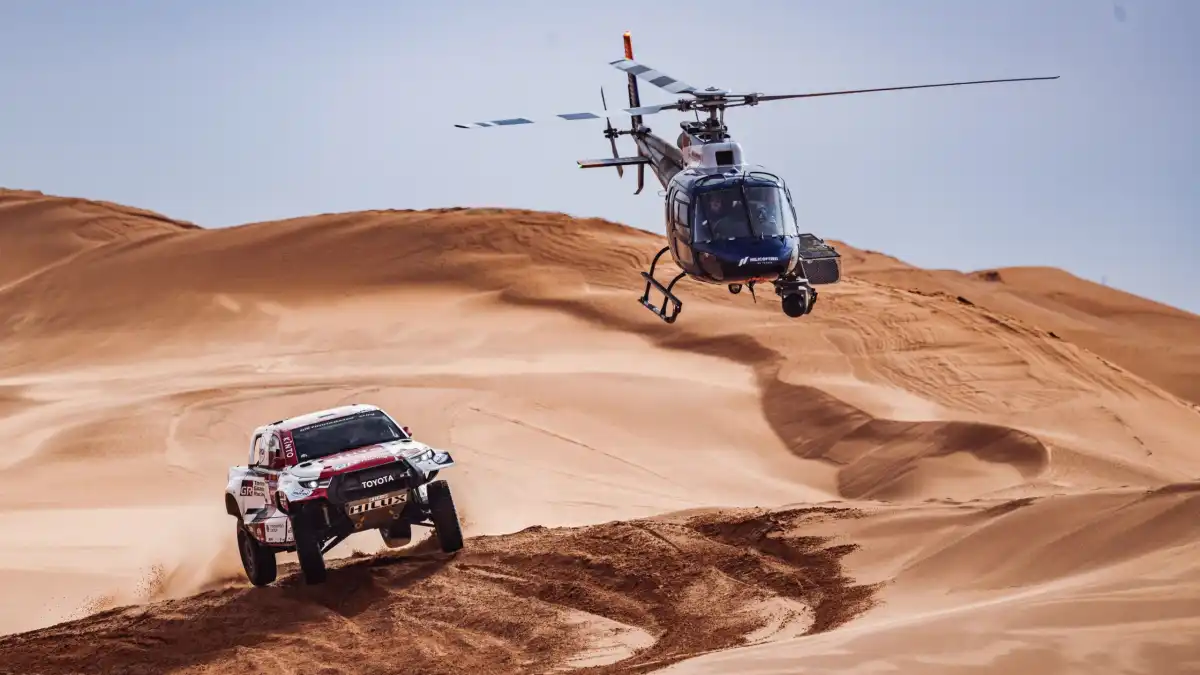
Saudi organisers place strong emphasis on safety for competitors and spectators through medical and rescue teams stationed along the stages.
Every vehicle is monitored in real time via tracking systems with built‑in alarms for crashes or sudden stops, allowing rapid response and risk reduction.
Strict regulations govern onboard safety equipment, from roll cages and fire‑suppression systems to homologated harnesses, helmets and racewear that comply with international standards.
What makes the Saudi Dakar experience unique?
The diversity of terrain over relatively short distances allows stage designers to blend flat‑out sections with slow, technical segments that demand maximum concentration.
Weather conditions at this time of year are generally well suited to long‑distance competition compared to the intense summer heat, while still leaving room for occasional climatic surprises in certain regions.
Strong Saudi and regional fan presence at start and finish podiums and viewing zones adds a distinctive atmosphere, turning the event into both a sporting battle and a national celebration.
Why Saudi participation in Dakar matters
Having 25 Saudis on the Dakar entry list is more than just a statistic; it signals the maturing structure of national motorsport, from grassroots programmes to international campaigns.
Local drivers capable of challenging world‑class rivals on home stages help inspire a new generation of enthusiasts while encouraging further investment in teams, training facilities and supporting championships throughout the year.
For any automotive or motorsport outlet in the region, Dakar Saudi Arabia is an ideal platform to connect readers with a global event that also reflects sporting, economic and tourism ambitions at home.
The Kingdom ready for another global showcase
As the countdown enters its final days, Saudi Arabia prepares to welcome hundreds of competitors from around the world onto desert stages that will push both human and machine to their limits.
The presence of 25 Saudi entrants gives this year’s edition a special local flavour and raises expectations for new milestones on both regional and international levels.
For fans of cars and rallying across the Arab world, following the stages, team strategies and Saudi results will be a prime opportunity to experience world‑class desert racing on home soil.