
- Tire type – the first letter in the code
- Width and aspect ratio – the basis of comfort and stability
- Construction type (R / D / B) and the Z speed letter
- Rim diameter, load index and final speed rating
- Other important markings on the sidewall
- Using sidewall codes to choose the right tire
A quick look at a tire’s sidewall reveals a string of numbers and letters that can seem like a secret code, but in reality it is the tire’s full “ID card.”
Understanding these markings helps you choose the correct size, load capacity and speed rating for your car and driving style, which directly affects safety, performance and fuel economy.
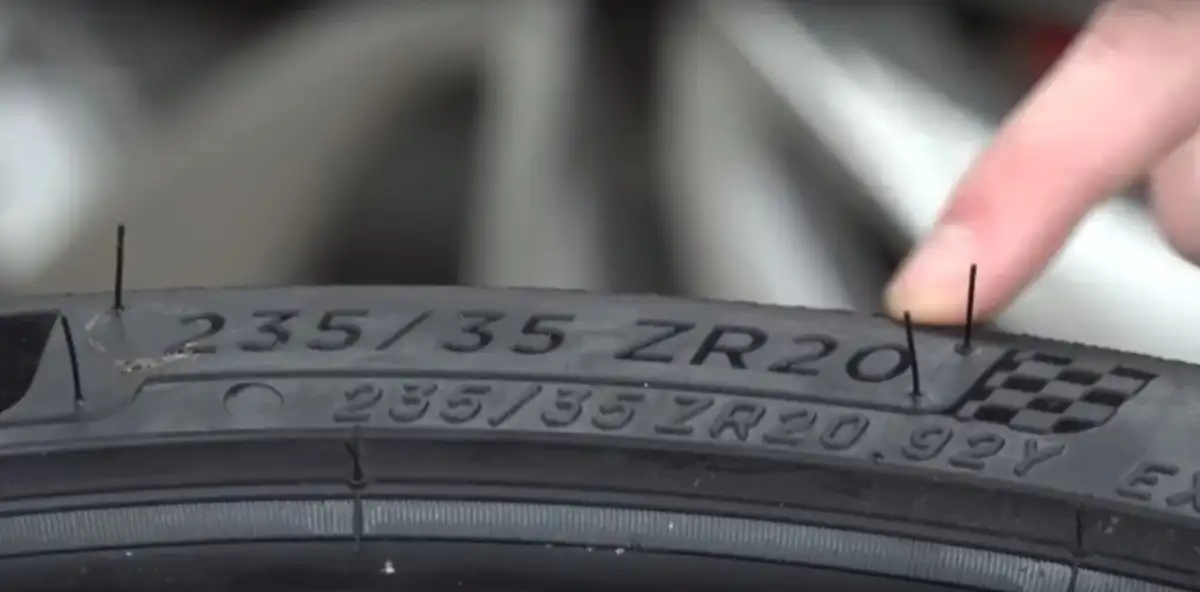
Using a common example such as P275/40 ZR18 89Y, you can break down each part of the code and learn exactly what it means, turning tire shopping into a more informed and professional process.
Tire type – the first letter in the code
P
Stands for Passenger, meaning a tire designed for passenger cars and the most common category for private vehicles.
LT
Stands for Light Truck, used on light trucks and pickups that require higher load capacity.
ST
Stands for Special Trailer, intended for trailers and not for mounting directly on a driven vehicle axle.
C
Used on commercial or light truck tires designed for higher payload applications.
T
Temporary tire, typically the small “doughnut” spare meant only for emergency use.
No letter at the beginning
When there is no leading letter, the size is usually Euro‑metric, which follows similar sizing logic but with slightly different load standards from the U.S. system.

Width and aspect ratio – the basis of comfort and stability
Section width (example: 275)
The tire’s width in millimetres from sidewall to sidewall, which affects contact patch size, grip and whether staggered setups or wider wheels are feasible.
Aspect ratio / profile (example: 40)
The sidewall height as a percentage of the width; in the example, the sidewall is 40% of 275mm.
A lower ratio means a shorter sidewall, giving a firmer, more responsive “sporty” feel at the expense of ride comfort.
Off‑road enthusiasts usually prefer higher aspect ratios because they increase ground clearance and improve bump absorption.
Construction type (R / D / B) and the Z speed letter
Construction letter (R/D/B)
R: Radial construction, now the dominant type, where plies run at right angles from the centre of the tire, improving grip and tread life.
D: Diagonal or bias‑ply construction, where plies are laid at an angle, still seen in some special or older applications.
B: Belted bias, a bias‑ply tire strengthened with a steel belt for added rigidity.
The Z related to speed
The Z you sometimes see before R or within the size string indicates a high‑speed capability (above 149 mph), but it is not itself a construction type.
Tires with maximum speed ratings above 186 mph are required to use ZR as part of their designation.
Rim diameter, load index and final speed rating
Wheel diameter (example: 18)
The rim diameter in inches, which must match the wheel exactly; tires cannot be stretched to fit a different diameter.
Compact passenger cars typically use 15–17 inch wheels, while modern performance cars like the Ford Mustang can run 18–20 inch wheels.
Load index (example: 89)
A numerical code showing the maximum weight a single tire can support, decoded using a load index chart from brands such as Goodyear.
For example, a load index of 89 corresponds to a capacity of about 1,279 pounds per tire.
Speed rating (example: Y)
A letter indicating the maximum sustained speed the tire is designed to handle; Y in this case means up to 186 mph.
When replacing tires, you should match or exceed the original speed rating and avoid going lower than the vehicle manufacturer’s specification.
Other important markings on the sidewall
DOT code and manufacturing date
The DOT code confirms that the tire meets U.S. federal safety standards.
The last four digits of the DOT sequence show the production date: the first two are the week and the last two are the year (for example, 2323 = week 23 of 2023).
A missing DOT code or one that looks altered is a strong warning sign that the tire may be counterfeit or non‑compliant.
Maximum pressure and maximum load
Markings for maximum psi and maximum load represent the tire’s design limits, not the recommended settings for your specific car.
The correct daily‑use pressure is found on the sticker inside the driver’s door jamb, not on the tire itself.
UTQG rating (treadwear, traction, temperature)
UTQG includes three elements:
Treadwear: a relative index of tread life compared with a reference tire.
Traction: graded AA, A, B or C to indicate wet braking performance.
Temperature: shows the tire’s ability to dissipate heat.
These ratings are most useful when comparing tires within the same brand, as they are not fully standardised across all manufacturers.
Mud, snow and winter symbols (M+S / 3PMSF)
M+S means the tread pattern is capable of basic mud and snow performance, but does not necessarily make it a true winter tire.
The three‑peak mountain snowflake (3PMSF) icon indicates the tire meets higher winter‑traction standards recognised by tire‑safety organisations.
Using sidewall codes to choose the right tire
Understanding the first letter, key dimensions, construction type, load index and speed rating allows you to confirm that a tire really matches your vehicle’s original specification instead of relying only on size.
Reading the DOT code, production date, UTQG values and winter markings helps you avoid counterfeit or overly old stock and choose rubber that suits your climate and driving conditions.
Before buying your next set, being fluent in this “language” printed on the sidewall turns you from an ordinary customer into an informed buyer who knows exactly what level of safety, performance and durability is being paid for.