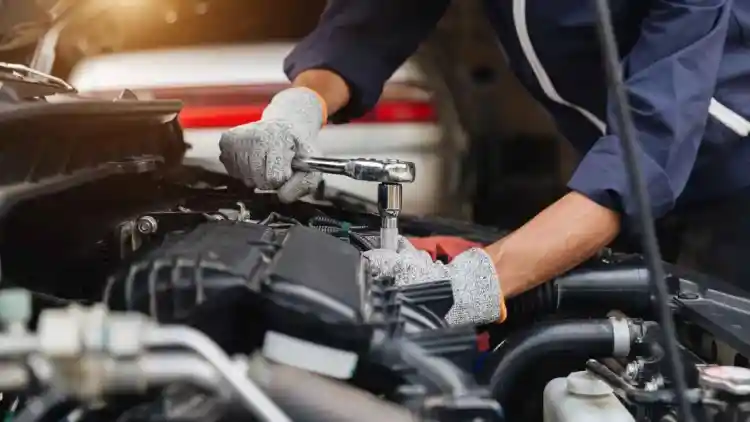

With the rapid rise of electric vehicles in global markets, one of the most common questions drivers ask is: “Do electric cars need an oil change?” Many assume that the absence of a traditional engine means the complete elimination of oils in the vehicle, but the reality is more precise and complex.
Electric vehicles do not contain an internal combustion engine that runs on gasoline or diesel, and therefore they do not require engine oil like traditional cars. However, they still rely on specialized cooling fluids, gear-box lubricants, brake fluid, as well as fluids for heating, air-conditioning, and other sensitive electronic systems.
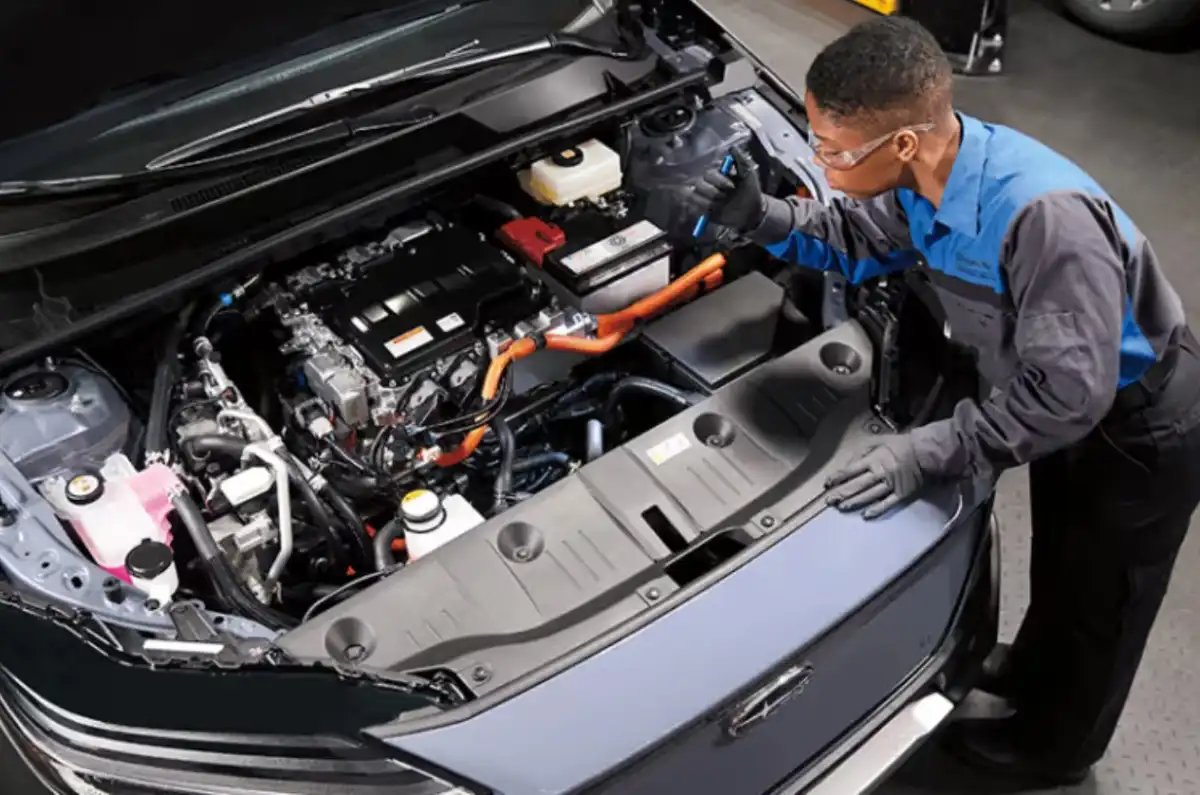
Why don’t electric cars need engine oil?
In gasoline-powered vehicles, operation is based on fuel combustion inside cylinders, with constant movement of mechanical components such as pistons and valves. These components need oil to reduce friction, dissipate heat, and protect the engine from wear. Over time, engine oil degrades due to heat and contaminants, which is why it must be replaced periodically.
In electric cars, the combustion engine is replaced with an electric motor made of coils and magnets, and it contains far fewer moving parts. As a result, it does not require traditional motor oil, nor does it use oil filters or scheduled oil-change routines like gasoline cars.
Although the electric motor itself does not need engine oil, it may still rely on lubricants or greases for certain bearings or drivetrain parts, but these are usually long-life lubricants that are checked and replaced less frequently.
Main fluids used in electric cars
Despite the absence of motor oil, electric cars still depend on several types of fluids to maintain performance, efficiency, and component longevity, including:
Battery and system coolant
Gearbox/transmission oil or fluid (where applicable)
Brake fluid
AC refrigerant and thermal management fluids
Windshield washer fluid
1. Battery Coolant
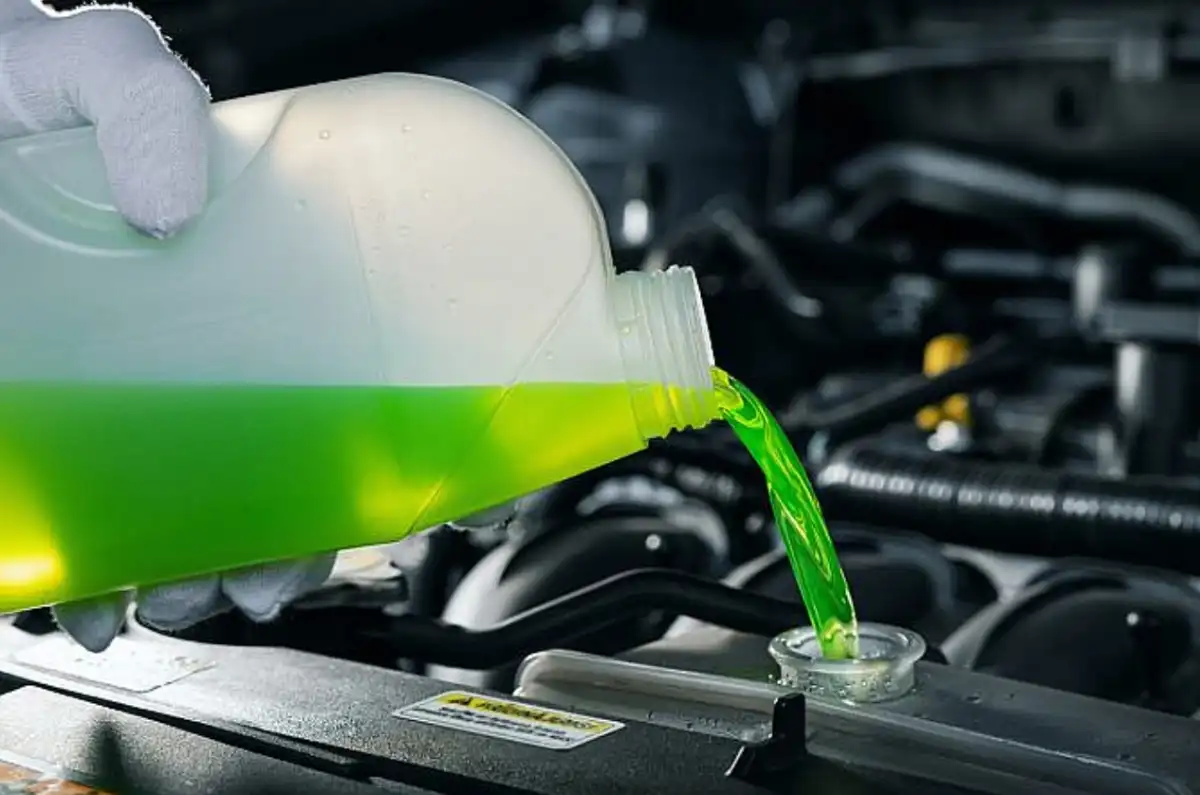
The battery is the heart of the electric vehicle and must operate within a specific temperature range. Many EVs use a liquid cooling system to maintain thermal balance during charging, fast acceleration, and high-power output. This coolant is specially designed to be low-conductive and resistant to high temperatures. It must be checked and replaced based on manufacturer recommendations.
2. Gearbox/Transmission Fluid
Most EVs use a single-speed reduction gearbox instead of a multi-gear transmission, yet lubrication is required to protect gears and reduce heat. This fluid is often labeled "long-life," but manufacturers may require inspection or replacement over extended intervals, especially under heavy use.
3. Brake Fluid
Electric cars feature regenerative braking, which reduces wear on standard brake pads, but the brake fluid itself still absorbs moisture over time and should be replaced periodically to prevent reduced braking efficiency under extreme heat.
4. AC Refrigerant & Thermal System Fluids
In some EVs, the AC system also helps manage battery temperature. Therefore, refrigerant and thermal fluids affect not only cabin comfort but also driving range and energy efficiency. Service should be done at specialized centers.
5. Other Fluids (e.g., windshield washer fluid)
These are similar to conventional cars and can be refilled easily by the owner when needed.
 Electric vs. Traditional Cars — Fluids Comparison
What does this mean for EV owners?
No need for frequent engine oil changes — saving money and time.
However, neglecting other critical fluids (battery coolant, brake fluid, AC refrigerant) may lead to damage.
Following the manufacturer’s maintenance schedule ensures safety, efficiency, and long vehicle life.