
- 1. Check Your Eligibility Before You Start
- 2. Gather All Required Documents
- 3. Create Or Update Your Digital Government Account
- 4. Enroll In A Women’s Driving School
- 5. Complete The Theoretical Training
- 6. Pass The Official Theory Test
- 7. Practical Training: From Basic Control To Real‑World Driving
- 8. The Practical Driving Test: What To Expect
- 9. Paying Fees And Issuing The License
- 10. For Women With A Foreign Driving License
- Preparation Turns The Process Into A Milestone, Not A Stress
For many women in Saudi Arabia, holding a driving license is no longer just a legal right – it is a symbol of independence, practicality, and everyday convenience. Since the ban on women driving was lifted, the process has become more structured, more accessible, and increasingly supported by dedicated women’s driving schools and digital government services. Yet for a first‑time applicant, the steps, documents, and tests can still feel confusing. This guide walks through the process in detail, from the moment you decide to apply until you have the plastic license in your hand, with practical tips to help you pass from the first attempt.
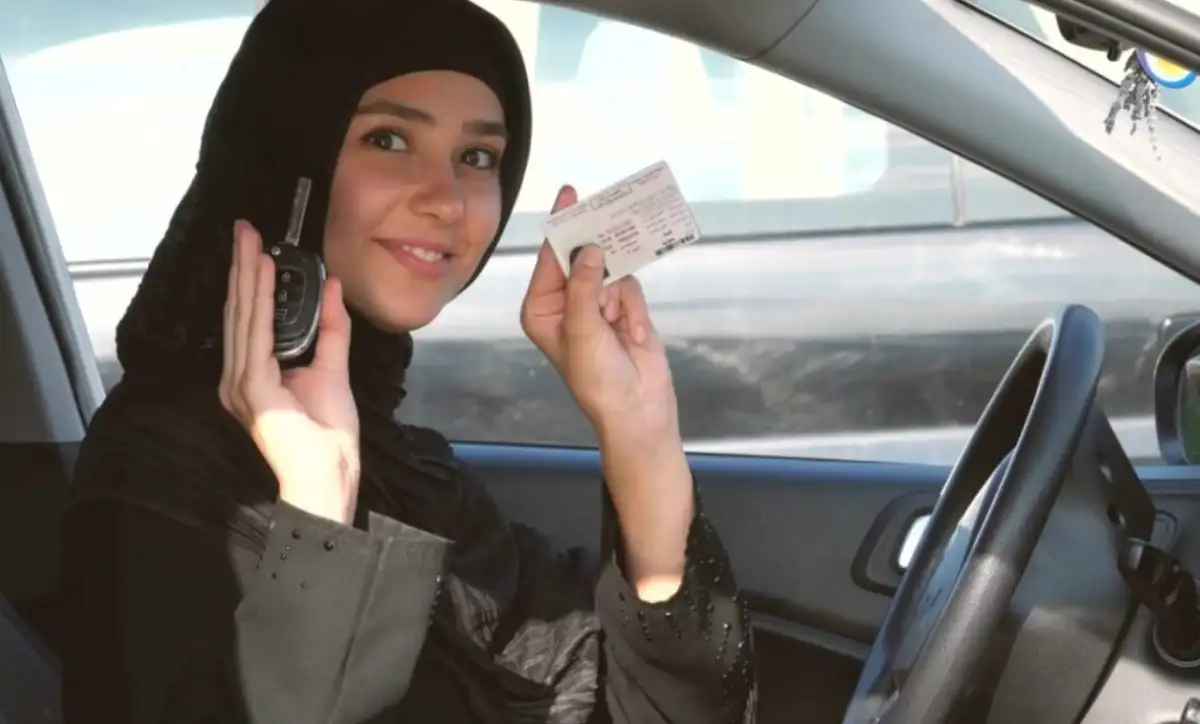
1. Check Your Eligibility Before You Start
Before touching any paperwork or booking a lesson, it is important to confirm that you meet the basic conditions for getting a Saudi driving license as a woman. The core requirements are similar to those for men, with some small differences depending on whether you are a Saudi citizen or an expatriate resident.
Key points to verify:
Age requirement
Provisional licenses for training can usually be obtained from age 17.
A full private driving license is typically available from age 18 and above.
Valid ID and residency
Saudi nationals will need a valid national ID card.
Expat women must have a valid iqama (residence permit) and, in most cases, a valid entry visa if they are new arrivals.
Medical fitness
Applicants must pass a basic medical examination, covering eyesight, general health, and sometimes blood type, to ensure they are fit to drive.
Checking these conditions early saves time and prevents surprises later in the process.
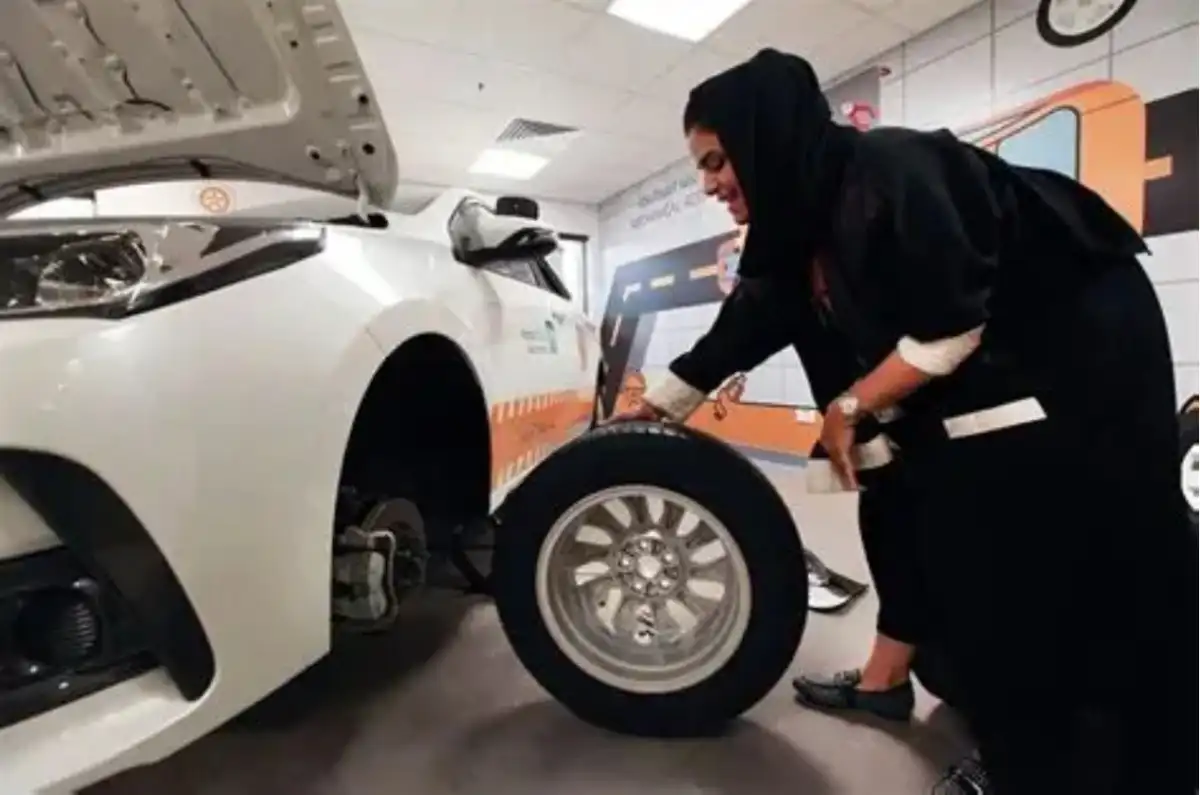
2. Gather All Required Documents
Once you know you are eligible, the next step is to assemble the documents you will need throughout the application. Having everything ready in advance makes online registration and school enrollment much smoother.
Typical documentation includes:
Valid ID (national ID or iqama).
Recent passport‑size photos that meet the specified requirements.
A valid mobile number registered in your name for receiving confirmation codes.
Medical report from an approved clinic or hospital (for eyesight and general fitness).
For expat women, a copy of the residence permit and sometimes a copy of the sponsor’s ID or company letter, depending on school or region requirements.
If you already have a valid foreign driving license from another country, you may also need:
Original foreign license.
Official translation of the license into Arabic or English, if required.
Sometimes a letter or certificate from your home authority confirming validity and issue date.
Keeping both digital copies (PDF/JPEG) and physical originals handy is recommended because you will use both online portals and in‑person visits.
3. Create Or Update Your Digital Government Account
Almost every step in the licensing process now connects to digital government platforms. If you are a resident in Saudi Arabia, you should have an account on the main e‑government portal (often accessed via an app). If not, create one so you can manage appointments and view your driving record later.
Through this account, you can typically:
View and pay government fees.
Book and manage appointments with traffic departments.
See test results and license status once issued.
Making sure your mobile number and email address are up to date in the system is crucial, as this is how you receive one‑time passcodes and appointment confirmations.
4. Enroll In A Women’s Driving School
One of the biggest improvements in recent years is the creation of dedicated driving schools for women in major cities such as Riyadh, Jeddah, Dammam, and others. These schools are often linked to universities or large training centers, and they provide a structured training program that covers both theory and practice.
When choosing a school, consider:
Location and accessibility
Pick a branch that is reasonably close to your home or work to avoid long commutes before and after training sessions.
Training language
Some schools can provide instruction in Arabic and English; others may offer only Arabic. This is important if you are an expat and feel more comfortable in one language.
Training packages and hours
If you are a complete beginner, you will need a full course that includes theory lessons, simulator sessions (where available), and on‑road training.
If you already have driving experience or a foreign license, some schools offer reduced‑hours packages after an assessment test.
Most schools will ask you to create an online account on their platform, upload your documents, and then allow you to choose available time‑slots for your training sessions.
5. Complete The Theoretical Training
The theoretical part of the course is more important than many beginners realize. It is not just about memorizing signs; it teaches safe driving habits, legal responsibilities, and how to react in emergencies.
Typical theory content includes:
Saudi traffic laws and penalty system.
Road signs, markings, and right‑of‑way rules.
Safe following distances, lane discipline, and speed limits in different zones.
Driving etiquette, use of indicators, and merging techniques.
Basic vehicle knowledge: dashboard symbols, basic maintenance checks, and what to do if a warning light appears.
Schools may deliver theory lessons in classrooms, via e‑learning modules, or both. Take advantage of any practice tests or mock exams they provide, as these are usually very similar to the actual official theory test.
6. Pass The Official Theory Test
After your theoretical training, you will need to pass the official theory test. This is usually a computer‑based exam with multiple‑choice questions.
Tips to improve your chances:
Practice repeatedly using any official or school‑provided practice questions.
Pay special attention to questions about signs, right‑of‑way, and penalties – these are very common.
Manage your time; do not spend too long on one question.
You will receive your result immediately or shortly after completing the test. Passing this step allows you to proceed (or continue) with the practical training and eventually book your road test.
7. Practical Training: From Basic Control To Real‑World Driving
Practical training is where you build real confidence behind the wheel. The school will assign an instructor – usually a woman – and a training car equipped with dual controls so the instructor can intervene if needed.
Practical sessions typically cover:
Basic control: starting, stopping, smooth acceleration, gentle braking.
Steering control and correct seating and mirror adjustment.
Parking maneuvers: parallel parking, angle parking, and backing into spaces.
Lane discipline, overtaking rules, and safe lane changes.
Driving in different environments: residential streets, main roads, and sometimes highway segments.
If you are a complete beginner, expect to need the full prescribed number of hours. If you have prior experience, your instructor may recommend fewer hours after observing your skills, but it is usually better to take enough time to feel truly comfortable.
8. The Practical Driving Test: What To Expect
Once your instructor believes you are ready, the school will help you book your official road test with the traffic authority. This test assesses whether you can drive safely and independently in real traffic conditions.
On test day:
You will either use a school car or a designated test vehicle.
The examiner will sit beside you and give directions – often a mix of simple route instructions and specific maneuvers.
You may be asked to:
Start and stop smoothly.
Change lanes safely.
Perform one or more parking maneuvers.
Follow traffic signs and signals correctly.
Examiners typically use a score sheet that lists common errors (such as not checking mirrors, failing to signal, stopping too far into an intersection, etc.). A certain number of small mistakes may be allowed, but serious violations – like running a red light or nearly causing an accident – can lead to an automatic fail.
If you do not pass the first time, do not be discouraged. The system allows retakes after additional training hours. Reviewing the feedback carefully and practicing the weak points with your instructor will significantly improve your performance in the next attempt.
9. Paying Fees And Issuing The License
After passing both the theory and practical tests, you move to the final administrative steps. These usually include:
Paying the license issuance fee for the chosen validity period (for example, 5 or 10 years).
Confirming your personal details in the system (name spelling, ID number, etc.).
Waiting for the license to be printed and issued – either on the spot at the traffic office or available later for collection.
In many cases, your digital driving license will appear first in your e‑government app, which you can show to authorities if needed, while you wait for the physical card.
10. For Women With A Foreign Driving License
If you already hold a valid license from another country, you may be eligible for a simplified process. Depending on your nationality and the type of license, the traffic authority may allow:
Direct conversion of your foreign license to a Saudi one after a brief driving assessment.
A shorter training course instead of the full beginner program.
You will typically need:
Original foreign license.
Official translation if it is not in Arabic or English.
Proof of validity and, in some cases, a minimum period of holding that license.
Check the latest list of countries eligible for direct conversion and any special conditions before assuming you qualify.
Preparation Turns The Process Into A Milestone, Not A Stress
Getting a Saudi driving license as a woman is now a clear, structured process: check your eligibility, prepare your documents, register digitally, train at a dedicated women’s driving school, and complete the theory and practical tests. With proper preparation, realistic training hours, and a calm approach to the exams, the license becomes more than just a plastic card – it marks the start of a new level of independence, mobility, and confidence on Saudi roads.



.webp?x-oss-process=image/format,webp/interlace,1/quality,q_70/resize,w_750)