

- Small Part, Big Safety Impact
- When Should You Replace Your Front Wipers?
- Key signs your wipers are worn
- How Heat and Sun Shorten Wiper Life
- Types of Wipers: Conventional vs Flat
- Simple DIY Wiper Inspection
- Table: Good vs Worn‑Out Wipers
- Tips to Extend Wiper Life
- When Does Delay Become Dangerous?
Small Part, Big Safety Impact
Drivers often focus on tires, brakes, and engine oil when thinking about maintenance, while windshield wipers sit forgotten at the bottom of the list. Yet these thin rubber blades are the first line of defense for clear vision in rain, spray, and dust, and can make the difference between a controlled reaction and a dangerous guess on the road.
When Should You Replace Your Front Wipers?
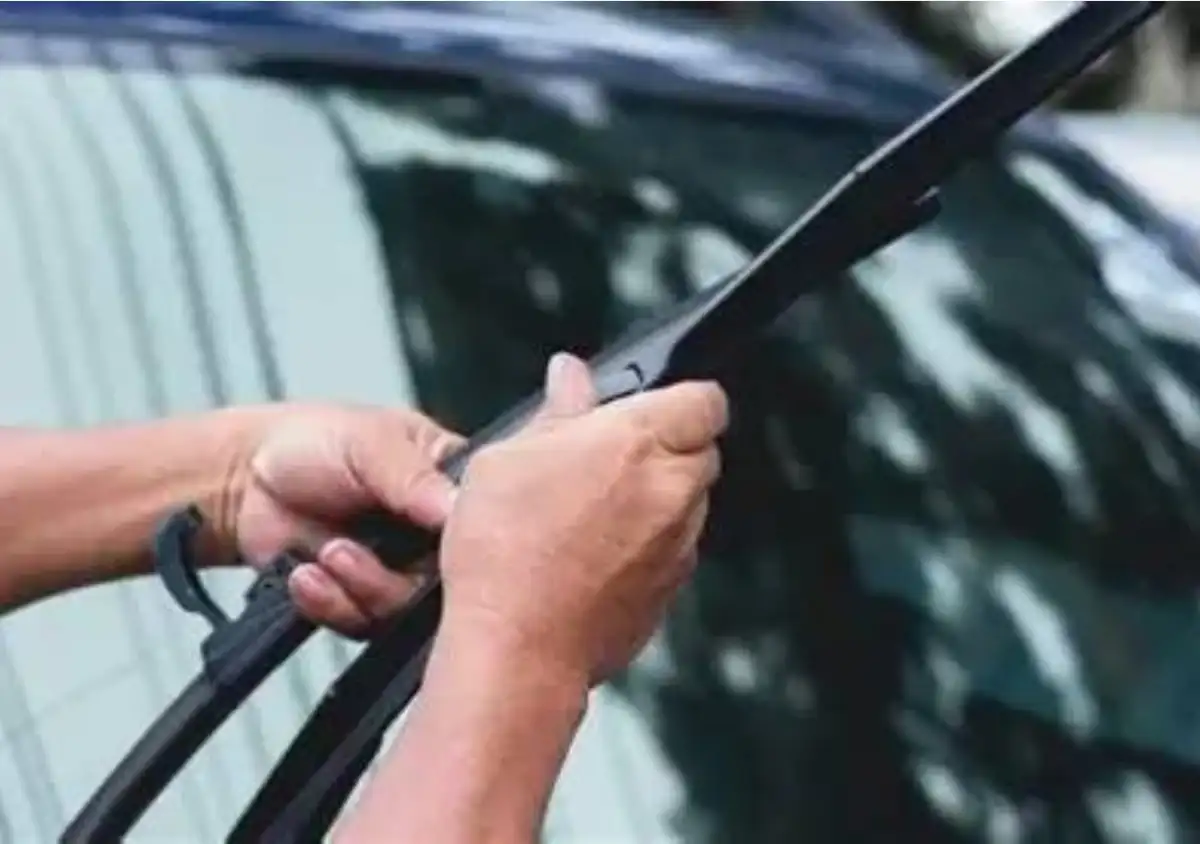
Most maintenance guides suggest replacing front wiper blades every 6–12 months, depending on climate and usage. More important than the calendar, however, are the clear signs that your wipers are no longer cleaning the glass properly.
Key signs your wipers are worn
Streaks or hazy patches remain on the windshield after each wipe instead of a clean sweep.
Squeaking, chattering, or scraping noises every time the wipers move.
Visible vibration or “jumping” of the blade at speed or in heavy rain.
Cracks, hardening, or small tears in the rubber edge when you inspect it by hand.
If you notice one or more of these symptoms, it is time to replace the blades, even if they are less than a year old.
How Heat and Sun Shorten Wiper Life
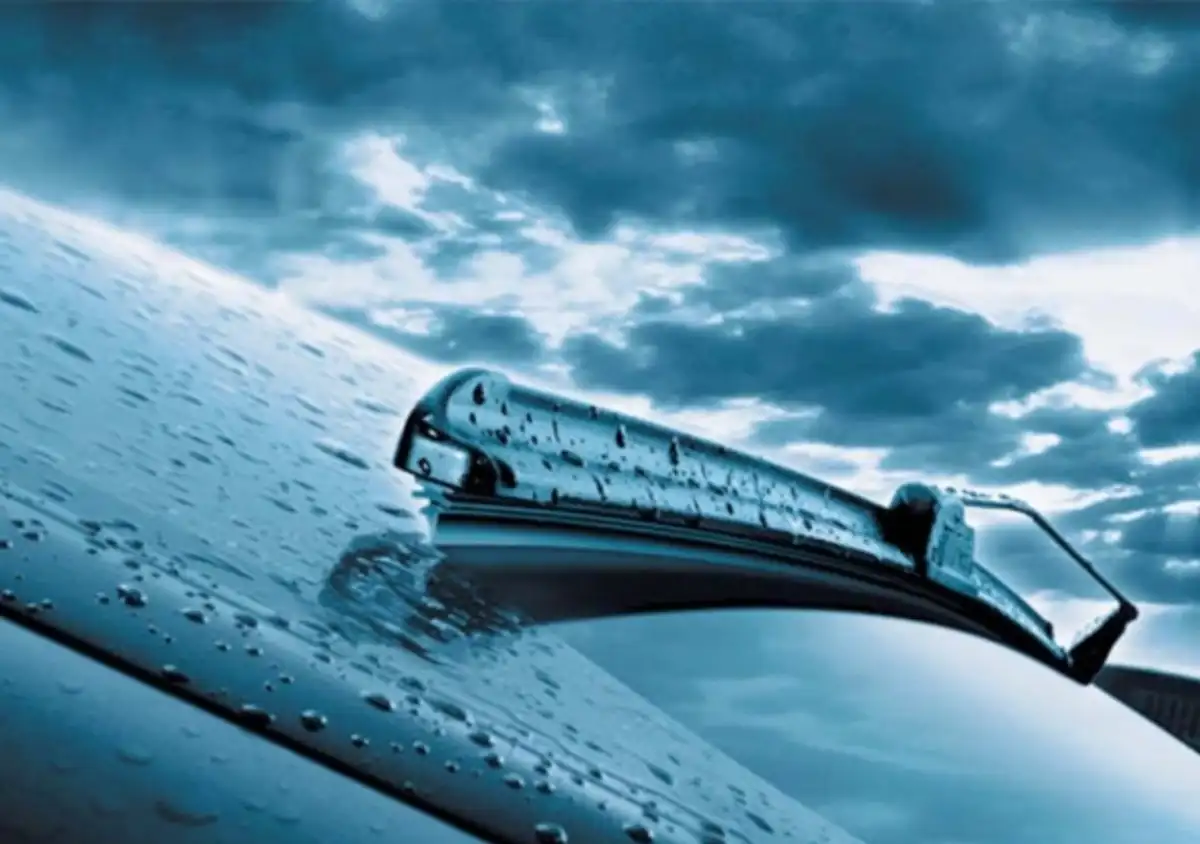
In hot, sunny regions—including large parts of the Middle East—wipers live most of their life baked under direct sunlight and exposed to high temperatures, dust, and fine sand. These conditions quickly dry out the rubber, causing cracks and stiffness, which means wipers there usually last less than they would in cooler climates.
Many technicians therefore recommend replacing wipers right before the rainy season, even if they still look “acceptable” on dry glass, because performance under real rain can be very different. Leaving a cracked blade in place risks not only poor wiping, but also scratches to the glass if the metal structure underneath becomes exposed.
Types of Wipers: Conventional vs Flat
Not all wipers are built the same. Today there are several designs with different performance, durability, and price points:
Conventional (frame‑type) wipers:
Use an exposed metal frame with multiple joints pressing a rubber insert against the glass. They are widely available and usually cheaper.Flat / beam / aero wipers:
Use a single curved body with integrated tension, without an exposed multi‑link frame. They distribute pressure more evenly, stay more stable at high speeds, and offer less drag.
The right choice depends on your budget, car model, and driving conditions, but correct length and good‑quality rubber matter more than anything else, especially in hot climates.
Simple DIY Wiper Inspection
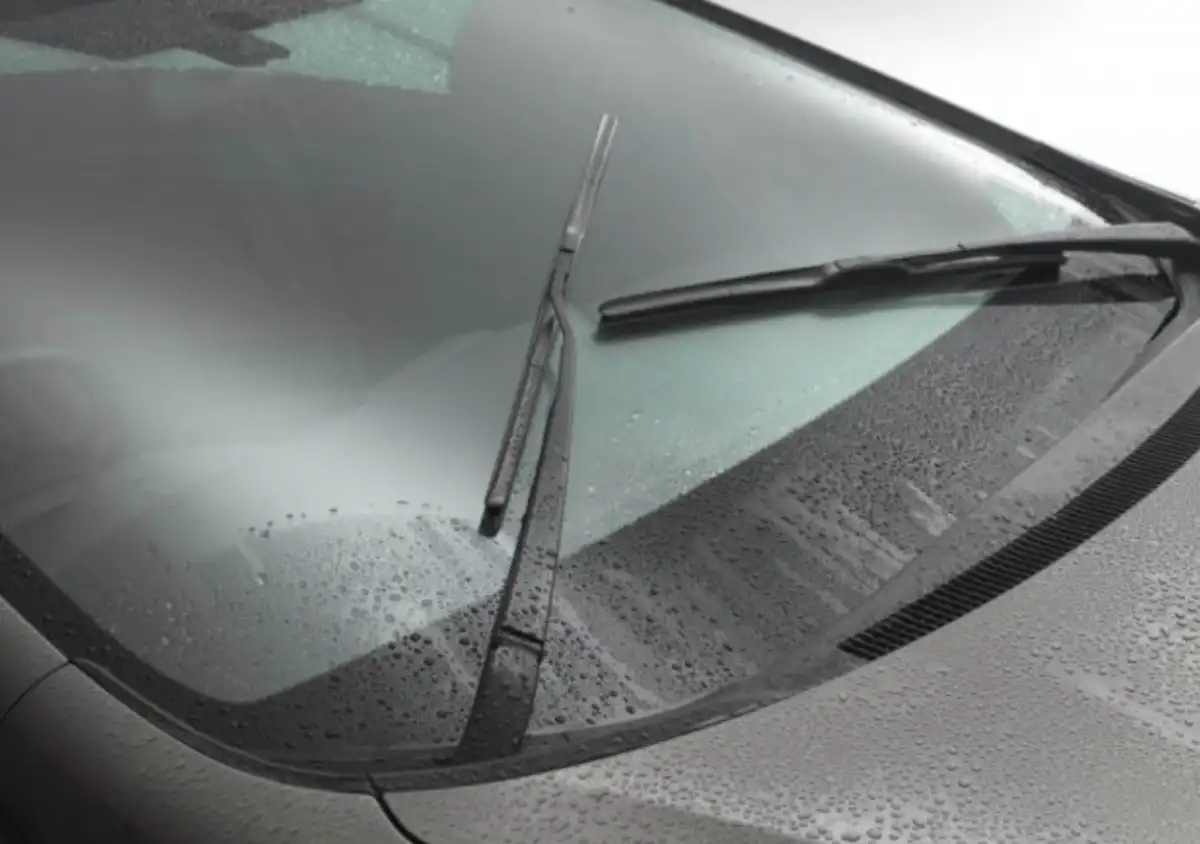
Any driver can perform a quick check on their wipers without visiting a workshop:
Lift each wiper gently off the glass and inspect the full length of the rubber.
Look for visible cracks, flaking, or chunks missing from the edge.
Run a fingertip lightly along the blade to feel if it is still smooth and flexible, not rough or brittle.
Test the wipers on a clean windshield with washer fluid and see if they leave streaks, unclean patches, or heavy misting.
If the wipers fail this simple test, replacing them before the rainy season is a cheap preventive step for a major gain in safety.
Table: Good vs Worn‑Out Wipers
Item | Wipers in good condition | Worn or aged wipers |
|---|---|---|
Wiping pattern | Even, clear sweep with no streaks or haze in the field of view. | Multiple streaks, wet spots, or untouched areas on the glass. |
Noise | Smooth, almost silent operation, light contact noise only. | Loud squeaking, chattering, or jumping over the windshield. |
Rubber condition | Soft, flexible rubber with no cracks or peeling. | Hardened, cracked, or partially torn edges. |
Safety in rain | Excellent visibility and reduced accident risk in rain and spray. | Poor visibility, slower reactions, higher accident risk. |
Time since last change | Less than 6–12 months, depending on climate and use. | More than a year or several rainy seasons with no replacement. |
Tips to Extend Wiper Life
Avoid running the wipers on a completely dry windshield for long periods, as it increases friction and wear.
Periodically wipe the rubber edge with a damp cloth or mild cleaner to remove dust and road film.
Park in the shade or use a cover when possible to reduce UV exposure and heat damage to the rubber.
Use proper washer fluid rather than plain water in dirty or cold environments, to improve cleaning and reduce streaking.
When Does Delay Become Dangerous?
If you constantly need to run your wipers at maximum speed in every shower and still struggle to see clearly, that is a serious warning sign. Continuing to drive with worn blades means knowingly compromising your own safety and that of others, especially at highway speeds or at night when lights and raindrops combine to intensify glare.
The cost of a new pair of blades is tiny compared with the cost of a crash or a scratched windshield, so regular wiper replacement is best seen as a safety investment, not an optional extra.