

- An Arab Name on NASCAR Grids
- From Lebanese Roots to US Race Tracks
- Early Steps on the Ovals
- A Woman in a Male‑Dominated Series
- Key Traits Behind the Wheel
- Media Impact and Fan Connection
- Main Milestones and Talking Points
- Toni Breidinger vs the Traditional NASCAR Driver Profile
An Arab Name on NASCAR Grids
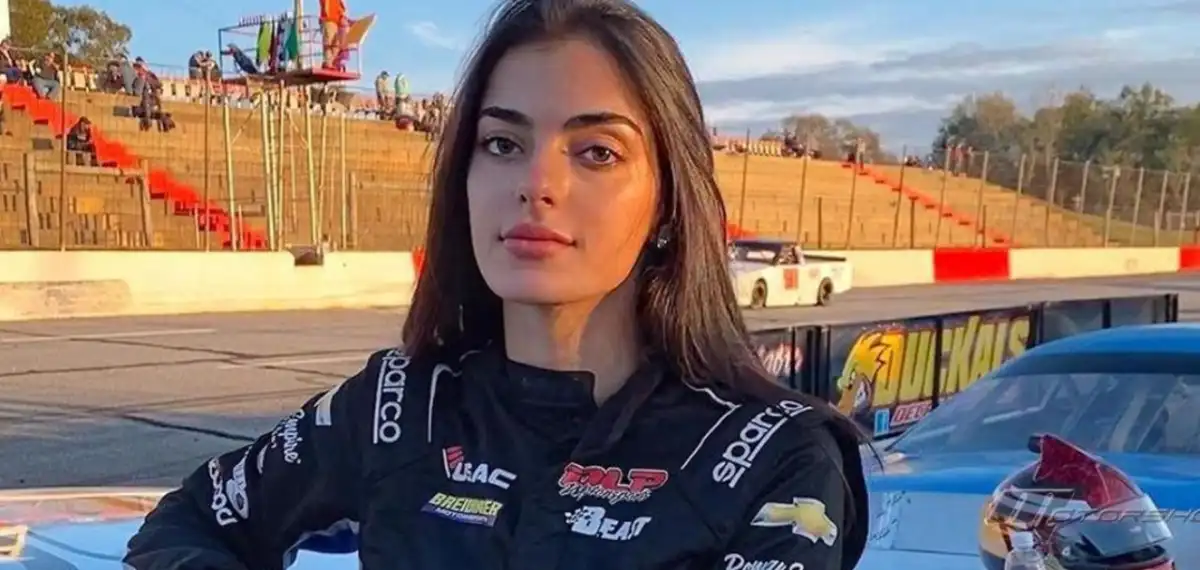
In the world of American stock‑car racing, especially within the NASCAR ecosystem, fans have long been used to seeing male names dominate entry lists and headlines. Against this backdrop, Toni Breidinger stands out as a young driver of Lebanese heritage carrying two battles at once: proving herself as a woman in a male‑dominated series and representing an Arab background in one of the toughest arenas in global motorsport.
From Lebanese Roots to US Race Tracks
Breidinger’s story begins with a family background that includes Lebanese roots, adding a distinctive cultural layer to her presence in American racing. That heritage gives her journey an extra human dimension: she is not only racing for herself, but also symbolically for a new generation of young women from diverse backgrounds stepping into sports where they were rarely visible before.
She grew up drawn to speed and competition, starting out in karting and small race cars at a young age before gradually climbing through the ranks into more serious oval‑track categories. That path is anything but easy: it demands family and financial support, hundreds of hours of practice, and the mental toughness to keep progressing through each step on the ladder leading toward NASCAR‑level racing.
Early Steps on the Ovals
Like most NASCAR drivers, Toni did not arrive in the spotlight overnight. She cut her teeth in lower‑tier series, learning how to control the car on short ovals, understand traffic, read the racing groove, and manage tires, fuel, and pace over long green‑flag runs.
Her driving style blends aggression with discipline: she is willing to defend her line and attack when needed, but also knows when to avoid unnecessary contact and think about the bigger picture of race distance and points. That balance is critical in stock‑car racing, where a single misjudgment can send the car into the wall and end the day in a heartbeat.
A Woman in a Male‑Dominated Series
Women in NASCAR face a double challenge: the inherent difficulty of the sport itself and the weight of expectations, stereotypes, and constant comparison with male competitors. Breidinger chose to be part of the small group of female drivers who stepped into the cockpit instead of staying outside the conversation, turning the simple act of taking the start into a statement in itself.
Her presence on the starting grid is a visible message that speed, courage, and racecraft are not limited by gender when opportunity, seat time, and proper training are available. Every strong run, every improved finish, and every clean, competitive race she delivers opens the door a little wider for young girls who dream of racing at a professional level.
Key Traits Behind the Wheel
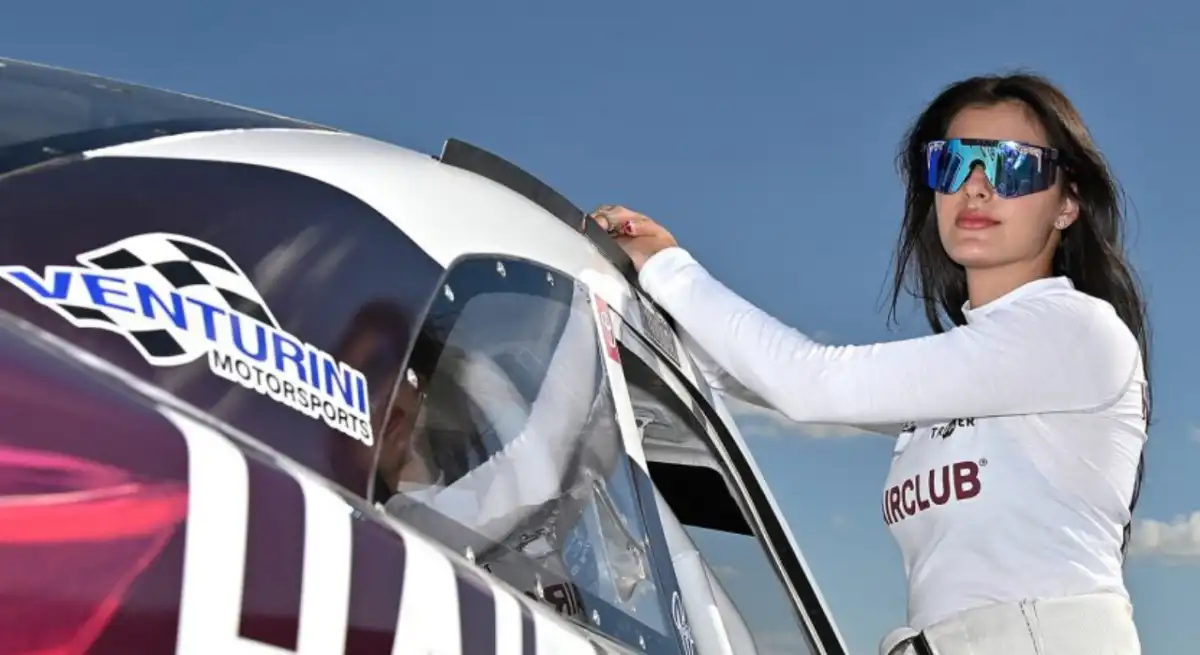
Several strengths often highlighted by observers and race engineers help define Toni’s style on track:
High concentration over long green‑flag runs with relatively few repeated mistakes.
Ability to improve lap times as the race progresses and as she gains confidence in car balance and track evolution.
Tendency to avoid needless incidents early on, while turning more aggressive when it really matters near the end.
Effective communication over the radio with her crew chief and engineer to adjust strategy and setup during cautions and pit stops.
These traits position her less as a short‑term media story and more as a long‑term “project driver” who can grow with the right professional teams and budgets behind her.
Media Impact and Fan Connection
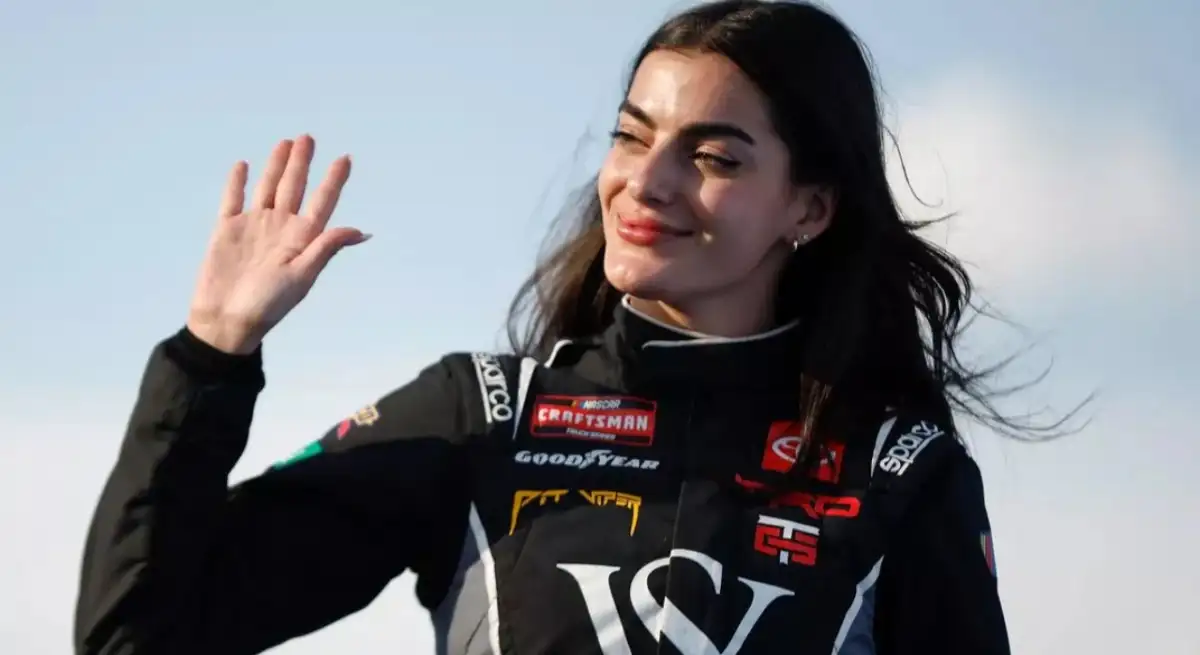
In the age of social media, raw pace is only part of the equation; modern drivers also need to connect with fans and build a personal brand. Breidinger uses her digital presence to give followers a glimpse into her life as a professional racer, from fitness routines and simulator sessions to race‑weekend preparations and post‑race reflections.
This online visibility does more than shape her image; it offers sponsors and teams access to a younger, more diverse audience both inside and outside the United States. For many brands, her story delivers an attractive mix of on‑track performance, female empowerment, and Arab‑heritage representation in a very American motorsport setting.
Main Milestones and Talking Points
A young NASCAR driver of Lebanese heritage competing in a male‑dominated field.
Progressed from karting and grassroots categories into higher‑level oval racing.
Driving style that balances aggression with calculated race management.
A visible role model for girls who want to pursue professional motorsport careers.
Strong social‑media presence that amplifies her value to teams and sponsors.
Toni Breidinger vs the Traditional NASCAR Driver Profile
Toni Breidinger demonstrates that the road to success in NASCAR is not reserved for men, nor limited to one nationality or cultural background. Through persistence, talent, and careful career building, she has earned her place among professional stock‑car drivers while sending a powerful message to young women—especially those from Arab and Middle Eastern families—that the driver’s seat on the starting grid is an achievable goal rather than a distant dream.