
- A crown between a rally icon and a road‑car empire
- Lancia before AWD: beauty and early innovation
- Delta Integrale: when AWD became a rally weapon
- What Lancia really gave AWD
- The Audi Quattro shock: one car that rewrote the rules
- From rally stage to showroom: quattro as a brand within the brand
- Evolution of quattro: from mechanical to intelligent
- Mid‑article fable: a snowy mountain road – Lancia vs Audi
- AWD philosophy – Lancia vs Audi
- 1. Core target of the system
- 2. Breadth and continuity of use
- 3. End‑user experience
- Who really deserves the AWD crown?
- Choosing the criteria
- 1. If “rally legend” is the main metric
- 2. If “road‑car technology and market presence” are the metrics
- 3. A balanced verdict
- Lancia’s legend lives on, but Audi rules today’s AWD world
Choosing between Lancia and Audi as the true “king of AWD” is essentially choosing between a short‑lived rally legend and a long‑term technological empire. Lancia’s name is tied to explosive dominance in world rallying, while Audi turned its quattro system into a long‑running engineering school and a commercial success story across everyday road cars.
A crown between a rally icon and a road‑car empire
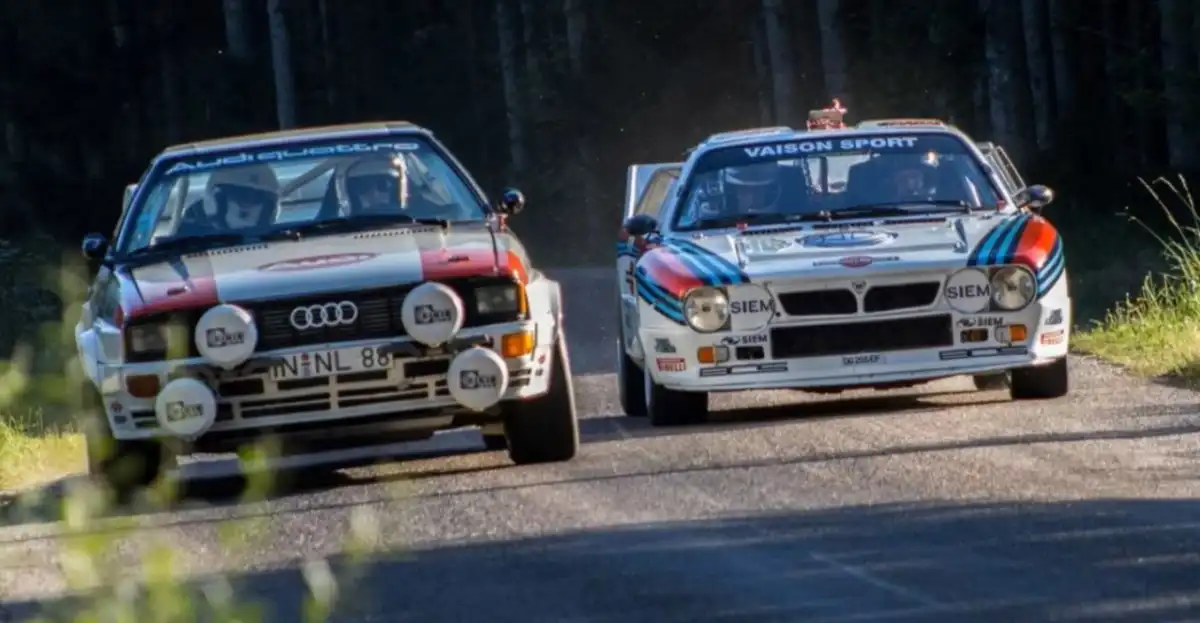
As performance cars evolved in the 1970s and 1980s, all‑wheel drive (AWD) moved from being a tool for off‑road vehicles into a decisive weapon in rallying and, later, a key feature in fast and safe road cars. Lancia and Audi both stood at the heart of this transformation, but each brand chose a very different path.
Lancia tied its reputation to brutal, spectacular rally machines like the Delta Integrale, creating an almost mythical aura before fading from the mainstream market. Audi, by contrast, turned quattro from a Group B weapon into a technical signature rolled out over decades, from family saloons to super‑fast RS models and SUVs.
The question, then, is clear: who really deserves the AWD crown – the maker of a short but blazing legend, or the company that built a lasting AWD dynasty?
Lancia before AWD: beauty and early innovation
Lancia earned early respect through elegant designs and advanced engineering for its time.
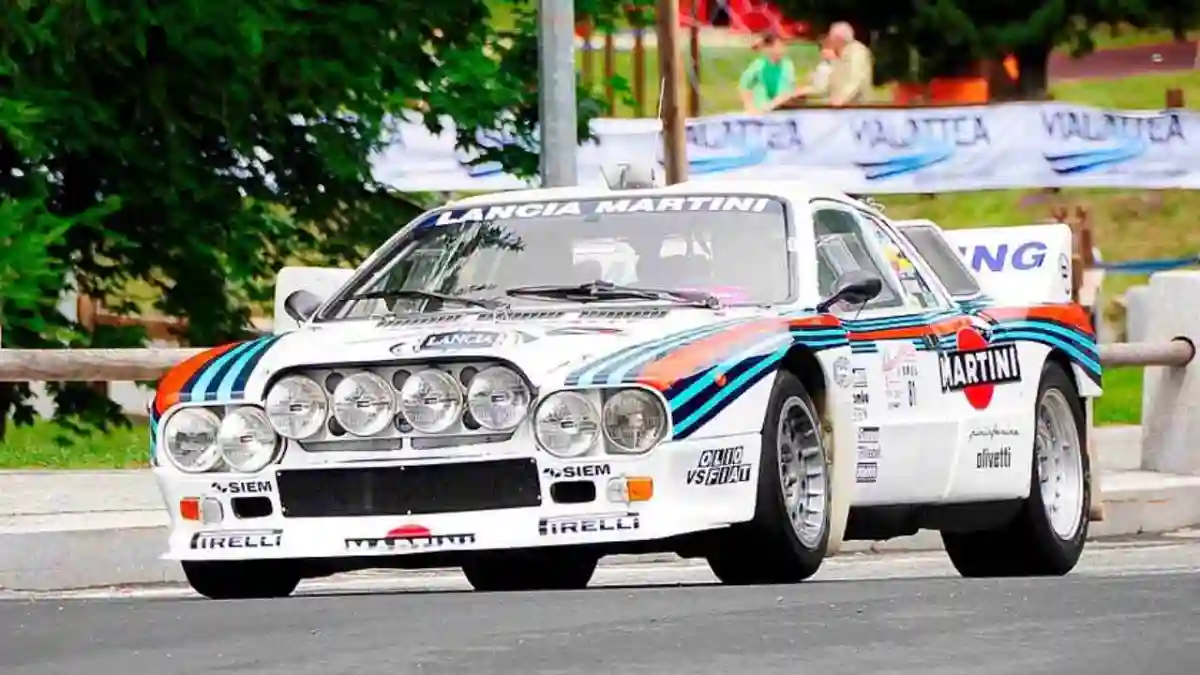
Its real fame, however, exploded with rallying, where names like Stratos and later Delta turned the brand into a symbol of aggression and speed rather than just another Italian carmaker.
Delta Integrale: when AWD became a rally weapon
The Delta HF 4WD and later Integrale and Evoluzione versions transformed a compact hatchback into a Group A monster.
Permanent (or near‑permanent) AWD with smart torque distribution allowed massive turbo power to work on gravel, snow and broken tarmac where two‑wheel‑drive rivals struggled.
Dominance in the World Rally Championship cemented the mental link “AWD = Lancia” for a generation of rally fans.
What Lancia really gave AWD
Proof of concept in rallying
Demonstrated that a compact AWD car could dominate across wildly different surfaces.
Racing first, road second
Road‑legal Deltas felt like rally cars with plates: raw, focused, and biased toward pure performance rather than everyday civility.
A short‑lived halo
The legend is huge among enthusiasts, but there was no long, continuous AWD line in global mass‑market products after Lancia declined.
The Audi Quattro shock: one car that rewrote the rules
In the early 1980s, Audi introduced the original Quattro, moving AWD from slow off‑roaders into fast rally and road machines.
Its centre differential distributed torque between front and rear axles, delivering exceptional grip and stability on loose or slippery surfaces.
In Group B rallying, Audi’s Quattro and later S1 showed how an AWD car could humiliate rear‑wheel‑drive and front‑wheel‑drive rivals on snow and gravel.
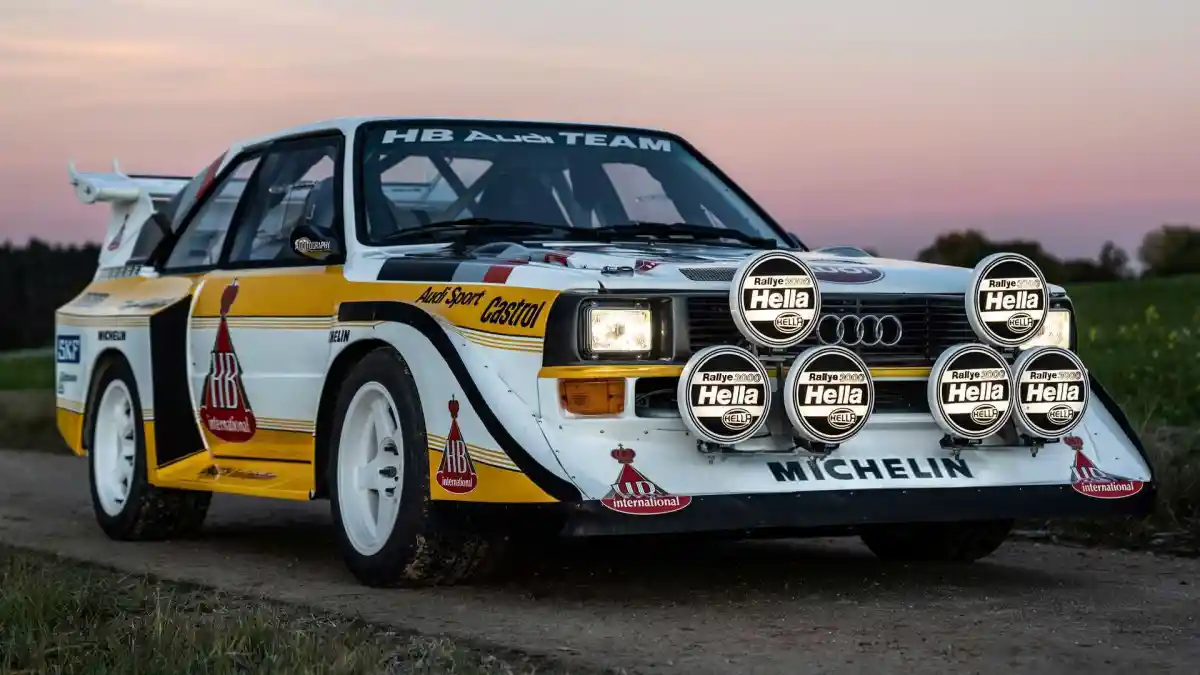
From rally stage to showroom: quattro as a brand within the brand
Unlike Lancia, Audi never treated AWD as a race‑only project; from day one, the idea was to push the same principle into regular production cars.
Over the following decades, quattro appeared in:
Mainstream saloons (A4, A6).
Performance models (S4, S6, RS variants).
Crossovers and SUVs (Q5, Q7, Q8).
“quattro” became almost a sub‑brand; for many customers, “Audi” and “all‑wheel drive” are practically synonymous.
Evolution of quattro: from mechanical to intelligent
Early systems relied on purely mechanical centre differentials.
Later generations used Torsen diffs, then electronically controlled multi‑plate clutches, tightly integrated with stability control and torque vectoring.
In modern performance Audis, quattro is part of a broader handling package, with active distribution of torque between wheels and multiple drive modes controlled from the cabin.
Mid‑article fable: a snowy mountain road – Lancia vs Audi
Imagine a snowy European mountain pass on a winter night, a thin layer of ice on the tarmac:
Driver one is in an ageing Lancia Delta Integrale: turbo engine, raw boost noises, mechanical differentials, almost no electronic safety net. The car demands constant steering corrections, throttle sensitivity and real rally‑level skill to stay fast and safe.
Driver two is in a modern Audi RS4 with the latest quattro: active rear differential, stability systems and configurable drive modes. One button sets “Dynamic”; the car quietly reallocates torque, trimming slides and maximising traction with minimal driver drama.
The Lancia gives you a battle with the road; you win only if you’re truly talented. The Audi offers a partnership; its systems help you extract speed consistently, lap after lap. That contrast captures the difference between a pure racing legend and a mature, everyday AWD philosophy.
AWD philosophy – Lancia vs Audi

1. Core target of the system
Lancia
Priority: outright performance on rally stages with violently changing surfaces.
Goal: get as much turbo power to the ground as possible on gravel, snow and broken tarmac.
Audi
Priority: blend performance with year‑round safety on public roads.
Goal: provide secure traction in rain, snow and at high motorway speeds, without sacrificing refinement.
2. Breadth and continuity of use
Lancia
AWD concentrated in a small set of iconic models and a specific rally period.
Development effectively stopped in mainstream products when the brand retreated from global markets.
Audi
AWD rolled out across a large proportion of the range over four-plus decades.
Continuous investment and adaptation, including to crossovers and, more recently, electrified and electric models.
3. End‑user experience
Lancia
AWD feels like a rally car’s drivetrain brought to the street: sharp, communicative, and at times demanding.
Today, these cars are cherished by collectors and hardcore drivers, less so as daily transport.
Audi
AWD is built into everyday life: from wet car parks to high‑speed motorway runs, it quietly adds confidence.
Most owners only notice it clearly when it saves a slide or makes a tricky low‑grip hill start feel ordinary.
Who really deserves the AWD crown?
Choosing the criteria
To answer “who is the king of AWD?”, we need to decide what matters most:
Impact on rallying and motorsport.
Continuity and depth of development in road cars.
Commercial reach and number of AWD vehicles on the road.
Public perception: which name people instinctively link to AWD.
1. If “rally legend” is the main metric
Lancia, with its Delta Integrale era and world rally dominance, wins easily in the hearts of rally fans.
Its image is that of a short‑lived supernova: it appeared, changed the sport, then faded.
2. If “road‑car technology and market presence” are the metrics
Audi clearly leads:
Continuous evolution of quattro for over forty years.
Massive deployment across multiple segments and generations.
Strong global awareness: for many drivers, quattro is the reference name for road‑car AWD.
3. A balanced verdict
It is fair to say:
Lancia is the “rally AWD legend”.
Audi is the “everyday AWD monarch” on public roads.
Since most drivers experience AWD in normal traffic rather than closed rally stages, the practical crown – in terms of influence and relevance today – sits on Audi’s head.
Lancia’s legend lives on, but Audi rules today’s AWD world
Lancia gave all‑wheel drive a magical aura in competition, proving that a compact AWD car could dominate utterly hostile terrains and conditions. Audi took that spark and built it into a coherent, evolving drivetrain philosophy, refining and spreading quattro across millions of road cars.
If “king” is defined as the brand that left the deepest, longest‑lasting mark on how everyday drivers understand and use AWD, Audi now holds the crown thanks to quattro and its continuous evolution. Lancia remains the romantic chapter – a golden page in the history of all‑wheel drive – but the living AWD empire on today’s roads belongs to Audi.