
- Why bad storage can quietly destroy a good tire
- The ideal storage location: four conditions to check
- What you should do
- What you must avoid
- Preparing the tire before storage: cleaning, drying, and sealing
- Basic preparation steps
- What about tire shine and dressings?
- Bagging and sealing: are plastic bags really worth it?
- Why bagging helps
- How to bag correctly
- Storing mounted tires (on wheels)
- Step one: set the air pressure
- Best positions for mounted tires
- Storing unmounted tires (without wheels)
- Best position
- Stacking horizontally
- What to never do
- Storing a car with the tires on: avoiding flat spots
- Risks of leaving a car sitting
- Practical solutions
- When to swap between summer and winter sets
- Smart storage means longer life and lower costs
Many car owners obsess over choosing the right summer, winter, or track tires, but then ignore a simple question: where do those tires go in the months they’re not in use? Poor storage isn’t a small mistake; it can mean early sidewall cracking, loss of flexibility, flat spots, or even a set of tires that is unsafe to use next season.
This guide is for anyone who owns an extra set of tires (winter/summer/track) or parks a car for long periods and wants a clear, practical method to store tires for several months to a year or more without damaging them.
Why bad storage can quietly destroy a good tire
Before getting into practical steps, it helps to understand what actually harms a tire in storage:
Rubber is a “living” material that reacts to heat, UV light, ozone, and long-term moisture.
Incorrect pressure or storage position can deform the internal structure or create flat spots that cause vibration when you drive again.
Exposure to heat sources or chemicals (oils, solvents, greases) accelerates aging and weakens the compound.
In short, storing tires in the wrong place can effectively cut their life in half, even if the tread is still deep and mileage is low.
The ideal storage location: four conditions to check
When you ask “Where do I put my tires?”, think about four factors: temperature, light, humidity, and the surrounding environment.
What you should do
Choose an indoor, enclosed space whenever possible:
Home garage, storage room, utility room, or a clean, dry storeroom.
Make sure the place is:
Moderately cool (no extreme heat or sharp swings in temperature).
Dry, away from leaks, damp patches, or standing water.
Dark or at least shielded from direct sunlight.
What you must avoid
Outdoor storage in the open or under partial covers, even if the tires are wrapped.
Keeping tires close to:
Water heaters, space heaters, furnaces, ovens, generators, battery chargers, or welding equipment.
Leaving tires in direct contact for long periods with:
Bare asphalt, bare concrete, sand, or snow, because these surfaces retain heat and moisture and speed up degradation.
Using wooden boards, metal racks, or another insulating layer under the tires goes a long way toward isolating them from cold and damp floors.
Preparing the tire before storage: cleaning, drying, and sealing
Before you slide a tire into a corner or onto a rack, it needs to be prepared for its “hibernation.”
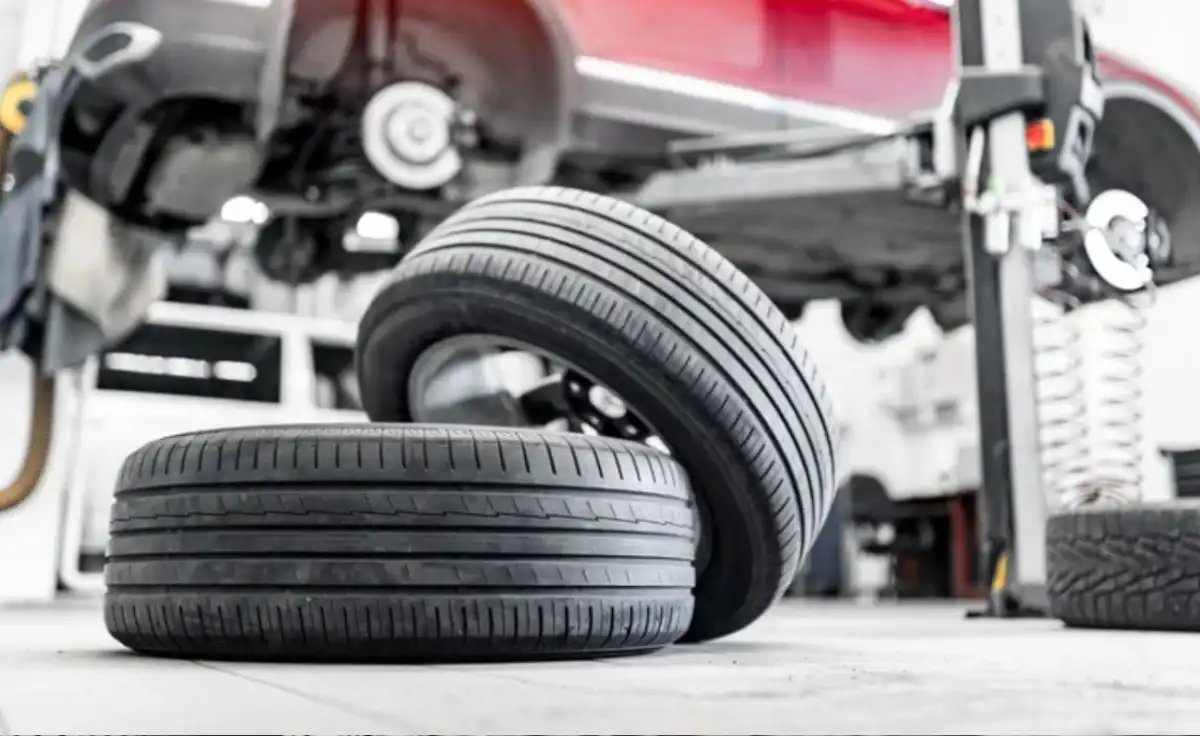
Basic preparation steps
Wash the tire (and the wheel, if mounted) with mild soap and water:
Use a sponge or soft brush to remove dirt, dust, and mud from tread and sidewalls.
Remove stubborn contamination if present:
Tar, asphalt residue, or tree sap should be taken off with a suitable tire/wheel cleaner.
Rinse thoroughly with clean water to ensure no cleaner remains on the surface.
Dry the tire completely:
Use a microfiber towel, then leave it briefly in a shaded area so all moisture evaporates from grooves and bead area.
What about tire shine and dressings?
Many experts recommend not applying tire dressing before long-term storage.
Reasons include:
Modern tires already contain anti-ozonant chemicals in the compound to protect themselves.
Some dressings offer little real storage protection and may attract dust or contribute to brown “blooming” on the sidewalls.
Bottom line: clean and dry matters far more than shiny when you’re putting tires away for months.
Bagging and sealing: are plastic bags really worth it?
Putting each tire in a large plastic bag (like garden or yard bags) is a simple step that brings real benefits.
Why bagging helps
Reduces exposure to oxygen and ozone in the air, slowing aging and surface cracking.
Keeps dust and dirt off the rubber and wheels.
Protects against splashes of water or incidental moisture in the storage space.
How to bag correctly
Place each tire (or wheel-and-tire assembly) in its own bag.
Squeeze or vacuum out as much air from the bag as possible.
Seal the bag tightly with wide tape to keep it closed.
If you don’t have bags, storage is still possible, but you’ll need to be extra careful about cleanliness and environmental exposure.
Storing mounted tires (on wheels)
This is the most common case for people with separate winter/summer sets already mounted on spare wheels.
Step one: set the air pressure
Inflate to around the manufacturer’s recommended pressure before storage.
Avoid parking tires in storage nearly flat; low pressure can increase the risk of deformation at the bead or sidewall.
Best positions for mounted tires
Preferred option: hanging on hooks or wall racks:
Relieves constant load from a single contact patch.
Saves floor space.
Protects wheels from cosmetic damage from stacking.
Acceptable alternative: stacking horizontally (flat):
Keep stacks modest in height—usually three to four wheels high at most.
For white-letter or whitewall tires:
Stack white-facing-white to prevent color transfer, or
Leave each tire in its own bag and then stack.
Hanging is only recommended for tires on wheels; it is not suitable for unmounted tires.
Storing unmounted tires (without wheels)
This situation needs slightly different handling because the tire’s structure is unsupported by a rim.
Best position
Standing upright (vertical/upright storage):
Store tires on their treads, side by side, like books on a shelf.
If they will sit for many months, rotate their position a little every month or two, so they don’t rest on exactly the same spot for the entire period.
Stacking horizontally
Possible, but with care:
Keep stacks low—pairs or small piles rather than tall columns.
Use wood or another barrier between the tires and the floor.
What to never do
Do not hang unmounted tires on hooks or rods:
Their weight will concentrate on a small part of the inner bead, which can distort the shape over time.
Storing a car with the tires on: avoiding flat spots
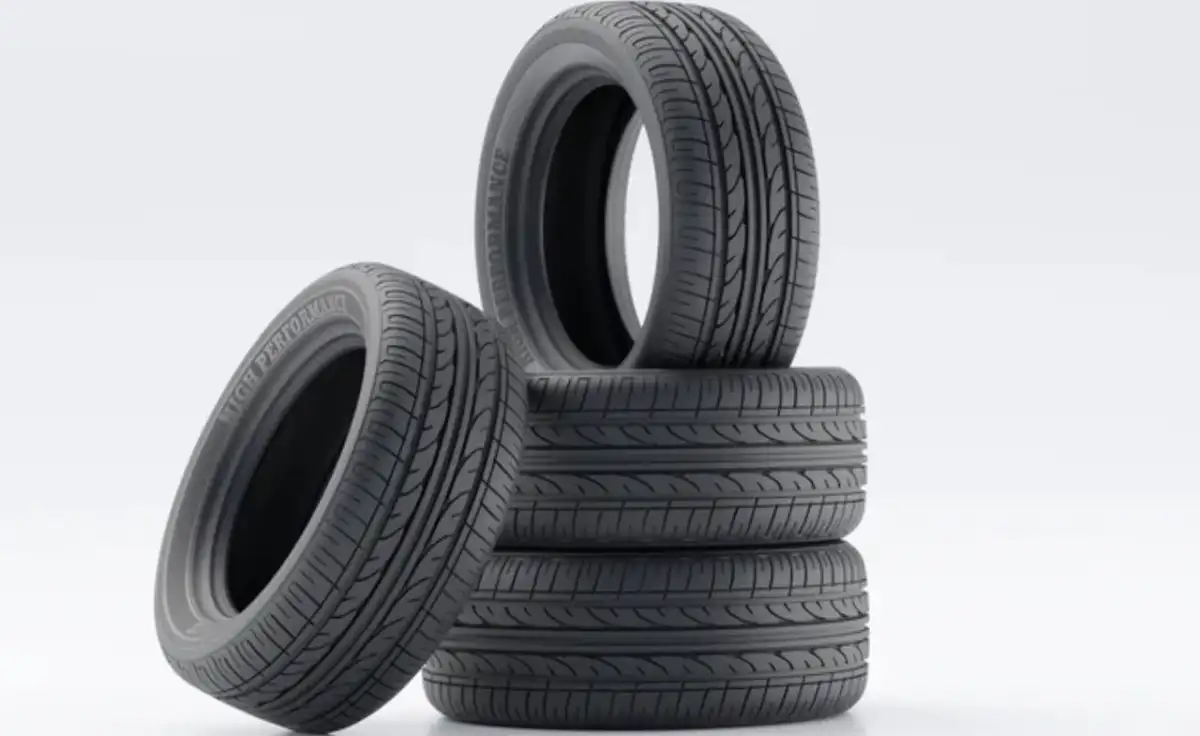
Sometimes you don’t store loose tires at all—you store the entire car for a month or more with the tires still fitted.
Risks of leaving a car sitting
The car’s weight presses on the same section of each tire for weeks or months.
In cold environments and with performance compounds, this can cause a noticeable flat spot, leading to vibration for the first miles when you drive again.
Practical solutions
Use jack stands or wheel cribs to lift the car slightly so the tires aren’t bearing full weight.
If that’s not possible:
Increase pressure slightly within safe limits to stiffen the structure (and remember to reduce it again before driving).
Move the car a little periodically to change the contact patch location if you can.
When to swap between summer and winter sets
Storage is not only about where and how; timing matters as well:
When average daily temperatures are consistently below about 7–8°C (mid‑40s °F), it’s time to take summer tires off and fit winters.
When temperatures climb back above that range for good, refit the summer tires and store the winter set.
This protects tires from running outside their intended temperature window and ensures you’re not storing a set that still should be in active use—or driving a set in the wrong conditions.
Smart storage means longer life and lower costs
Proper tire storage is not a luxury for detail‑obsessed enthusiasts; it’s a straightforward investment in safety, tire life, and the money you’ve already spent on good rubber. An indoor, cool, dry space; thorough cleaning and drying; simple bagging; and choosing the right position depending on whether the tire is mounted or not—these few steps are enough to make a clear difference when you put those tires back on months later.
For drivers who own more than one set (winter/summer/track), smart storage becomes part of the regular maintenance routine, just like oil changes and brake checks, ensuring that each set is ready to deliver maximum grip and comfort in its season without nasty surprises.