
- Exterior design: a sharp sculpture with a grand‑tourer backbone
- Lexus design identity in the post‑spindle‑grille era
- Cabin philosophy: driver‑centric cockpit and “coupe‑lounge” for passengers
- Powertrain approach: between full electric and high‑performance hybrid
- Sound and feel: preserving “soul” in an electric age
- Driving tech and connectivity: a coupe for the screen and AI era
- Where does the Lexus coupe concept sit among competitors?
- Lexus coupe concept philosophy
Lexus has long been associated with luxurious sedans and comfortable SUVs, but its coupes have always been the brand’s boldest expression of design, from the SC to the LC. Now Lexus returns to this segment with a new coupe concept, presented as a forward‑looking vision of what its future sporty‑luxury models could be in the age of electrification and artificial intelligence.
This coupe is not just a styling exercise; it is a statement about where Lexus wants to go in design language, materials, driving experience, and the balance between high performance and sustainability over the coming years.
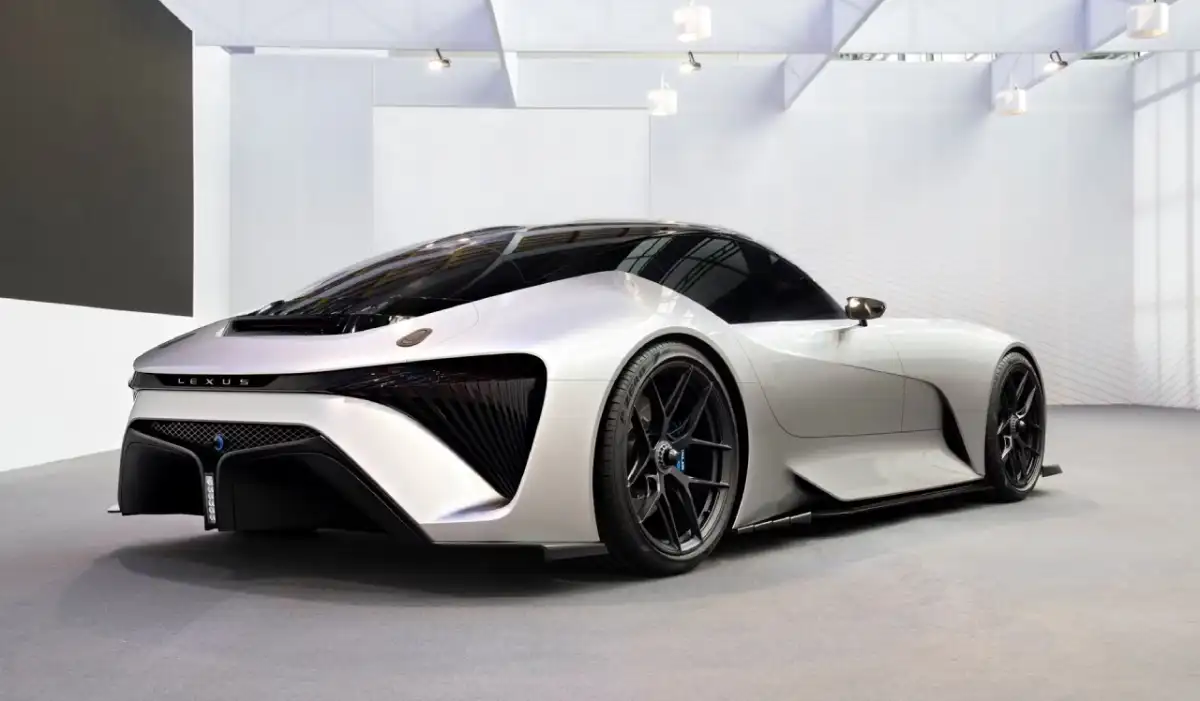
Exterior design: a sharp sculpture with a grand‑tourer backbone
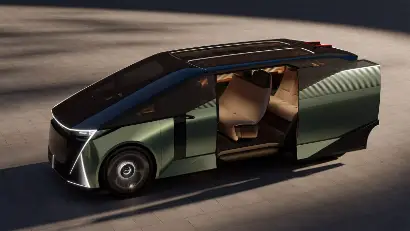
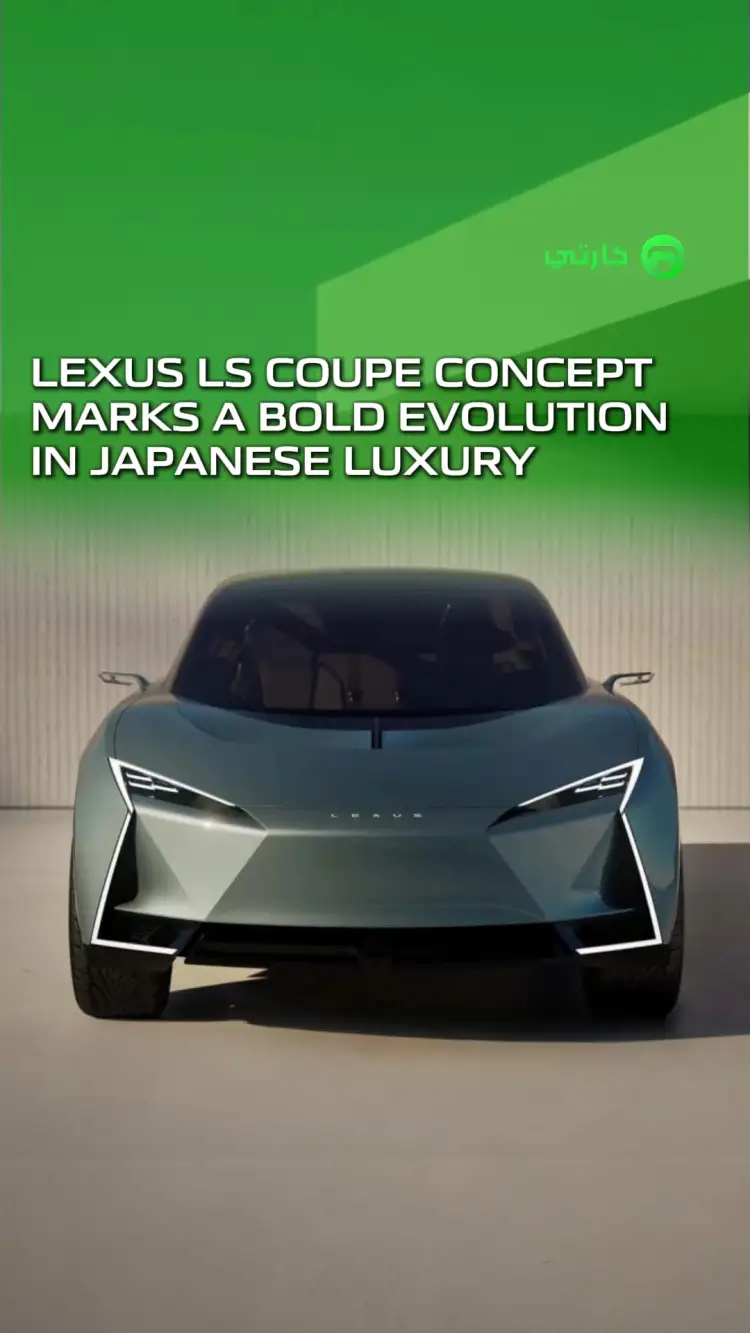
The Lexus coupe concept comes with taut, sharply drawn lines, yet it still leans more toward an elegant grand tourer than a pure track car. Its presence on the road is defined by several key elements:
A low front end with a long hood that recalls classic GT proportions, yet combined with a futuristic face built around signature LED lighting and intricate geometric surfacing.
A low roofline that flows smoothly toward the rear, giving the car a sleek profile that suggests speed even when it is standing still.
Full, muscular wheel arches filled with large, complexly designed wheels, with the wheels pushed closer to the corners for both visual stability and real‑world dynamics.
These elements position the concept as a bridge between today’s LC and a more radical, fully electric future in terms of stance and proportions.
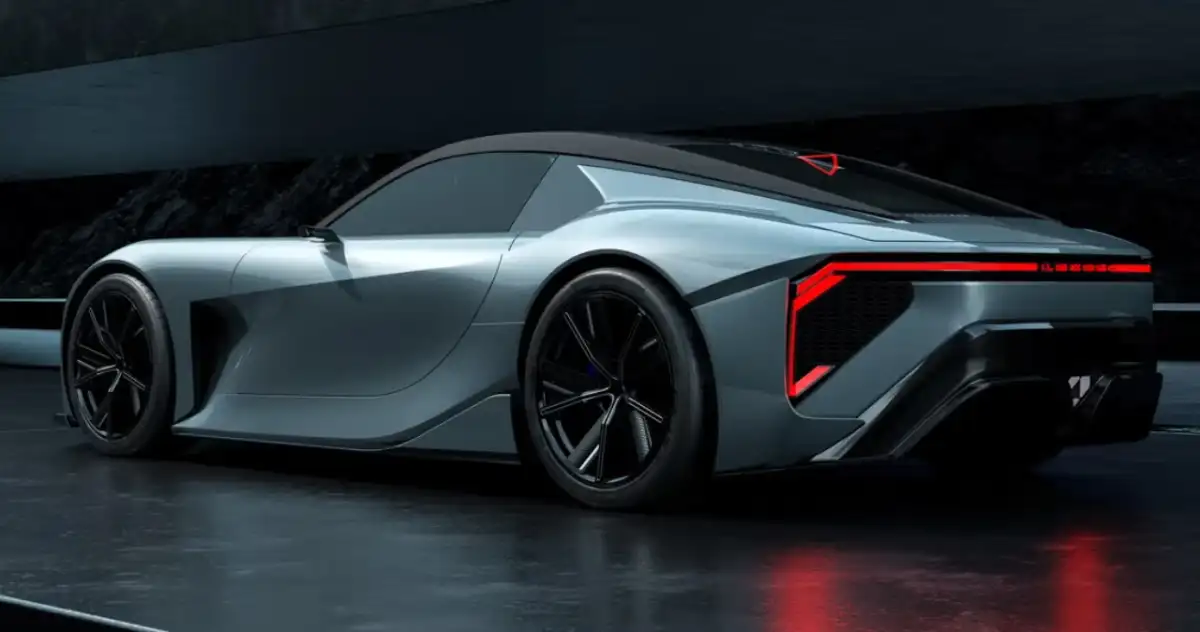
Lexus design identity in the post‑spindle‑grille era
The famous spindle grille has been Lexus’ most recognizable design signature over the past decade. On this coupe concept, that idea evolves into something closer to a “facial panel” or integrated sculpted surface:
Actual cooling openings are reduced because of the lower cooling demands of electric or electrified drivetrains.
The grille transforms into more of a visual and lighting element rather than a large mechanical intake, with emphasis on light signatures and form rather than big openings.
The concept maintains a recognisable “Lexus face” in a way that can be carried into full EVs without feeling like the brand has lost its identity.
In this way Lexus prepares for an era where a traditional grille is no longer a technical necessity, yet the underlying design spirit remains intact.
Cabin philosophy: driver‑centric cockpit and “coupe‑lounge” for passengers
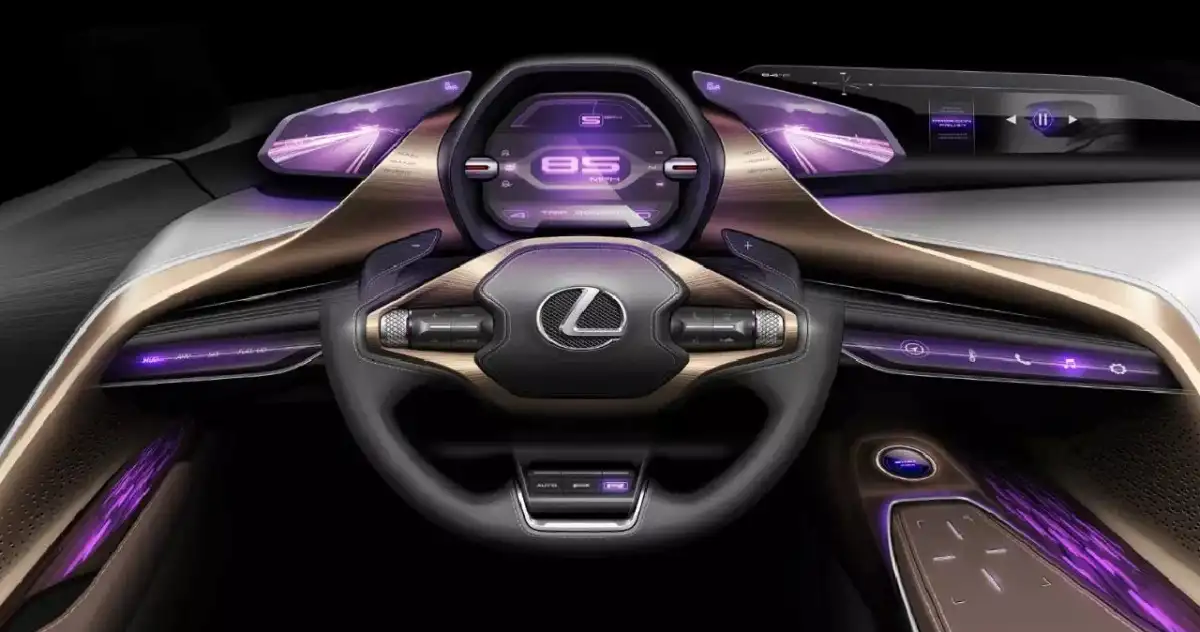
Inside the Lexus coupe concept, it is clear that the primary focus is the driver, without neglecting the experience of the other occupants:
A low, sporty driving position with a supportive seat, a thick steering wheel, and curved displays angled toward the driver to reduce distraction.
Rear seats in a “+2” configuration, suitable for short trips or children, keeping the car in the luxury‑coupe space rather than an extreme two‑seat sports car.
High‑end materials with futuristic touches: fine leather or high‑quality plant‑based alternatives, carbon‑fiber or brushed‑aluminium accents, and ambient lighting that gives the cabin a theatrical, high‑tech feel.
The philosophy is to make the coupe a car you can drive every day and also take on long highway journeys, without losing the sense that you are in something special.
Powertrain approach: between full electric and high‑performance hybrid
Because we are talking about a concept, the door is open to many interpretations, but it makes sense for the Lexus coupe concept to represent one (or a blend) of these directions:
Full battery‑electric (BEV): Electric motors on one or both axles, with a battery pack in the floor, delivering a low centre of gravity and strong off‑the‑line acceleration.
High‑performance plug‑in hybrid (PHEV): Combining a turbocharged four‑ or six‑cylinder petrol engine with a powerful electric motor, providing a mix of traditional engine sound and usable daily electric range.
In both cases, the targets are:
Quick, responsive acceleration without sacrificing Lexus‑typical smoothness.
Seamless power delivery via advanced transmissions or direct electric drive.
Multiple drive modes ranging from a relaxed Comfort setting to a sharper Sport or even Track mode.
Sound and feel: preserving “soul” in an electric age
One of the biggest challenges for an electric grand‑tourer coupe is preserving the emotional connection between driver and car, especially for those who grew up with engines and induction sound. Lexus might address this by:
Using carefully designed, synthetic soundscapes that change with the driving mode (a calm, muted character in the city, and a more present, performance‑oriented tone in spirited driving).
Enhancing feedback through the steering, pedals, and adaptive suspension so that the car does not feel overly isolated from the road.
Creating clearly distinct personalities for each drive mode, so that switching from Comfort to Sport feels like a real transformation, not just a change in ambient lighting colour.
This way the coupe can speak to enthusiasts who care about feedback and involvement, even when cylinders and exhaust notes are no longer the centrepiece.
Driving tech and connectivity: a coupe for the screen and AI era
As a concept, the Lexus coupe serves as a showcase for what future production models could offer in terms of technology:
Advanced driver‑assistance systems: Semi‑autonomous capability on highways, with supervised automatic lane changes and adaptive distance management.
Fully integrated digital interface: High‑resolution screens, a head‑up display (HUD), and deep integration with smartphones and cloud services.
Intelligent voice assistant: Able to understand natural requests such as “find me a fun driving route” or “set a sporty but comfortable setup,” then adjust car settings accordingly.
These features aim to turn the coupe into a “moving digital platform” with a strong personality, rather than just a pretty body over hardware.
Where does the Lexus coupe concept sit among competitors?
With this coupe, Lexus is not only targeting traditional coupes but stepping into a new arena that blends:
Luxury GTs such as the Mercedes‑AMG GT and BMW 8 Series Coupe.
Premium electric performance cars from European, American, and fast‑rising Chinese brands.
What Lexus is likely to bet on:
A distinctive design language that is instantly recognisable from a distance.
A strong reputation for reliability and build quality.
A refined, quiet cabin experience even when performance is high.
Lexus coupe concept philosophy
A future coupe blending grand‑tourer elegance with sharp, Lexus‑signature design cues derived from the LC and the brand’s new styling direction.
Focus on an electric or high‑performance hybrid powertrain, with a low centre of gravity and fast throttle response.
A cabin that puts the driver at the centre of the experience while still ensuring comfort for the front passenger and “+2” rear occupants.
Semi‑autonomous driving tech, advanced digital interfaces, and a smart voice assistant integrated into everyday driving.
A strategic goal: to position Lexus as a Japanese brand capable of delivering an electric/hybrid coupe that competes with Europe in both luxury and performance.
The Lexus coupe concept is not just a sketch brought to life on an auto‑show stand; it is an early spec sheet for what Lexus’ sporty‑luxury cars could look and feel like in the next decade. If the elements of this concept are translated into production form, we could be looking at a coupe that redefines the brand’s image: a car that can cover long distances in true GT comfort yet delivers the instant response and performance expected of the new electric age.
In a market dominated by SUVs and crossovers, a luxury coupe sends an emotional message: that pure driving enjoyment is still at the heart of what Lexus offers, even as everything else transitions from fuel to electrons and from analogue dials to smart screens.