
- What Defines a Good All‑Season Tire for Winter?
- Best All‑Season Tires for Passenger Cars
- Best All‑Season Tires for SUVs
- Best All‑Season Tires for Pickup Trucks
- Best High‑Performance All‑Season Tires
- Quick Comparison Table
- How to Choose the Right All‑Season Tire for 2025
- Winter Safety Tips for All‑Season Tires
Every winter, drivers face the same dilemma: should you invest in a second set of winter tires, or can modern all‑season tires handle the job year‑round? For many people, limited storage space and the inconvenience of changing tires twice a year make “install‑and‑forget” all‑season tires a practical solution.
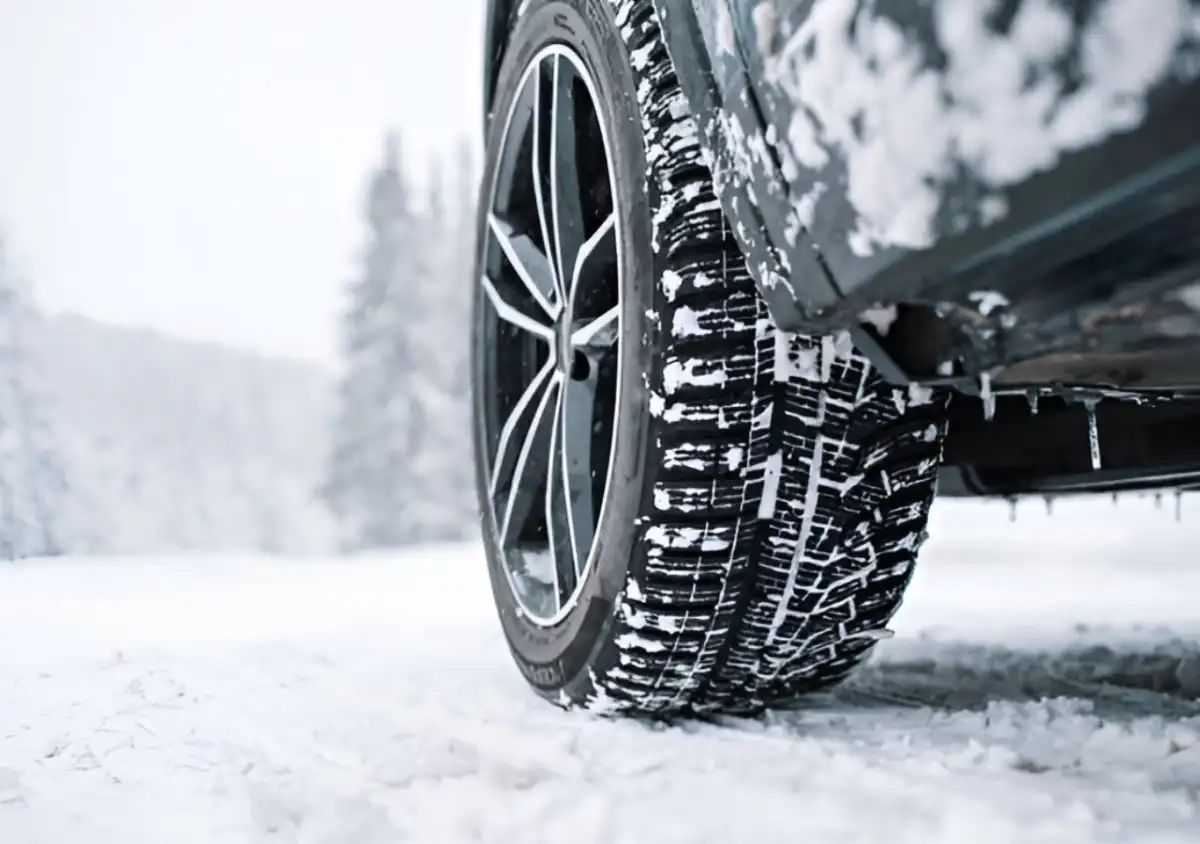
Over the past few years, tire technology has come a long way. Some of today’s premium all‑season tires can deliver impressive traction on snow and ice while maintaining comfort and fuel efficiency on dry or wet roads. This article explores the top all‑season tire options across four major categories — passenger cars, SUVs, pickup trucks, and high‑performance vehicles — highlighting each category’s advantages and limitations to help you choose the right tire for your vehicle and winter habits.
What Defines a Good All‑Season Tire for Winter?
Balanced rubber compound: Soft enough to stay flexible in cold temperatures but durable enough for warm‑weather stability and lower tread wear.
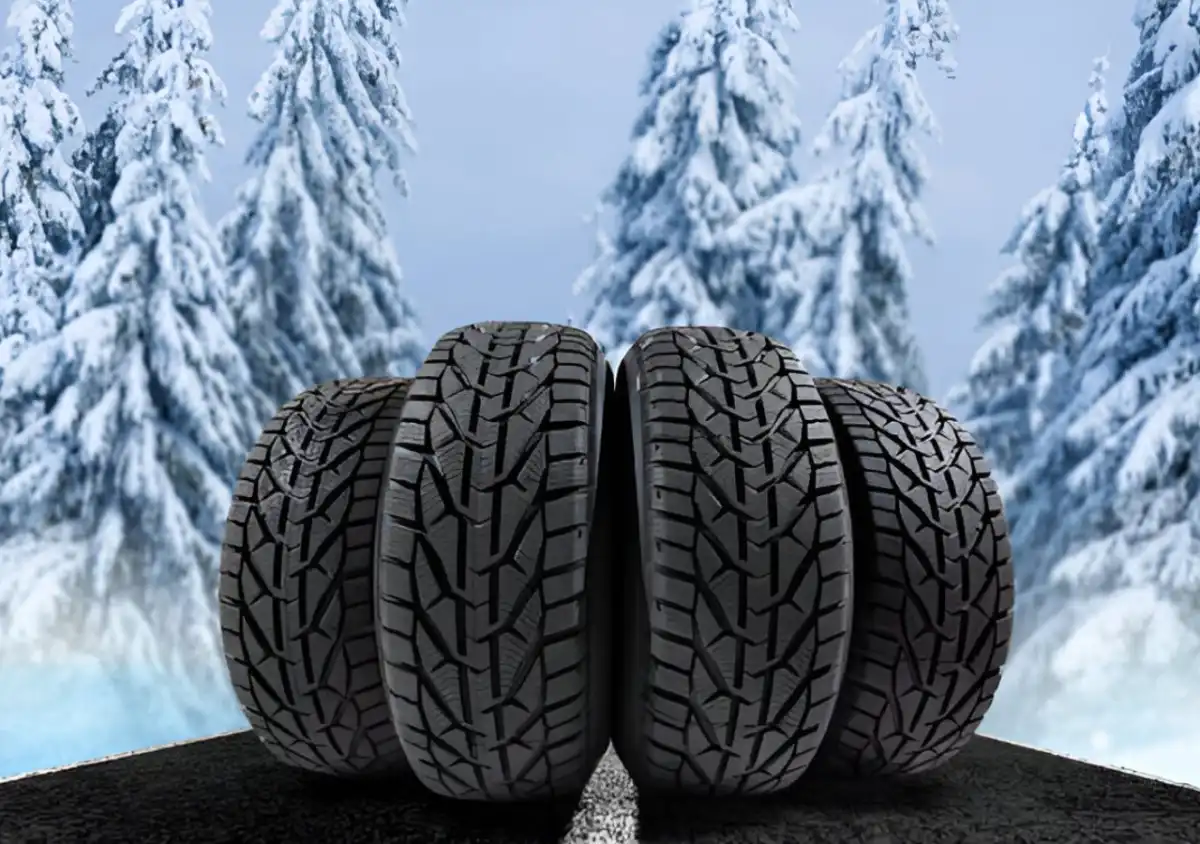
Advanced tread design: Deep grooves and numerous sipes to evacuate water and bite into snow effectively.
Ride comfort and low noise: Designed for smooth performance on both highways and city streets.
Reasonable treadlife: A long‑lasting compound that offers value for money despite higher upfront cost.
Best All‑Season Tires for Passenger Cars
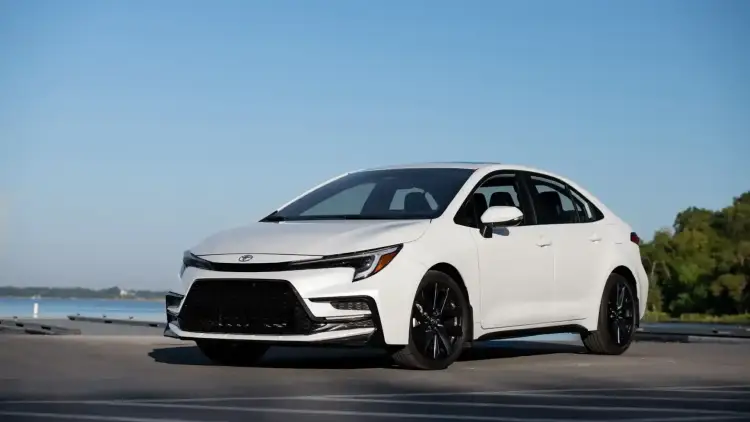
For sedans, hatchbacks, and small crossovers, the ideal winter all‑season tire delivers reliable grip in light snow without compromising comfort or noise levels.
Key factors to consider in this class:
Excellent hydroplaning resistance in heavy rain.
Short braking distances on icy or slushy streets.
Smooth, quiet operation and fuel‑efficient rolling resistance.
Advantages of car‑oriented all‑season tires:
Perfect for areas with light to moderate snowfall.
Provide dependable grip for daily city and highway driving.
Eliminate the need to store and switch between dedicated winter tires.
When to consider dedicated winter tires instead:
In regions with long, extremely cold winters or frequent heavy snowfall, special winter tires still provide superior safety and control.
Best All‑Season Tires for SUVs
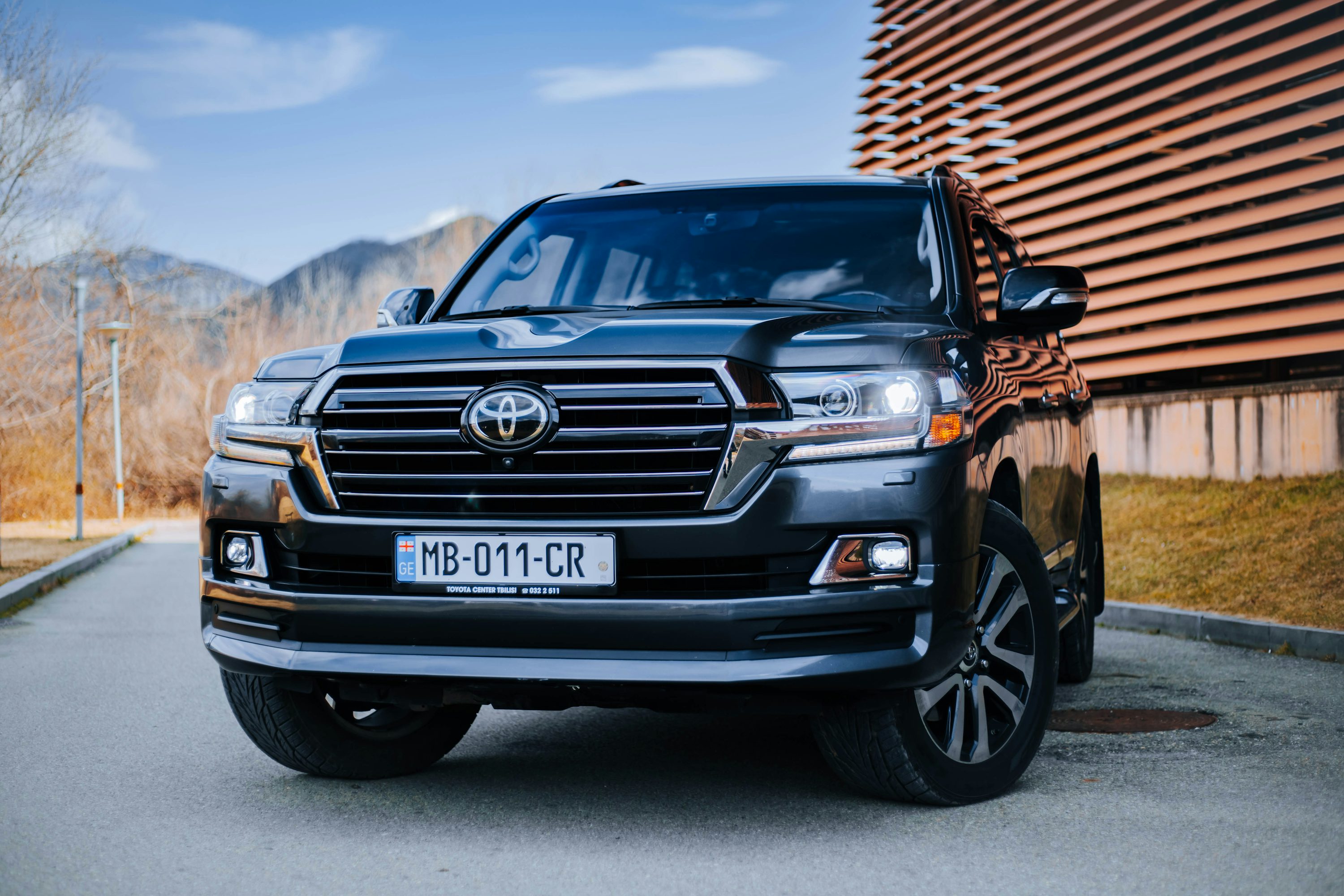
SUVs demand tires that can support higher weights and taller ride heights while maintaining control on slippery surfaces.
Essential features for SUV tires:
Strong sidewalls for improved load capacity and cornering stability.
Excellent handling during sudden lane changes or emergency maneuvers.
Outstanding traction on light snow and wet roads, with minimal interior noise.
Why many SUV owners prefer all‑season tires:
They offer versatility for year‑round use with no seasonal changes.
Premium SUV all‑season tires nearly match winter tires’ traction in moderate conditions while lasting longer, reducing long‑term costs.
Strengths to look for in top SUV all‑season models:
Superb grip on snow and ice.
Confident braking in wet and dry conditions.
Lower road noise than many truck or off‑road tires.
Best All‑Season Tires for Pickup Trucks
Pickup truck owners often juggle multiple driving needs — towing, hauling, commuting, and occasionally light off‑roading. Thus, truck tires must combine durability with decent comfort.
Important selection points:
Load rating: Ensure the tire supports your truck’s GVWR and usage type.
Balanced tread design: Optimized for traction on wet or snowy asphalt while maintaining quiet travel.
Predictable handling: Safe braking and steering whether the bed is loaded or empty.
Advantages of all‑season truck tires in winter:
Balanced performance for light‑duty work and everyday commuting.
Quieter and smoother than aggressive all‑terrain (A/T) tires.
Ideal for drivers who rarely venture off‑road but still face cold, wet winter conditions.
When to upgrade to all‑terrain or winter‑specific tires:
If your truck often operates on unpaved, snowy, or muddy terrain.
If you require maximum traction in severe winter weather.
Best High‑Performance All‑Season Tires
It might seem contradictory to pair “high‑performance” and “all‑season” in one sentence, but technology today allows sports car drivers to enjoy both spirited handling and year‑round usability.
Features that define performance all‑season tires:
Rubber compounds that maintain grip and steering response in colder weather.
Tread designs that enhance wet braking and hydroplaning resistance without losing cornering precision.
Moderate snow traction that keeps the car driveable in light winter conditions.
Ideal users:
Drivers of sporty sedans and performance coupes who want to keep their dynamic handling intact without switching tires every six months.
Motorists who live in regions with mild to moderate cold seasons.
Important notes:
Ride quality may feel firmer than comfort‑biased touring tires.
Fuel efficiency and treadwear can be slightly lower due to higher grip levels.
Quick Comparison Table
How to Choose the Right All‑Season Tire for 2025
Identify your vehicle type: car, SUV, pickup, or performance car.
Evaluate your winter driving conditions: city driving, highway use, or mountainous terrain.
Check local climate trends: occasional snowfall or consistent cold weather.
Compare key performance specs:
Snow/ice traction ratings.
Wet and dry braking distances.
Noise and comfort scores.
Expected treadlife and long‑term durability.
Winter Safety Tips for All‑Season Tires
Even the best all‑season tire can’t replace cautious, smooth driving on icy roads.
Maintain correct tire pressure — underinflation or overinflation reduces grip and shortens life.
Regularly check tread depth; worn tires lose efficiency on snow and slush.
Remember: tires are a part of your overall safety system, which also depends on brakes, traction controls, and your driving behavior.
Modern all‑season tires strike a practical balance between comfort, safety, and cost efficiency in changing climates. With dedicated versions for cars, SUVs, pickups, and performance vehicles, every driver can find a reliable year‑round tire without the hassle of seasonal swaps.
The key is understanding your priorities — whether that’s longevity, quietness, or snow performance — and using trusted test data from reputable organizations when purchasing. Choose wisely, and the right all‑season tire will reward you with safe, confident, and enjoyable winter driving throughout 2025 and beyond, no tire change required.