

- Why Modern Cars Are a Security Concern
- What Specifically Triggered the European Debate
- Poland as a Case Study
- Not an Isolated European Position
- Why Chinese Cars Are Under Particular Scrutiny
- Potential Impact on the Automotive Industry
- Economic and Diplomatic Implications
- The Bigger Picture: Cars as Strategic Technology
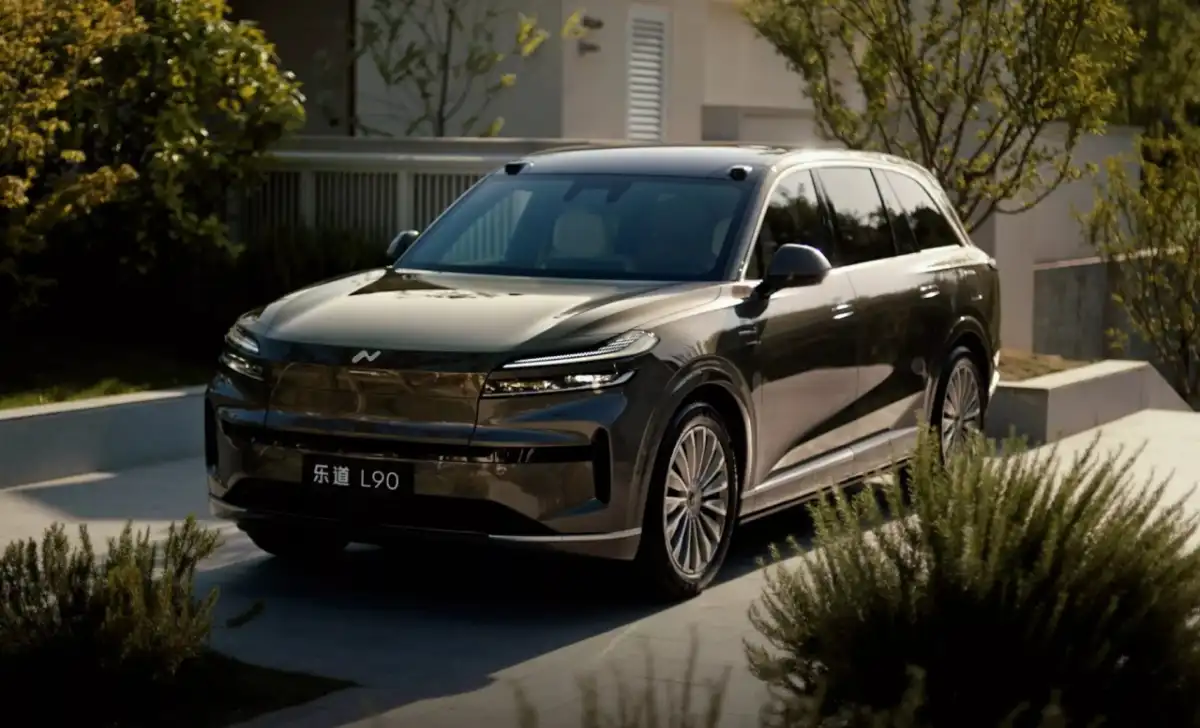
European governments are increasingly reassessing how modern vehicle technology intersects with national security. As cars evolve into highly connected digital platforms, concerns are emerging that certain features—such as cameras, sensors, microphones, and constant internet connectivity—may create unintended security vulnerabilities. Within this context, Chinese-made vehicles have become the center of renewed scrutiny.
The discussion does not revolve around traditional automotive concerns like safety ratings or emissions compliance. Instead, it reflects a broader shift in perception: cars are no longer viewed solely as mechanical products, but as mobile data-collection systems capable of recording, storing, and transmitting information. When such vehicles operate near military bases or sensitive infrastructure, governments are beginning to ask whether the risks outweigh the benefits.
This debate has gained momentum in Europe, where geopolitical tensions, technological sovereignty, and defense readiness are increasingly intertwined.
Why Modern Cars Are a Security Concern
Modern vehicles rely on an expanding array of digital technologies, including:
Multiple high-resolution exterior and interior cameras
Radar, lidar, and ultrasonic sensors
GPS tracking and location services
Always-on cellular connectivity
Over-the-air software update systems
These systems are designed to improve safety, navigation, and user experience. However, from a security perspective, they also create continuous streams of data that could theoretically be accessed, stored, or transmitted beyond the driver’s control.
Security experts argue that when vehicles equipped with such technologies enter restricted areas—particularly military or defense-related zones—the potential exists for sensitive information to be captured, even unintentionally.
What Specifically Triggered the European Debate
The current discussion was triggered not by a single incident, but by a convergence of factors:
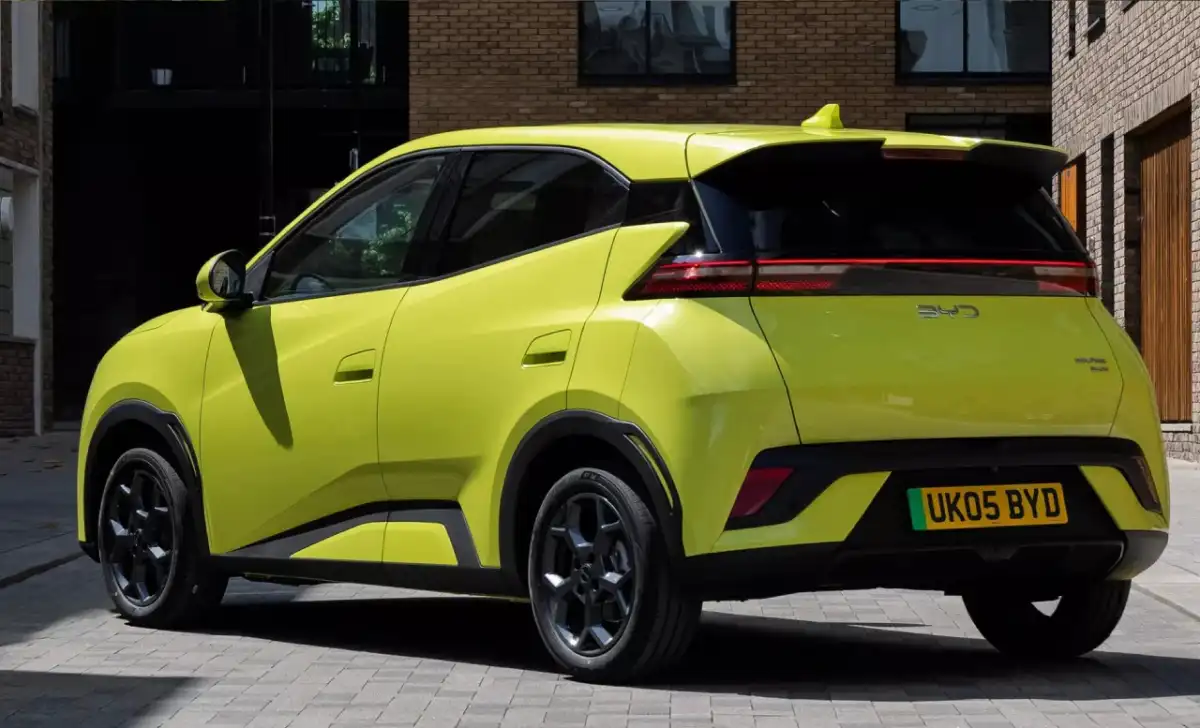
Rapid growth of Chinese automotive brands in Europe
Increasing adoption of connected and autonomous-driving features
Heightened geopolitical sensitivity around data security
Precedents in other sectors, such as telecommunications and surveillance technology
Officials emphasize that the concern is preventive, not reactive. There is no publicly confirmed evidence of espionage via vehicles. Instead, policymakers are applying a risk-management approach: identifying possible vulnerabilities before they are exploited.
Poland as a Case Study
One of the most prominent examples comes from Poland, where authorities are actively considering restricting Chinese-made vehicles from entering military bases and defense facilities.
According to statements from Polish defense officials:
Vehicles with extensive camera systems could record sensitive layouts
Audio systems might capture conversations in secure zones
Connectivity features could allow data transmission beyond national oversight
Commanders may need authority to regulate vehicle access
Importantly, the discussion in Poland has also raised the possibility that restrictions may not be limited to Chinese brands alone, but could eventually apply to any vehicle—regardless of origin—that carries similar data-recording capabilities.
Not an Isolated European Position
Europe is not acting in isolation. Similar concerns have appeared in other regions:
Military institutions outside Europe have reportedly restricted foreign-made vehicles from bases
Government agencies have tightened controls over connected devices in sensitive environments
Cybersecurity frameworks increasingly treat vehicles as networked endpoints
This suggests a broader global trend: mobility technology is being reclassified as a potential security domain, not just an industrial one.
Why Chinese Cars Are Under Particular Scrutiny
Chinese-made vehicles face disproportionate attention for several reasons:
Chinese automakers are leaders in electric and connected vehicle technologies
Vehicles often integrate deeply with digital ecosystems and cloud services
Western governments remain cautious about data governance frameworks in China
Broader political tensions amplify risk perception
Chinese manufacturers and officials have repeatedly denied any suggestion of data misuse or state-directed surveillance. European policymakers, however, argue that security policy must consider capability and access, not intent alone.
Potential Impact on the Automotive Industry
If restrictions or bans are implemented, the effects could be significant.
For Manufacturers
Additional certification requirements for software and data systems
Pressure to localize data storage and processing
Possible redesign or disabling of certain features for specific markets
For Consumers
Reduced vehicle choice in some segments
Higher prices due to compliance costs
Increased transparency requirements regarding data usage
For Regulators
Need for new standards addressing vehicle cybersecurity
Clearer definitions of “sensitive zones”
Ongoing monitoring of automotive software behavior
Economic and Diplomatic Implications
Beyond the automotive sector, the issue carries diplomatic weight. Restrictions targeting Chinese vehicles could:
Strain EU–China trade relations
Invite retaliatory measures
Influence broader negotiations on technology standards
At the same time, European governments face domestic pressure to demonstrate that national security is not being compromised by rapid technological adoption.
The Bigger Picture: Cars as Strategic Technology
This debate highlights a fundamental transformation in how cars are understood. Vehicles now sit at the intersection of:
Transportation
Data security
Artificial intelligence
National defense
As a result, the regulatory environment surrounding automobiles is likely to resemble that of telecommunications or critical infrastructure in the future.
Europe’s consideration of restricting Chinese-made cars from military and sensitive areas underscores a broader reality: the modern automobile is no longer just a machine, but a connected data platform.
Whether or not formal bans are enacted, the discussion itself signals a lasting shift in policy thinking. Governments are increasingly prioritizing data sovereignty and security alongside innovation and market competition.
In the coming years, automotive success may depend not only on performance, design, and price—but also on how transparently and securely vehicles handle data. For regulators and manufacturers alike, this represents a new and unavoidable chapter in the evolution of the global car industry.